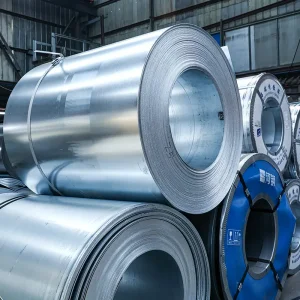
Steel wire stands as the backbone of modern civilization. From the high-tensile cables holding up suspension bridges to the intricate springs in medical equipment and automotive valve assemblies, the demand for precision-engineered steel wire continues to grow. According to recent industrial data, the global steel wire market is projected to expand significantly, driven by infrastructure investments, automotive electrification, and robust growth in manufacturing sectors across North America, Europe, and developing economies in APAC and Africa.
As purchasing directors and engineering teams navigate an increasingly complex supply chain, selecting a reliable steel wire supplier involves more than comparing pricing. Modern sourcing requires evaluation of metallurgical purity, strict adherence to international tolerances (such as ASTM, DIN, JIS, and EN), and verifiable quality assurance systems. Global buyers are transitioning from transaction-based local procurement to strategic relationships with integrated mills capable of producing high-carbon, low-carbon, and alloyed steel wire products with consistent structural performance.
In structural engineering and mechanical design, steel wire is subjected to extreme fatigue, tensile forces, and environmental degradation. A minor variance in chemical composition—such as an over-concentration of phosphorus or sulfur—can cause premature fatigue failure. Therefore, top-tier global suppliers ensure strict heat analysis during the steelmaking process, controlling trace element content to maintain ductility and optimal tensile strength. For instance, hot-dip galvanized coating processes must be monitored dynamically to ensure uniform zinc weight distributions, yielding superior atmospheric corrosion protection.
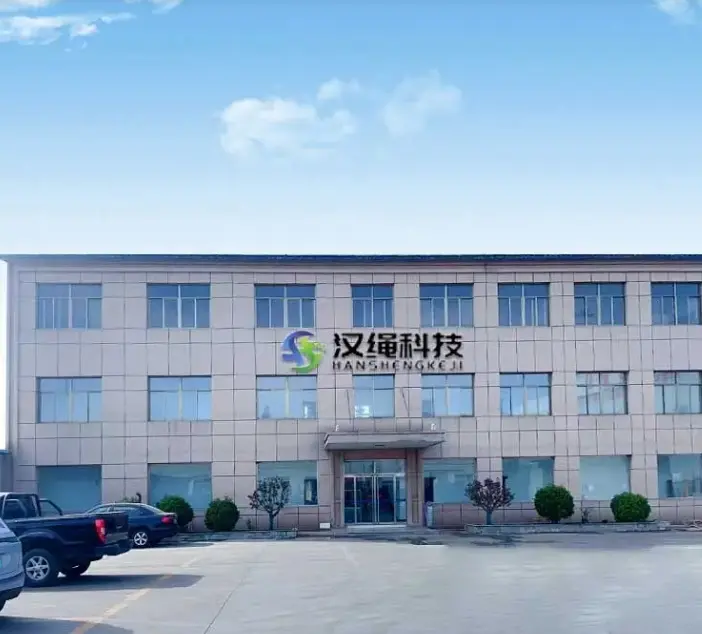
Strategically located in Tangshan City, Hebei Province—the historical heartland of China’s steel manufacturing industry—Hansheng Technology (Hebei) Co., Ltd. has been at the forefront of industrial metallurgy since 2006. Over nearly two decades of operation, we have transformed from a regional manufacturer into a highly sophisticated, export-oriented industrial enterprise supplying premium steel wire, coils, sheets, and structural steel sections to customers worldwide.
Our manufacturing facility operates 8 high-efficiency production lines equipped with state-of-the-art drawing, heat treatment, and galvanizing machinery. With an annual capacity scaled to 650,000 metric tons, we provide unmatched supply chain reliability. Our location just 150 kilometers from the capital city of Beijing and 150 kilometers from the Port of Tianjin allows us to minimize inland transit times, providing swift and cost-efficient global shipping options to international seaports.
Established in 2006, we leverage 19+ years of metallurgical and export expertise to navigate complex global shipping compliance requirements and engineering standards.
Running 8 integrated production lines with an annual capacity of 650,000 tons, we confidently fulfill high-volume orders for major construction, energy, and infrastructure projects.
Positioned in Tangshan, close to both Beijing and the Port of Tianjin, we ensure rapid logistics, minimal storage costs, and reduced handling risks.
We rigorously comply with international specifications including ASTM, JIS, DIN, EN, GB, and AS/NZS, backed by ISO9001 and ISO14001 certifications.
Every industrial batch undergoes thorough chemical and physical testing, including pre-shipment inspections, securing total compliance for all shipments.
Operating under the philosophy of "honoring contracts and keeping promises," we treat our global partners as long-term collaborators, maintaining flawless delivery rates.
China’s leadership in global steel production is not merely a product of scale; it is driven by complex industrial clustering. In Hebei Province, and specifically in Tangshan, a highly integrated ecosystem exists. Raw iron ore, metallurgical coke, blast furnaces, refining lines, and deep-drawing wire processing plants are all located within a small radius. This close geographical integration dramatically reduces material handling and transportation costs, which translates directly into cost savings for global purchasers.
Additionally, Chinese factories leverage advanced automation, continuous online inspection technologies, and high-speed drawing blocks. These innovations allow plants to achieve structural properties that previously required expensive alloy modifications. Modern high-speed wire drawing machines use closed-loop feedback systems to control wire diameter tolerances within fractions of a millimeter. This level of control is crucial for applications like spring manufacturing and wire rope weaving, where minor variations can cause processing jams or uneven tension.
One of the key technical advancements in recent years is the development of Zinc-Aluminum-Magnesium (ZAM) alloy coatings. Standard hot-dip galvanized (GI) wire provides sacrificial protection, but ZAM coatings offer up to five times greater corrosion resistance under equivalent thickness conditions. The magnesium in the alloy forms a highly stable protective layer that resists chloride and alkaline environments, making ZAM-coated wires and steel products ideal for agricultural greenhouses, seaside infrastructure, solar mounting structures, and industrial livestock farms.
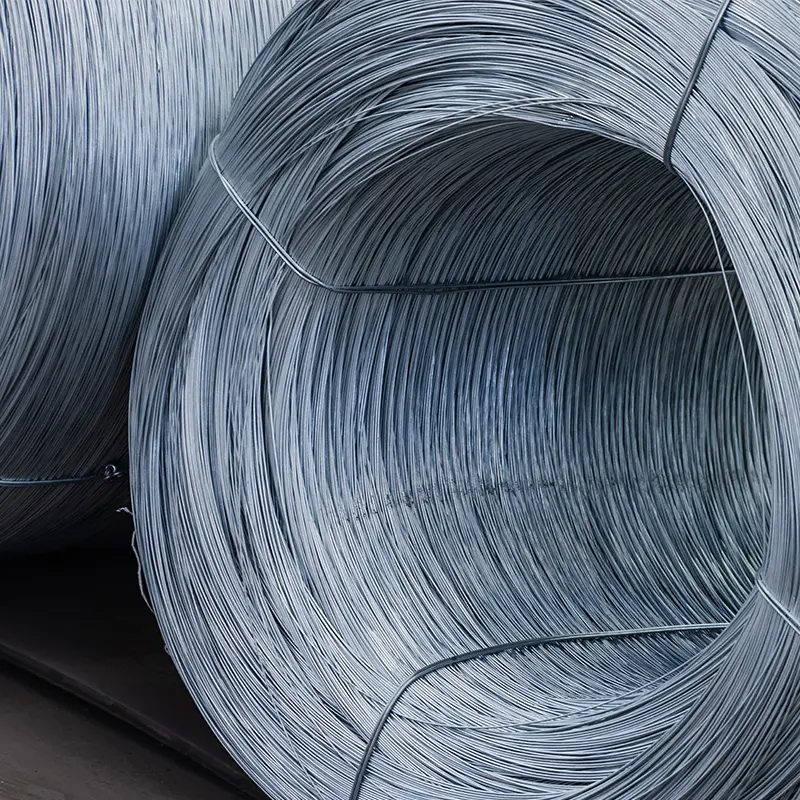
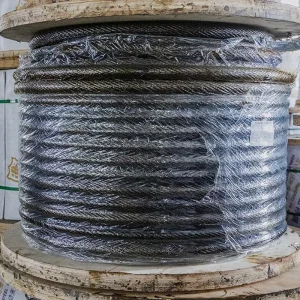
Highly protective zinc-coated wire for fencing, binding, and structural cables.
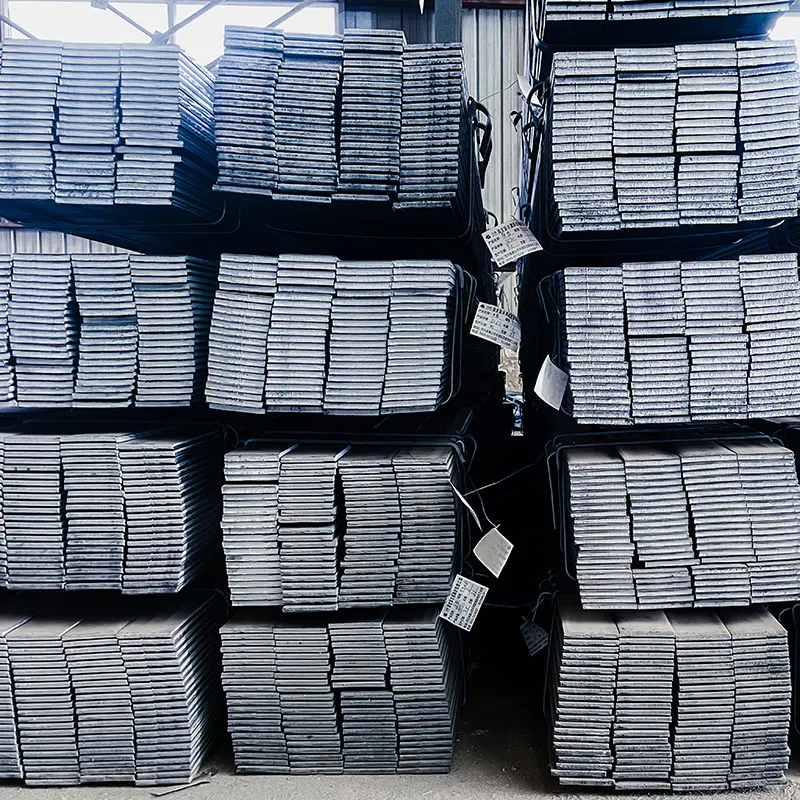
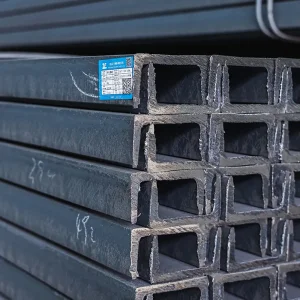
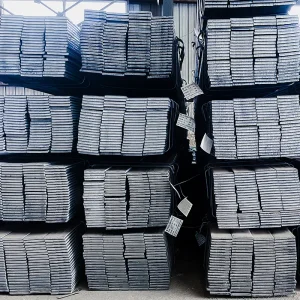
Custom carbon and alloy structural flat steel for framing and machinery parts.
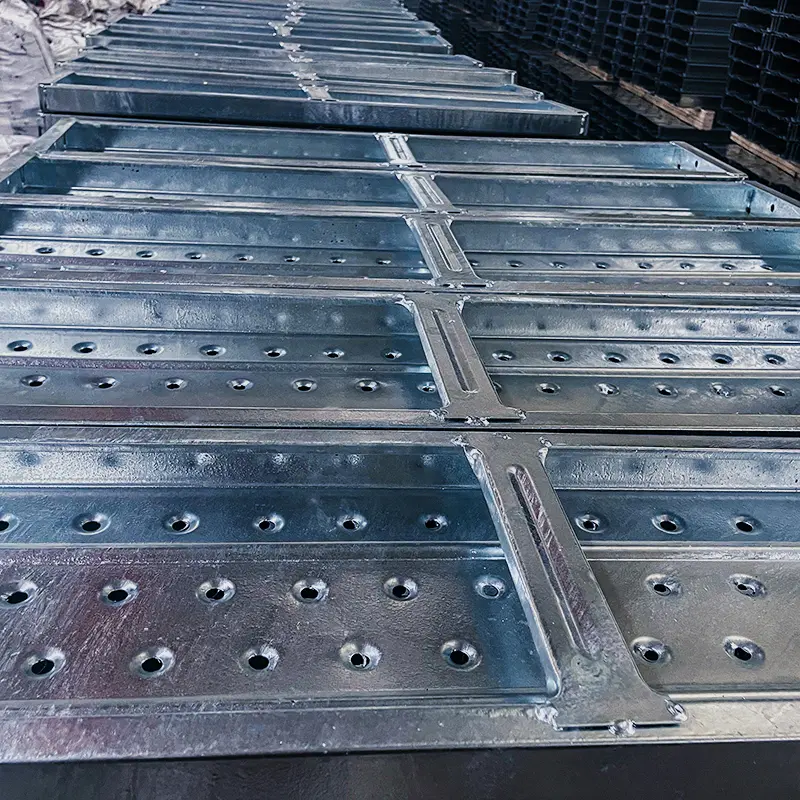
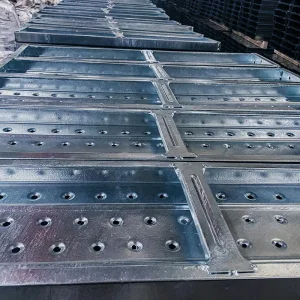
High-strength scaffold walking boards designed for heavy building safety.
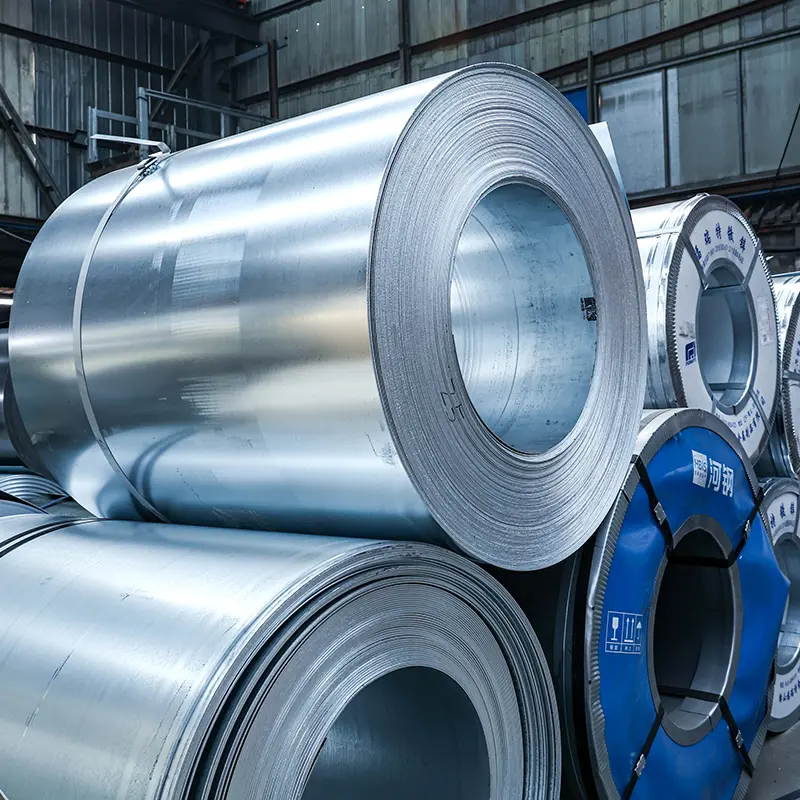
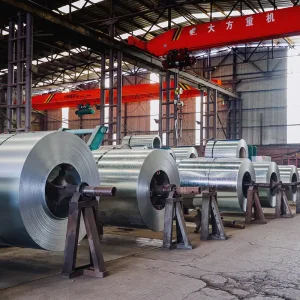
Hot-dipped zinc-coated coils ready for roll forming and stamp tooling.
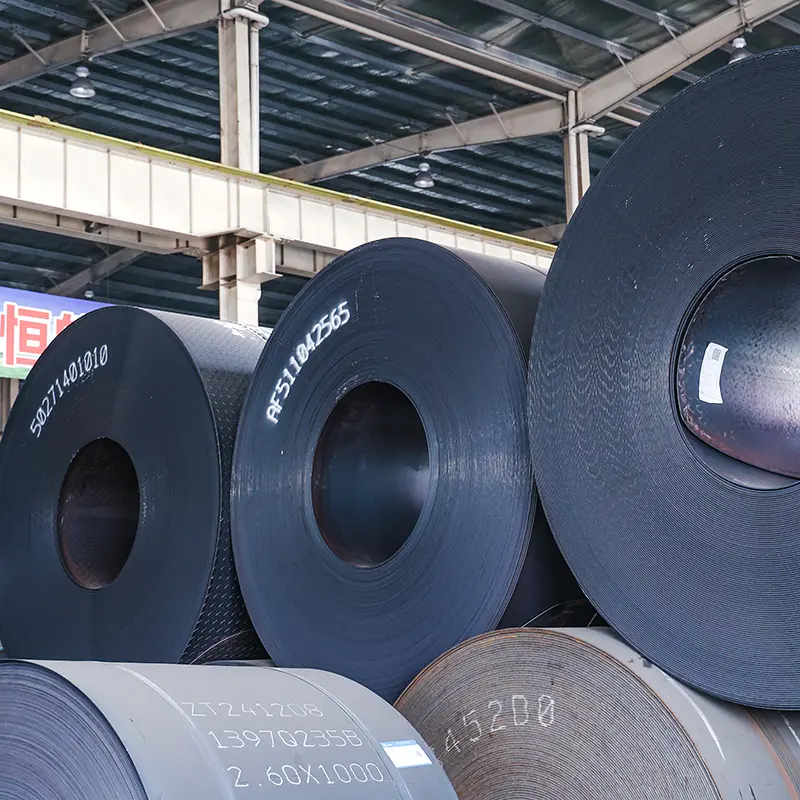
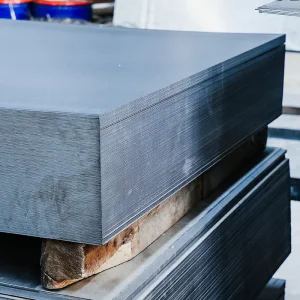
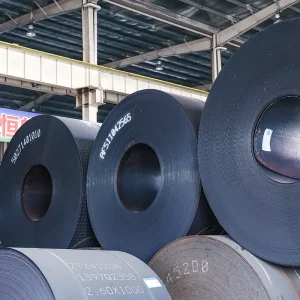
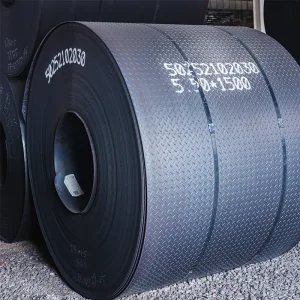
Hot-rolled carbon steel plates for heavy engineering and automotive parts.
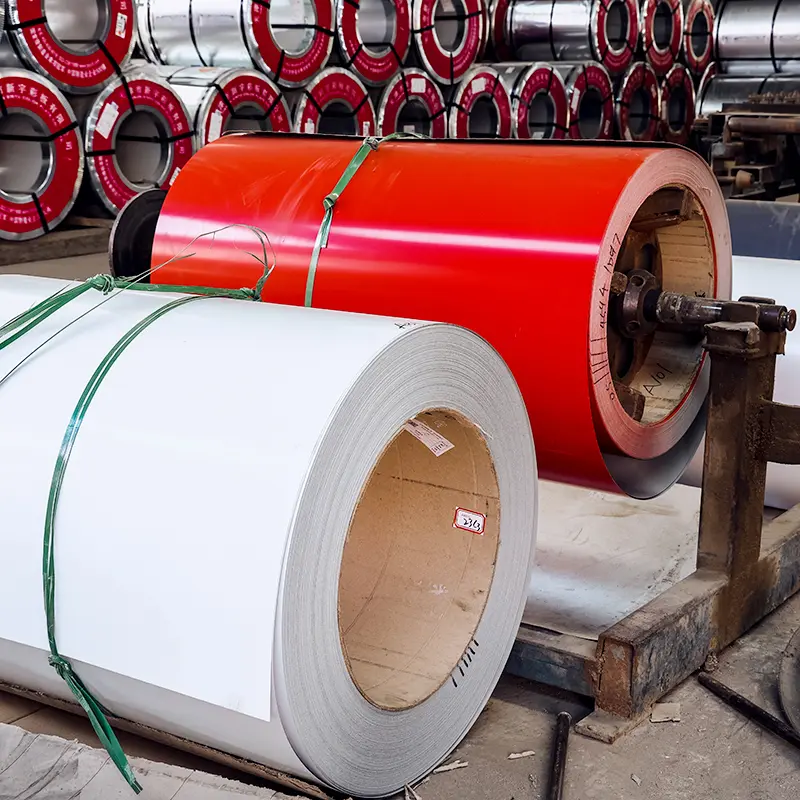
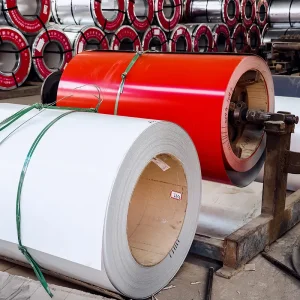
Pre-painted galvanized/galvalume steel sheets for color roofing and cladding.
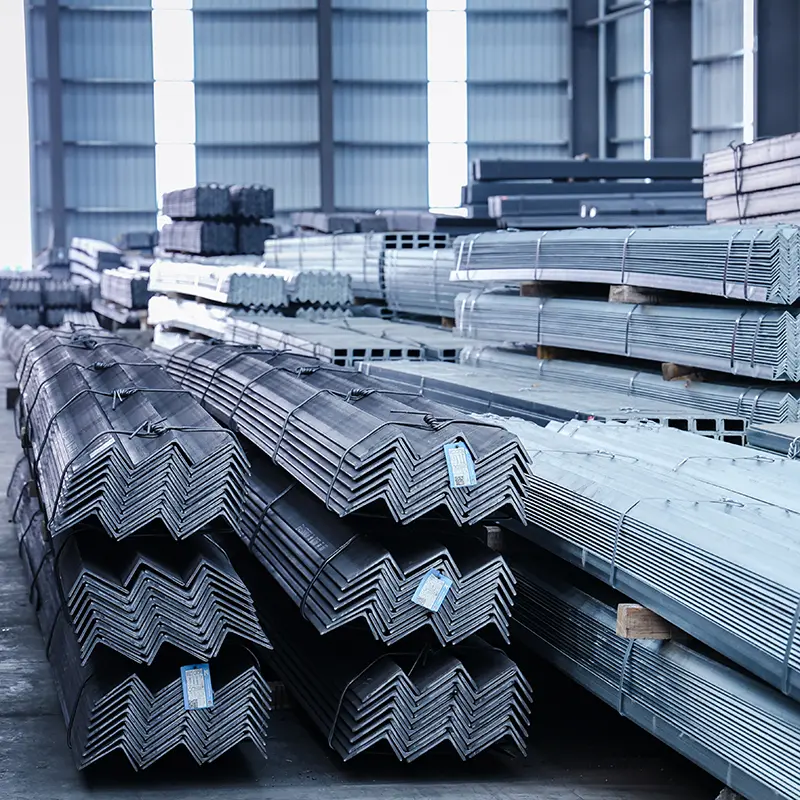
Welded or seamless structural tubing for fluid transport and frameworks.
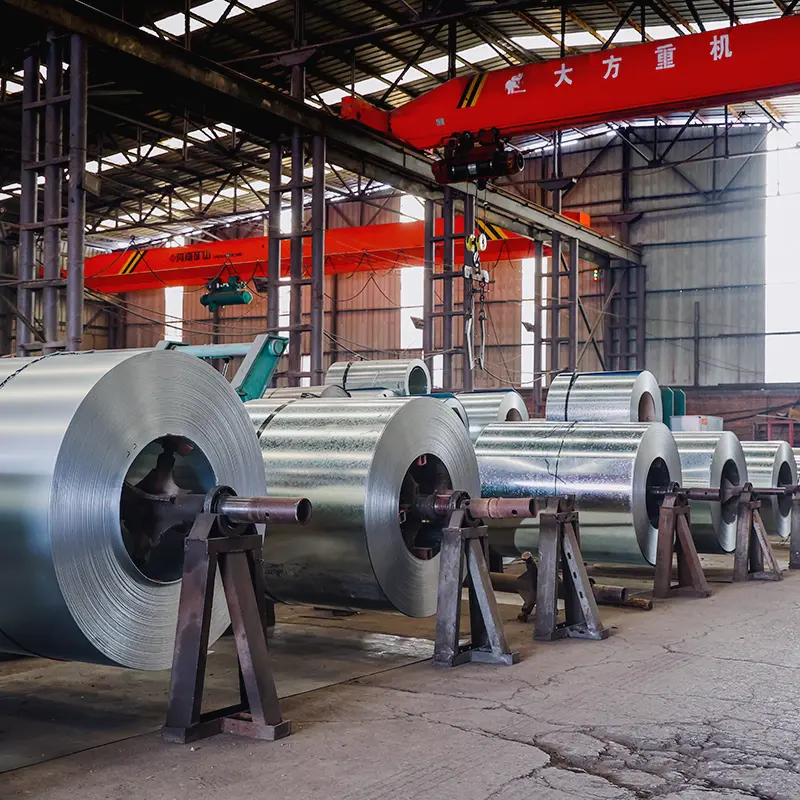
Cutting-edge ZAM coated steel offering next-generation corrosion resistance.
We believe in establishing trust, showing passion for excellence, and maintaining absolute integrity in everything we do. We continuously adapt to changing global requirements to serve our clients better.
To focus on prime building materials, providing high-tensile wire and structural steel products that create a safer, more sustainable environment for humanity.
To consistently lead the building materials industry by implementing intelligent production lines, promoting low-carbon metallurgy, and optimizing global supply chains.
Continuous Wire Drawing Line
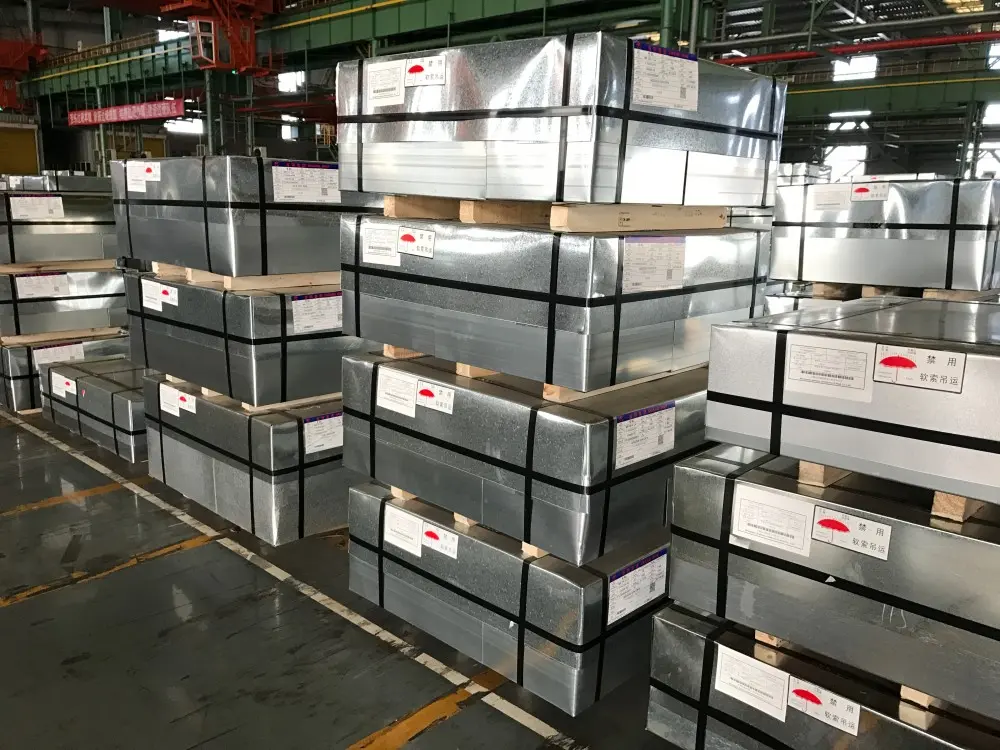
Automated Packaging Line
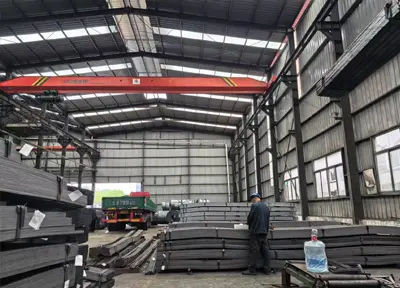
Hot-Dip Galvanizing Line
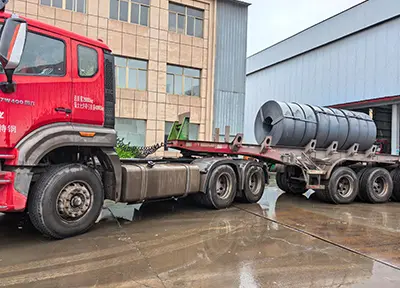
Strict Metallurgical Analysis Laboratory
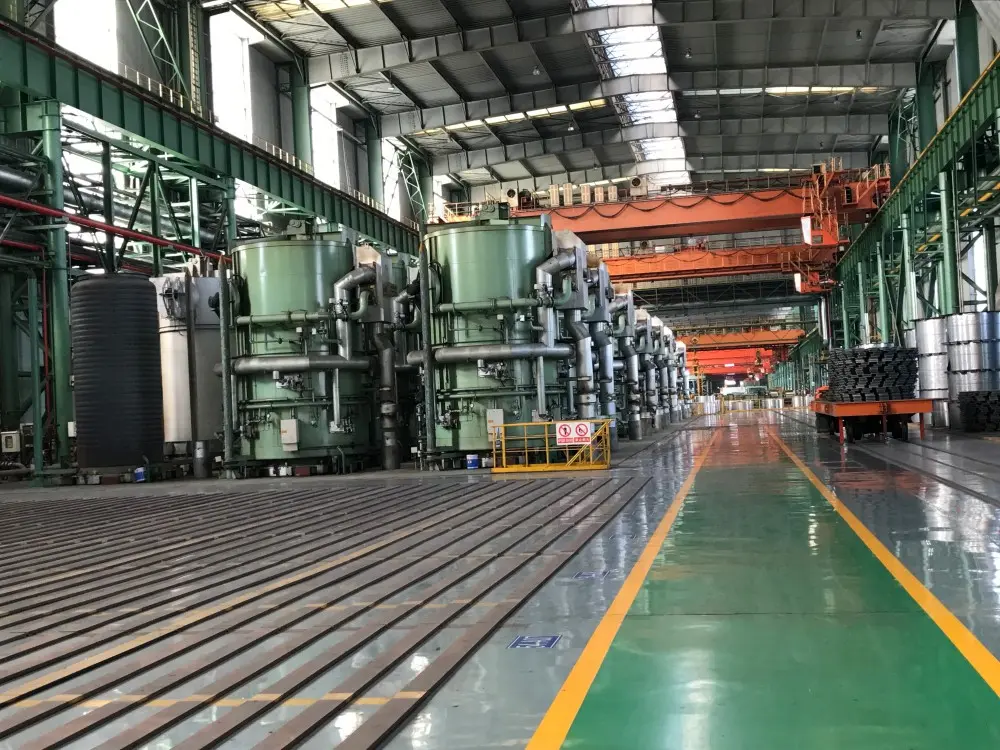
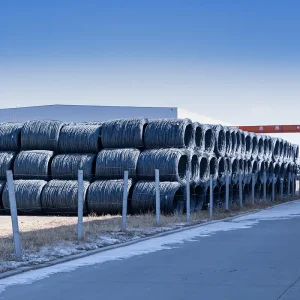
High-Speed Wire Coil Storage
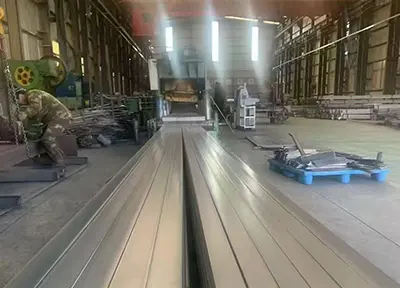
Structural Steel Processing Hub
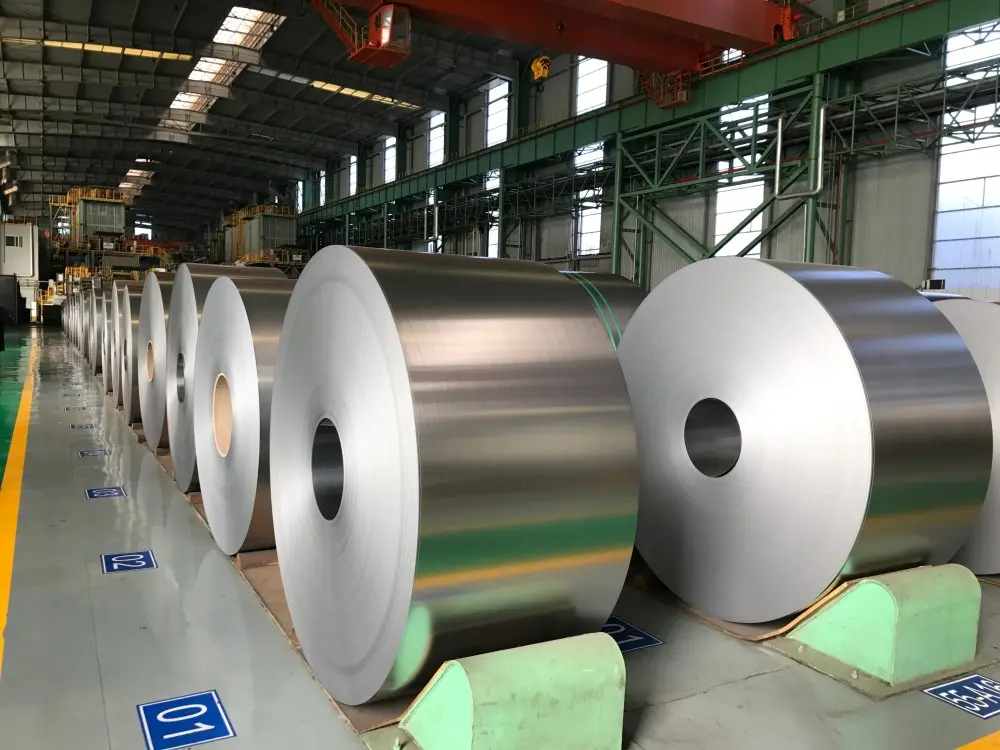
Quality Control Sorting Station
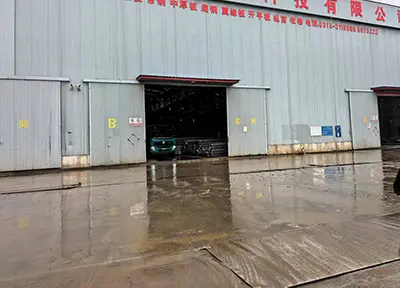
Logistics & Loading Dock
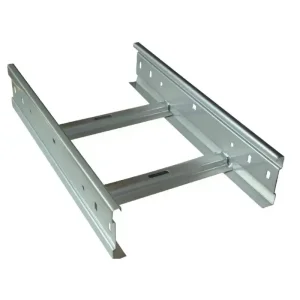
Steel wire products are rarely used in their raw, straight-drawn form. They serve as feedstock for further manufacturing, which highlights the need for localized application engineering. For example, in agricultural trellis design across South America and the Mediterranean, wire must resist high tension under changing solar cycles and chemical exposures from pesticides. Here, a high-tensile hot-dip galvanized wire with a thick zinc coating (above 240 g/m²) is crucial. Conversely, for indoor cable management systems in European data centers, the focus shifts to cable trays made of electro-galvanized low-carbon steel, prioritizing dimensional precision, bendability, and fire safety.
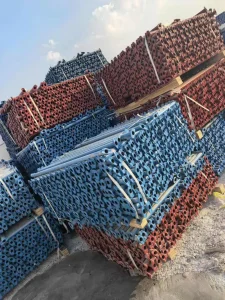
In structural construction—such as high-rise building projects in North America or Southeast Asia—scaffolding and high-strength concrete reinforcement systems require specific steel types. The steel planks, flat bars, and scaffolding pipes must meet EN 12811 or ASTM A36 standards to guarantee safety on-site. When procurement departments choose suppliers, they look for facilities with certified manufacturing processes that are backed by comprehensive testing data, mill test reports (MTRs), and ISO quality control documentation.
The steel sector is undergoing a major transition toward carbon reduction. As global brands commit to science-based climate targets, the demand for low-carbon steel is increasing. Modern manufacturers are adopting electric arc furnace (EAF) technology, using recycled scrap steel, and integrating green hydrogen energy to reduce their carbon footprint.
Simultaneously, smart metallurgy is gaining traction. Integrating IoT sensors in hot-rolling and wire-drawing processes allows for real-time monitoring of cooling rates, roll pressure, and mechanical properties. This data-driven approach minimizes material waste and ensures consistent performance across different production batches.
We partner with top-tier metallurgical mills to secure premium raw steel billets and hot-rolled coils.

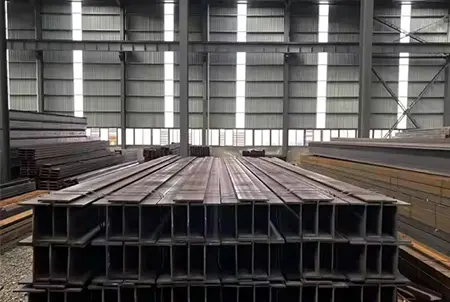
Supplied high-strength structural H-beams for heavy industrial warehouse construction in Dubai, UAE.
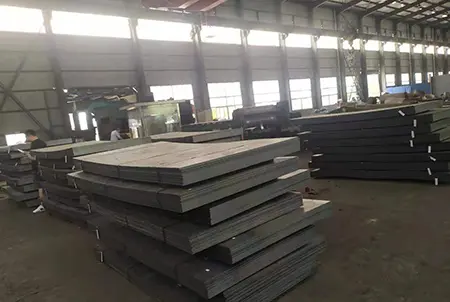
Delivered ASTM-compliant carbon steel structural plates to a petrochemical facility in Dammam, Saudi Arabia.
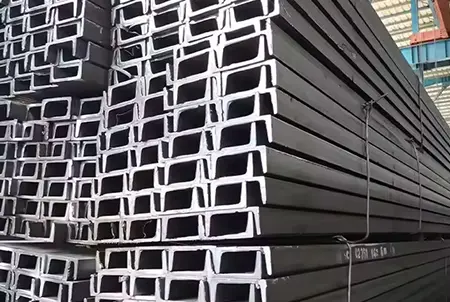
Exported standardized JIS channel steels to marine fabrication yards in Busan, South Korea.
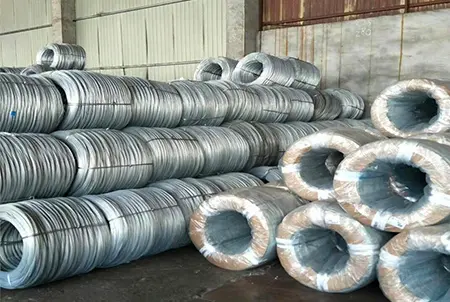
Shipped high-protection GI wire to coastal agricultural developers in Florida, USA.
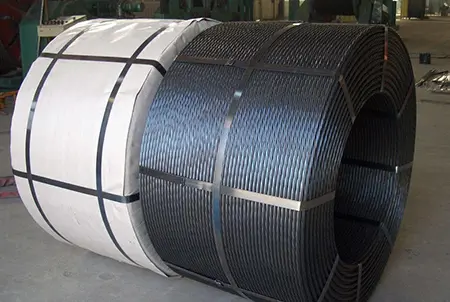
Provided high-tensile prestressed concrete steel strands for road and bridge flyover projects in Manila.
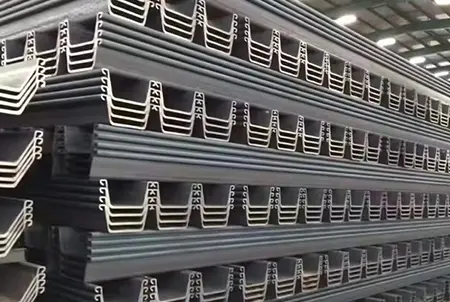
Delivered steel sheet piling systems for port extension and coastal reclamation works in Jakarta.
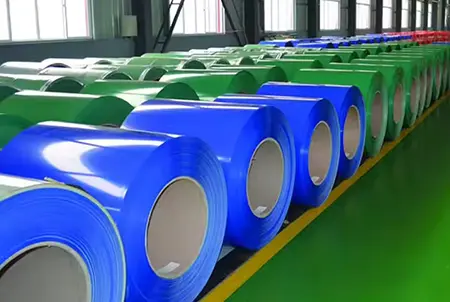
Supplied high-weatherability prepainted galvanized steel coils for residential roofing roll formers.
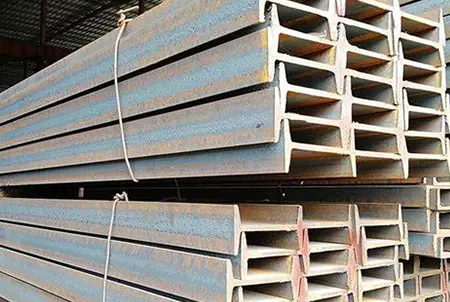
Custom structural steel shapes shipped directly to power distribution facility frameworks in Kuwait City.
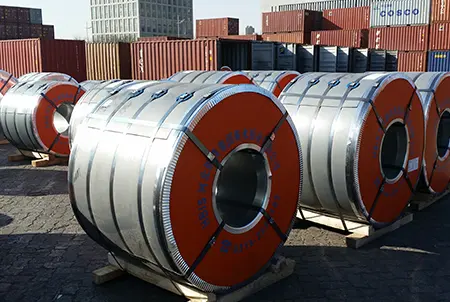
Consistent, large-volume supply of GI coils to automotive parts manufacturers in Barcelona, meeting strict European standards.
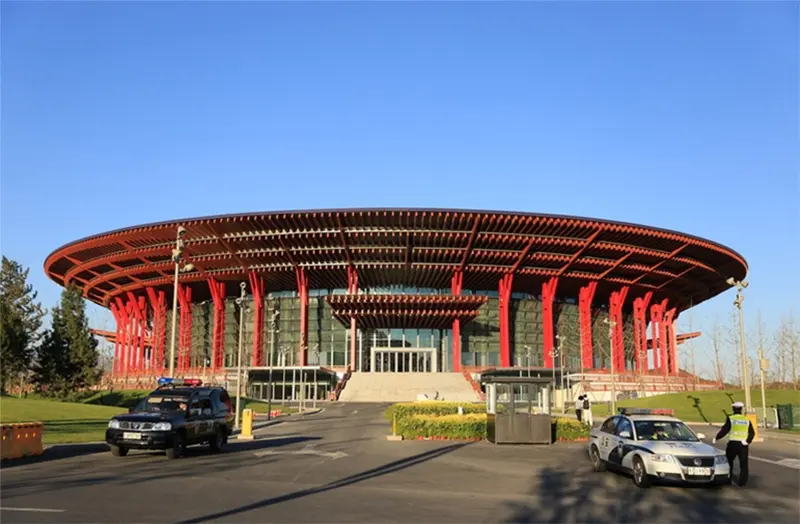
Supplied high-precision structural steel and wire products for this national convention facility.
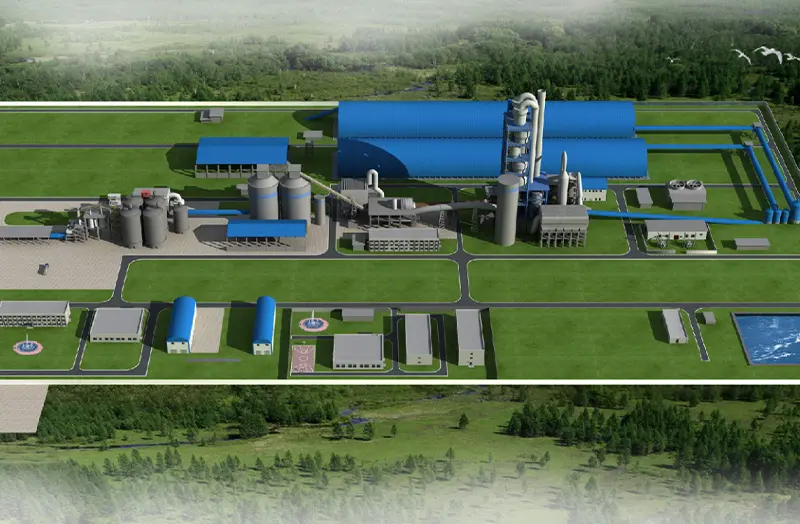
Supplied heavy-duty steel structural framework for a large-scale clinker production facility.
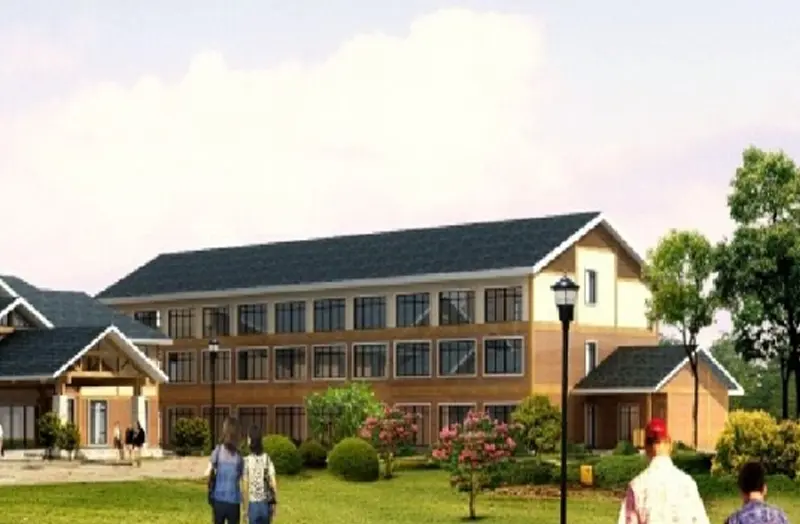
Provided lightweight framing and high-durability cold-formed steel coils to developer partners in Canada.
Global purchasing of industrial steel wire involves managing several commercial risks, including ocean freight logistics, import duties, and potential material variations during long-distance transit. To mitigate these risks, procurement directors should work with suppliers that offer structured risk-management programs. These include rust-preventive packaging (using volatile corrosion inhibitor wraps or vacuum plastic sealing), protective storage at port facilities, and clear logistics tracking.
Additionally, verifying mechanical properties before shipment is essential to avoid costly processing delays. A reliable partner will supply detailed chemical analysis and mechanical test reports for every batch, detailing key performance metrics:
By establishing structured test protocols, companies can minimize material non-conformance risks. Partnering with a supplier that maintains transparent inspection standards ensures consistent product performance and long-term project reliability.
 Hanshen