 Hanshen
1 / 5
| Parameter | Specification Details |
|---|---|
| Height | Typically 50mm to 400mm. |
| Flange Width | Typically 37mm to 104mm. |
| Web Thickness | Typically 4.5mm to 14.5mm. |
| Tensile Strength | Usually between 300MPa and 600MPa. |
| Yield Strength | Usually between 200MPa and 400MPa. |
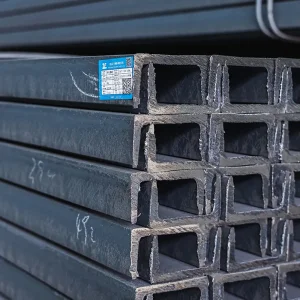
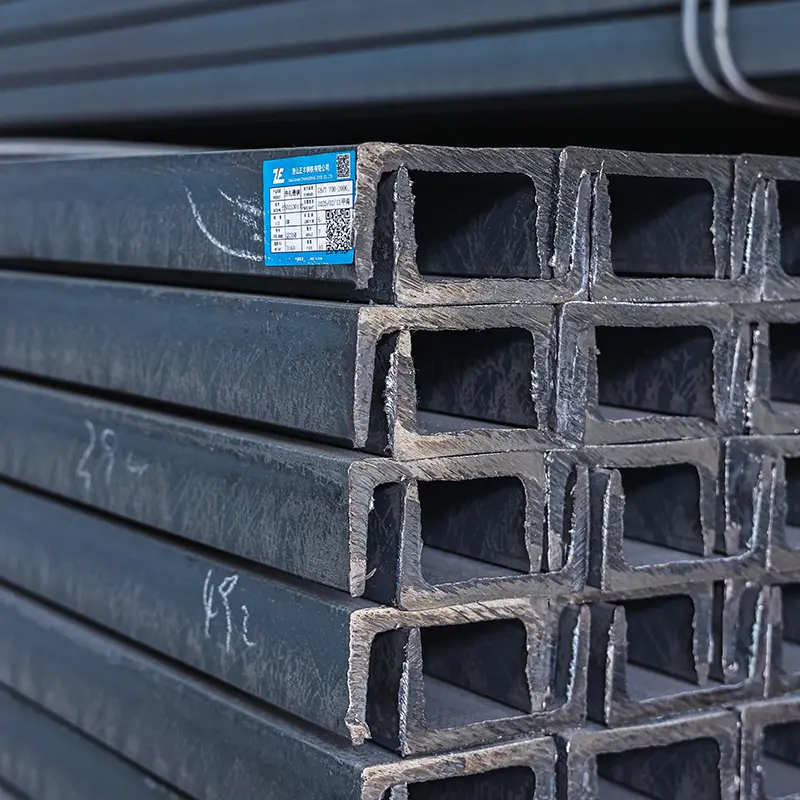
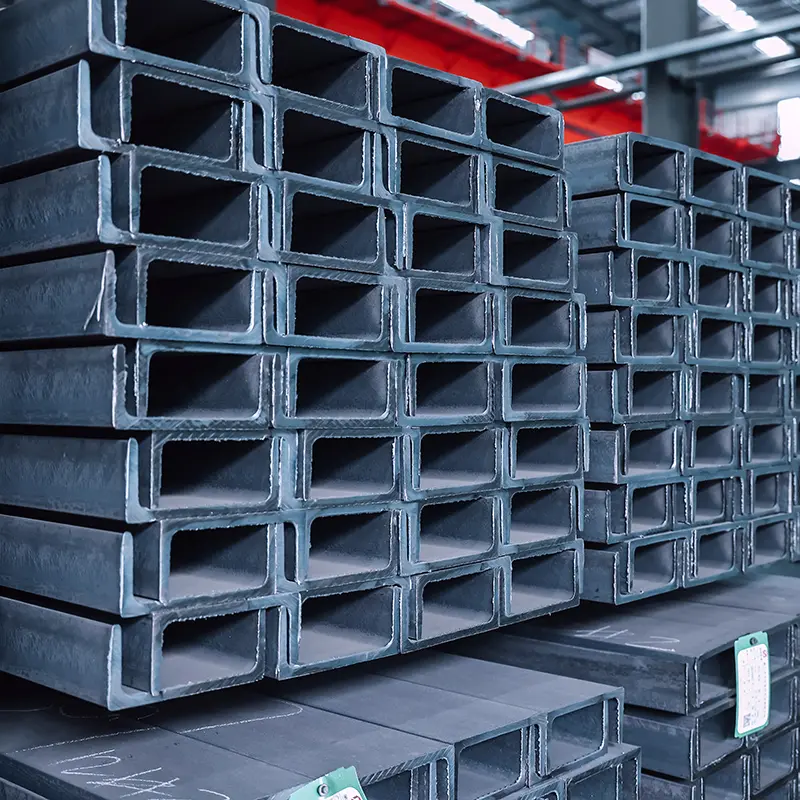
Channel steel can be classified based on shape, size, and use to meet various industrial needs:
Advanced high-speed rolling and controlled cooling technologies ensure dimensional precision (±0.1 mm) and microstructural homogeneity, supporting downstream processes like drawing and heat treatment. Material selection must comply with industry standards (ASTM, GB/T, JIS), prioritizing carbon content, elongation, and surface defect control.
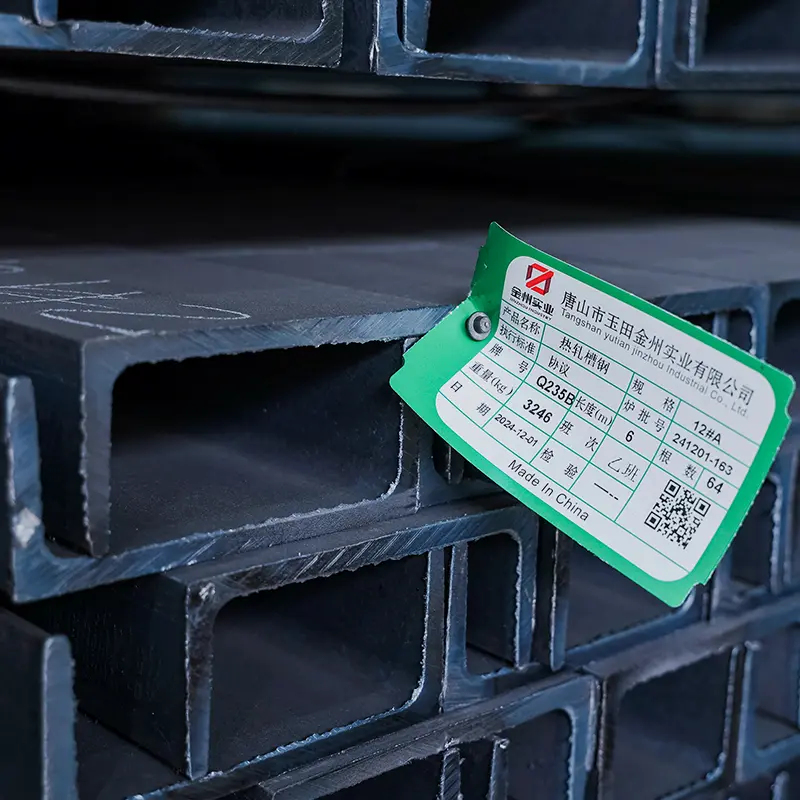
Channel steel typically ranges in height from 50mm to 400mm, with flange widths ranging between 37mm and 104mm, and web thicknesses from 4.5mm to 14.5mm depending on structural needs.
By shape, it is classified into Standard Channel Steel (widely used in construction), Light Channel Steel (with thinner walls for lightweight setups), and Heavy Channel Steel (with thicker walls for high-strength applications).
It is mainly manufactured using Carbon Steel (cost-effective, high strength), Alloy Steel (optimized strength and wear resistance), and Stainless Steel (excellent rust and chemical corrosion resistance).
All high-quality channel steel products comply strictly with leading global industry standards, including ASTM, GB/T, and JIS, which govern overall carbon content, elongation rates, and surface quality controls.
Advanced high-speed rolling and controlled cooling technologies are utilized. These ensure dimensional precision up to ±0.1 mm along with microstructural homogeneity for excellent workability.
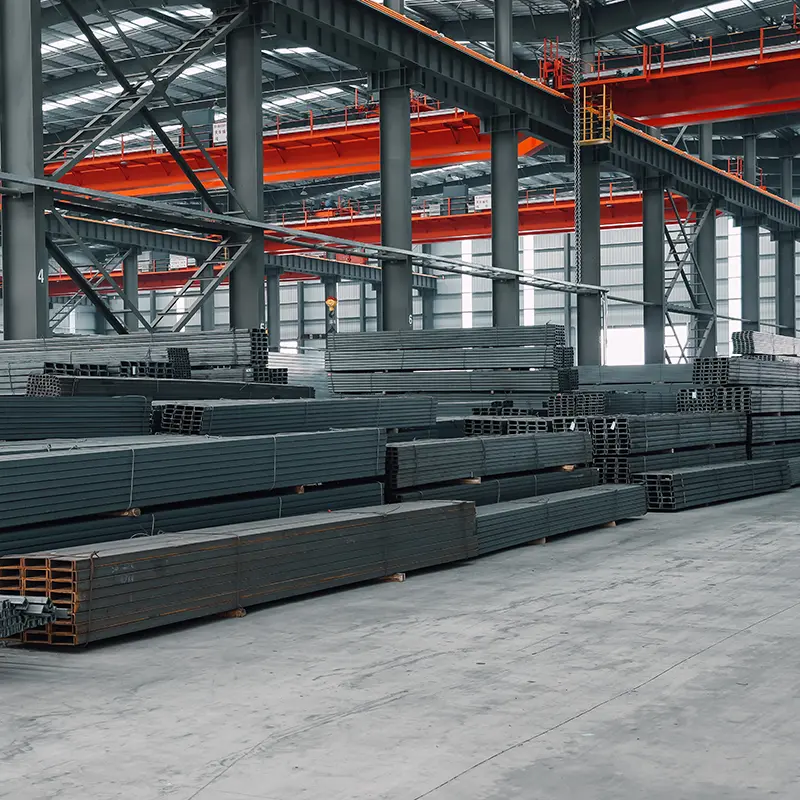
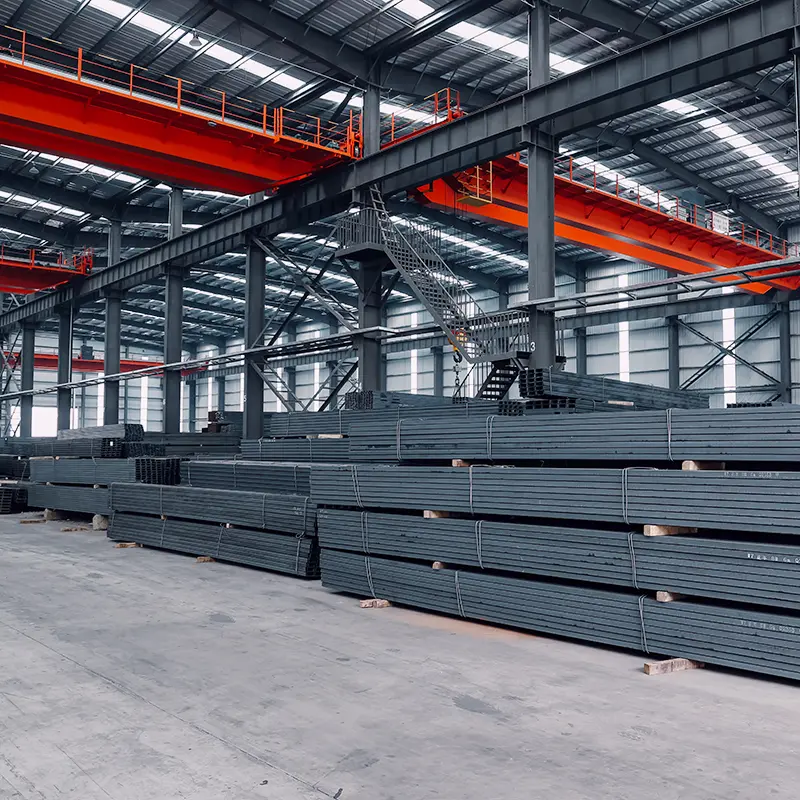
It is widely applied in civil construction (bridges, frameworks), manufacturing (tools, machinery), transportation systems (vehicle frames), energy supports (pipelines), and agricultural structures (greenhouses).