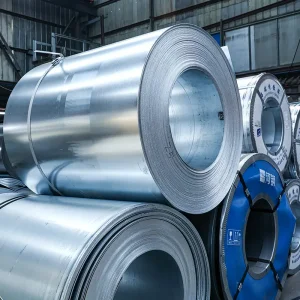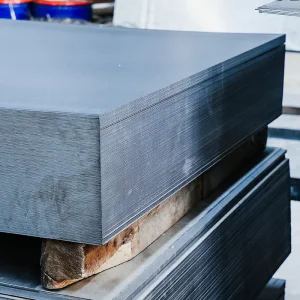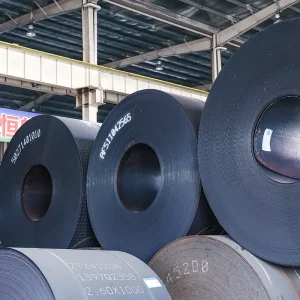
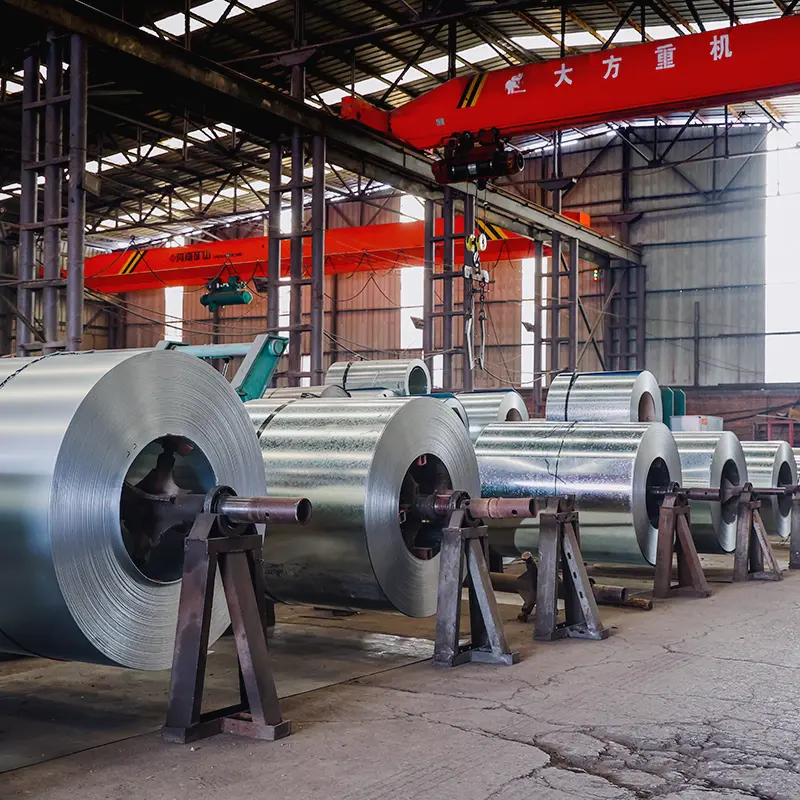
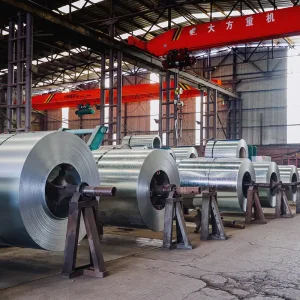
Wholesale Zinc-Aluminum-Magnesium Coil Manufacturers, Manufacturer

Characteristics

- Superior corrosion resistance (5-10x longer than galvanized steel in salt spray tests).

- Self-healing: Magnesium forms a protective layer on scratches.

- Excellent formability for stamping and bending.

Product Description

Parameters & Typical Value

Parameter Typical Value
Thickness 0.3mm - 3.0mm
Width 600mm - 1500mm
Coating Weight 60 - 275 g/m² (Double-sided)
Salt Spray Test 1000 - 3000 hours (Red rust)

Types of ZAM

  • Standard ZAM: Zn-based with Al (1-3%) and Mg (0.1-1%).
  • High-Al ZAM (AZ): Higher Al (5-11%) and Mg (1-3%).
  • Super ZAM: Enhanced corrosion resistance with optimized alloy ratios.

Material Composition

  • Base Material: Low-carbon steel (e.g., DX51D, DX53D).
  • Coating: Zn + Al + Mg (e.g., Zn-90%, Al-6%, Mg-4%).

Key Characteristics

  • Superior corrosion resistance (5-10x longer than galvanized steel in salt spray tests).
  • Self-healing mechanism: Magnesium forms a highly stable protective layer on scratches and cut edges.
  • Excellent formability optimized for stamping and bending processes.

Primary Advantages

  • Significantly longer lifespan paired with lower structural maintenance costs.
  • Eco-friendly profile by optimization and reduction of zinc resource consumption.
  • Outstanding resistance in harsh environments (marine conditions, highly industrial areas).

Applications

  • Construction: Roofing, wall panels, structural support, and garage doors.
  • Appliances: Refrigerator casings, washing machine components, and AC casings.
  • Automotive: Precision chassis parts and underbody components.
  • Agriculture: Greenhouse structural frames and agricultural silos.

Key Export Markets

  • SE Asia: Thailand, Singapore, Malaysia
  • Middle East: Saudi Arabia, UAE, Oman, Egypt, Kuwait, Jordan
  • Africa: South Africa, Tanzania, Algeria, Ghana, Nigeria
  • South America: Peru, Colombia, Ecuador, Chile

Process Advantages and Material Selection Guidelines

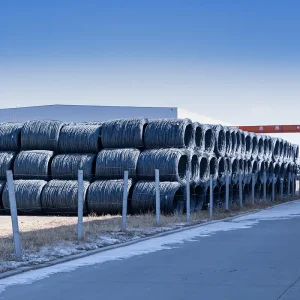
Advanced high-speed rolling and controlled cooling technologies ensure dimensional precision (±0.1 mm) and microstructural homogeneity, supporting downstream processes like drawing and heat treatment. Material selection must comply with industry standards (ASTM, GB/T, JIS), prioritizing carbon content, elongation, and surface defect control.

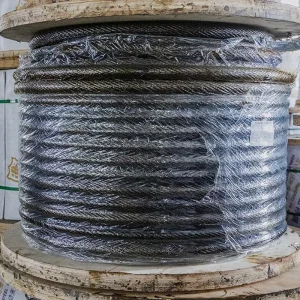
A full range of solutions for stranded wire, cold heading standards and specialty alloy wire rod is available to optimize performance, enabling customers to reduce costs and increase manufacturing efficiency.
Frequently Asked Questions

What is ZAM steel and what are its key components?
ZAM steel is a highly corrosion-resistant coated steel product featuring a base of low-carbon steel (such as DX51D or DX53D) and a specialized coating alloy composed of Zinc (Zn), Aluminum (Al), and Magnesium (Mg).
How does ZAM steel compare to traditional galvanized steel?
ZAM steel delivers 5 to 10 times longer corrosion resistance than traditional galvanized steel in salt spray testing. This long-term resistance significantly extends structural lifespans and decreases overall maintenance costs.
What is the "self-healing" mechanism in ZAM coatings?
The magnesium in the alloy coating reacts with ambient conditions to form a dense, highly stable protective barrier over scratches, cuts, and exposed edges, halting the progression of red rust and extending the material's service life.
What are the standard thickness and width ranges for ZAM products?
ZAM steel sheets are typically supplied in thicknesses ranging from 0.3mm to 3.0mm, and widths ranging from 600mm to 1500mm, adapting to various engineering and manufacturing specs.
Which manufacturing and industry standards do these materials meet?
All ZAM alloy processes and material selection comply strictly with major global industry standards, including ASTM, GB/T, and JIS, with a focus on elongation, carbon content, and surface defect control.

Related Products