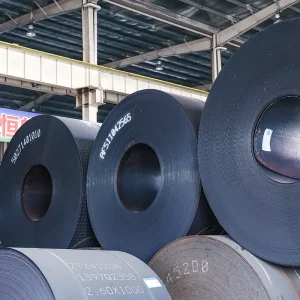
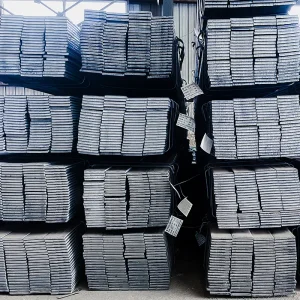
Engineered for High-Corrosion Environments and Structurally Compliant with Japanese Industrial Standards (JIS)
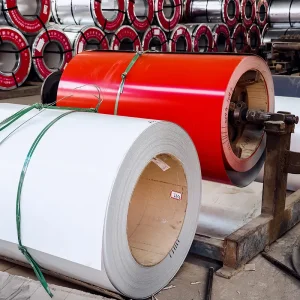
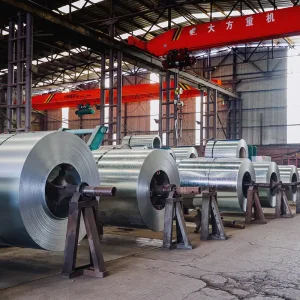
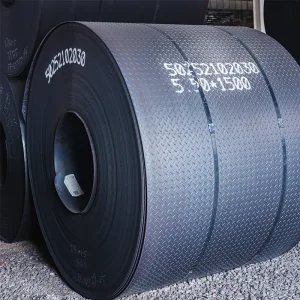
Japan has traditionally relied on domestic steel conglomerates like Nippon Steel and JFE Steel for high-specification Prepainted Galvanized Iron (PPGI) and Prepainted Galvalume (PPGL). However, in recent years, the combination of rising energy costs, structural consolidation within the domestic steel industry, and the increasing frequency of extreme weather events has led Japanese trading houses (*Sogo Shosha*) to diversify their supply chains.
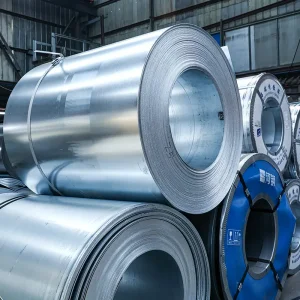
Today, sourcing high-durability color-coated coils from qualified overseas manufacturers who strictly conform to Japanese Industrial Standards (JIS) is not just a cost-saving measure—it is a critical supply-chain resilience strategy. Japanese procurement managers look beyond basic price points to assess performance indicators such as coating adhesion, micro-cracking resistance, and long-term color retention (ΔE) under harsh ultraviolet and maritime conditions.
"Procurement in the Japanese market requires strict adherence to JIS G3312 (for prepainted hot-dip zinc-coated steel) and JIS G3322 (for prepainted hot-dip 55% Al-Zn alloy-coated steel). Overcoming these barriers demands advanced production controls."
Requires specific tensile strengths (e.g., CGCC, CGCD) and a paint film thickness generally exceeding 20 microns on the weather side to handle extreme environmental stressors.
Japanese roofs must withstand massive static snow loads in prefectures like Hokkaido and Niigata, necessitating high yield-strength base steel combined with elastic polymer topcoats to prevent microscopic paint peeling during structural flexing.
Understanding the Chemistry, Coating Structures, and Paint Profiles Required for Sourcing Success
| Parameter | PPGI (JIS G3312 / CGCC) | PPGL (JIS G3322 / CGLCC) | Premium Options for Extreme Environments |
|---|---|---|---|
| Base Metal | Hot-Dip Galvanized (GI) Steel Coils | 55% Aluminum-Zinc Alloy Coated (GL) | Zinc-Aluminum-Magnesium (ZAM) Alloy Base |
| Zinc/Al-Zn Coating Weight | Z120 - Z275 (120 to 275 g/m²) | AZ90 - AZ150 (90 to 150 g/m²) | ZM120 - ZM275 (Superior edge protection) |
| Paint System Coating Thickness | Top: 15-25µm; Back: 5-15µm | Top: 18-28µm; Back: 7-15µm | Custom Multi-layer (3-coat 3-bake) up to 45µm |
| Paint Formulation | Polyester (PE), Silicone Modified Polyester (SMP) | High Durability Polyester (HDP), PVDF | FEVE (Fluoroethylene Vinyl Ether) or PVDF 70/30 |
| Corrosion Resistance | Excellent (Salt Spray Test: 500-1000 hrs) | Outstanding (Salt Spray Test: 1000-2000 hrs) | Max Performance (Salt Spray Test: >3000 hrs) |
| T-Bend Flexibility | ≤ 3T (No cracking, no peeling) | ≤ 2T (Superior forming capabilities) | ≤ 1T (Zero microscopic surface micro-cracks) |
Under Japan’s strict environmental laws (METI regulations and local government green purchasing policies), PPGI and PPGL coils must adhere to RoHS standards. Traditional chromate conversion coatings are rapidly being replaced by eco-friendly organic-inorganic composite passivation. This ensures that when steel panels are exposed to rainwater, there is zero risk of toxic hexavalent chromium leaching into the soil, rendering the materials fully compliant with sustainable development initiatives.
How Modern Prepainted Coils Meet the Specific Climatic and Safety Demands of Japanese Prefectures
Japan’s high earthquake frequency demands lightweight cladding systems. PPGI and PPGL sheet panels have a high strength-to-weight ratio, reducing the load on structural steel frames during seismic events, preventing collapse compared to heavy concrete tiles.
With thousands of kilometers of coastline, Japanese cities face continuous salt spray. High-durability PVDF-coated PPGL coils, containing 55% aluminum, create a self-healing barrier that prevents rust propagation from cut edges and scratches.
To combat the Urban Heat Island (UHI) effect in metropolitan areas like Tokyo, Yokohama, and Osaka, color-coated sheets are infused with solar-reflective pigments. This reduces heat absorption, lowering HVAC costs for factories and logistics warehouses.
Bridging High-Quality Manufacturing with Japan's Precision Supply Chains
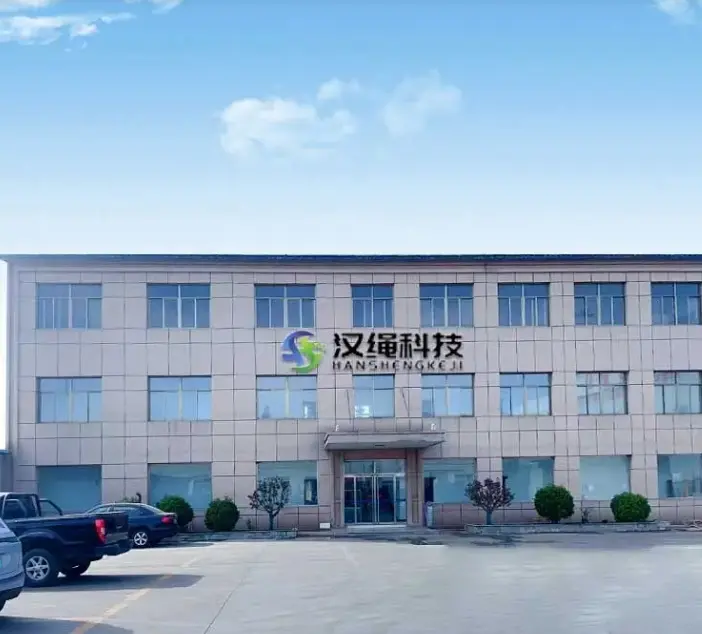
Strategically situated in Tangshan City, Hebei Province—the heart of China's steel industry—Hansheng Technology (Hebei) Co., Ltd. has established itself as an export-oriented steel manufacturing leader. Our proximity to the major logistics hub of Tianjin seaport (only 150 kilometers away) allows us to offer exceptionally efficient transit times to major Japanese ports such as Tokyo, Yokohama, Nagoya, Osaka, and Kobe.
Since our inception in 2006, we have expanded to operate 8 high-efficiency production lines, securing a total annual production capacity of 300,000 metric tons. This scale allows us to fulfill large-volume industrial demands without compromising on delivery timelines, a crucial requirement for Japanese enterprises operating on Just-In-Time (JIT) schedule methodologies.
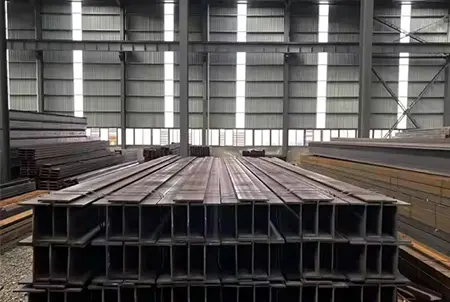
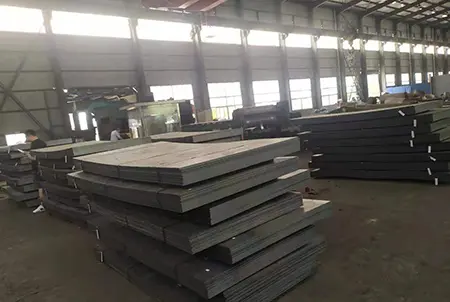
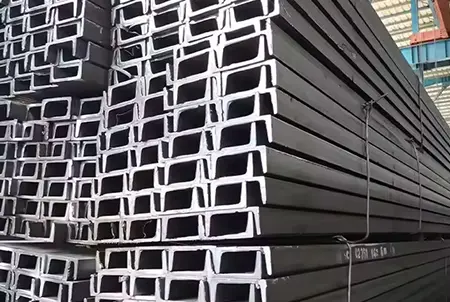
Our commitment to global standards is absolute. Every metric ton of PPGI, PPGL, galvanized steel, and structural steel section we produce is rigorously checked against GB, JIS, ASTM, DIN, EN, and AS/NZS specifications, ensuring seamless integration into localized infrastructure projects.
Delivering high-tensile steel, PPGI, and structural sections to world-class construction and engineering operations
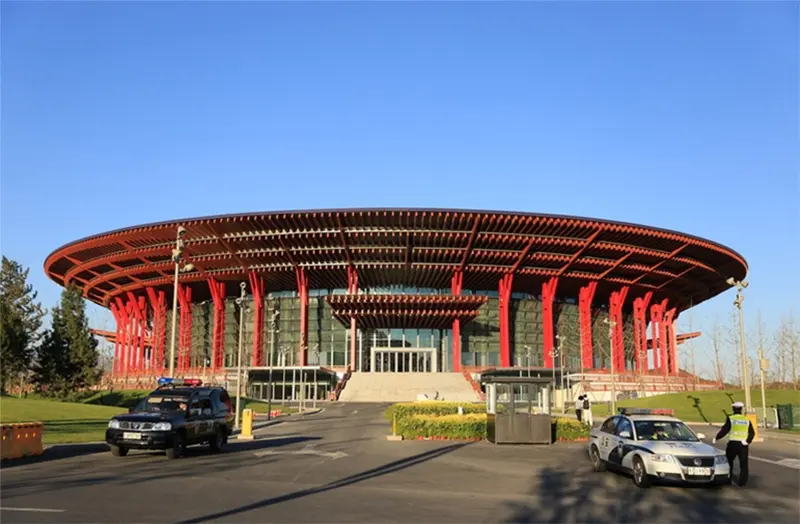
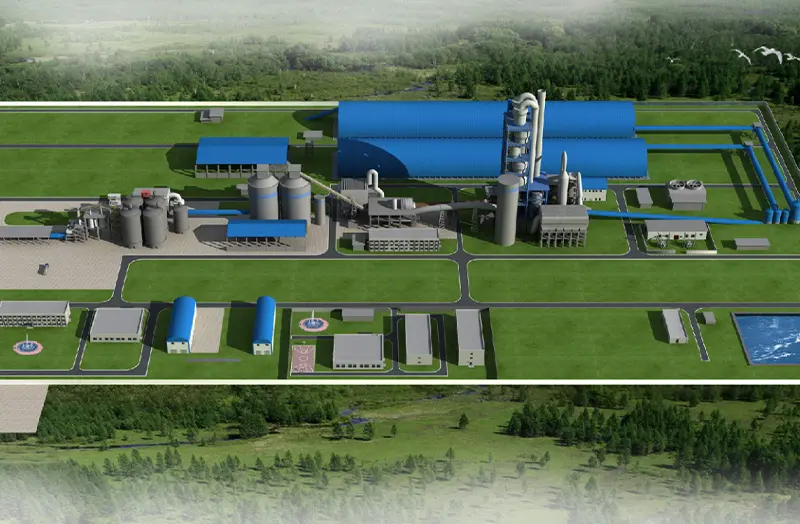

When sourcing PPGI/PPGL for Japanese markets, we implement a strict Quality Assurance protocol designed to align with the risk management frameworks of the most meticulous *Sogo Shosha* trading houses:
Direct Answers to Technical, Quality, and Logistics Queries by Professional Procurement Teams
Yes. We specialize in fabricating Prepainted Galvanized (PPGI) and Prepainted Galvalume (PPGL) coils that conform to JIS G3312 (CGCC) and JIS G3322 (CGLCC) specifications. We perform standard tensile strength, coating thickness, and paint hardness tests, supplying full Mill Test Certificates (MTC) with every shipment.
For coastal environments (within 1-2 km of the sea), we strongly recommend PVDF (Polyvinylidene Fluoride) coatings. PVDF features strong chemical bonds that resist degradation from high UV radiation and marine salt air. For inland or standard industrial areas, our High Durability Polyester (HDP) paint systems provide excellent long-term durability at a more economical price point.
Our manufacturing facility in Tangshan is located only 150 km from the port of Tianjin, which is one of Northern China's largest container shipping hubs. This strategic location allows us to load, clear customs, and ship cargo quickly, reaching major Japanese ports (such as Tokyo, Yokohama, Nagoya, Osaka, and Kobe) in 5 to 7 days from the port of departure.
Yes. We offer chromate-free passivation layers and eco-friendly paint formulations that comply with international RoHS standards. These products release zero hexavalent chromium or other toxic substances during installation or long-term weathering, making them compliant with local Japanese green building guidelines.
ZAM coils offer up to ten times the corrosion resistance of standard galvanized steel. The addition of magnesium forms a highly stable protective layer on the cut edges and scratches of the steel panel, preventing red rust. This makes it popular for agricultural applications in Hokkaido and coastal structures across Okinawa.
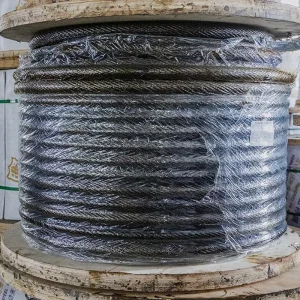
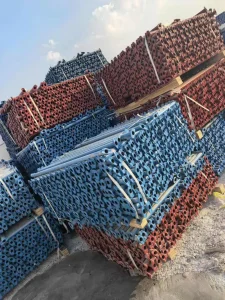
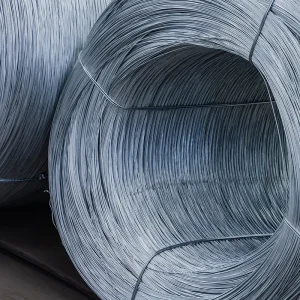
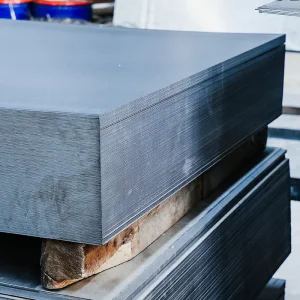
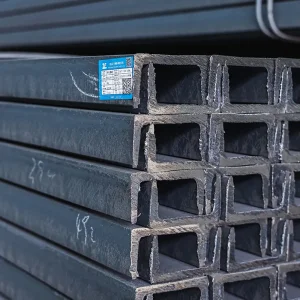
Precision-made steel coils, wire, structural scaffolding, and section products built to international specifications
 Hanshen