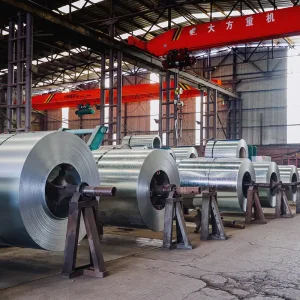
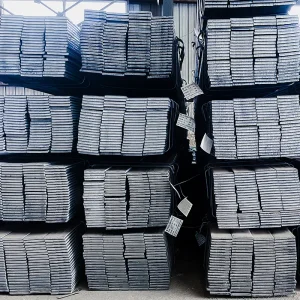
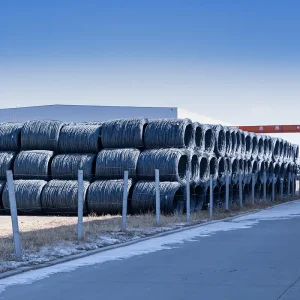
Engineered to meet GOST standards, our foundational structural elements supply major projects throughout Siberia, Urals, and Central Russia.
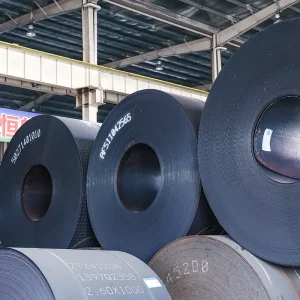
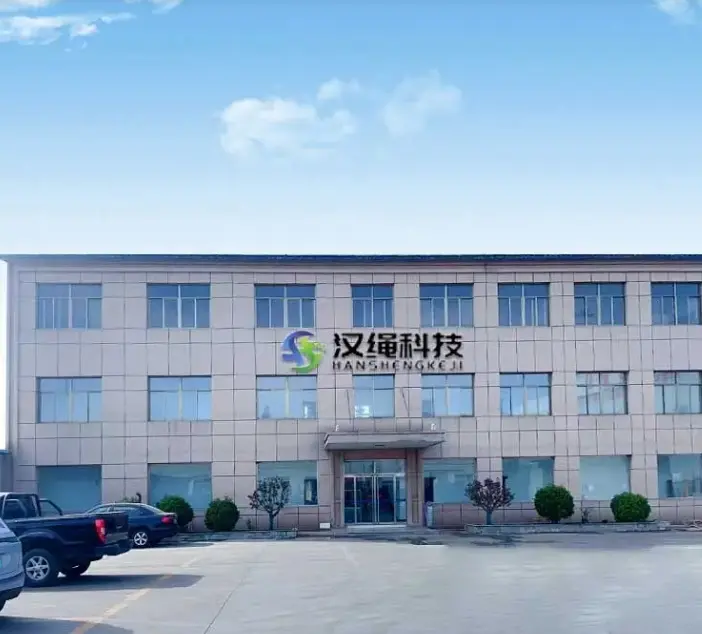
Strategically situated in Tangshan City, Hebei Province—the absolute heart of China’s steel industry—we benefit from an exceptional logistics network. Our facility lies just 150 kilometers from the Tianjin seaport and 150 kilometers from Beijing. This central placement ensures rapid, efficient global shipping and seamless connection to the New Eurasian Land Bridge railway routes serving northern cargo channels.
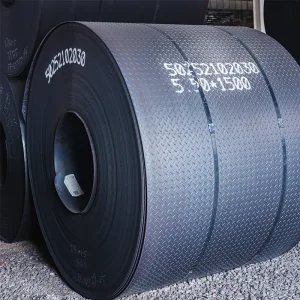
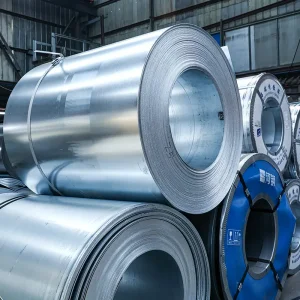
Established in 2006, Hansheng Technology has evolved into a leading export-oriented enterprise specializing in the production of high-performance HR Coil, Sheets, and Plates. We operate 8 high-efficiency production lines with a total annual production capacity of 300,000 metric tons (with combined group capabilities exceeding 650,000 tons).
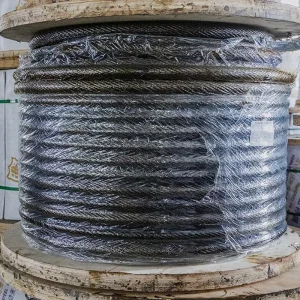
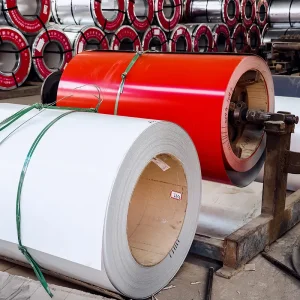
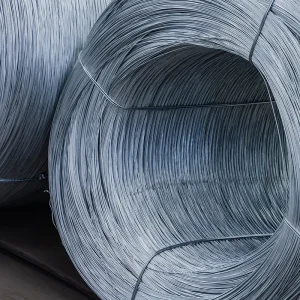
Our extensive portfolio spans Galvanized Steel Wire, Hot/Cold Rolled Steel Coils and Sheets, GI/PPGI, GL/PPGL, and structural Section Steels, all meticulously manufactured to adhere to rigorous international standards including GB, JIS, ASTM, DIN, EN, and AS/NZS, with custom modifications available to match regional GOST specifications.
The Russian industrial market represents one of the most demanding environments for structural steel. Driven by major state-level oil & gas pipeline installations, extensive railway expansions, arctic marine shipbuilding, and specialized vehicle manufacturing, the Russian Federation's consumption of Hot Rolled (HR) coil, sheet, and plate products continues to scale. Cities such as Chelyabinsk, Yekaterinburg, Magnitogorsk, and Nizhny Tagil form the traditional heart of Russian metallurgy. However, supply chain re-alignments have created a significant gap for high-quality, cost-efficient, and precision-manufactured carbon and high-strength low-alloy (HSLA) steel imports.
Russian purchasing managers frequently face extreme operational conditions. Steel sheets and plates destined for the Ural or Siberian regions must exhibit exceptional low-temperature impact toughness (e.g., maintaining ductility at temperatures as low as -40°C to -60°C). Standard hot rolled coils fail under these thermal stressors unless they are produced using clean, vacuum-degassed steel with tight control over chemical compositions, particularly sulfur and phosphorus levels. The need for precise dimensional tolerance control, flatness, and custom thicknesses is paramount for CNC laser cutting, automated bending, and structural welding in local production facilities.
The global steel industry is navigating an era of structural change. Geopolitical realignment, combined with strict carbon neutrality regulations (such as Europe's Carbon Border Adjustment Mechanism - CBAM), has disrupted traditional procurement channels. Russian buyers, faced with import limits from EU suppliers, have strategically pivoted their supply chains. The search for dependable manufacturers has turned toward China's high-tech industrial hubs—specifically Hebei Province, which represents the global standard for scale and cost-efficiency.
Furthermore, volatility in ocean freight rates has amplified the value of overland rail transport. The geographical location of Tangshan allows manufacturers to deploy dual-channel supply chains: direct sea shipment via Tianjin port to St. Petersburg or Novorossiysk, or rail freight routing through Manzhouli/Zabaikalsk directly into Central Russia. By integrating these routes, buyers secure stable lead times, reducing their exposure to global shipping bottlenecks and maritime insurance spikes.
Multi-modal transport networks combined with proximity to raw materials in Tangshan guarantee raw material availability and uninterrupted production runs even during peak global energy crunches.
Direct connections to the New Siberian land corridors mean transit times by rail are cut from months to weeks, allowing for lean inventory management in Russian distribution centers.
Comprehensive standard alignments ensuring every batch meets ASTM, EN, JIS, and GOST properties, verified by Mill Test Certificates (MTC) according to EN 10204 3.1.
Modern steel procurement requires more than just raw material capacity; it demands high technological integration. At Hansheng Technology, our 8 automated production lines utilize computerized automatic gauge control (AGC) systems to monitor thickness variations in real time down to the sub-millimeter level. This level of control prevents strip crown deviations and ensures consistent mechanical performance across the entire length of a 25-ton hot-rolled coil.
By leveraging advanced thermo-mechanical controlled processing (TMCP), we optimize the steel's grain structure during the rolling phase. This allows us to produce high-yield-strength plates (e.g., S355JR, Q355B, or equivalent Russian GOST grades like 09G2S) without relying on costly alloy additions. The resulting steel possesses excellent weldability, cold formability, and resistance to brittle cracking—properties vital for industrial applications in freezing temperatures.
Our Quality Management Systems (certified under ISO9001:2000 and ISO14001) include continuous non-destructive testing (NDT), automated ultrasonic inspection of heavy plates to detect internal lamination defects, and precise edge trimming to eliminate stress concentration zones. This guarantees that when our products arrive at Russian factories, they are immediately ready for processing, welding, and structural loading.
Different industrial sectors demand specialized physical profiles. Below is an overview of how our Hot Rolled steel products integrate into key Russian operations:
For large-scale dry storage facilities and industrial warehouses in Nizhny Novgorod and Yekaterinburg, our structural channels and heavy-gauge plates serve as the structural framework. They offer high load capacity and minimal deflections under heavy snow loads.
High-strength steel plates and coils are used to fabricate storage tanks, pipelines, and heat exchangers. Our TMCP-refined plates resist hydrogen-induced cracking (HIC) and wet hydrogen sulfide corrosion, common challenges in the Tyumen and Sakhalin energy projects.
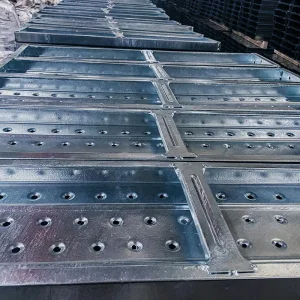
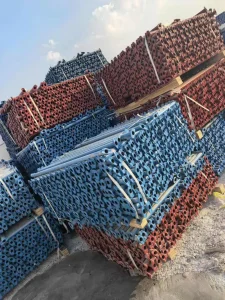
Using our high-grade scaffolding tubes and flat bars, Russian construction projects in Moscow and St. Petersburg maintain safety standards in variable winter weather. The material exhibits high fatigue resistance and dependable surface coatings.
We partner with leading domestic and international steel research centers to implement strict quality controls at every step.



Real-world logistics and supply chain fulfillment tracking from our Tangshan hub to major global and Russian destinations.
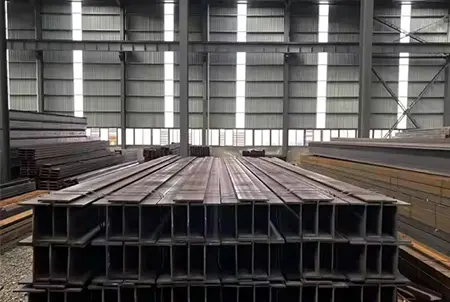
Multimodal sea-rail container shipments delivered to the Russian Far East distribution networks.
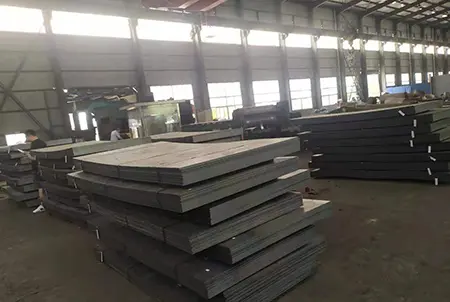
Heavy-gauge pipeline construction plates shipped via maritime routes through the Black Sea.
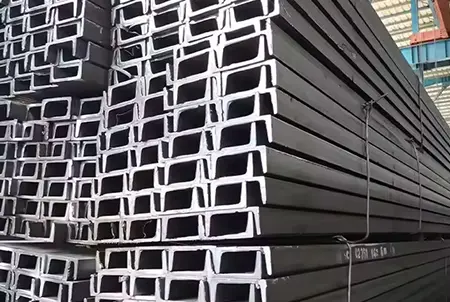
Direct rail delivery from Tangshan to Moscow terminal hubs for warehouse construction.
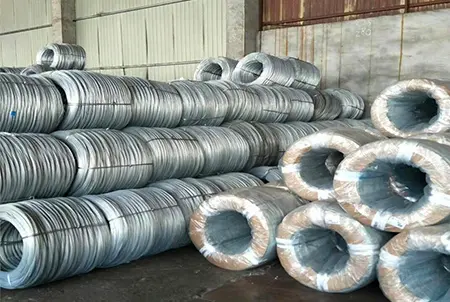
High-tensile zinc-coated wire for agricultural installations and protective framing.
Technical details, quality control, and shipping logistics answered by our engineering support team.
A: We use high-purity, fully killed steel refined through vacuum degassing. This process controls element levels to prevent brittle fracture. Our materials (such as equivalent Russian GOST 09G2S and European S355J2 grades) can maintain Charpy V-notch impact toughness values at -40°C and -60°C. They are suitable for Arctic and sub-Arctic construction projects.
A: Yes. While we run production based on ASTM, GB, EN, and JIS standards, we can tailor chemical composition and mechanical performance to match GOST specifications (e.g., GOST 19281, GOST 14637). Every shipment includes detailed Mill Test Certificates (MTC) conforming to EN 10204 3.1, documenting test details for chemical composition and mechanical properties.
A: We provide two primary routes:
1. Sea Freight: Shipments originate from Tianjin Port and go to Novorossiysk (serving southern regions) or Saint Petersburg (serving western industrial zones).
2. Overland Rail: Direct container rail freight routed through Manzhouli/Zabaikalsk to Moscow, Yekaterinburg, or Novosibirsk. This option avoids marine bottlenecks and reduces overall shipping times.
A: We apply a specialized rust-inhibitive oil to unpickled hot-rolled surfaces. Additionally, we wrap our materials in heavy-duty waterproof VCI (Volatile Corrosion Inhibitor) paper, secured by steel straps and protective edge rings. This packaging protects the steel from humidity and temperature changes during maritime transit and overland rail transport.
A: Our typical production cycle is 20 to 30 days after order confirmation and deposit receipt. This lead time depends on the specific thickness, grade, and volume requested. We maintain a constant inventory of common carbon steel billets at our Tangshan facility to expedite urgent production schedules.
Explore our full line of carbon and alloy steel products, certified for heavy industry, mining, and structural applications across Russia.
 Hanshen