Wholesale Steel Scaffold Plank Suppliers & Factory

High-Load Structural Integrity, Advanced Anti-Slip Form Factors, and Global Compliance Standards Engineered by Hansheng Technology (Hebei) Co., Ltd.

19+

Years of Global Trade Footprint

8

Automated Production Lines

650,000T

Annual Supply Capacity

150km

Distance to Major Seaport (Tianjin)

The Evolution of Modern Access Platforms: Wholesale Steel Scaffold Planks

In high-altitude construction, structural infrastructure, and massive industrial turnaround projects, the scaffold plank serves as the primary load-bearing interface between structural engineering and human life. The global demand for structural integrity has led to a major industry shift: the transition from traditional timber staging boards to advanced, roll-formed galvanized steel scaffold planks.

“Safety is not merely a compliance check; it is a mathematical outcome. Utilizing high-tensile steel planks instead of wood removes the variables of weathering, rotting, and internal wood knots, providing a predictable, structurally verifiable support platform.”

Hansheng Technology, located in Tangshan City, Hebei Province—the heart of China's steel manufacturing industry—stands at the forefront of this technological shift. By leveraging direct raw material supply chains, structural testing rigs, and high-volume roll-forming machinery, we provide international construction contractors, wholesale distributors, and scaffolding rental fleets with products that meet European, American, and Australian standard metrics.

1. Global Industrial Status: Why Modern Construction Mandates Steel Planks

The global construction industry is moving away from wood staging systems due to three primary factors: lifecycle value (ROI), fire resistance, and safety consistency. According to OSHA (USA) and EN 12811-1 (Europe) regulations, access platforms must handle specific load criteria without structural failure or excessive deflection.

  • Structural Deflection limits: Under maximum load configurations, steel planks experience predictable, elastic deformation within limits specified by standards like AS/NZS 1577 or BS EN 12811. Wood planks, by contrast, are subject to natural variation, micro-fractures, and rot.
  • Fire Performance: Petrochemical plants, shipyards, refineries, and high-altitude welding zones mandate non-combustible platforms. Steel scaffold planks prevent fire hazards caused by hot slag and sparks.
  • Economic Lifecycle: Wooden scaffolding boards typically degrade within 12–18 months of exposure to rain, UV rays, and mortar acids. In contrast, pre-galvanized or hot-dip galvanized steel boards routinely exceed a service life of 10 years, yielding a much lower total cost of ownership.

2. Technical Specifications & Structural Design of Steel Planks

Quality scaffold plates are engineered products designed to balance dead weight with load-carrying capacity. Our production processes focus on three core design requirements:

A. Anti-Slip Surface Patterning

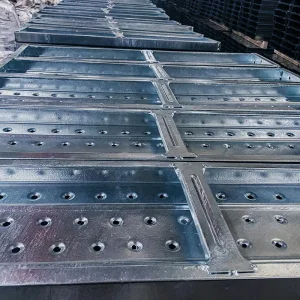
To ensure worker safety in rainy, icy, or muddy environments, our boards feature raised, punched-out slip-resistant dimples. These raised textures are punched from underneath, with built-in drainage holes that prevent water and oil accumulation, maintaining high traction levels.

B. Internal Reinforcement Profiles

The strength of a steel scaffold plank is determined by its profile design. Hansheng planks incorporate deep, longitudinal stiffness ribs along the bottom of the section. The sides are formed with double-folded returning edges (cuffs), which prevent finger injuries during assembly and reinforce the longitudinal edges against impact deformation.

C. Metallurgical Chemistry & Galvanization

We source carbon steels like Q235 and Q345/Q355 to achieve the high yield strength required for heavy-duty load ratings. For atmospheric protection, we utilize two main technologies:

  • Pre-Galvanized (GI) Finish: The coil is continuously galvanized before roll-forming, providing a uniform coating of 120–275 g/m² (zinc layers), ideal for standard construction and dry environments.
  • Hot-Dip Galvanized (HDG) Finish: After fabrication and welding, the entire plank is dipped in molten zinc, creating a 50–85 micron thick metallurgically bonded coating. This is suited for coastal construction, chemical refineries, and offshore marine maintenance.

3. China Factory Supply Chain Resilience & Tangshan Hub Advantages

Operating from Tangshan City, Hebei Province, Hansheng Technology operates within a concentrated steel manufacturing cluster. This location offers significant strategic advantages:

A. Raw Material Integration

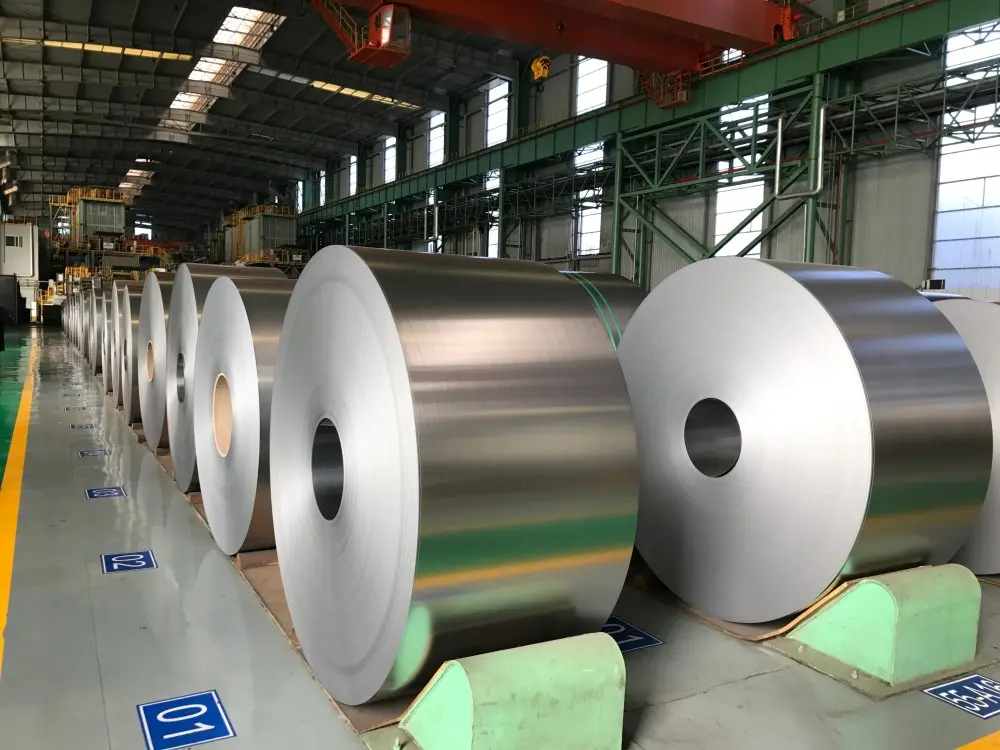
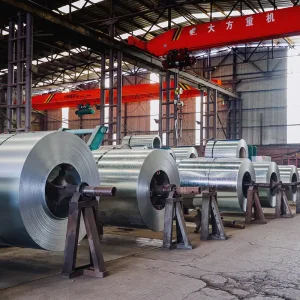
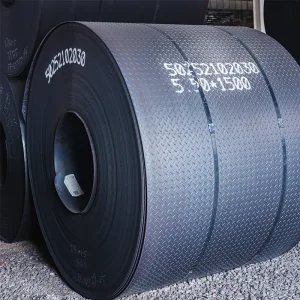
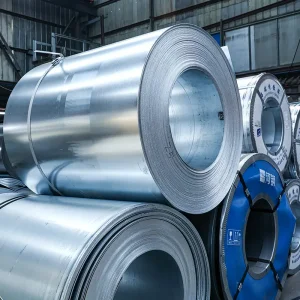
Being located directly at the center of China’s steel industry allows us to source hot-rolled, cold-rolled, and galvanized steel coils directly from major state mills. This direct sourcing eliminates domestic logistics delays and intermediate markup costs, ensuring price stability even during raw material fluctuations.

B. Scaled Manufacturing and Custom Tooling

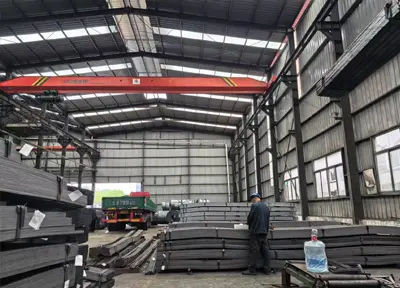
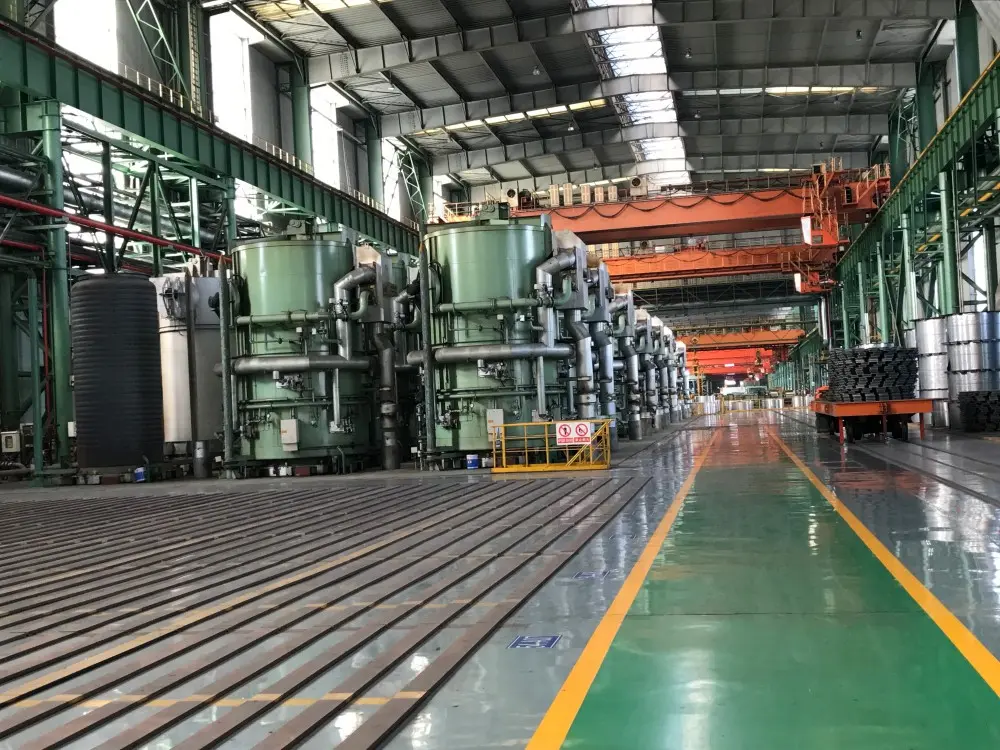
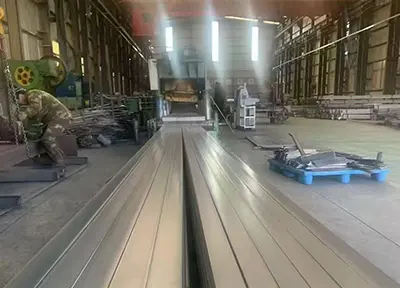
Our facility operates 8 high-performance production lines, generating an annual capacity of up to 650,000 metric tons. This allows us to handle large-scale commercial structural orders without compromising delivery times. Our automated roll-forming lines maintain tolerances of within ±1mm on length and ±0.5mm on width.

C. Rapid Global Logistics

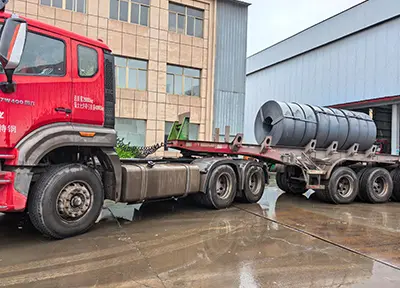
Located 150 kilometers from Tianjin Port, we can move containers from our factory floor to the seaport docks in under 4 hours. This proximity enables fast shipping container cycles, reduced demurrage costs, and consistent shipping schedules to the Americas, Europe, Australia, and the Middle East.
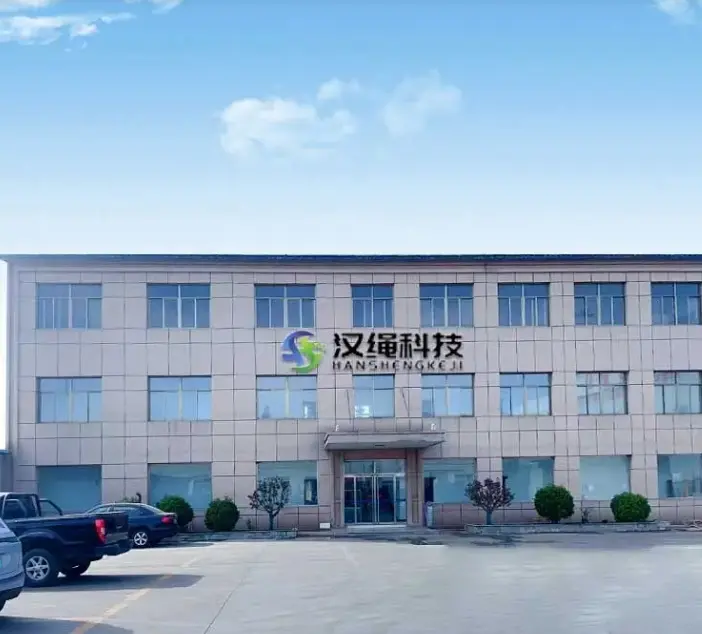
Hansheng Technology Facility

ABOUT HANSHENG TECHNOLOGY

Hansheng Technology (Hebei) Co., Ltd. is strategically situated in Tangshan City, Hebei Province—the heart of China’s steel industry. With a prime location just 150 kilometers from the Tianjin seaport and 150 kilometers from the capital, Beijing, we benefit from an exceptional logistics network that ensures efficient global shipping. Since our inception in 2006, we have evolved into a comprehensive, export-oriented enterprise specializing in the manufacturing of premium-quality steel products.

Driven by a commitment to supply chain excellence, competitive pricing, and professional service, our products have earned recognition across markets in the Middle East, Southeast Asia, North Asia, Africa, the Americas, and Europe. We operate under the philosophy of "honoring contracts and keeping promises." We value transparency and quality control, working closely with our clients to ensure long-term, mutual success.

8 Production Lines

High-efficiency automated lines running continuously.

Global Standards

Full compliance with GB, JIS, ASTM, DIN, EN, and AS/NZS.

Our Strategic Capabilities

Why Tier-1 construction contractors choose Hansheng Technology for high-stress structural requirements.

20 Years of Expertise

Established in 2006, our history provides the deep market knowledge and technical experience needed to navigate complex global standards.

High-Capacity Production

8 automated lines deliver up to 650,000 tons annually, ensuring on-time delivery for high-volume commercial needs.

Strategic Port Logistics

Located 150 km from Tianjin Port, enabling fast domestic distribution and sea shipping dispatch cycles.

Certified Compliance

ISO9001:2000 and ISO14001 certification. All products undergo physical load, thickness, and composition testing.

4. Localized Application Scenarios & Environmental Engineering

Scaffolding needs vary based on regional climates and site requirements. Hansheng design and surface treatments are optimized for several localized scenarios:

A. Coastal Marine & Offshore Projects (e.g., North Sea, Middle East Gulf, SE Asia)

Salt spray accelerates corrosion, causing rust on standard metal scaffolding within weeks. For these environments, we supply hot-dip galvanized planks with high zinc density (up to 85 microns) or Zinc-Aluminum-Magnesium (ZAM) coils. These coatings form a protective layer that limits zinc consumption and extends the system's service life.

B. High-Rise Concrete Construction (e.g., Dubai, Toronto, Chicago)

In high-rise developments, heavy winds can lift loose scaffolding elements. Our steel planks are designed with secure locking wind locks and end hooks that lock into the ledger pipes of Ringlock and Cuplock structures. The perforated surface profile allows air flow to pass through, reducing uplift forces.

C. Winter Infrastructure & Cold-Climate Operations (e.g., Canada, Northern Europe)

Ice and snow create slip hazards. The circular patterns on our steel boards incorporate high-clearance openings that allow ice to be crushed and drain through, maintaining traction. The low-temperature properties of our Q345B steel maintain impact toughness, preventing brittle fracture in freezing conditions.

5. Technical Road Map & the Future of Scaffolding Systems

Hansheng Technology invests in R&D to improve the safety and handling efficiency of scaffolding systems. Our development roadmap focuses on three areas:

  1. Ultra-High-Strength Steel (UHSS) Alloys: We are testing new alloy steels to reduce sheet thickness from 1.5mm to 1.2mm while maintaining structural load ratings. This lowers the weight of each board, reducing worker fatigue during installation.
  2. Integrated Asset Identification (RFID/QR): To assist scaffolding rental operations with tracking, we offer laser-engraved QR codes or embedded RFID tags. This allows digital tracking of inspections, maintenance, and asset locations.
  3. Eco-Friendly Coating Options: We are transitioning to low-emission galvanizing lines that reduce energy consumption and lead-free hot-dip setups to meet strict environmental requirements.

Modern Factory Operations & Facilities

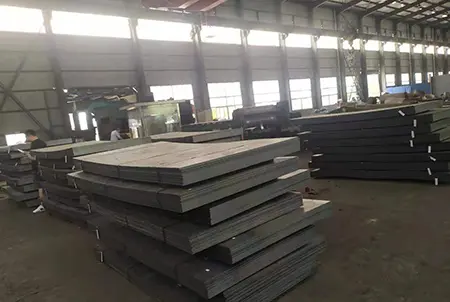
Automated manufacturing systems from steel coils to finished scaffold planks.
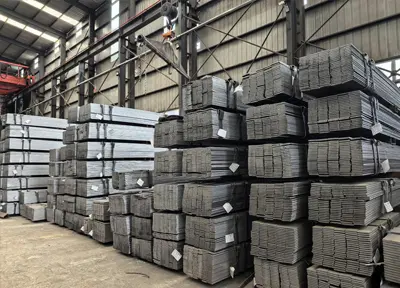
Factory Line 1
Hansheng Production Facility

Roll Forming Unit

Factory Line 2
Hansheng Production Facility

Stamping Operations

Factory Line 3
Hansheng Production Facility

Automated Welding

Factory Line 4
Hansheng Production Facility

Material Staging

Factory Line 5
Hansheng Production Facility

Profile Cutting

Factory Line 6
Hansheng Production Facility

Rigid Testing Bench

Factory Line 7
Hansheng Production Facility

Quality Assurance

Factory Line 8
Hansheng Production Facility

Inventory Dispatch

Global Customer Shipments Gallery

Traceable batch orders dispatched to international engineering companies and wholesale markets.
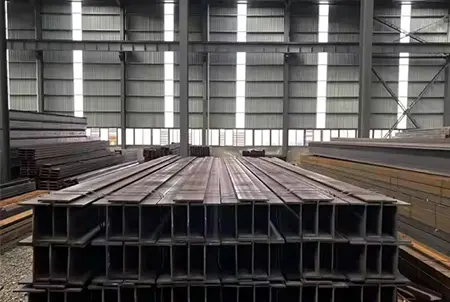
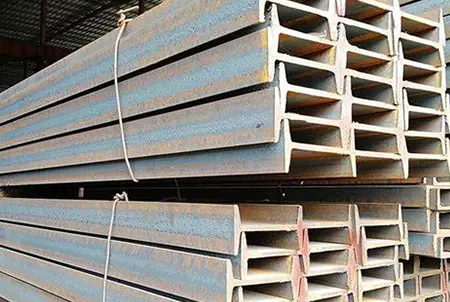
H beam to Dubai

H-Beam Batch to Dubai Construction Site

Steel plate to Saudi Arabia

Heavy Steel Plates to Saudi Arabian Refinery

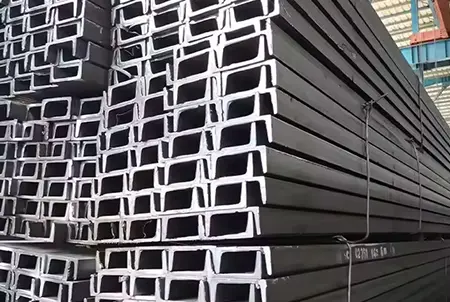
JIS Channel to South Korea

JIS Structural Channel to South Korea

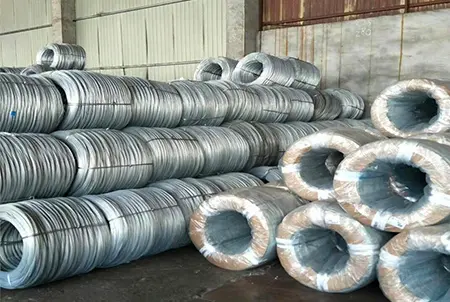
GI Wire to Florida

High-Tensile Galvanized Wire to Florida, USA

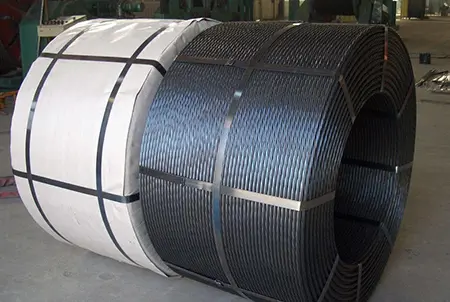
PC Strand to Philippines

Prestressed Concrete Strand to Philippines

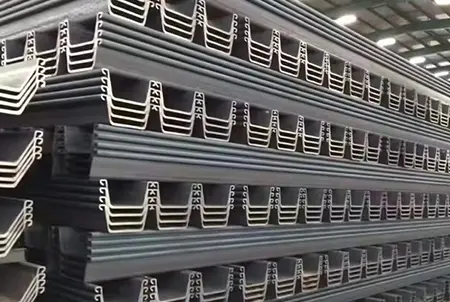
Sheet Pile to Indonesia

U-Type Foundation Sheet Piles to Indonesia

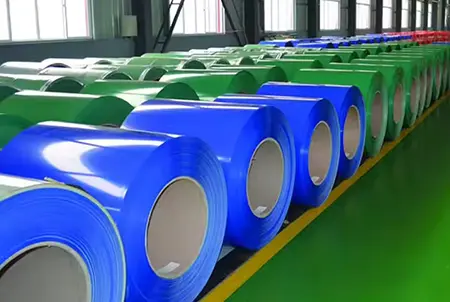
PPGI to Chile

Color Coated PPGI Coils to Santiago, Chile

IPEAA to Kuwait

IPEAA Carbon Beams to Shuaiba, Kuwait

Industrial Reference Case Studies

Structural products supplied for commercial and civil projects globally.
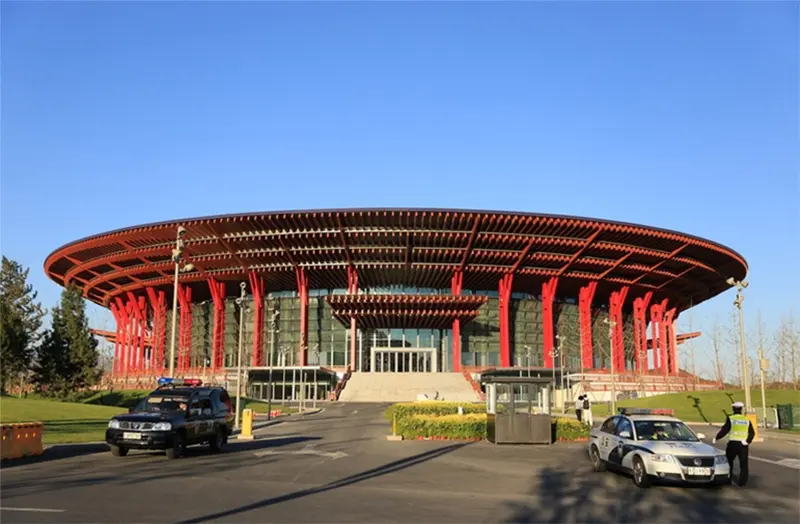
Beijing Yanxihu
CIVIL INFRASTRUCTURE

Beijing Yanxihu Convention Center

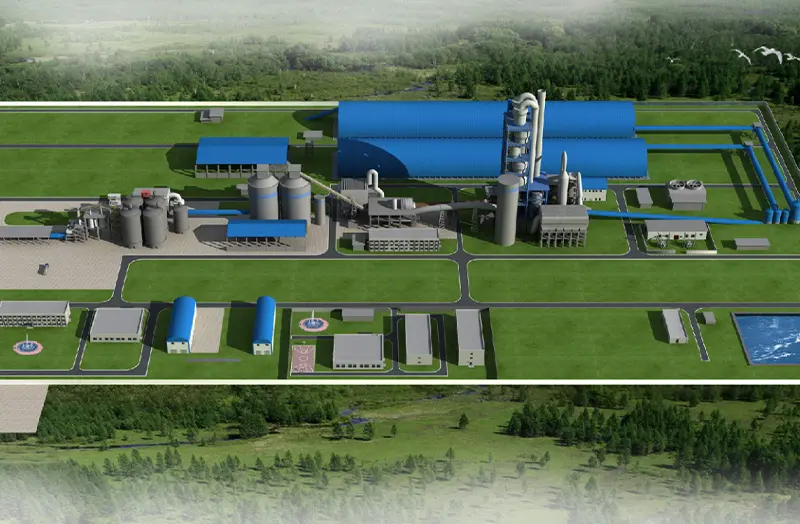
South Africa Mamba Cement
HEAVY INDUSTRIAL

Clinker Line, South Africa Mamba Cement

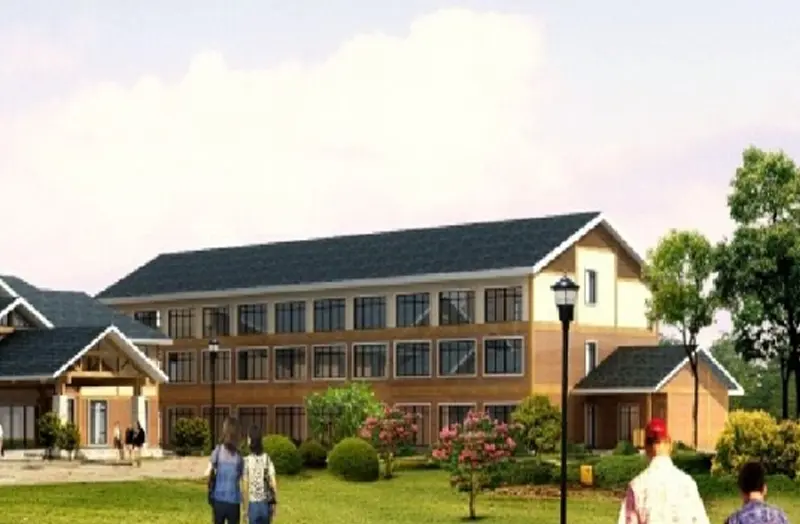
Modern Villa Canada
RESIDENTIAL DEVELOPMENT

Modern Residential Frameworks, Canada

Cooperative Mills Network

Integrating downstream production with primary steel processors.

Expert Procurement QA: Steel Scaffold Planks

Technical answers to common engineering, logistics, and quality assurance questions.

1. What are the key differences between Pre-Galvanized (GI) and Hot-Dip Galvanized (HDG) scaffold planks?
Pre-galvanized (GI) planks are manufactured from steel sheets that are galvanized before processing. This creates a smooth surface with a zinc coating weight of 120–275 g/m², suitable for standard outdoor conditions. Hot-Dip Galvanizing (HDG) involves fabricating the plank and then dipping the entire component into molten zinc. This process creates a thicker zinc coating (50–85 microns) that covers all edges and welds, offering enhanced corrosion resistance in marine, coastal, and chemical environments.
2. How is the load-bearing capacity of your scaffold boards certified?
Our scaffold planks are engineered to meet standards such as BS EN 12811-1, OSHA 1926 Subpart L, and AS/NZS 1577. We perform regular destructive testing, including three-point bending tests, to measure yield strength and deflection limits under span loads. Test documentation, certifying compliance with your region's safety factors, is provided with each delivery.
3. Can you customize the length, thickness, and profile of your planks?
Yes. Our roll-forming lines feature adjustable tools that allow us to fabricate custom lengths (typically between 1.0m and 4.0m) and varying sheet thicknesses (1.0mm to 2.0mm) to match specific system requirements. We can also modify end support details to interface with Ringlock, Cuplock, H-Frame, or Tube & Coupler systems.
4. What quality control steps are completed prior to shipment?
Our quality control protocols include:
  • Spectrochemical Analysis: Verification of raw coil steel grades (such as Q235B or Q355B).
  • Dimensional Inspection: Verification of thickness, width, length, flange height, and hole alignment.
  • Galvanization Testing: Measurement of zinc thickness using magnetic gauges.
  • Mechanical Checks: Bend and load deflection testing of sample boards from each production lot.
5. How does Hansheng manage container logistics to prevent damage during shipping?
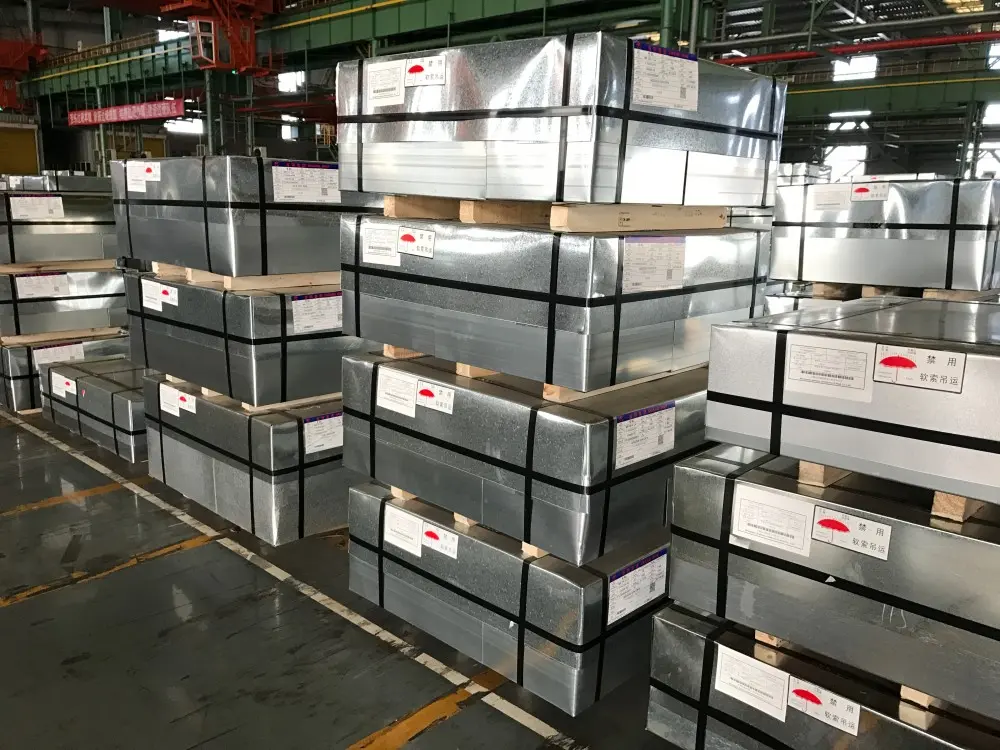
Planks are bundled using heavy-duty steel bands and fitted with edge protectors to prevent physical abrasion. These bundles are loaded onto wooden dunnage to allow easy unloading via forklift. We also apply anti-condensation materials inside containers to prevent wet-storage stain (white rust) during sea transport.
6. What is the typical lead time for a production batch?
For standard profile configurations, the production cycle ranges from 15 to 25 days after order confirmation. Custom tooling or specialized hot-dip galvanizing requirements may extend this by 7 to 10 days. Our proximity to Tianjin Port helps minimize delays once production is complete.