Direct supply from Hebei's advanced production lines. Global shipping compliance guaranteed.
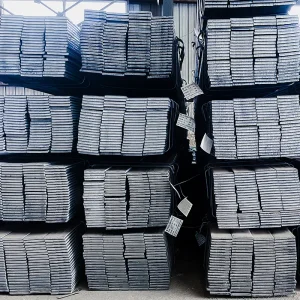
In modern industrial and structural engineering, carbon structural steel remains the absolute backbone of civil infrastructure, manufacturing platforms, and heavy logistics. Among the diverse portfolio of carbon structural profiles, the Q235 Low Carbon Steel Flat Bar occupies a position of global prominence due to its highly optimized balance of tensile properties, yield threshold, weldability, and raw cost-efficiency.
This technical white paper explores the fundamental chemistry, fabrication dynamics, localized deployment scenarios, and supply-chain logistics that govern the procurement of wholesale Q235 carbon steel flat bars. By evaluating current market dynamics, regional standard conversions, and manufacturing processes, B2B procurement managers can make highly informed, risk-adjusted decisions regarding their long-term bulk steel supply partnerships.
Understanding the exact elemental tolerances dictates how the alloy performs under dynamic load and welding conditions.
| Grade (Standard) | Carbon (C)% Max | Silicon (Si)% Max | Manganese (Mn)% Max | Phosphorus (P)% Max | Sulfur (S)% Max | Yield Strength (MPa) | Tensile Strength (MPa) |
|---|---|---|---|---|---|---|---|
| Q235 (GB/T 700) | 0.17 - 0.22 | 0.35 | 1.40 | 0.045 | 0.045 | ≥ 235 | 370 - 500 |
| A36 (ASTM A36) | 0.25 - 0.29 | 0.40 | 0.80 - 1.20 | 0.040 | 0.050 | ≥ 250 | 400 - 550 |
| S235JR (EN 10025) | 0.17 - 0.20 | 0.35 | 1.40 | 0.035 | 0.035 | ≥ 235 | 360 - 510 |
| SS400 (JIS G3101) | Not Specified | Not Specified | Not Specified | 0.050 | 0.050 | ≥ 245 | 400 - 510 |
The controlled Carbon percentage (under 0.22%) is critical. It determines the high weldability index of Q235, which minimizes the probability of micro-cracking and brittleness near localized heat-affected zones (HAZ). Unlike higher carbon spring steels, Q235 structural flat bars do not require pre-heating or post-weld thermal stress relief, which represents a massive labor and energy saving in large-scale structural assembly projects.
Preserving original manufacturing data and logistics configurations with zero data loss.
Hansheng Technology (Hebei) Co., Ltd. is strategically situated in Tangshan City, Hebei Province—the heart of China’s steel industry. With a prime location just 150 kilometers from the Tianjin seaport and 150 kilometers from the capital, Beijing, we benefit from an exceptional logistics network that ensures efficient global shipping. Since our inception in 2006, we have evolved into a comprehensive, export-oriented enterprise specializing in the manufacturing of premium-quality steel products.
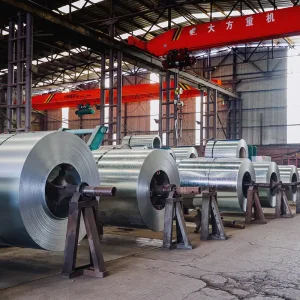
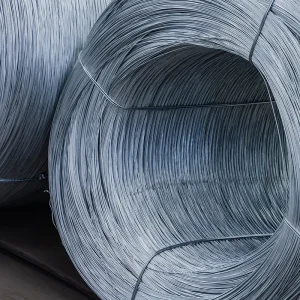
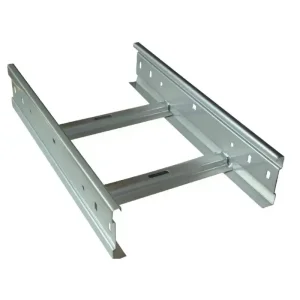
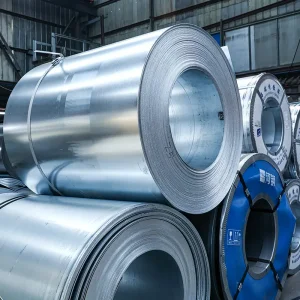
Our core operation utilizes 8 high-efficiency production lines with a total annual capacity scaling up to 650,000 metric tons. Our extensive product portfolio includes Galvanized Steel Wire, Hot/Cold Rolled Steel Coils and Sheets, GI/PPGI, GL/PPGL, and various Section Steels, all meticulously manufactured to adhere to rigorous international standards such as GB, JIS, ASTM, DIN, EN, and AS/NZS. Driven by a commitment to supply chain excellence, competitive pricing, and professional service, our products have earned unanimous recognition across markets in the Middle East, Southeast Asia, North Asia, Africa, the Americas, and Europe.
How dynamic industries globally configure Q235 low carbon flat profiles for regional projects.
In North America and Europe, hot-dip galvanized Q235 flat bars are widely cut, punched, and welded to serve as core ground pile stabilizers and bracing brackets for utility-scale photovoltaic tracking systems. The material handles extreme environmental elements while minimizing total capital expenditure.
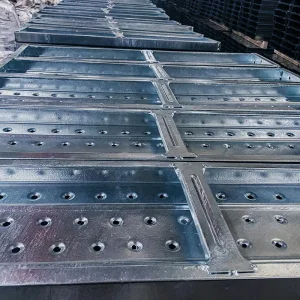
Used broadly across South East Asia and the Middle East as horizontal base plates, joint connectors, and scaffolding boards. Its high flexibility enables it to bend without fracturing under structural strain, forming a reliable anchor for complex high-rise framework assemblies.
Within regional manufacturing hubs, cold-drawn Q235 bars are punched and shaped into non-structural body brackets, engine mounts, and protective bumper panels where high formability and mechanical dependability are simultaneously required.
In coastal shipyards and deepwater ports, steel flat bars are utilized to fabricate structural stiffeners for ship hulls, mooring system frames, and harbor walkways. The low carbon content facilitates heavy-duty welding processes while allowing custom anti-corrosive coatings—such as high-build epoxy or thermal spray aluminum—to adhere perfectly to the steel substrate.
The global steel industry is undergoing a systemic transition toward lower carbon footprints and precision tolerances.
The manufacturing process of low carbon structural steel is evolving rapidly. While traditional blast-furnace/basic-oxygen-furnace (BF-BOF) pathways remain dominant due to sheer cost-efficiency, modern mills are integrating Electric Arc Furnace (EAF) recycling systems. EAF-processed Q235 utilizes recycled steel scrap, cutting the carbon intensity per ton of finished flat bar by up to 60%.
Furthermore, advanced dimensional tolerance control systems are being deployed. By utilizing laser-guided roll positioning and computerized thermal monitoring during hot rolling, manufacturers can now consistently achieve dimensional tolerances well within +/- 0.15mm. This enables seamless automatic feeding into CNC plasma cutters, robotic welding units, and automated punching machines without operational hiccups.
Tangshan accounts for roughly 10% of total global raw steel output, providing an unparalleled supply cluster.
Direct access to local coking coal mines, iron ore logistics hubs, and blast-furnace operations ensures zero internal shipping delay for billets, translating into stable lead times and insulated market pricing.
Located just 150 kilometers from Tianjin Port—the main shipping gateway for Northern China. This facilitates immediate container loading, bulk vessel charters, and streamlined customs clearance operations.
Integration of physical testing protocols including spectrometer elemental tests, tensile pull tests, and surface bend tests ensures ISO 9001 compliance and strict adherence to project specifications.
Proof of delivery to landmark architectural and industrial infrastructure globally.
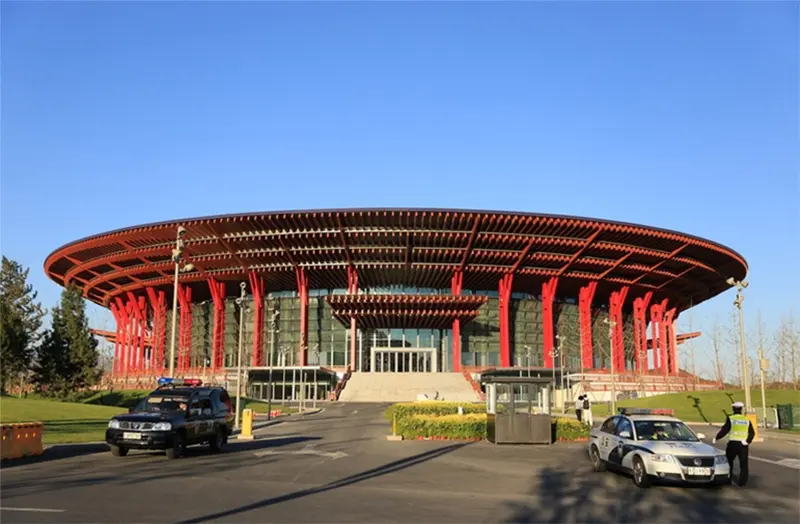
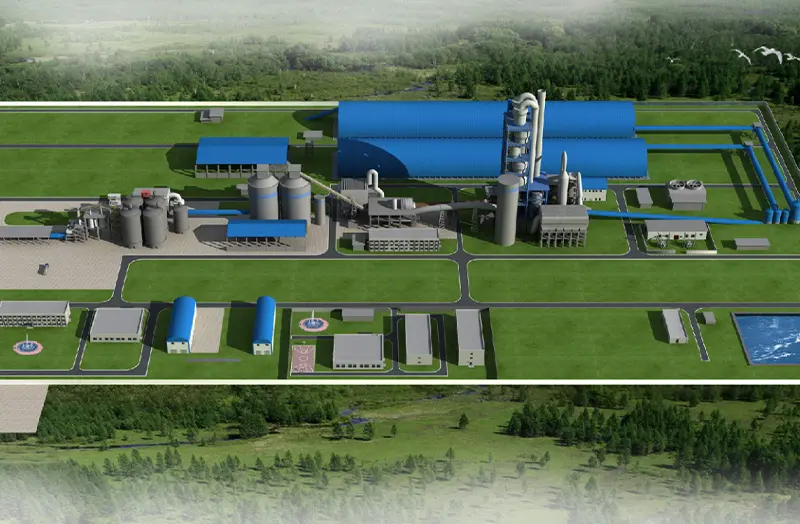
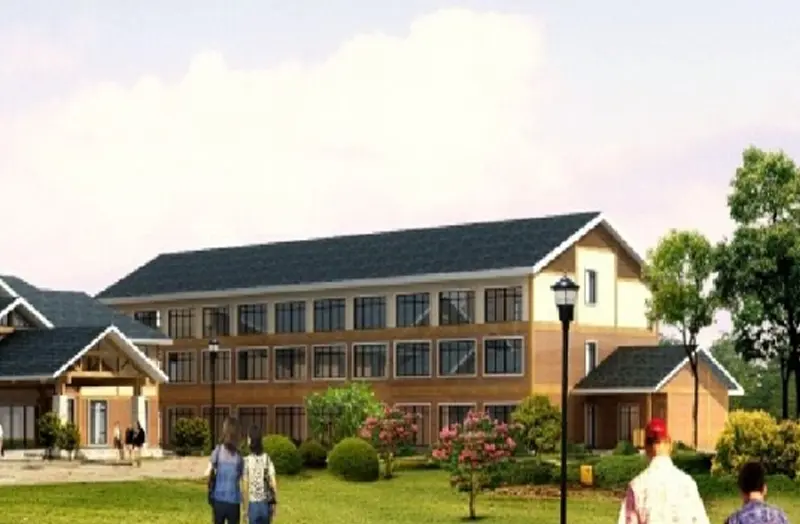
Operating a rigorous pre-shipment testing methodology to meet standard mechanical code requirements globally.
A primary challenge for procurement managers importing Chinese steel is ensuring that regional structural codes (such as EN 10025, ASTM A6, or AS/NZS 3679) are completely met. Our testing laboratory performs certified examinations for each manufactured batch before packing and container loading:
Direct answers regarding Q235 flat bar specifications, logistics, surface finishes, and payment protocols.
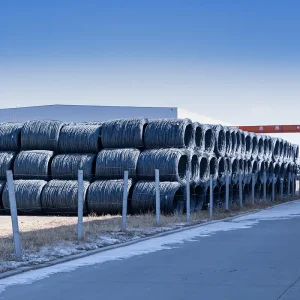
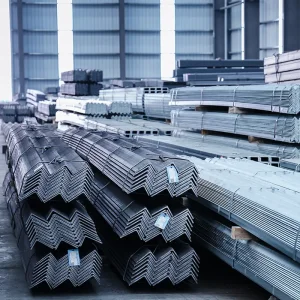
Complete structural solutions from our 8 high-capacity production lines.
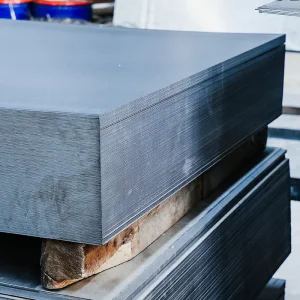
 Hanshen