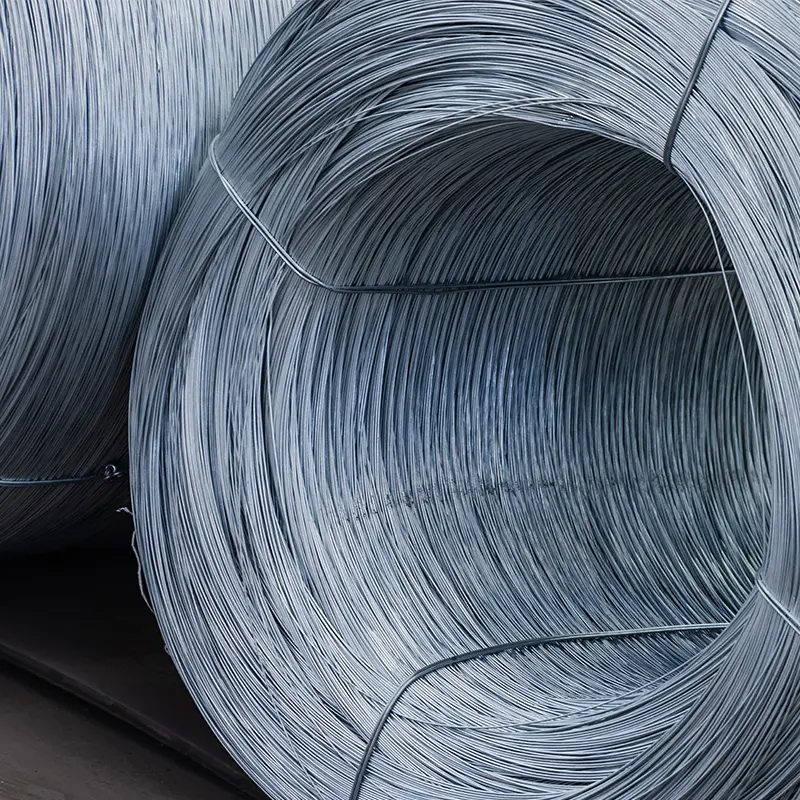
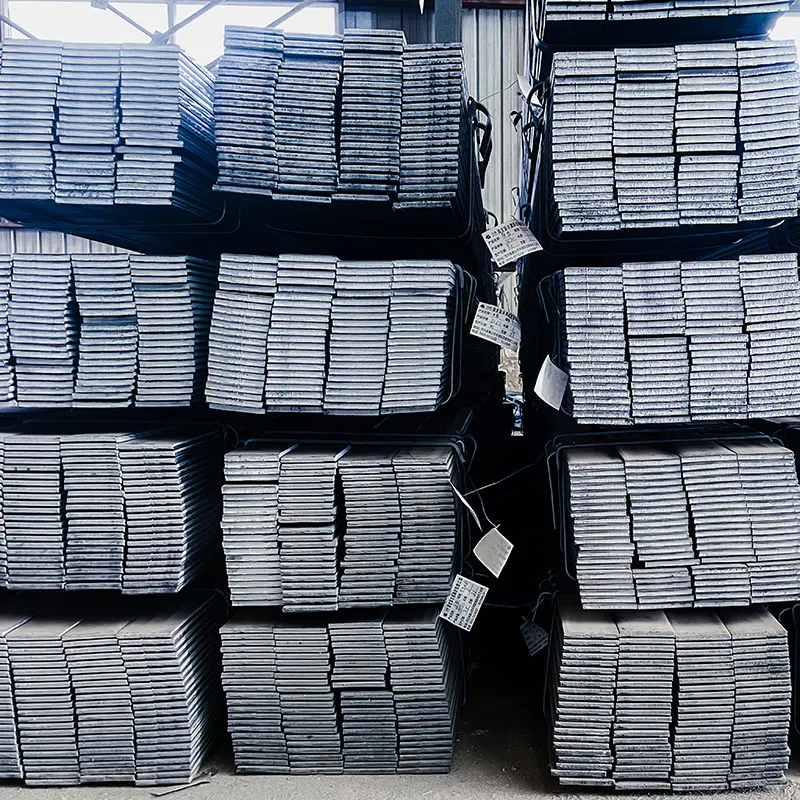
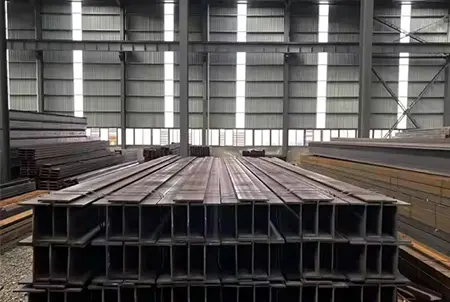
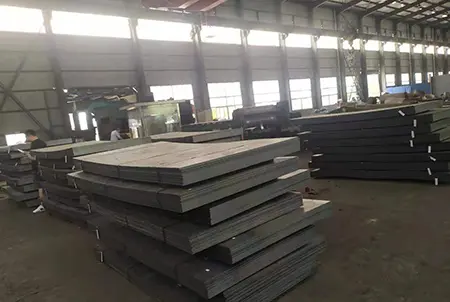
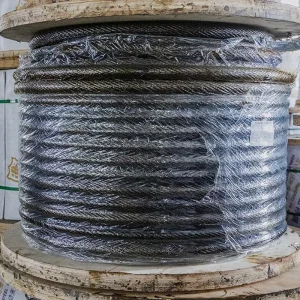
Explore our top-tier catalog of precision-engineered structural steels, spring bars, and high-tensile wire rods trusted by industrial enterprises globally.
In heavy industrial operations, the safety, longevity, and mechanical integrity of lifting wire ropes are paramount. Modern rigging applications—ranging from port container cranes and deep-shaft mining winches to offshore oil derricks and urban skyscrapers—demand wire ropes that can withstand high stress, constant friction, and volatile weather. Steel wire ropes engineered for rigging applications are no longer mere hardware; they are highly specialized safety-critical systems.
Globally, the market is undergoing a transition. Industrial developers are shifting from standard-carbon wire ropes to advanced alloy configurations, specifically those treated with zinc-aluminum-magnesium coatings and enhanced synthetic cores. This shift is driven by a focus on reducing downtime, preventing premature line failures, and extending service life in marine or highly acidic environments. With procurement teams demanding verifiable safety factors (often 5:1 or higher for standard hoisting, and 10:1 for personnel transport), selecting a reliable supplier has become a strategic priority.
Furthermore, regulatory bodies worldwide—such as OSHA in the United States, the EN standards in Europe, and the JIS framework in East Asia—have intensified field inspection parameters. Wire ropes must demonstrate exceptional structural stability, resistance to rotation under high loads, and high fatigue limits. For large-scale projects, sourcing directly from audited factories that combine massive production scale with advanced testing protocols is essential to guarantee operational continuity and safety compliance.
| Parameters | Standard Specifications |
|---|---|
| Tensile Strength Grades | 1770 N/mm², 1960 N/mm², 2160 N/mm² |
| Core Types Available | IWRC (Independent Wire Rope Core), FC (Fiber Core) |
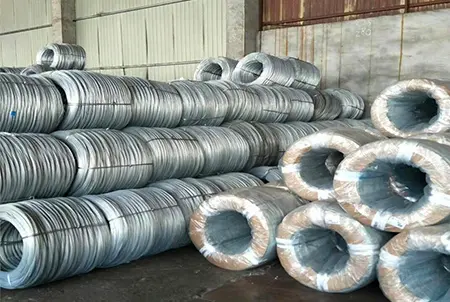
| Coating Options | Bright, Electro-Galvanized, Hot-Dip Galvanized, ZAM Alloy |
| Compliance Standards | ISO, ASTM, EN, DIN, JIS, GB |
| Safety Factor Range | 5:1 to 10:1 (Depending on Code & Load Type) |
Discover how geographic synergy, advanced steel mill partnerships, and robust manufacturing lines translate into unmatched procurement efficiency.
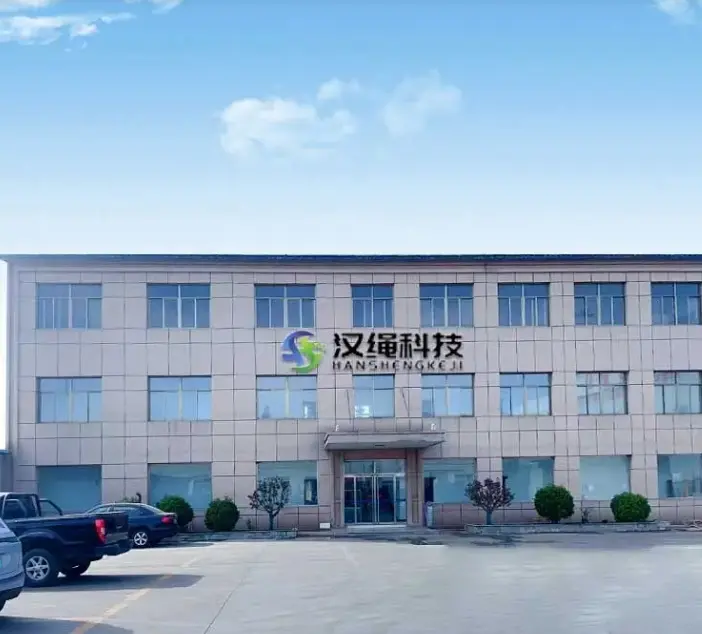
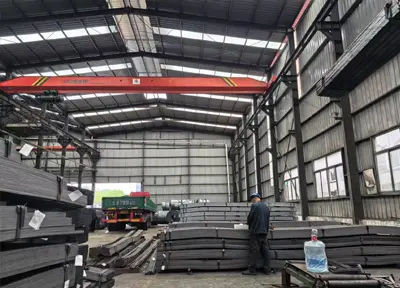
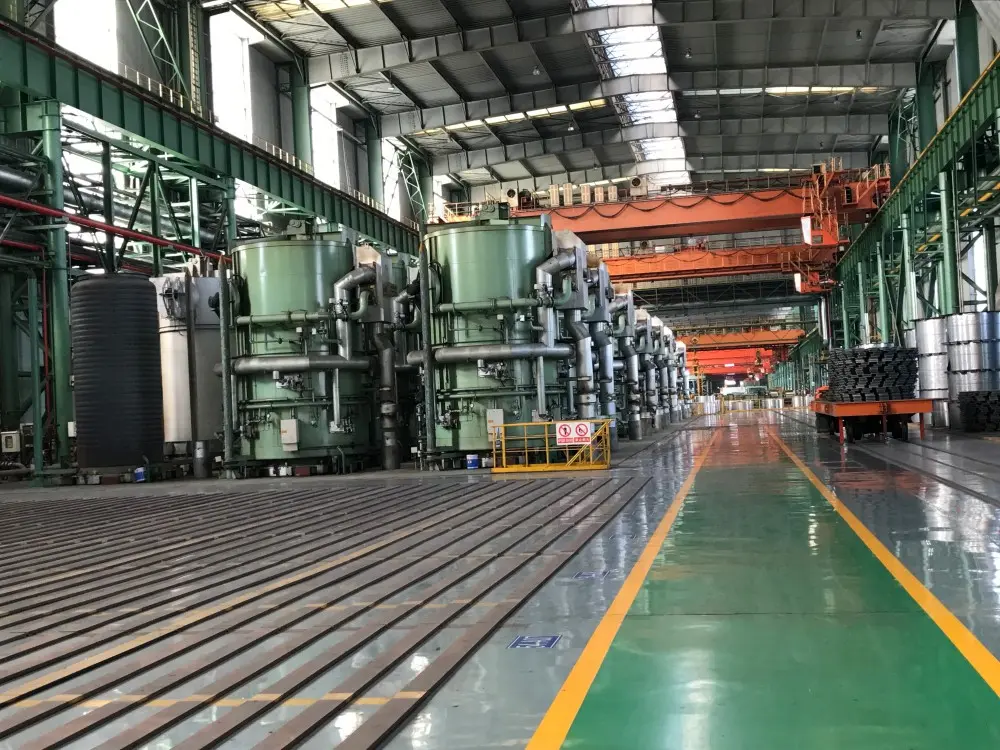
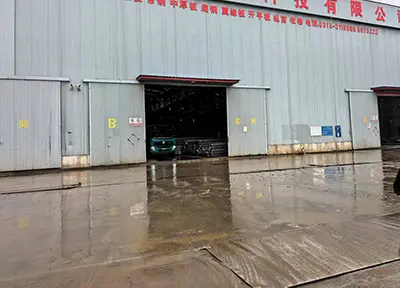
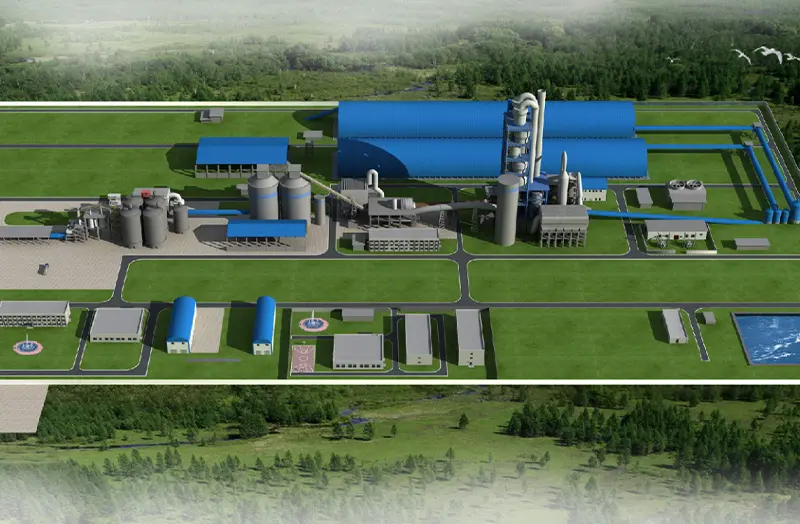
Established in 2006, Hansheng Technology (Hebei) Co., Ltd. is strategically located in Tangshan City, Hebei Province—the heartland of China's primary steel production. This geographic positioning offers a significant logistical advantage: we are situated just 150 kilometers from the Tianjin seaport and 150 kilometers from Beijing. Our facility has direct access to high-grade raw wire rods, reducing inland transportation costs and allowing us to pass those savings on to our clients.
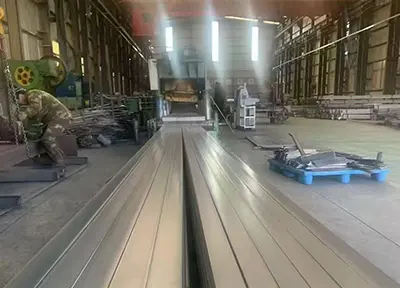
By working with a network of premium domestic steel mills, we secure consistent raw materials that meet strict international metallurgical tolerances. Our facility runs 8 advanced, high-efficiency production lines with an annual output capacity of 300,000 metric tons. This setup allows us to process high-volume bulk orders within short lead times, keeping projects on schedule.
Quality control is central to our operations. Every batch of lifting wire ropes undergoes rigorous pre-shipment testing, including tensile strength tests, bending trials, fatigue checks, and galvanization thickness measurements. Our products comply with multiple global standards—including JIS, ASTM, EN, DIN, and AS/NZS—ensuring they are ready for deployment in challenging environments.
Founded in 2006, we have spent nearly two decades refining our processes, understanding international trade requirements, and keeping pace with changing industrial standards.
Equipped with 8 state-of-the-art production lines, we maintain a robust output of up to 650,000 tons of steel products annually, providing a stable supply for large scale buyers.
We maintain ISO9001 and ISO14001 certifications. Our quality control team inspects every production run, issuing certified testing reports prior to shipment.
From marine shipping lanes to deep underground mining shafts, our lifting wire ropes deliver reliability where it matters most.
Gantry cranes require high fatigue resistance due to constant lifting cycles. Our wire ropes are engineered to handle continuous spooling and unspooling, minimizing wear and extending service life in busy port environments.
Deep-shaft mining demands wire ropes with high breaking strength and minimal stretch. Our rotation-resistant designs prevent load spinning during deep vertical lifts, enhancing safety for personnel and equipment.
From lifting steel scaffolding to positioning precast concrete panels, construction sites rely on durable rigging. Our wire ropes resist abrasion and structural crushing under load, keeping site operations running smoothly.
Saltwater accelerates corrosion, leading to premature rope degradation. Our hot-dip galvanized and ZAM-coated steel wire ropes provide long-lasting defense against rust, ensuring reliable performance in offshore installations.
Our engineering and quality control procedures align with global regulatory frameworks to deliver safety and consistency.
When purchasing bulk lifting wire rope, ensuring international code compliance is critical. We produce steel wire ropes that meet or exceed global standards, making them suitable for infrastructure projects around the world.
Our in-house laboratories run continuous tests on every production batch. We perform break tests, bend tests, salt spray exposures, and chemical composition checks to ensure that the steel we use contains the proper levels of carbon, manganese, and silicon. This testing guarantees consistent tensile strength, ductility, and corrosion resistance.
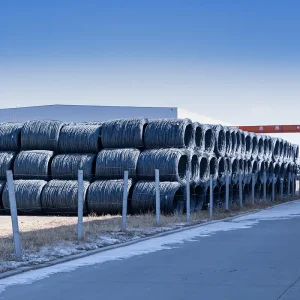
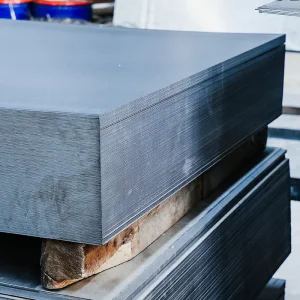
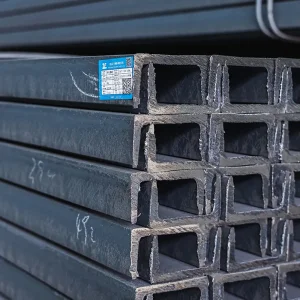
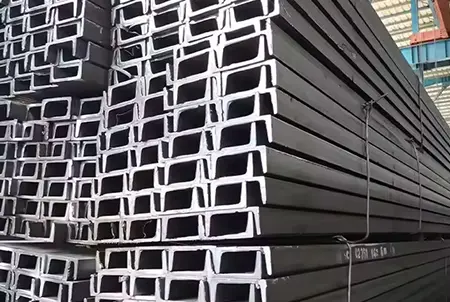
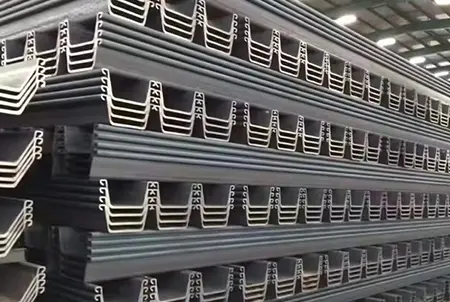
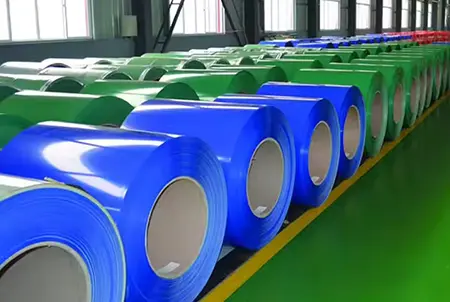
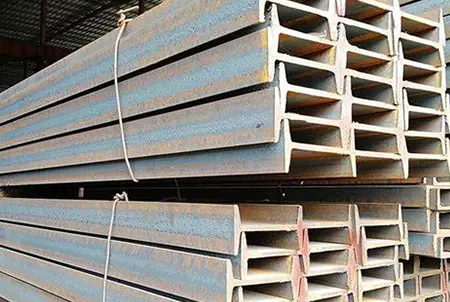
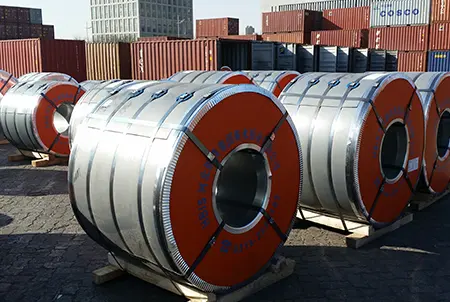
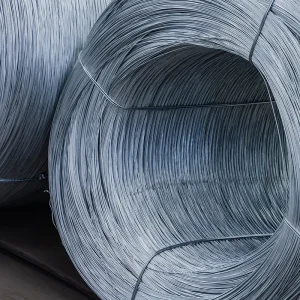
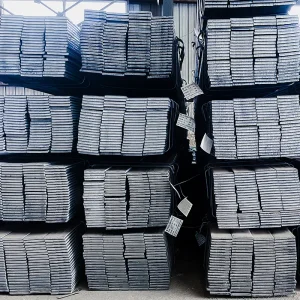
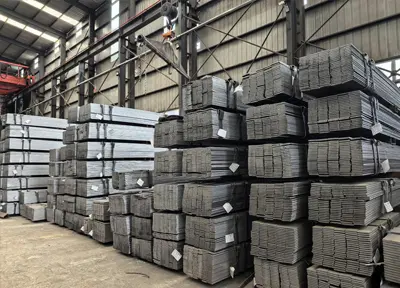
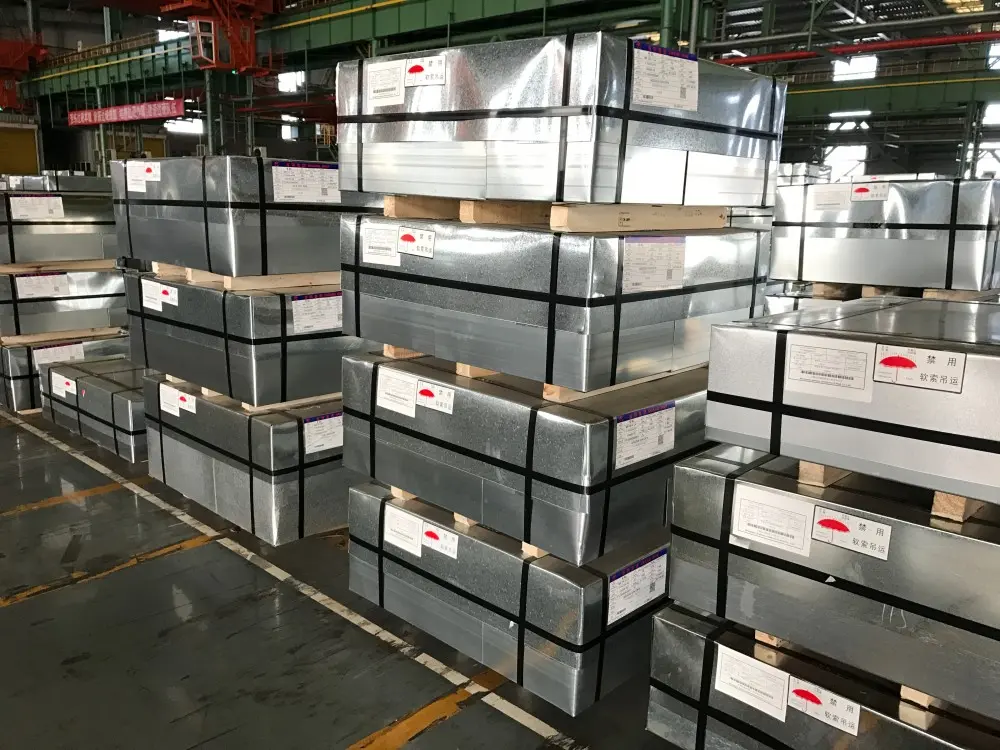
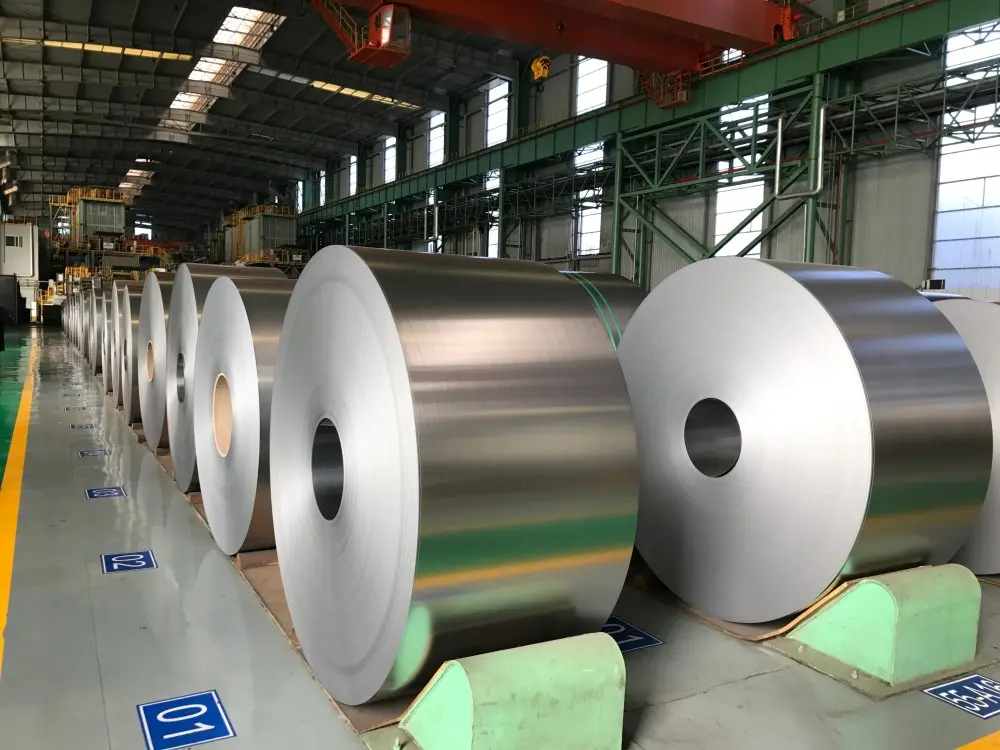
From galvanized wire to specialized flat bars and structural sections, we manufacture products designed for heavy industry.
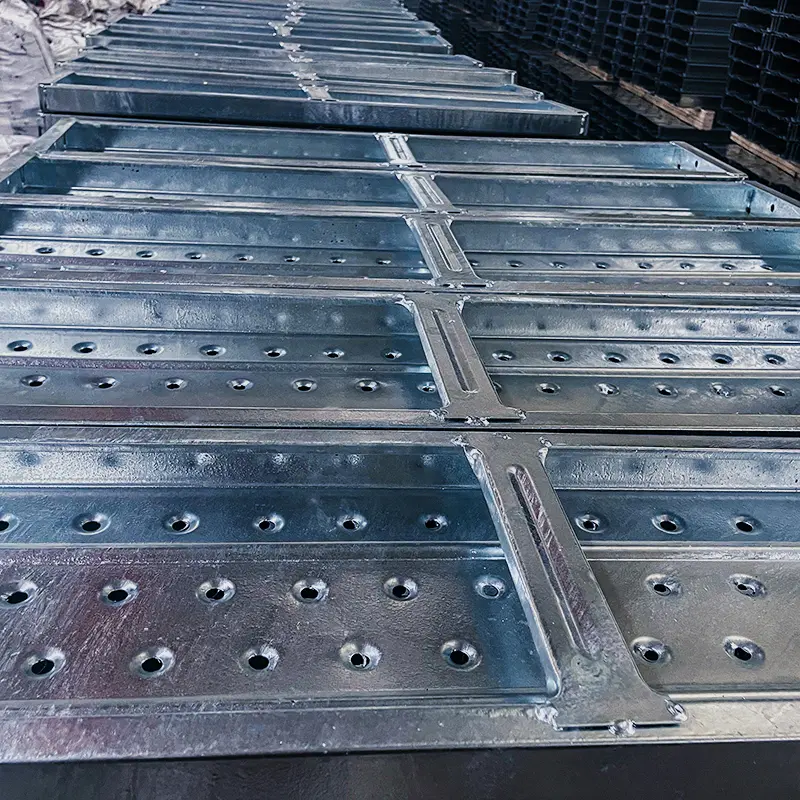
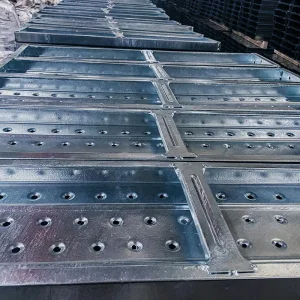
Steel Plank / Scaffolding
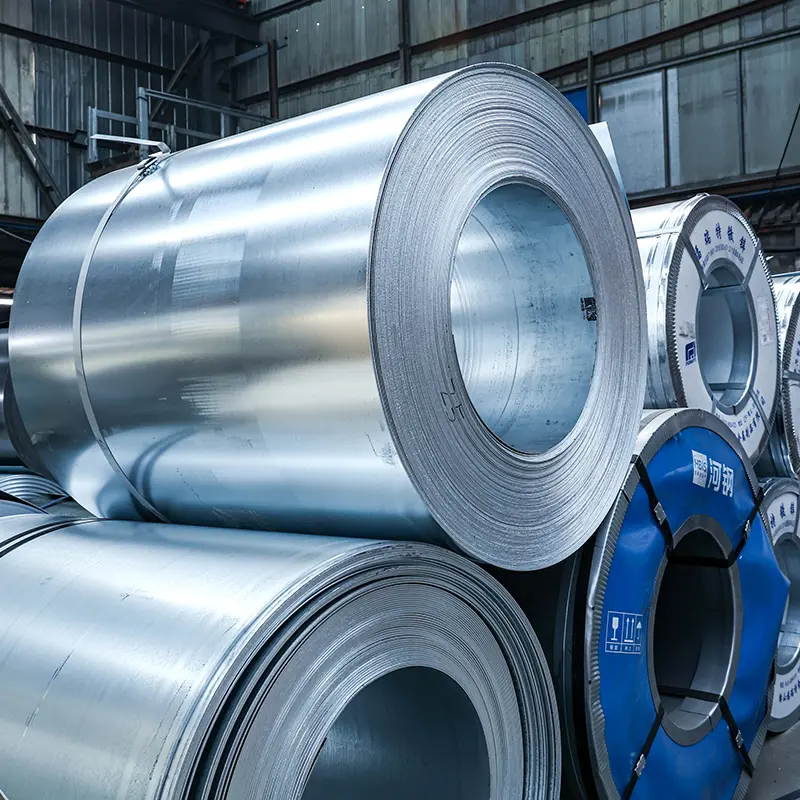
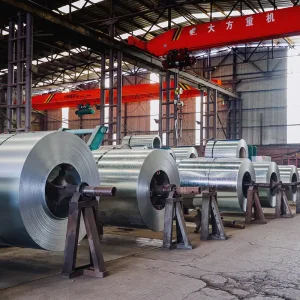
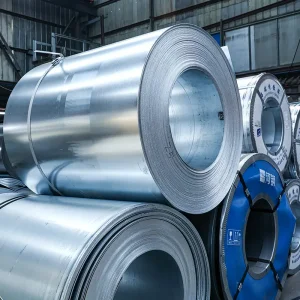
GI Coil / Sheet
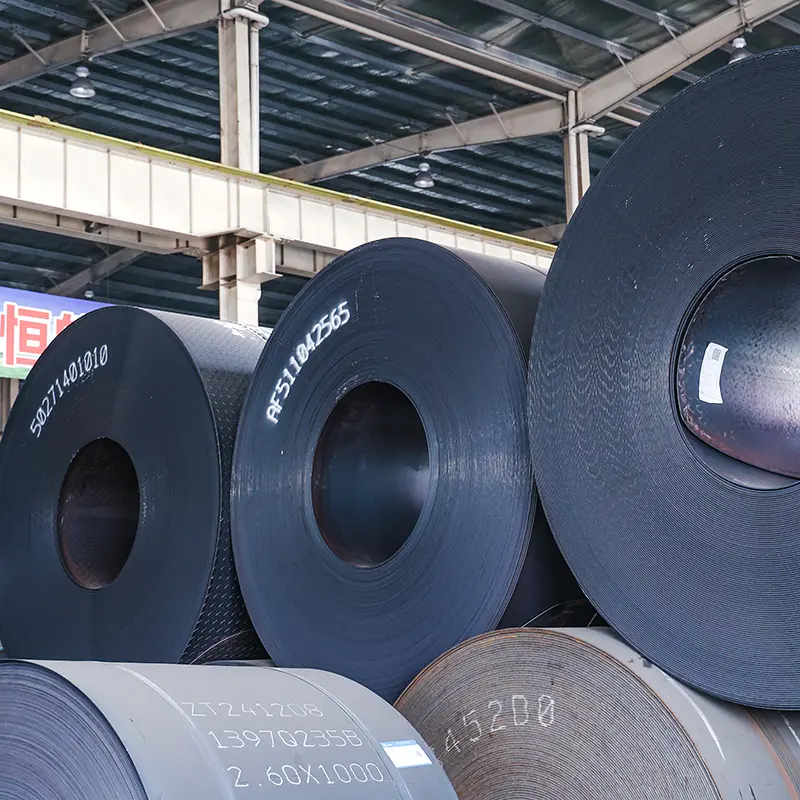
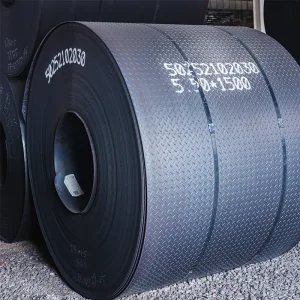
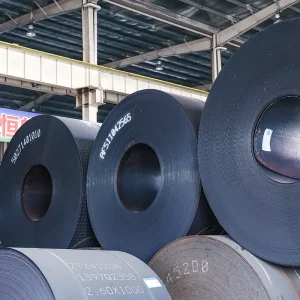
HR Coil / Sheet / Plate
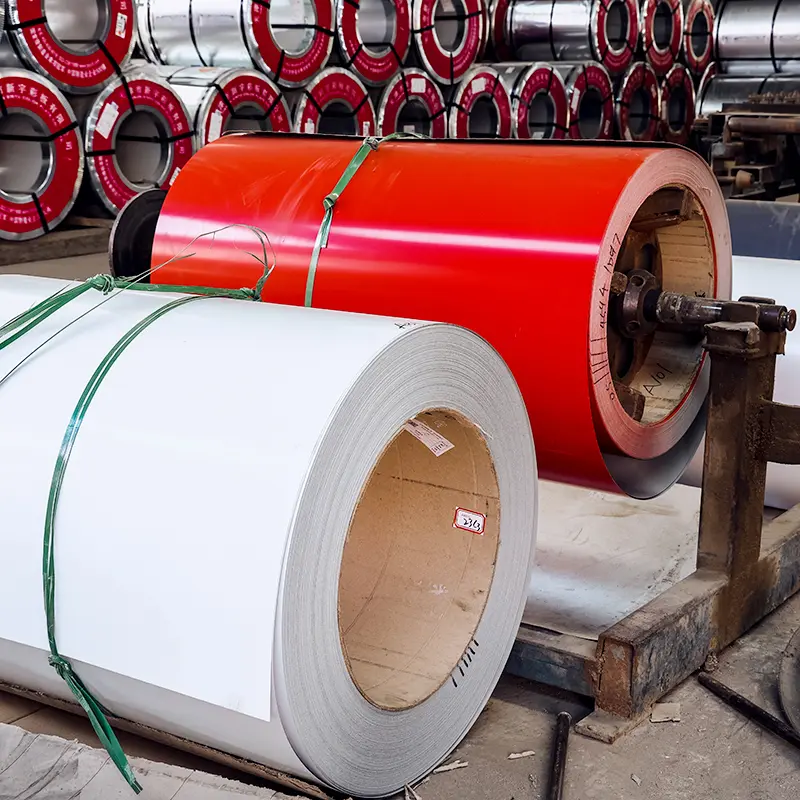
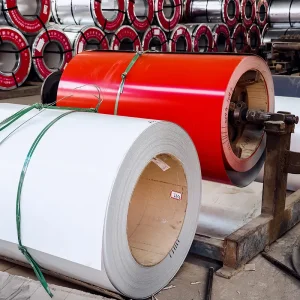
PPGI / PPGL Coils
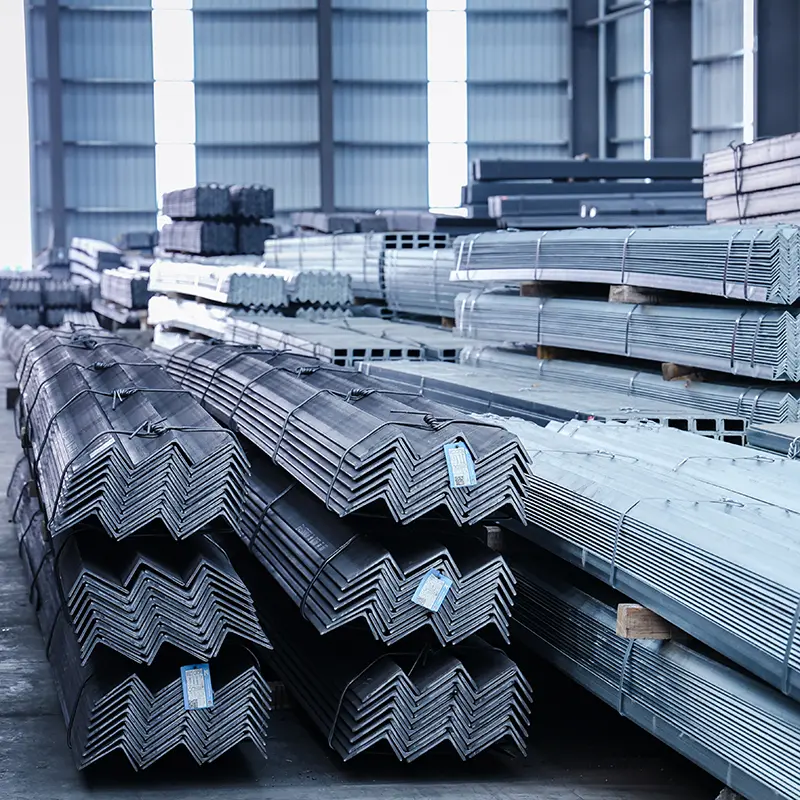
Tube / Pipe Steel
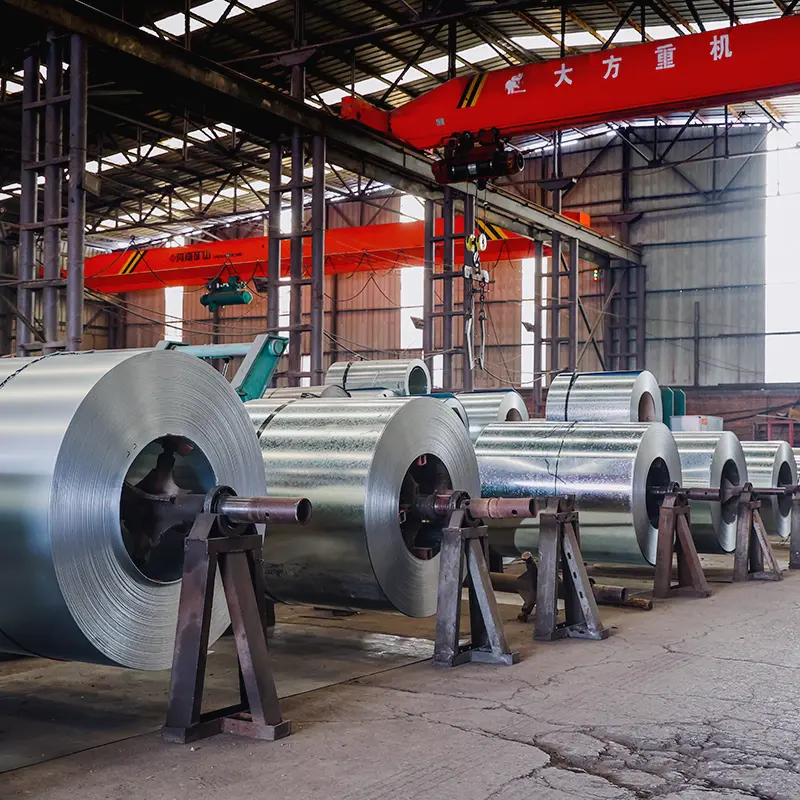
ZAM (Zinc-Alum-Mag)
We export to regions across the Middle East, Europe, North America, Southeast Asia, and Africa, maintaining a reliable delivery record.

A detailed look at lay patterns, core configurations, and safety margins for engineering teams and procurement specialists.
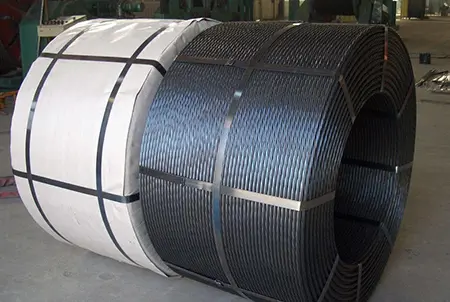
The core supports the outer strands under load. An Independent Wire Rope Core (IWRC) provides a steel center that resists crushing, retains its round shape under load, and offers high breaking strength. It is recommended for multi-layer drum spooling and high-heat environments. A Fiber Core (FC), made from natural or synthetic fibers, offers greater flexibility and serves as a reservoir for lubrication, though it has lower tensile strength and is more susceptible to crushing.
In Ordinary Lay (Regular Lay), the wires in the strands run in the opposite direction to the strands themselves, providing stability and resistance to rotation. In Lang Lay, the wires and strands run in the same direction, which increases flexibility and wear resistance but makes the rope more prone to rotation. Lang Lay should only be used when both ends of the rope are fixed to prevent twisting.
Rigging applications require strict adherence to design factors (the ratio of minimum breaking force to working load limit). While standard cargo lifts use a safety factor of 5:1, dynamic applications may require higher margins. According to ISO 4309, a wire rope must be retired if it shows a specific number of broken wires, significant diameter reduction, localized corrosion, or heat damage.
"Choosing the correct lay configuration reduces friction and extends the service life of both the wire rope and the crane sheave."
Answers to common technical and procurement questions from rigging engineers, safety managers, and purchasing officers.
Hot-dip galvanization involves passing the steel wire through a molten bath of zinc, creating a thick, metallurgically bonded layer (typically over 50-80 µm) that offers long-lasting corrosion resistance in marine and industrial environments. Electro-galvanization uses electroplating to apply a thinner, smoother zinc layer, which is suitable for indoor applications or light duty where flexibility and precise dimensions are the priority.
The D/d ratio (where 'D' is the diameter of the sheave or drum, and 'd' is the nominal diameter of the wire rope) directly impacts the bending fatigue of the rope. A smaller sheave diameter increases bending stress and accelerates wire fatigue. For heavy-duty rigging applications, maintaining a high D/d ratio (e.g., 20:1 to 30:1) helps prevent premature strand cracking and extends the rope's service life.
Rotation-resistant wire ropes consist of an inner core laid in one direction and outer strands laid in the opposite direction. When a load is applied, the rotational tendencies of the core and outer strands counteract each other. These ropes are recommended for single-line high lifts, crane hoisting, or any application where load spinning presents a safety hazard.
We follow a structured quality control workflow: raw wire rods are inspected upon arrival from the partner mill; tension and strand consistency are monitored in real time during drawing and twisting; and each finished batch undergoes destructive break tests in our laboratory. Mill test certificates (MTC) and third-party inspection certificates can be provided upon request.
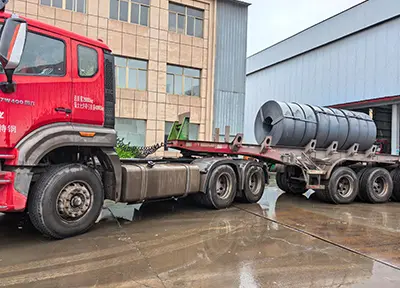
Located 150 kilometers from the Tianjin seaport, we can move containers to the port terminals quickly. The typical production lead time is 20 to 30 days depending on order size and customization. Transit times by sea vary: 15-20 days to the Middle East and Southeast Asia, 30-40 days to European main ports, and 35-45 days to North America and South America.
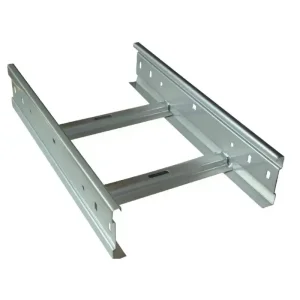
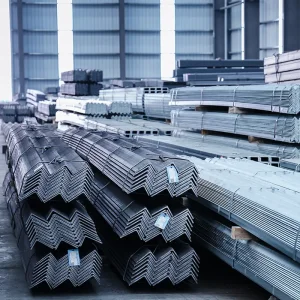
Complete your structural projects with our selection of industrial angle steels, galvanized sheets, and heavy-duty cable management systems.
 Hanshen