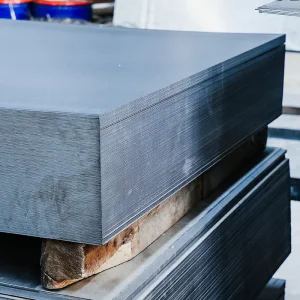
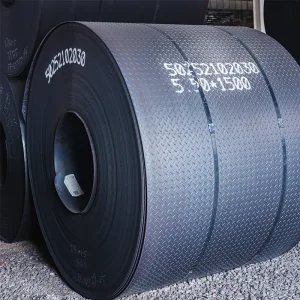
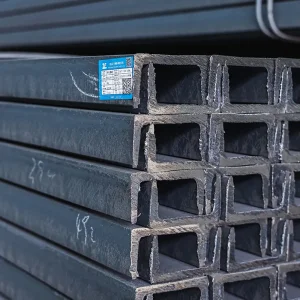
Explore our premium grade steel materials directly from the Tangshan manufacturing base.
In heavy-duty rigging and material handling, the selection of the correct lifting steel wire rope configuration determines both operational efficiency and site safety. Modern Lifting Steel Wire Ropes are complex structural systems comprising individual high-carbon steel wires laid helically around a central core to form strands, which in turn are wrapped around a central member.
To achieve optimal performance under cyclic tension and multi-axial bending stresses, mechanical engineers must assess core constructions. The two primary types of cores are Fiber Cores (FC), which offer greater elasticity and cushioning, and Independent Wire Rope Cores (IWRC), which deliver maximum structural density and resistance to crushing under high fleet angles and drum pressure.
From an metallurgical perspective, the tensile strength of modern rigging wires typically ranges from 1770 N/mm² to 2160 N/mm². High strength allows for smaller rope diameters, which reduces the overall footprint and weight of sheaves, winch drums, and structural framing.
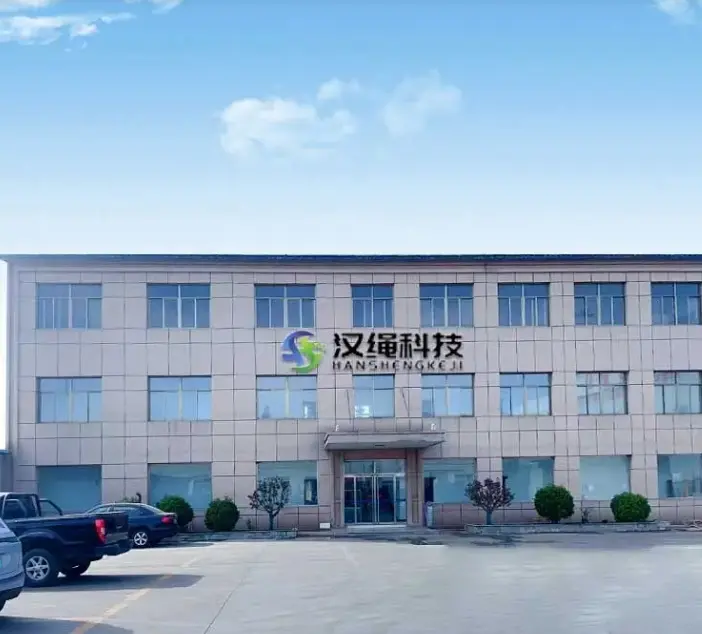
Our advanced industrial footprint in Tangshan City, Hebei Province enables competitive, scale-intensive production lines conforming to international safety standards.
China represents the largest global producer of high-tensile wire rope products, driven by comprehensive industrial ecosystems that control production from raw iron ore extraction through to advanced wire drawing and stranding.
Hebei Province & Tangshan Logistics Cluster: Located at the absolute core of China's steel manufacturing industry, factories in Tangshan benefit from immediate access to liquid steel and raw wire rod production. This integration eliminates long-distance transport costs for hot-rolled precision wire rods, protecting raw materials from environmental degradation prior to cold drawing.
Economic Efficiencies & Supply Integrity: Because Chinese manufacturers operate at massive scales, they can absorb raw material price volatility. With local deep-water maritime channels like Tianjin Seaport located just 150 km away, bulk cargo and containerized shipments can be dispatched to global hubs in Europe, the Americas, and the Middle East with minimal overland lead times.
Modern Machinery & Technology: Modern factories are no longer reliant on legacy manual drawing blocks. The current generation of Chinese wire rope plants uses straight-line, PLC-controlled drawing machines with built-in water cooling systems. This avoids thermal stress build-up in high-carbon steel wires, preserving the essential grain microstructure (pearlite) required to maximize fatigue life.
For enterprise procurement, selecting a wire rope requires identifying specific physical and structural properties. The table below outlines the mechanical attributes of common structural configurations used for crane hoisting, structural rigging, and marine winches:
| Rope Construction Class | Core Type | Nominal Tensile Strength (N/mm²) | Fatigue & Bending Resistance | Primary Industrial Applications |
|---|---|---|---|---|
| 6x19 (Standard) | FC / IWRC | 1770 / 1960 | Moderate | General engineering slings, anchoring, static rigging, short lifts. |
| 6x36 (Flexible) | IWRC | 1770 / 1960 / 2160 | High | Overhead cranes, harbor container gantry hoists, deep shaft mining. |
| 19x7 (Rotation-Resistant) | Steel Core | 1870 / 2160 | High | Single-part line hoist, tower cranes, offshore cranes. |
| 35x7 (Compacted Multi-strand) | IWRC (Rotation Resistant) | 1960 / 2160 | Excellent | High-lift mobile cranes, piling rigs, offshore winches. |
The helical layout direction of the wires in a strand relative to the strand's own lay direction dictates the rope's behavioral profile under stress:
Hansheng Technology (Hebei) Co., Ltd. is strategically situated in Tangshan City, Hebei Province—the heart of China’s steel industry. With a prime location just 150 kilometers from the Tianjin seaport and 150 kilometers from the capital, Beijing, we benefit from an exceptional logistics network that ensures efficient global shipping. Since our inception in 2006, we have evolved into a comprehensive, export-oriented enterprise specializing in the manufacturing of premium-quality steel products.
We operate 8 high-efficiency production lines with a total annual production capacity of 300,000 metric tons. Our extensive product portfolio includes Galvanized Steel Wire, Hot/Cold Rolled Steel Coils and Sheets, GI/PPGI, GL/PPGL, and various Section Steels, all meticulously manufactured to adhere to rigorous international standards such as GB, JIS, ASTM, DIN, EN, and AS/NZS.
Driven by a commitment to supply chain excellence, competitive pricing, and professional service, our products have earned unanimous recognition across markets in the Middle East, Southeast Asia, North Asia, Africa, the Americas, and Europe. We operate under the firm philosophy of "honoring contracts and keeping promises." We view our clients not just as customers, but as valued friends, and we pride ourselves on our impeccable track record of contract fulfillment. We believe that a strong, transparent bond between our company and our clients is the ultimate cornerstone of our enduring success.
Established in 2006, we have nearly two decades of deep industry experience, providing us with the stability and expertise to navigate complex global markets.
With 8 state-of-the-art production lines, we maintain a robust annual output of 300,000 metric tons, ensuring we can meet the high-volume demands of our partners reliably and on time.
Our facility is perfectly positioned just 150 kilometers from both the major logistics hub of Tianjin seaport and the capital city of Beijing, granting us speed and efficiency in distribution.
We strictly follow international standards—including GB, JIS, ASTM, DIN, EN, and AS/NZS—guaranteeing that every product we deliver meets the highest level of global industrial precision.
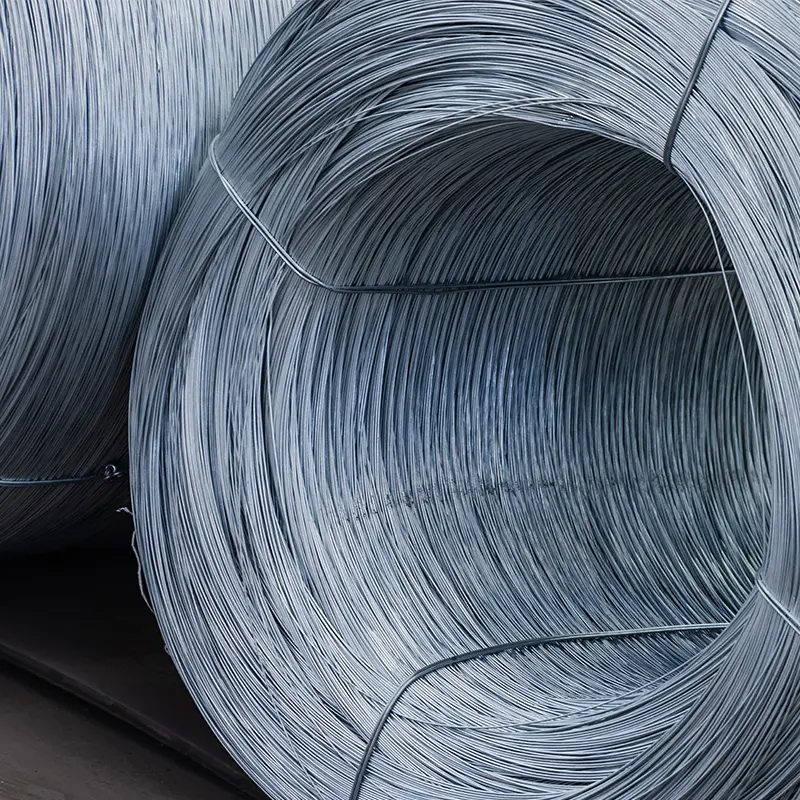
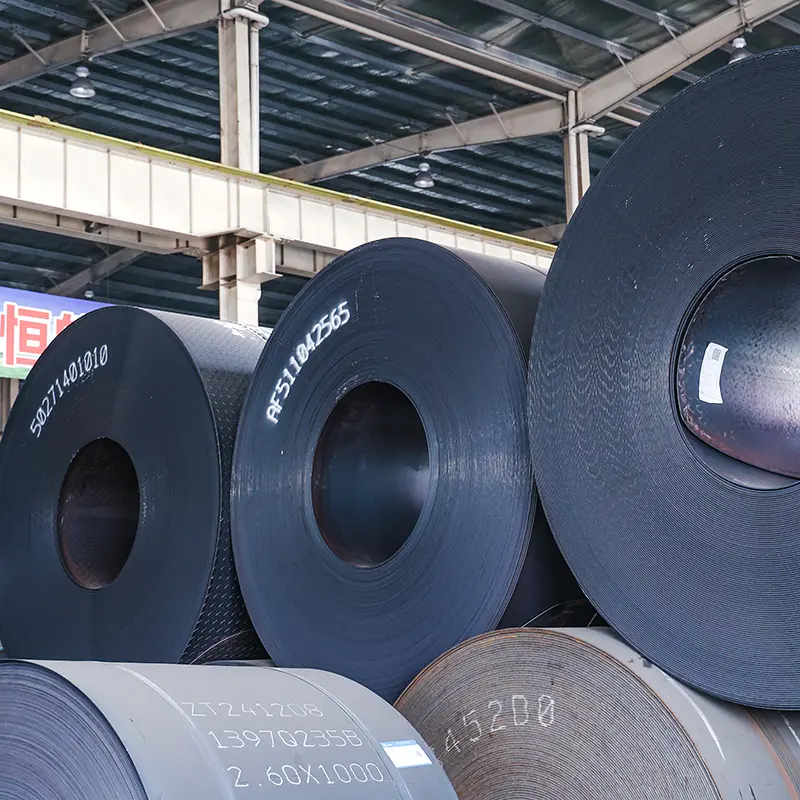
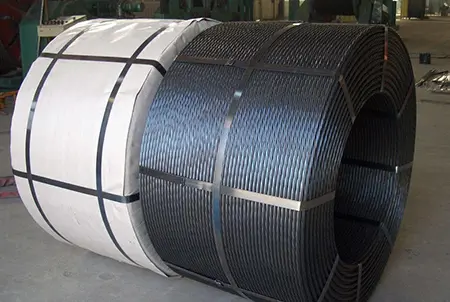
Original raw material streams utilized for high-strength steel wire rod draw processes and structural support.
In safety-critical hoisting installations, mechanical failure is not an option. Global procurement officers must mandate high testing thresholds to satisfy workplace safety bodies such as OSHA (USA), HSE (UK), and EU regulatory units.
Every batch of wire rope undergoes destructive testing to establish its Actual Breaking Force (ABF). This metric must exceed the calculated Nominal Breaking Force (NBF) to account for structural design margins.
Ropes are subjected to cyclic bending tests over calibrated sheaves to simulate long-term operation on overhead gantry cranes, confirming the alloy's resistance to crack propagation.
Before the stranding process, single wires are stripped and tested. Torsion testing measures the number of 360-degree twists the wire can sustain without splitting, indicating its mechanical ductility.
We guarantee product tracing by furnishing Mill Test Certificates in compliance with EN 10204 3.1. All manufacturing processes are audited under ISO 9001:2015 Quality Management Systems and ISO 14001:2015 Environmental Control Systems. This transparency ensures that high-tensile wire rope products are tracked from the original furnace heat number through to final reel wound packaging.
Trust. Confidence. Reliability; Passion for excellence; Integrity in everything we do; Empower people to strive and deliver; Adapt to changing market and consumer needs.
Focusing on prime building materials to create a better life for human beings.
Continue to be the leader in the building materials industry.
19+ years exporting experience; Professional QC system; Pre-shipment inspection for each batch; Available stock; Convenient transportation near Tianjin port; Good customer reputation.
High-performance lifting steel wire ropes are core load-bearing components across diverse industry sectors:
Offshore environments subject wire ropes to heavy saltwater exposure. We provide hot-dip galvanized and Zinc-Aluminum-Magnesium (Galfan) coated wire ropes that resist oxidation and marine corrosion. These are utilized on container cranes, winches, and moorings.
High-rise construction demands rotation-resistant multi-strand ropes (such as 19x7 or 35x7 class). By wrapping the inner strands in the opposite direction to the outer strands, rotational forces are canceled out, preventing load spin during deep lifts.
Friction hoist winding systems demand high structural integrity. Our compacted strand steel wire ropes offer flat surface contacts, reducing friction wear against drum grooves and extending the service life of hoist drums.
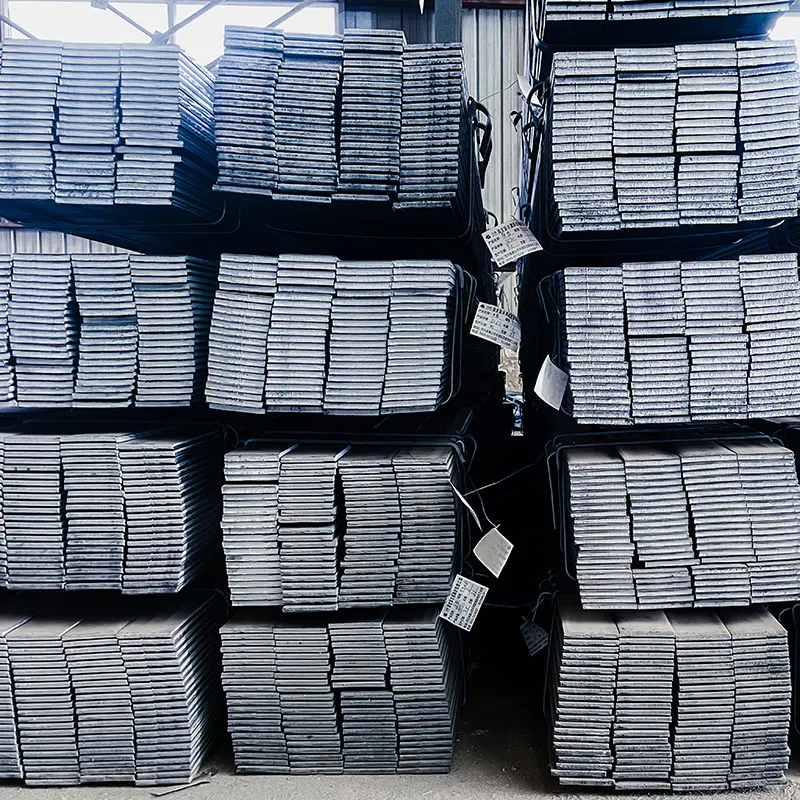
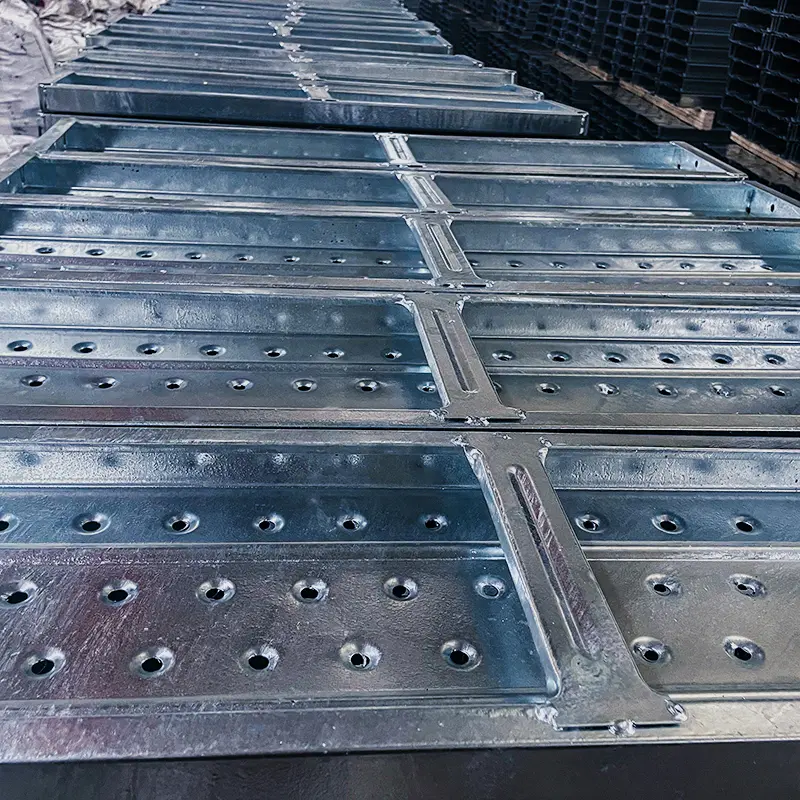
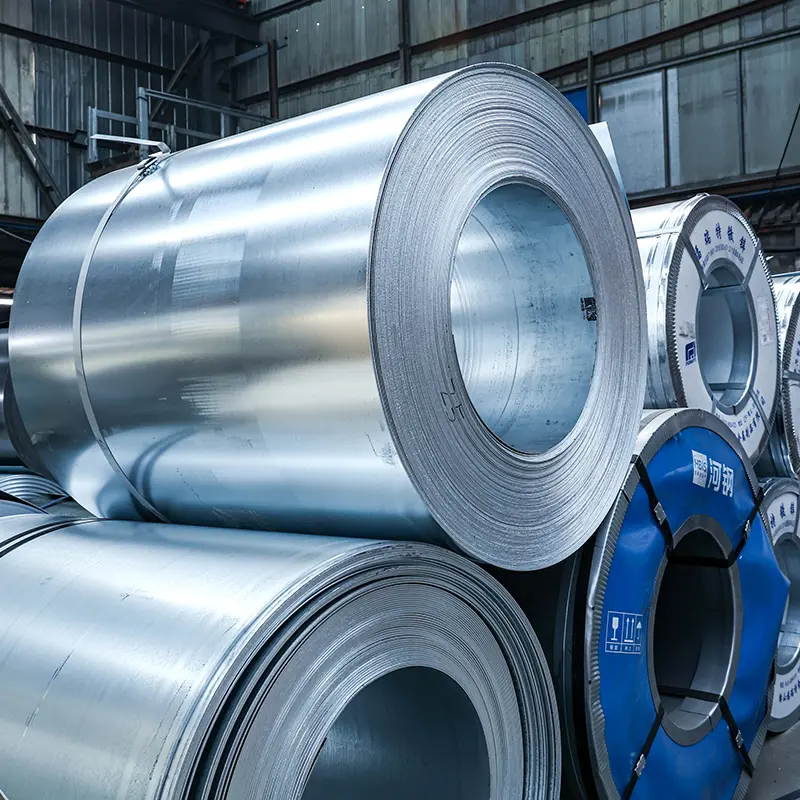
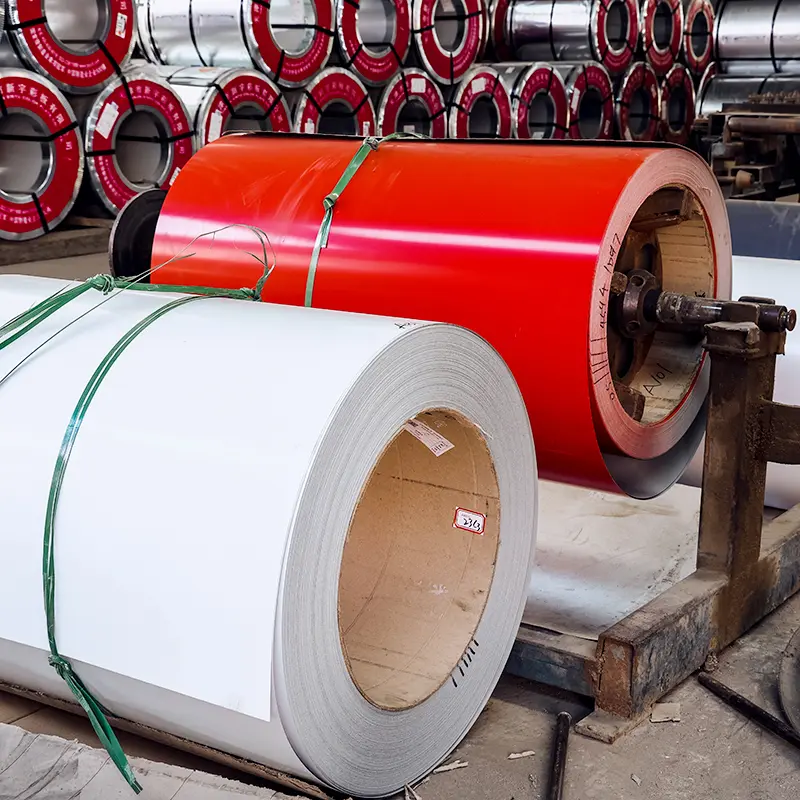
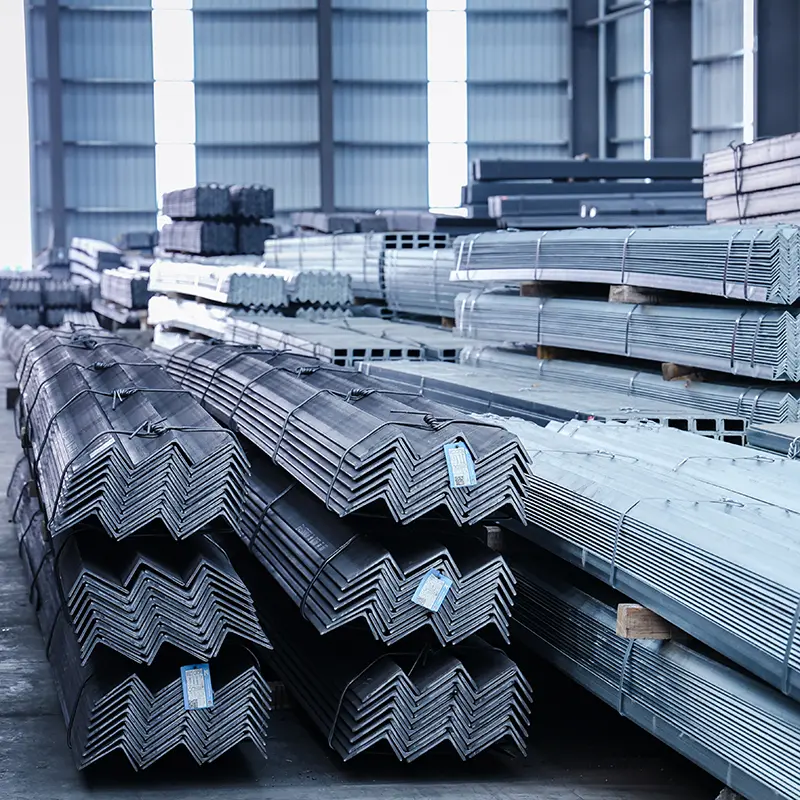
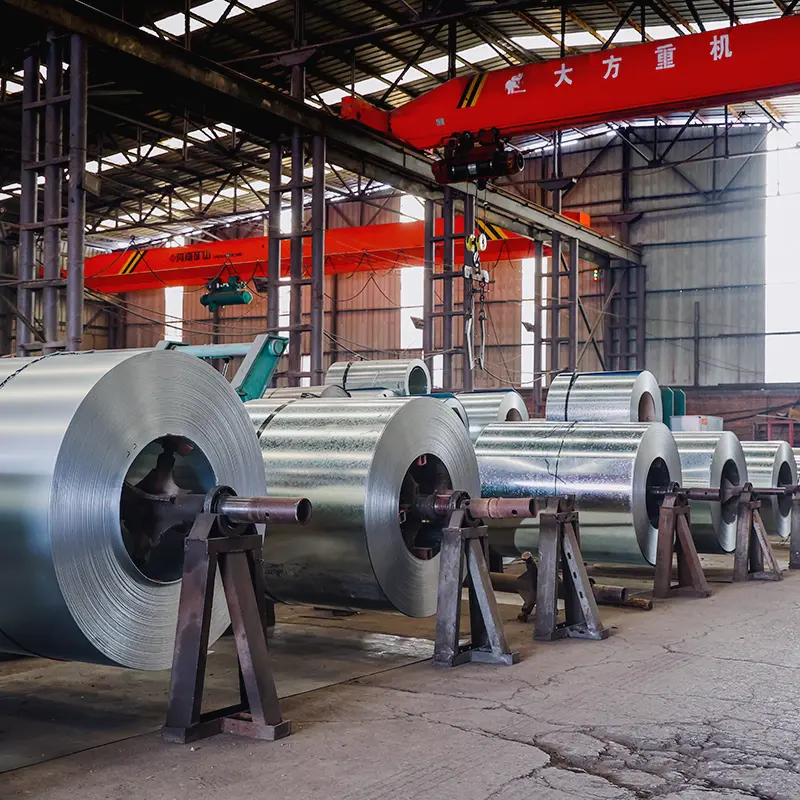
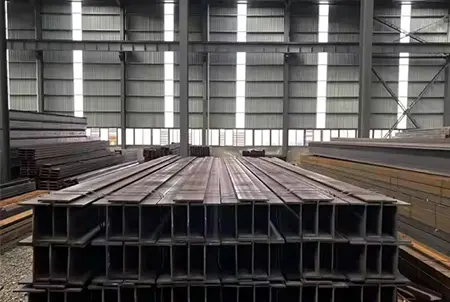
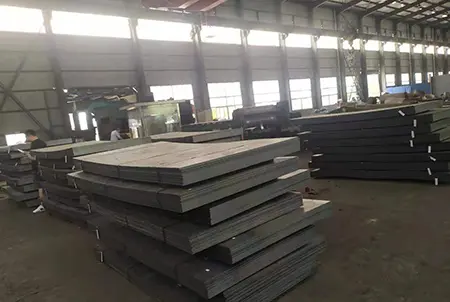
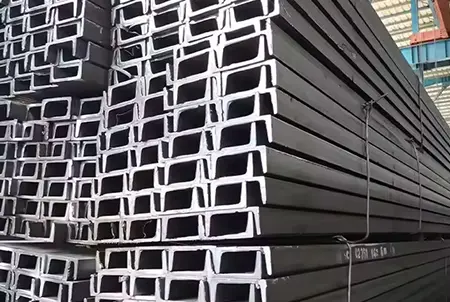
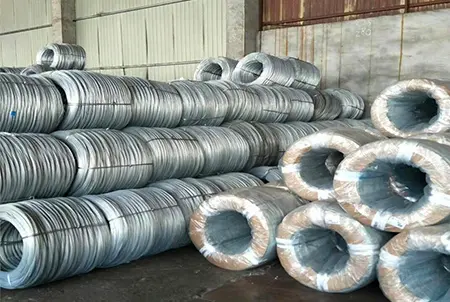
Real-time visual capture of our production lines, raw wire storage, and assembly workshops.
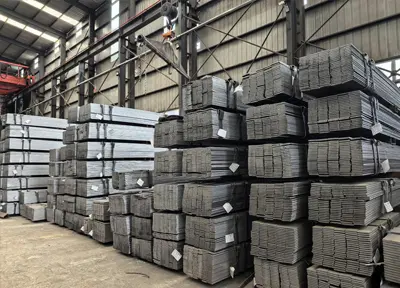
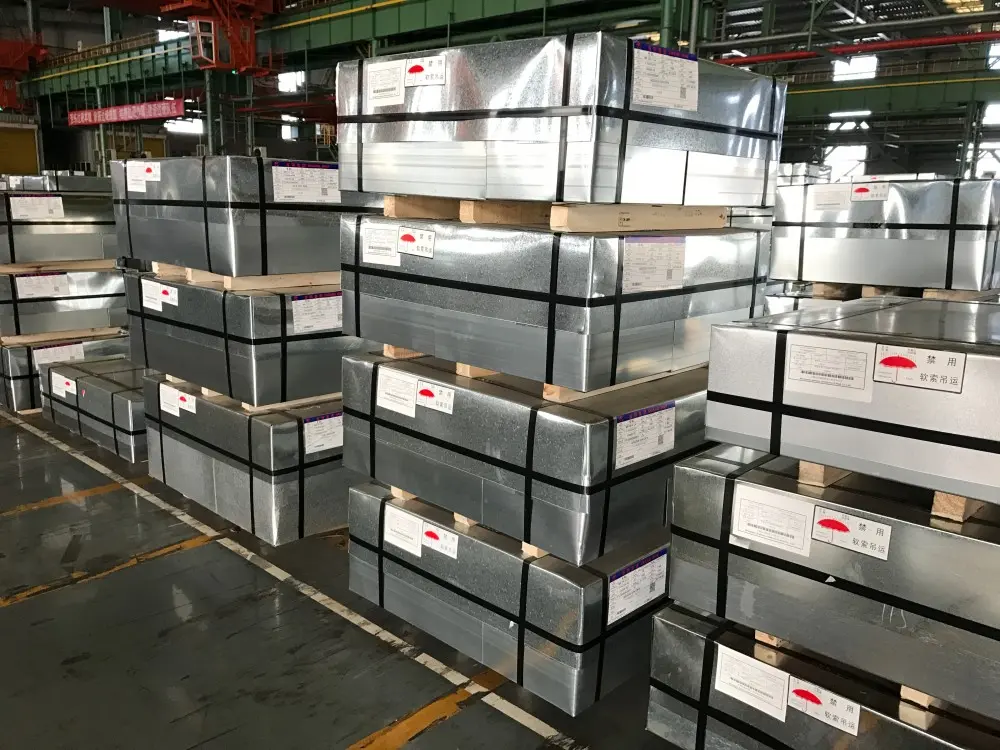
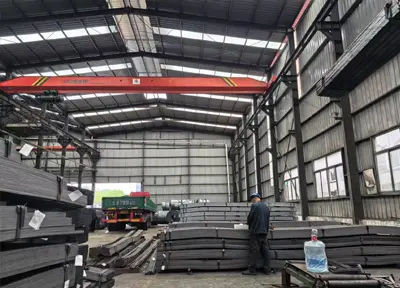
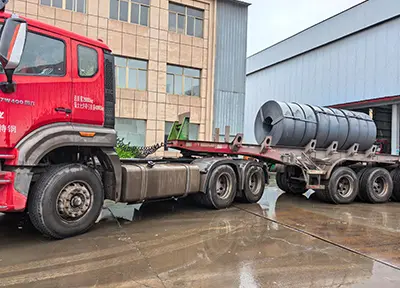
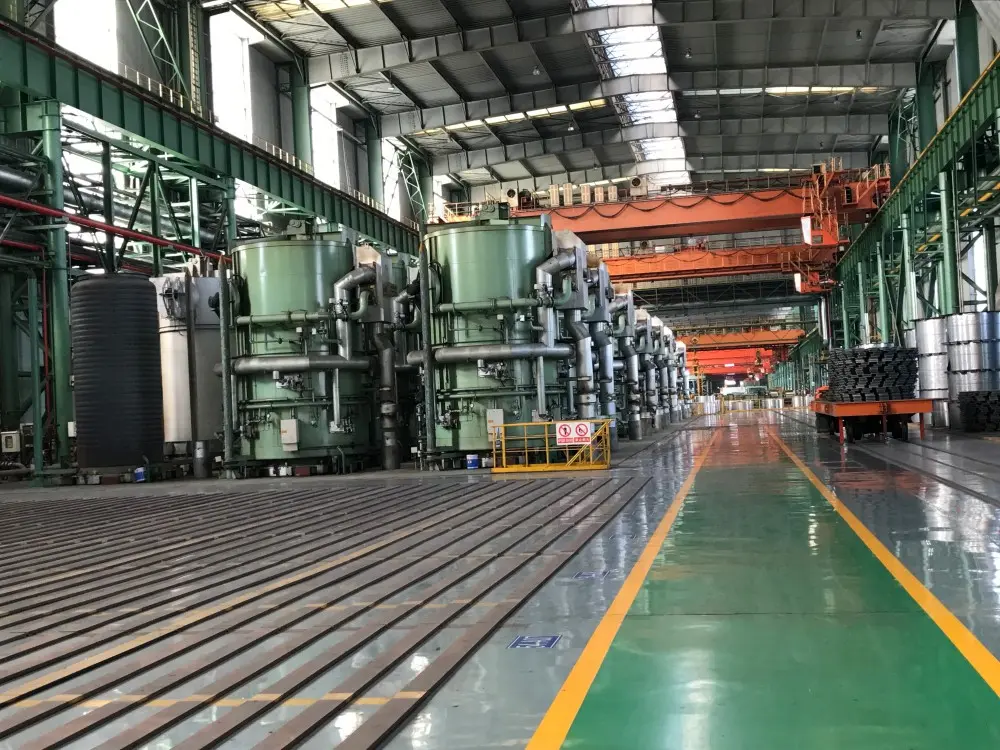
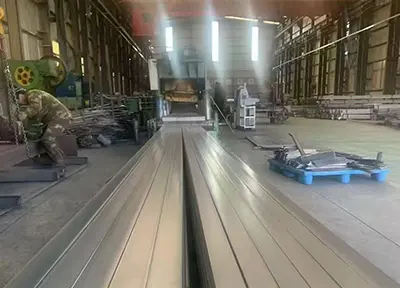
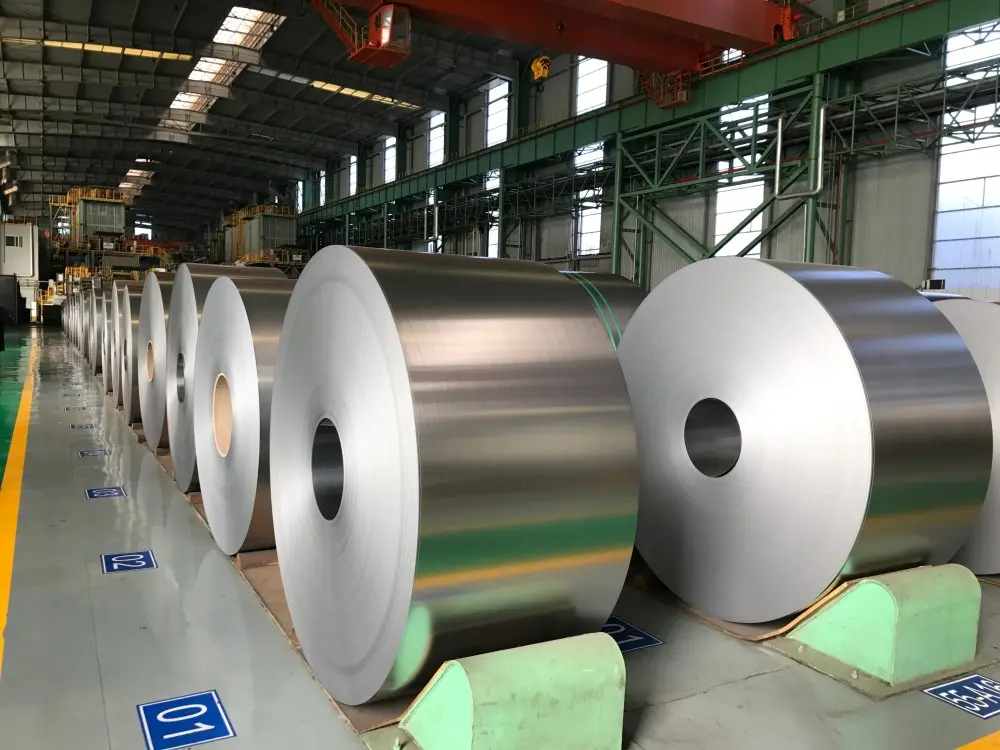
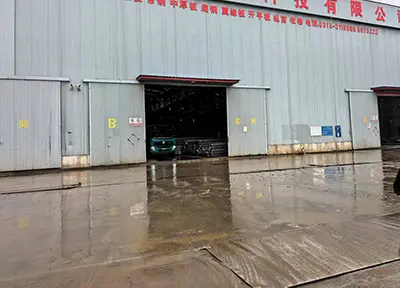
We work closely with major Chinese state-owned steel conglomerates to secure premium carbon raw steel rods.
Highlighting our export shipments and reference projects worldwide.

The lifting steel wire rope industry is changing rapidly due to new safety regulations and materials science updates. Organizations targeting low lifetime operational costs (LCC) should monitor these key developments:
Standard hot-dip galvanization is widely used, but newer Zinc-Aluminum-Magnesium coatings offer superior performance. The addition of aluminum and magnesium creates a self-healing protective barrier that shields raw steel against corrosive environments up to four times longer than traditional zinc coatings.
Compacting passes wire strands through a die to flatten the outer surfaces of individual wires. This increases metal density, boosts breaking loads, and provides a smoother contact area. Cushioning layers of plastic (such as EPIWRC) can also be extruded between the core and outer strands to block internal friction and keep moisture out.
Major industrial organizations are moving to smart ropes. Embedding RFID chips and monitoring systems inside the wire rope core enables trackable inspections. It also allows for real-time measurements of wire breaks and fatigue before mechanical failures occur.
Get professional advice on sourcing, storing, and maintaining industrial lifting steel wire ropes.
Ensure structural safety and loading integrity with certified steel components.

 Hanshen