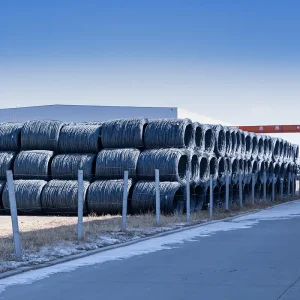
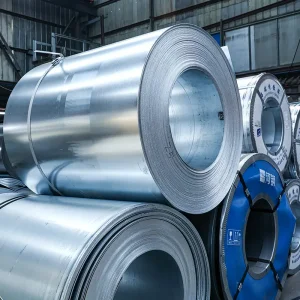
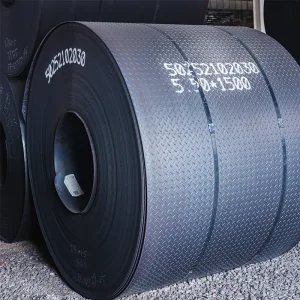
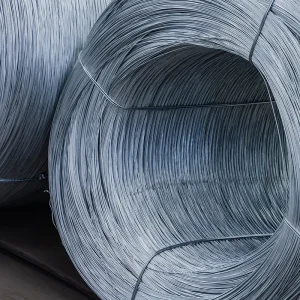
Explore our foundational range of industrial metal products exported globally
In modern structural and scaffolding engineering, the springboard—frequently termed a steel plank, walkway deck, or structural platform—serves as the critical horizontal plane support for workers, tools, and heavy masonry materials. Because failure in structural staging leads directly to catastrophic industrial incidents, specifying structural steel springboards with high compressive strength and verified load-bearing performance is not merely an operational choice, but a key safety mandate.
Understanding the physics of high compressive strength in steel planks requires assessing yield limits, deformation indices, and anti-bending coefficients under dynamic and static stress loads. As a leading manufacturer based in Tangshan, China, Hansheng Technology (Hebei) Co., Ltd. incorporates structural engineering standards into our automated cold-roll forming and hot-dip galvanization (HDG) production lines to meet the strict demands of global developers.
The term "Compressive Strength" in structural steel springboards refers to the ability of the metal profile to withstand axial and load-bearing forces without buckling, warping, or tearing. The mechanical stability of a springboard is determined by two factors: the grade of steel (chemical formulation) and the geometrical shape profile.
Most standard industrial springboards utilize high-grade structural carbon steels (such as Q235B or Q345B) or high-strength micro-alloyed steel. The addition of manganese (Mn) and silicon (Si) increases the material's yield strength (R_eH ≥ 235-345 MPa), allowing the springboard to endure heavy structural weight while maintaining elastic return properties.
Geometrically, a flat steel sheet possesses minimal resistance to bending. By passing steel coils through precise roll-forming mills, we shape the steel into a rigid U-profile or C-profile channel. The vertical side ribs act as structural beams, redistributing load stresses along the horizontal span. Internal reinforcing ribs (channels pressed into the board face) increase the section modulus (W_y) and the moment of inertia (I_y), which reduces horizontal deflection under concentrated point loads.
High compressive strength steel springboards are vital assets across a range of heavy-duty applications:
For global procurement managers, sourcing high compressive strength springboards from China offers clear supply chain advantages:
Tangshan Steel Integration: Located in Tangshan, Hebei Province—the heart of China's steel industry—Hansheng Technology is positioned right next to prime raw material suppliers. This direct integration eliminates inter-province freight costs, buffers against steel market volatility, and guarantees rapid access to hot-rolled and cold-rolled steel coils.
Advanced Manufacturing Efficiency: Our facility runs 8 advanced automated production lines with an annual capacity of 300,000 metric tons. Automated stamping, profiling, and welding systems ensure dimensional accuracy within fractions of a millimeter. This consistency is critical for safety-regulated scaffold systems where mismatching parts create structural weak points.
Port Accessibility: Operating only 150 kilometers from both the Tianjin seaport and Beijing, we utilize a direct shipping logistics network. Our team coordinates rail, truck, and ocean bulk carrier logistics, ensuring fast delivery to international hubs in Europe, the Americas, and the Middle East.
Why modern worksites are upgrading from traditional wood planks to steel springboards
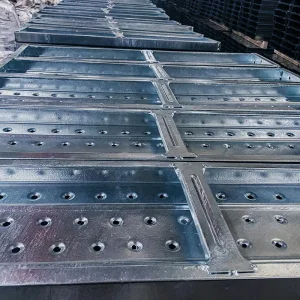
Featuring precision-stamped convex holes and raised patterns that drainage water, oil, and mud. This configuration provides slip-resistant traction under wet, icy, or greasy working conditions.
Coated using Hot-Dip Galvanizing (HDG) or Zinc-Aluminum-Magnesium (ZAM) technology, creating an alloyed protection layer. This layer prevents rust and stands up to harsh coastal and marine environments.
Unlike wood planks that warp, rot, crack, or catch fire, our high compressive steel springboards offer an extended operational lifespan of up to 8-10 years with minimal maintenance costs.
Established in 2006, Hansheng Technology is situated in Tangshan City, Hebei Province—the heart of China's steel industry. With a prime location just 150 kilometers from the Tianjin seaport and 150 kilometers from the capital, Beijing, we benefit from an exceptional logistics network that ensures efficient global shipping. Over the years, we have evolved into a comprehensive, export-oriented enterprise specializing in manufacturing premium-quality steel products.
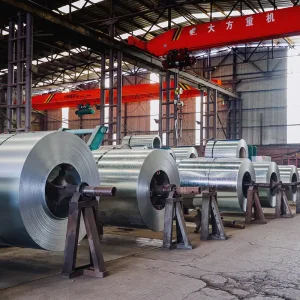
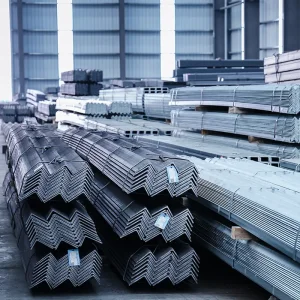
We operate 8 high-efficiency production lines with a total annual production capacity of 300,000 metric tons (with potential scaling up to 650,000 tons under peak operations). Our extensive product portfolio includes Galvanized Steel Wire, Hot/Cold Rolled Steel Coils and Sheets, GI/PPGI, GL/PPGL, and various Section Steels, all meticulously manufactured to adhere to rigorous international standards such as GB, JIS, ASTM, DIN, EN, and AS/NZS.
Driven by a commitment to supply chain excellence, competitive pricing, and professional service, our products have earned recognition across markets in the Middle East, Southeast Asia, North Asia, Africa, the Americas, and Europe. We operate under the firm philosophy of "honoring contracts and keeping promises." We view our clients not just as customers, but as valued friends, and we pride ourselves on our track record of contract fulfillment. We believe that a strong, transparent bond between our company and our clients is the ultimate cornerstone of our enduring success.
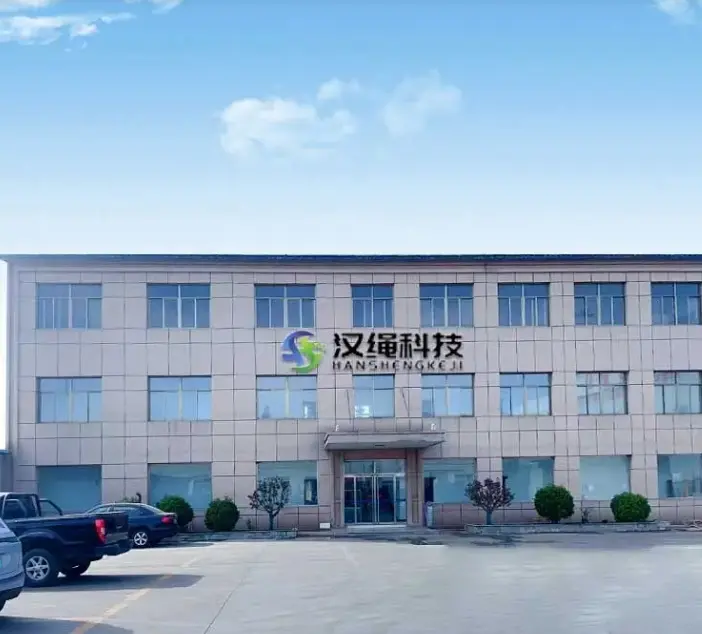
Built on trust, quality engineering, and commitment to global client success
Trust. Confidence. Reliability. Passion for excellence. Integrity in everything we do. Empowering people to strive and deliver. Adapting to changing market and consumer needs.
Focusing on prime building materials to create a better life and safer working conditions for human beings globally.
To continue to be the leader and reliable supplier in the international building materials and structural steel industry.
Preserved product classifications serving diverse structural sectors
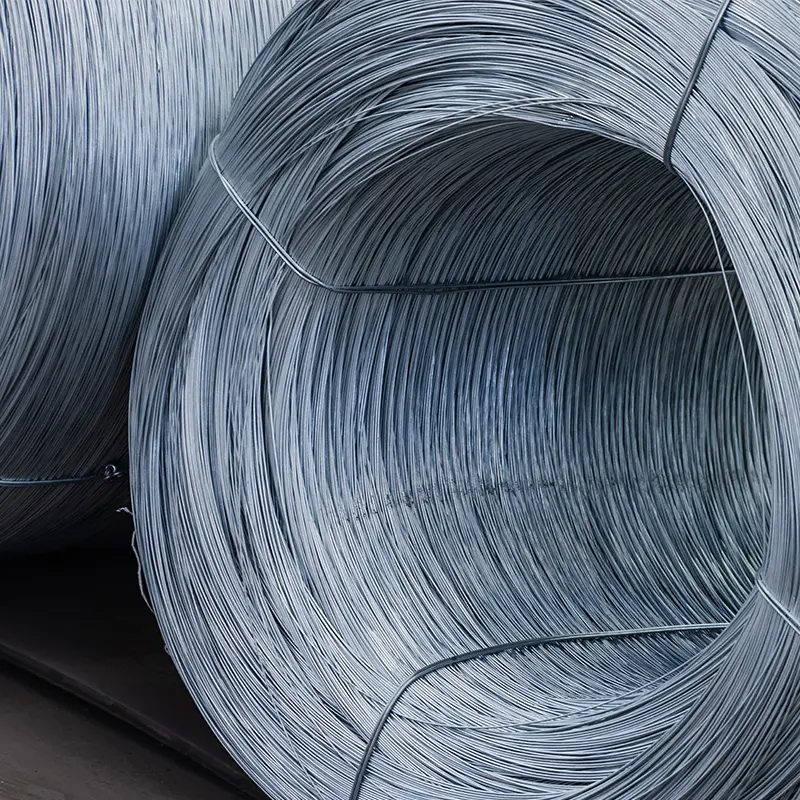
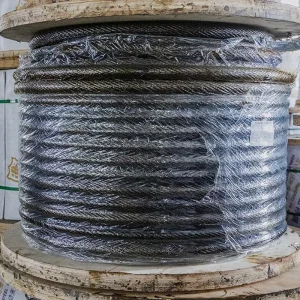
Galvanized Steel Wire
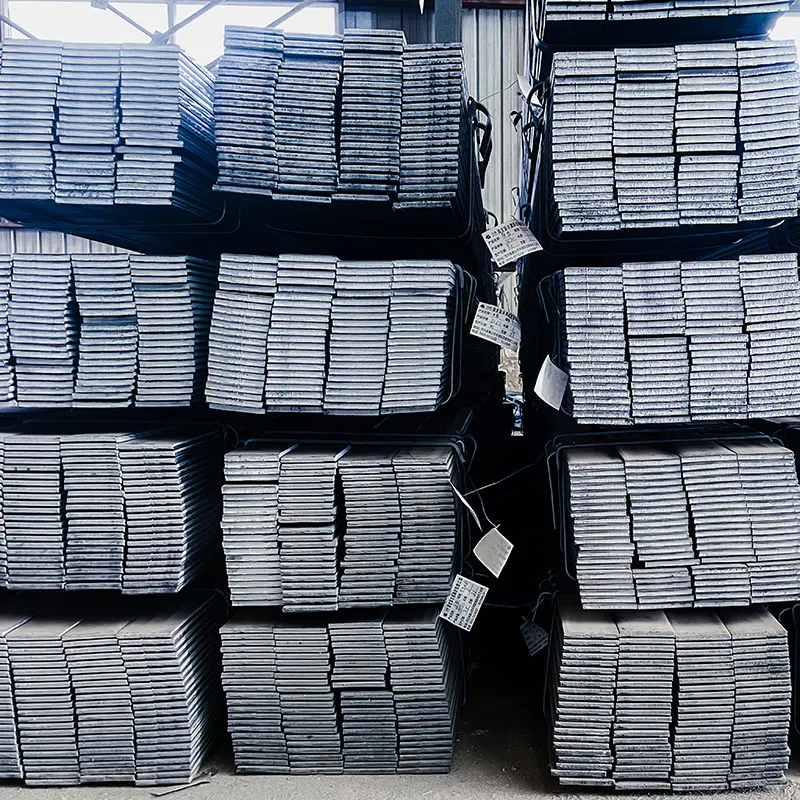
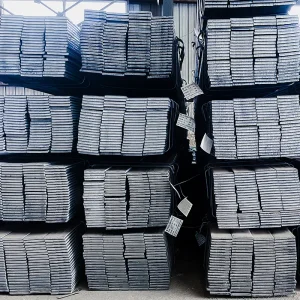
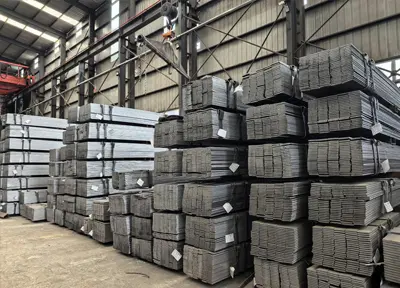
Flat bar
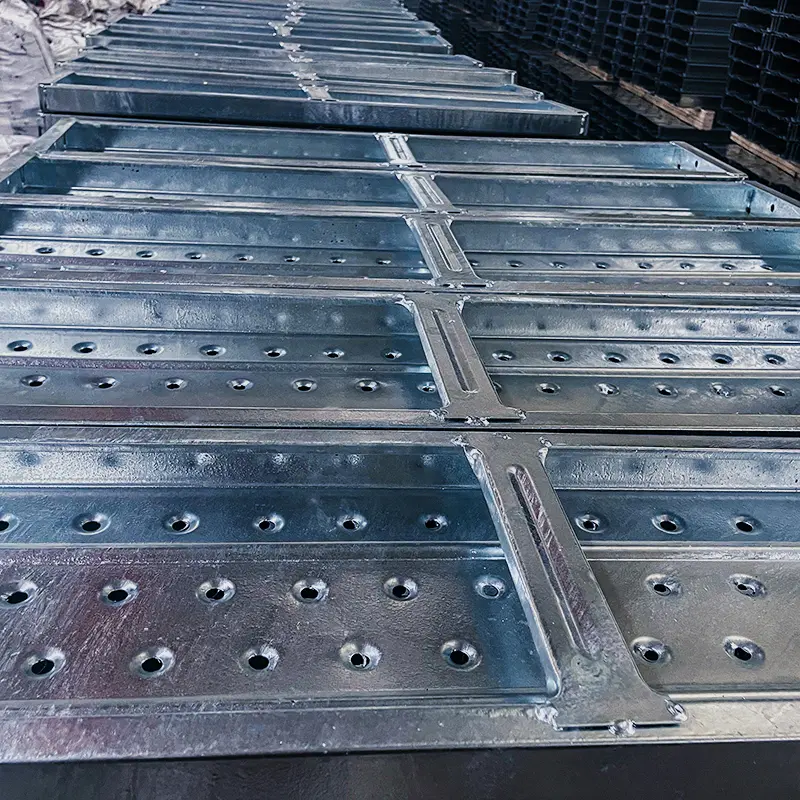
Steel plank
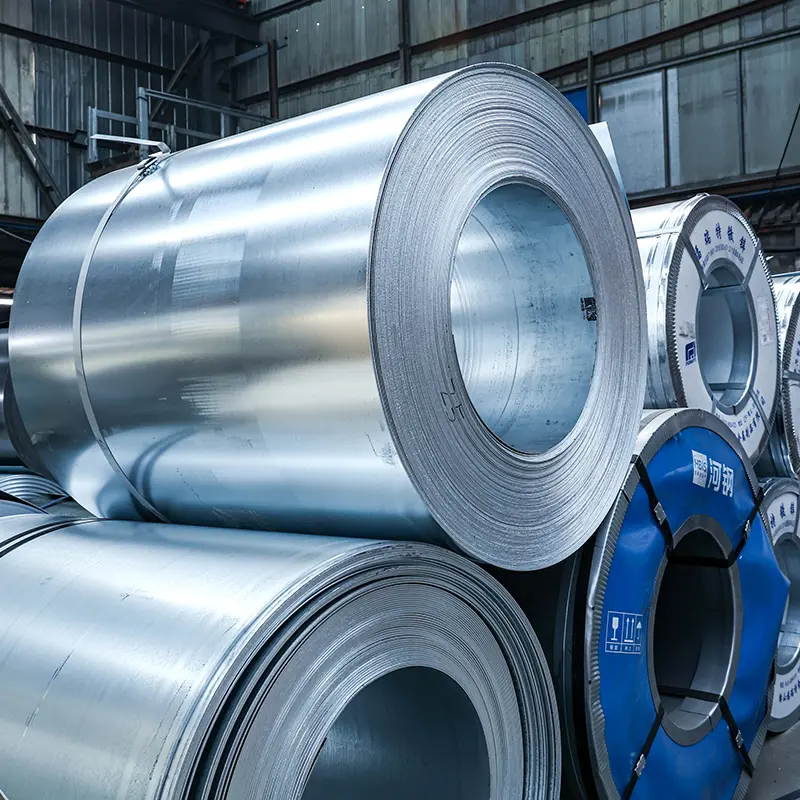
GI Coil / Sheet
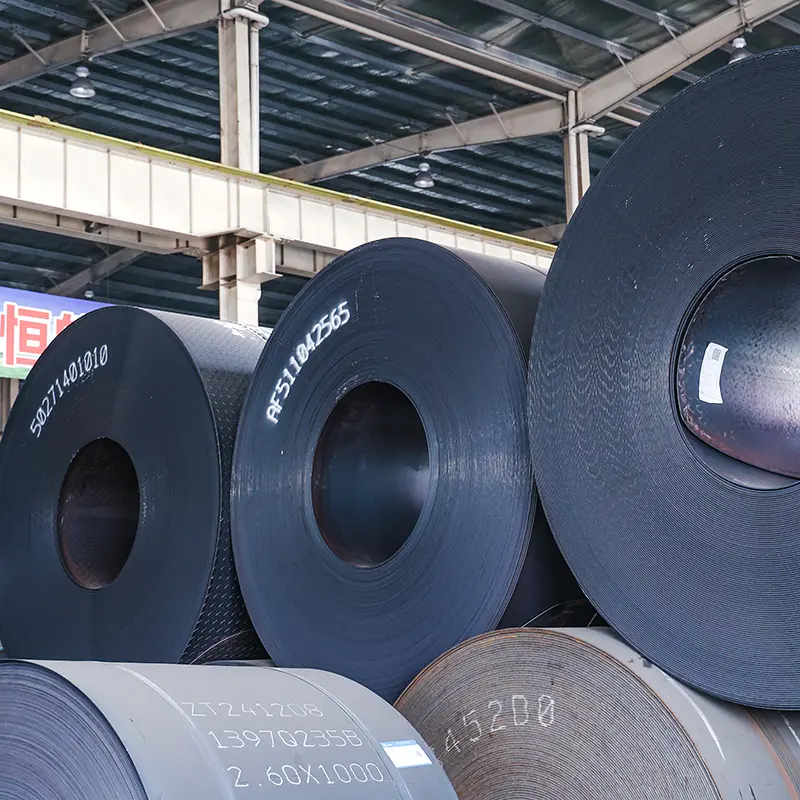
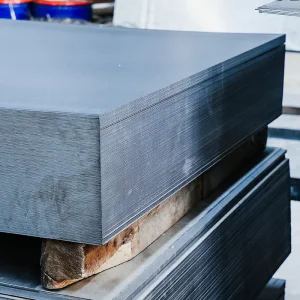
HR Coil / Sheet / Plate
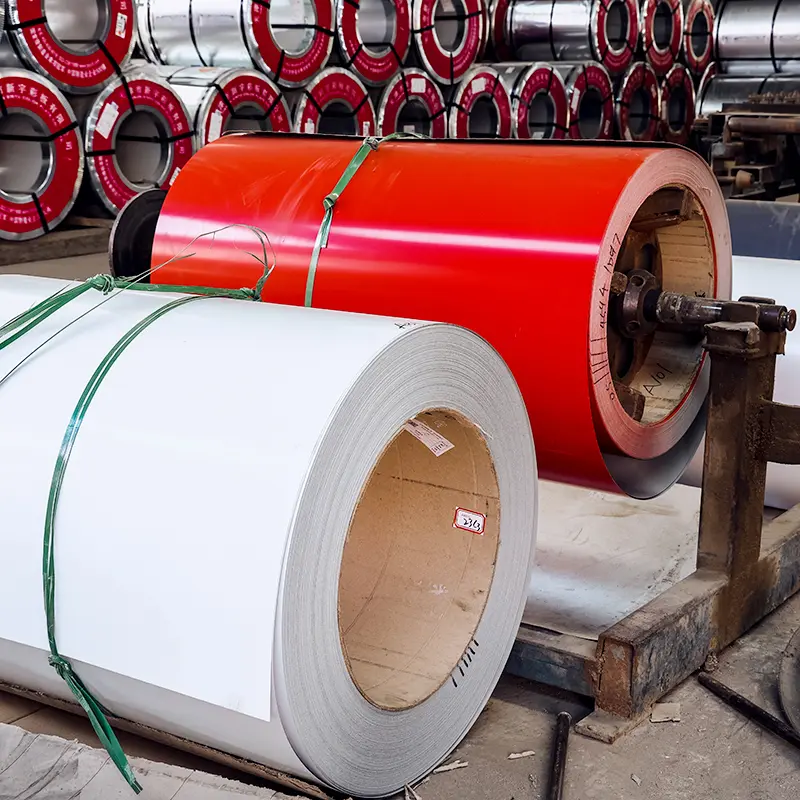
PPGI / PPGL
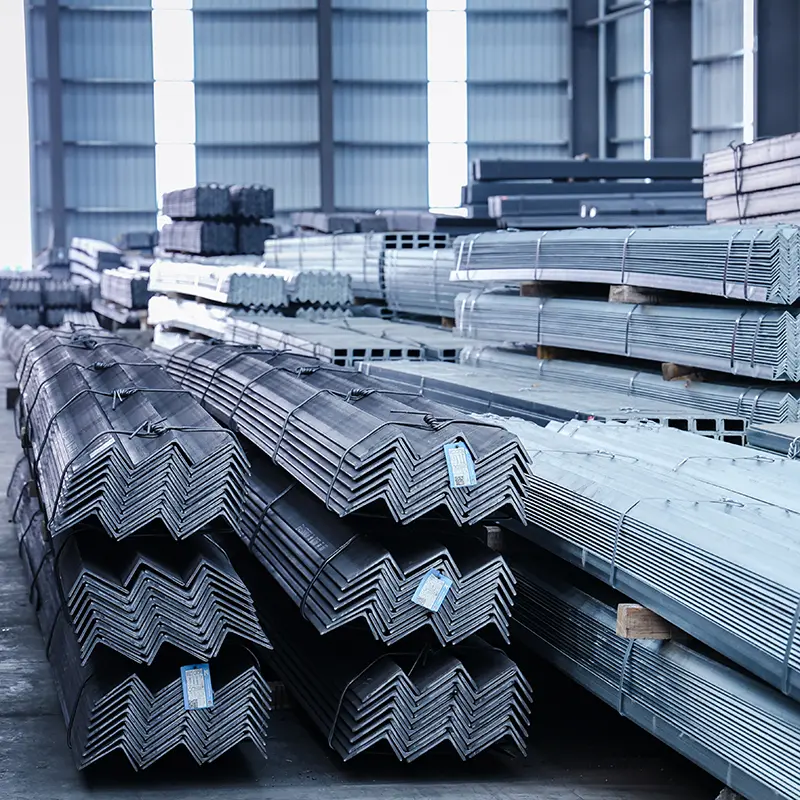
Tube / Pipe
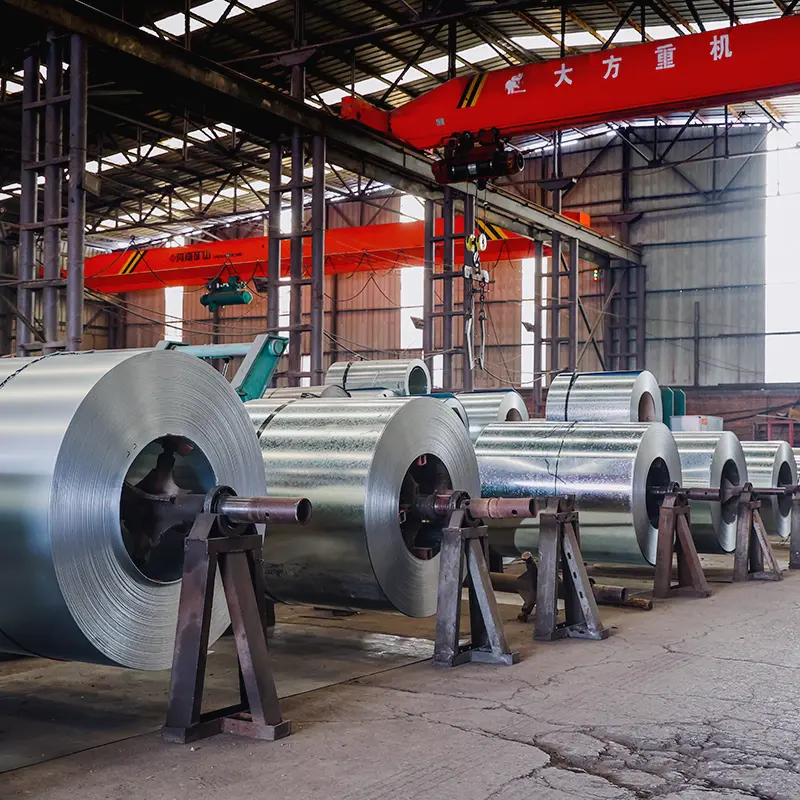
Zinc-Aluminum-Magnesium (ZAM)
A look inside our high-capacity manufacturing centers and facilities
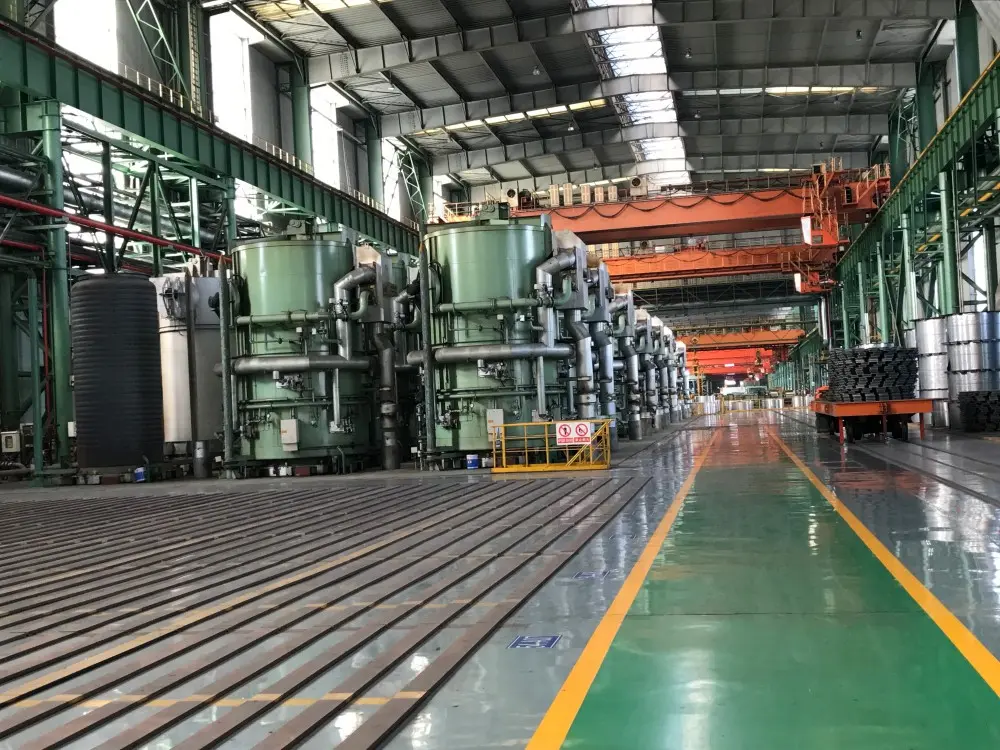
Manufacturing Floor
Roll Forming Machinery
Wire Drawing Lines
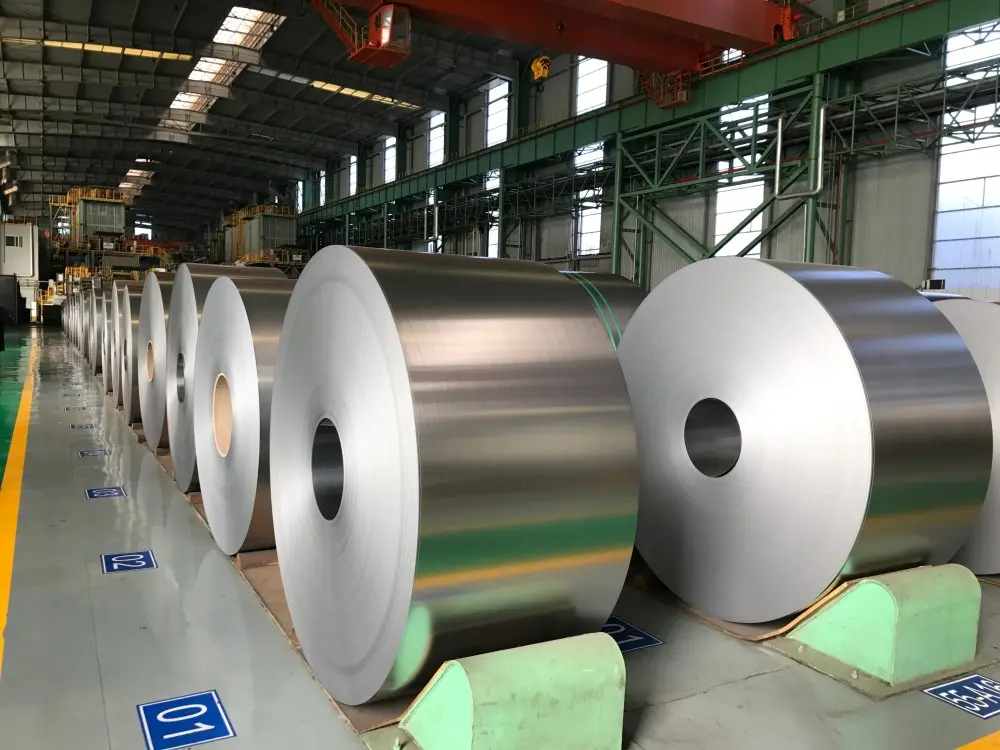
Coil Slitting Line
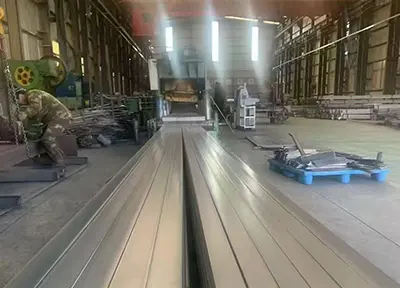
Automatic Welder Units
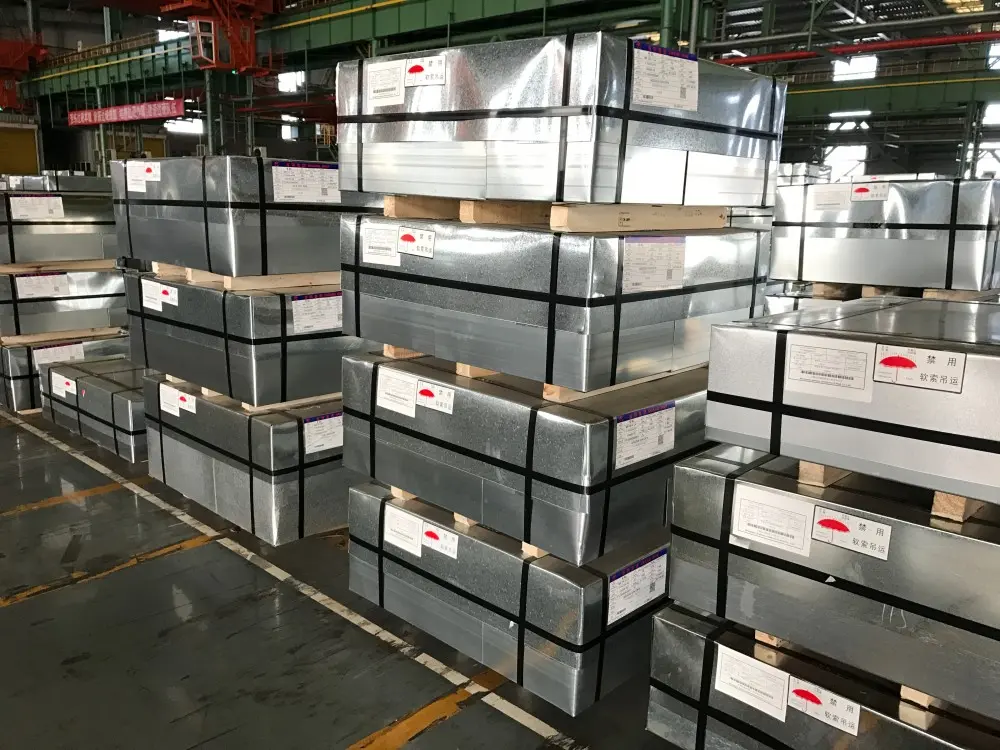
Finished Goods Area
Coating Operations
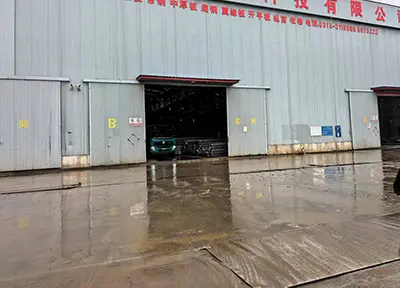
Quality Testing Lab
Collaborating with top raw material suppliers to ensure steady production quality




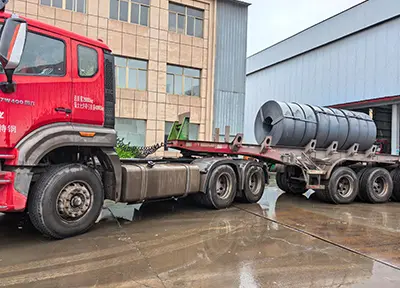
Delivering high-tensile steel structural products to international logistics hubs
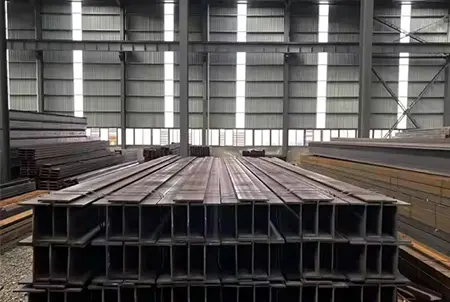
Structural support members shipped for commercial real estate developments.
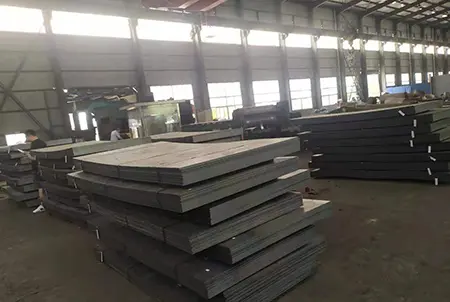
High compressive strength plates deployed in industrial petrochemical plants.
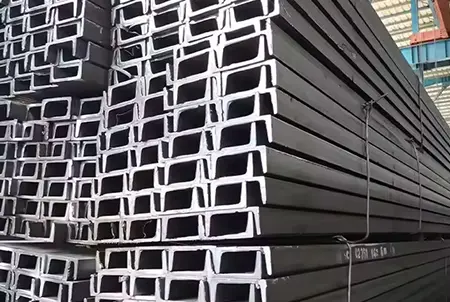
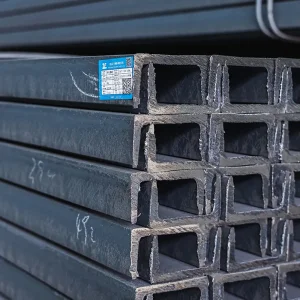
Standard profile channels supplied for modular assembly plants in East Asia.
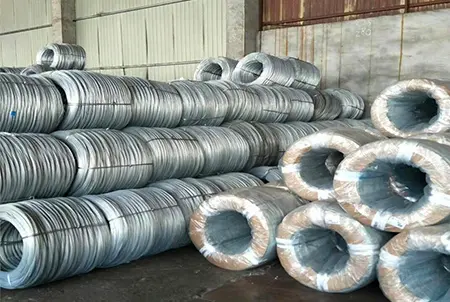
Rust-resistant zinc-coated utility wire dispatched for agricultural framing.
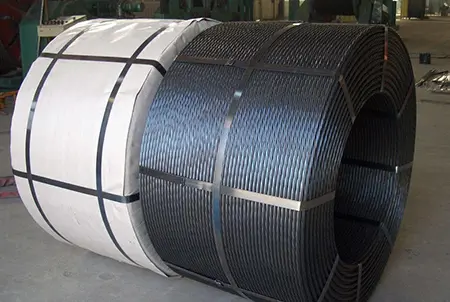
High-tensile concrete prestressed wire shipped for bridge building.
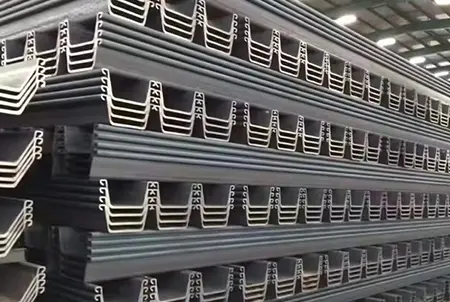
Heavy interlocking steel sheets shipped for seaport bulkhead works.
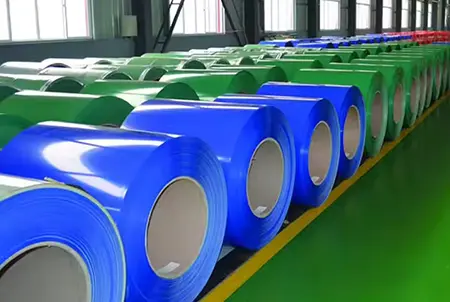
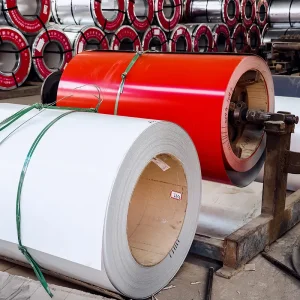
Pre-painted galvanized steel coils delivered for metal roofing manufacturing.
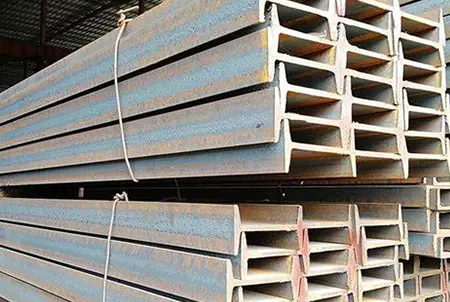
IPE standard carbon structural steel beams delivered for utility racks.
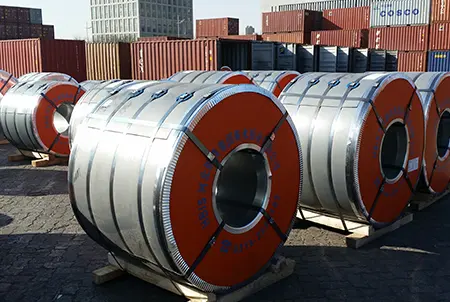
Galvanized steel coil shipments supplied for automotive sheet stamping plants.
Showcasing our past engineering supply history across different sectors
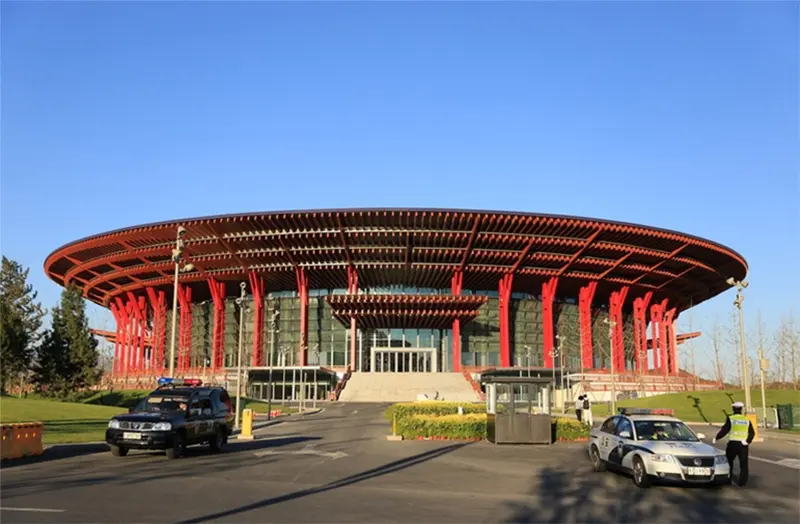
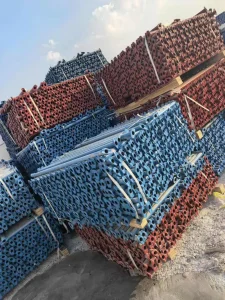
Supplied high-strength structural framing steels and construction staging systems.
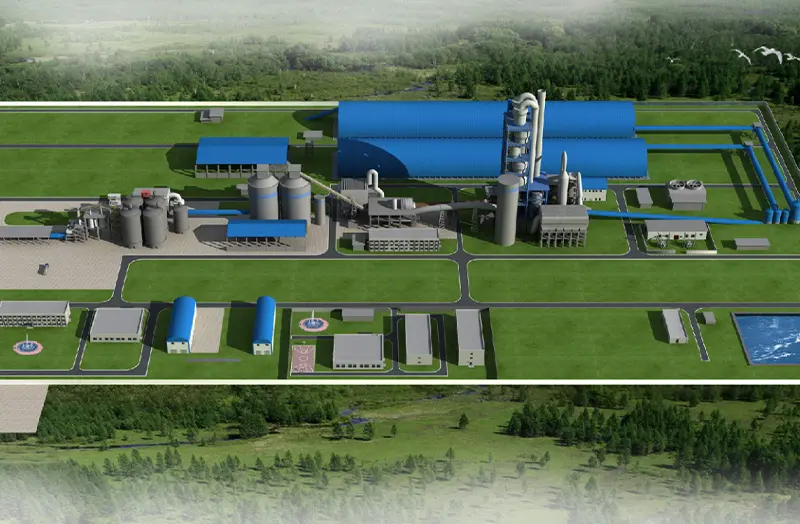
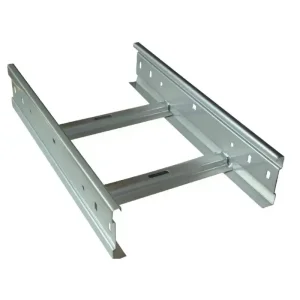
Provided support structures, walking grids, and cable containment systems.
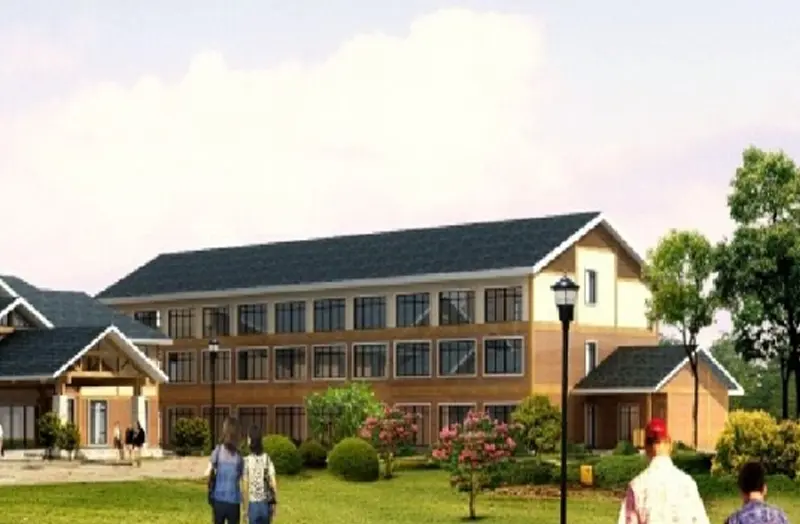
Supplied cold-formed structural steel framing profiles for modular building works.
Technical answers to common procurement and safety verification questions
The load capacity of a springboard is determined by its steel grade (typically Q235B or Q345B), sheet thickness (ranging from 1.0mm to 2.0mm), and the profile depth. U-shaped edges and internal longitudinal stiffening ribs increase the load limit, allowing standard structural planks to support working loads up to 250-500 kg/m² across a standard span without exceeding maximum deflection limits (commonly L/150 or L/200, as defined by EN 12811-1).
Hot-dip galvanizing deposits a layer of zinc-iron alloys onto the steel surface. The weight of this coating—often measured in grams per square meter (g/m²) or microns—determines the service life of the springboard. For industrial applications, we supply coatings of 275 g/m² up to 500 g/m² to prevent rust in wet environments, prolonging replacement cycles.
The perforations serve two purposes. First, they allow water, ice, mud, and dust to drain away, maintaining slip resistance under cold or wet conditions. Second, the upward flanged rims around the holes provide traction for safety boots, which is essential for working at heights.
We operate 8 automated cold-roll forming lines that process raw steel coils into structured springboards. Automated punch presses and robotic welding systems ensure each piece meets correct length, width, and height requirements. This consistency simplifies on-site assembly and ensures even load distribution across structural frames.
Depending on the target region, products must comply with specific standards. These include BS EN 12811 for Europe, ANSI/SSFI for the Americas, and AS/NZS 1576 for Oceania. Hansheng Technology products are manufactured to meet GB, JIS, ASTM, DIN, EN, and AS/NZS specifications, and are supported by our ISO9001:2000 quality management system.
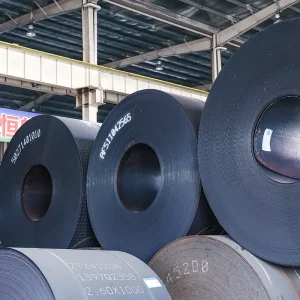
High-tensile wire rods, structural channels, and specialized steel sheet coils
 Hanshen