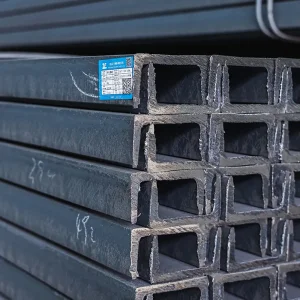
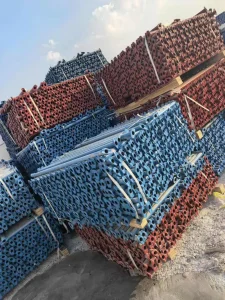
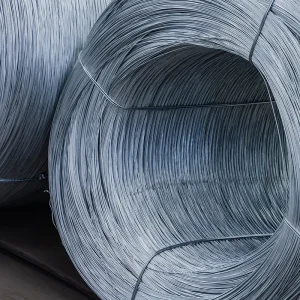
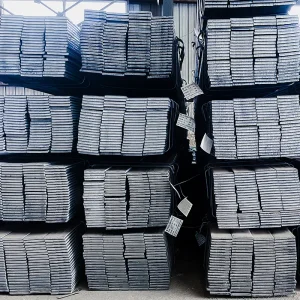
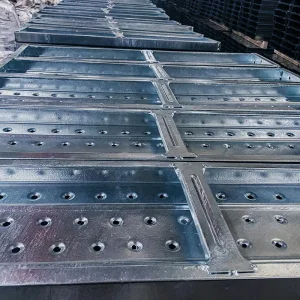
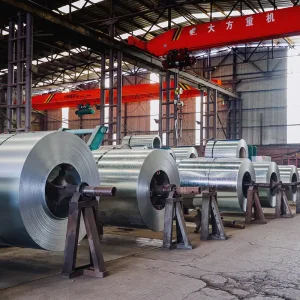
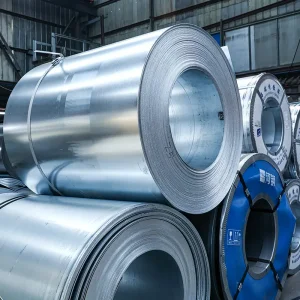
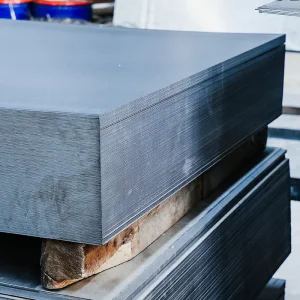
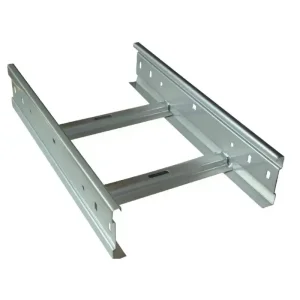
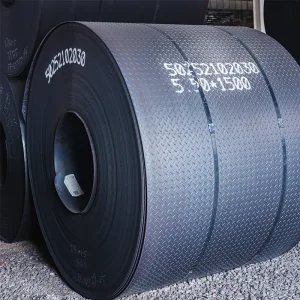
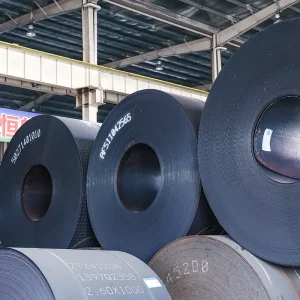
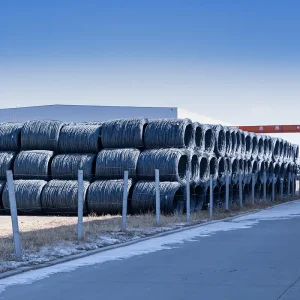
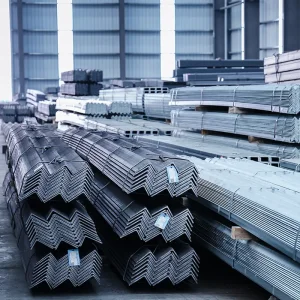
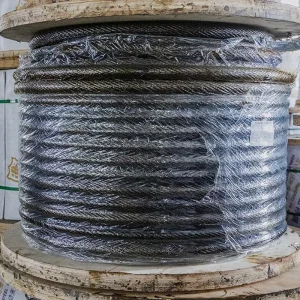
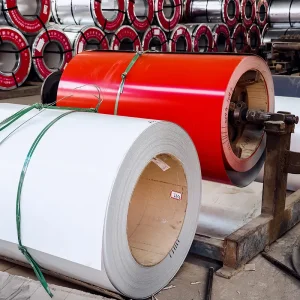
Explore our premium grade steel derivatives manufactured directly from our state-of-the-art facilities in Tangshan, China.
Security perimeter protection remains one of the foundational requirements for global agricultural operations, transportation networks, border controls, and industrial installations. Modern security demands high physical integrity, high corrosion resistance, and structural longevity. Galvanized steel barbed wire is the primary, cost-effective physical barrier designed to deter and detect unauthorized intrusions. As global steel markets change due to material science advances, international trade regulations, and rising carbon output metrics, purchasing managers require a deeper understanding of material specifications, coating technologies, and localized compliance standards.
To evaluate a commercial-grade galvanized steel barbed wire, procurement experts look at specific parameters: carbon level, tensile strength, zinc coating thickness, and barb spacing. Using inferior raw materials or light zinc coatings can lead to premature rusting, structural sagging, and complete fence failure in coastal or industrial environments.
| Specification Parameter | High Tensile Barbed Wire | Soft/Low Carbon Barbed Wire | Quality Standards Compliance |
|---|---|---|---|
| Steel Grade | Medium to High Carbon Steel (C50 to C80) | Low Carbon Steel (SAE 1006 / SAE 1008) | ASTM A121, BS EN 10223-1 |
| Wire Gauge (Common) | 12.5 G (2.0 mm) / 14 G (1.6 mm) | 12 G (2.6 mm) / 12.5 G (2.5 mm) / 14 G (2.0 mm) | GB/T 343, JIS G3505 |
| Tensile Strength (MPa) | 1100 to 1400 MPa (High tension) | 350 to 550 MPa (Easy to bend) | ASTM A121 / EN 10223-1 |
| Zinc Coating Weight | Class 3 / Heavy Galvanized (200-300 g/m²) | Class 1 / Regular Galvanized (40-80 g/m²) | ASTM A641, EN 10244-2 |
| Barb Spacing (Common) | 3 inches (76 mm) / 4 inches (101 mm) / 5 inches (127 mm) | 3 inches / 4 inches / 5 inches | Customisable designs |
| Barb Points Configuration | 2-Point or 4-Point configurations | 2-Point or 4-Point configurations | Interlocking twists to prevent barb slippage |
Electro-galvanizing gives a smooth, bright finish but applies a very thin layer of zinc (less than 15 g/m²). It is best suited for temporary indoor use. For long-term outdoor security, hot-dip galvanizing is preferred. The steel wire passes through a bath of molten zinc at 450°C, forming metallurgical layers of zinc-iron alloys. This layer acts as a physical shield and sacrificial anode, protecting the steel core from corrosion.
High-tensile barbed wire (usually 12.5 gauge, 2.0 mm diameter) uses high-carbon steel to deliver double the breaking strength of conventional low-carbon wire. This allows installation over longer spans with fewer posts, preventing sagging and reducing maintenance costs. Because it does not stretch easily, it remains tight under temperature fluctuations and physical impact.
The latest technology in environmental barrier protection uses Zinc-Aluminum-Magnesium (ZAM) alloys. Adding aluminum and magnesium to the coating creates a highly stable protective layer that is up to five times more corrosion-resistant than traditional hot-dip galvanizing. It performs exceptionally well in highly corrosive environments like coastal regions and livestock containment areas.
Hansheng Technology (Hebei) Co., Ltd. operates in Tangshan City, Hebei Province, the heart of China's steel manufacturing industry. Tangshan produces more crude steel annually than entire countries, providing us with direct, reliable access to high-quality raw materials. We source premium steel rods locally, allowing us to maintain stable production and bypass standard mid-chain transport costs.
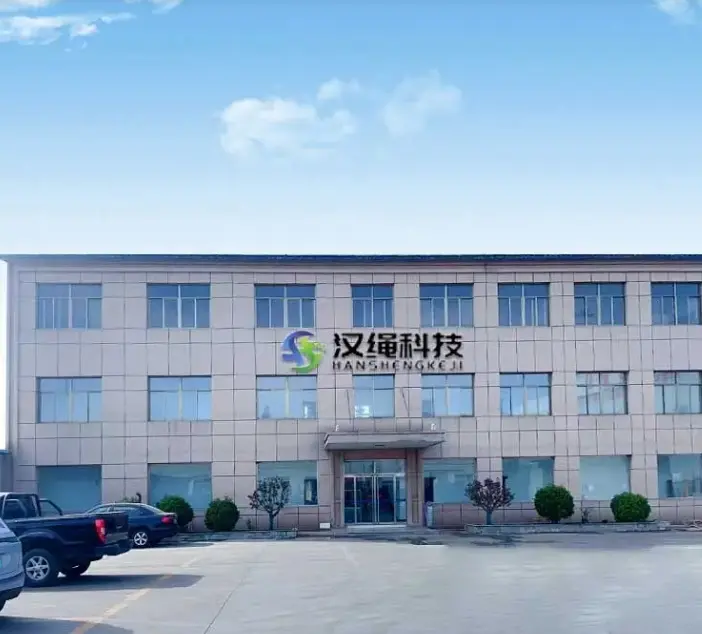
Located in the center of Hebei's steel corridor, our production facilities work directly with major raw material producers. This keeps supply lines short, ensures consistent chemistry in our steel wire rods, and gives us pricing stability that other manufacturers outside the region cannot match.
Our plant is located 150 kilometers from the Tianjin seaport (Xingang) and 150 kilometers from Beijing. This central Bohai Bay location provides direct road access to deepwater ports, allowing us to load containers efficiently and reduce shipping times to global markets.
We operate 8 high-efficiency production lines with an annual capacity of 300,000 metric tons. Our lines handle wire drawing, heat treatment, hot-dip galvanizing, and automated barbing under a single quality control system, ensuring consistent quality for large orders.
Different regions and industries have specific technical demands for security fencing. Fencing needs to withstand varied environments, from hot, humid agricultural zones to dry borders and corrosive industrial sites.
Australia and New Zealand require high durability for perimeter fencing. Fences must withstand long spans, strong sun, and dry soils. Our high-tensile 12.5 gauge galvanized wire meets AS/NZS 4534 standards, offering the tensile strength and zinc coating weight needed to withstand harsh pasture conditions.
Industrial perimeter systems in North America require compliance with ASTM A121 class specifications. Projects often specify Class 3 heavy galvanized coatings (over 0.80 oz/ft² or ~244 g/m²) for installations along transportation corridors, airports, and high-security utility yards.
European Union projects require compliance with EN 10223-1 for barbed wire steel properties and EN 10244-2 for zinc-coating layers. In wet, temperate environments, galvanized barbed wire provides consistent rust resistance along rail networks and highways.
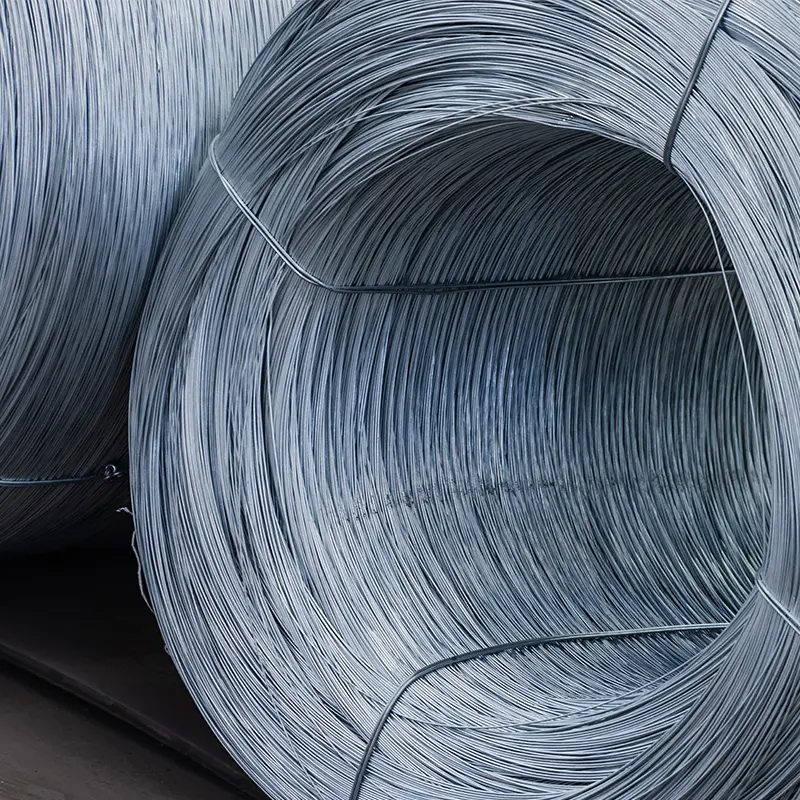
Quality and reliability are built into every stage of our manufacturing process. We conduct pre-shipment inspections on every batch, testing tensile strength, coating weight, and structural integrity before dispatch. This ensures the material you order is the material you receive.
Our production facilities operate under ISO 9001:2015 standards. Every step, from raw steel wire rod checking to cold drawing and chemical bath coating, is logged and traceable.
We use modern acid recovery and closed-loop waste treatment systems in our pickling and hot-dip galvanizing lines, ensuring clean and efficient manufacturing.
We test every shipment before delivery, measuring zinc coating weight, wire diameter consistency, barb point spacing, and tensile strength to confirm all specifications are met.
Industrial demand is shifting toward longer-lasting materials and cleaner production processes. In response, our technology roadmap focuses on zinc-aluminum alloys (Galfan) and automation to improve performance and consistency.
Using a mix of zinc and 5% aluminum forms an advanced protective barrier. This formulation provides up to twice the corrosion resistance of traditional pure zinc coatings, extending the working life of barbed wire in humid, industrial, and marine environments.
We use automated tension controls on our winding systems to prevent loose wires or uneven barb spacing. This ensures consistent wire tension across every roll, making installation straightforward and keeping the fence line straight.
Our newer manufacturing lines feature low-emission gas heating and waste-heat recovery systems. These upgrades reduce our carbon footprint per metric ton and help lower energy costs, ensuring competitive pricing for our global clients.
We answer the technical and logistical questions most frequently asked by global procurement specialists and security fence installers.
Explore additional high-grade structural steel and wire products available for direct wholesale supply.
 Hanshen