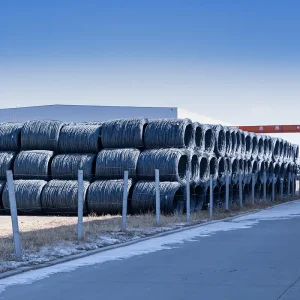
Industrial Whitepaper & Sourcing Guide

Wholesale Galvanised Steel Barbed Wire Suppliers & Factories

Deep-dive technical insights, procurement specifications, and manufacturing excellence from China's leading steel enterprise.

Product Catalog I

Featured Industrial Steel Solutions

Premium structural and core coating solutions engineered for precision, high durability, and diverse international standards compliance.
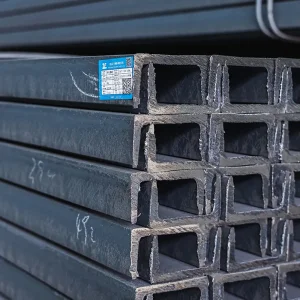
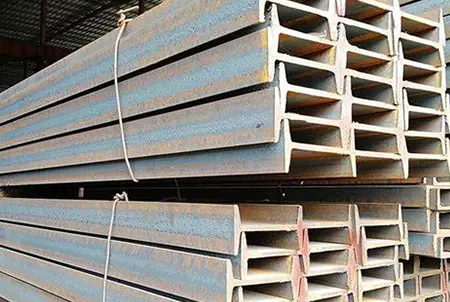
Wholesale C-Shaped Structural Steel Channel

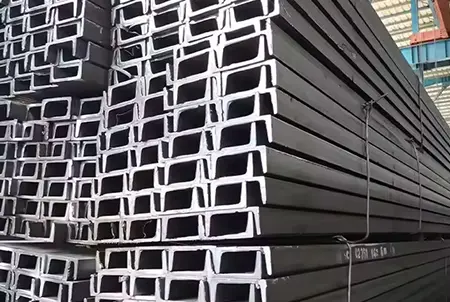
Wholesale C-Shaped Structural Steel Channel/ Hot Rolled Steel Channel Manufacturers

View Specifications
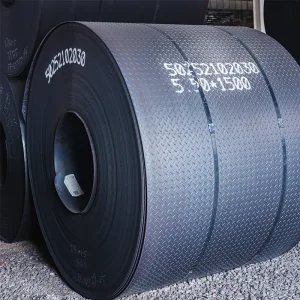
Custom Steel Aluminum Stainless Steel Patterned Coil

Custom Steel/Aluminum/Stainless Steel Patterned Coil Manufacturer, Factories

View Specifications
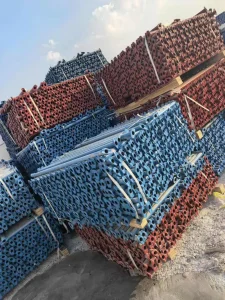
Custom High-Quality Steel Scaffolding

Custom High-Quality Steel Scaffolding: Foundation of Construction Safety

View Specifications
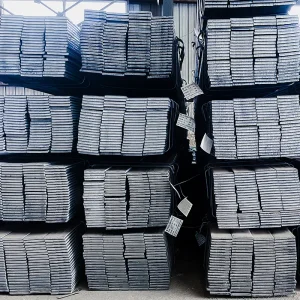
Custom Flat Steel Supplier

Custom Flat Steel Supplier, Manufacturer & Factory Services

View Specifications
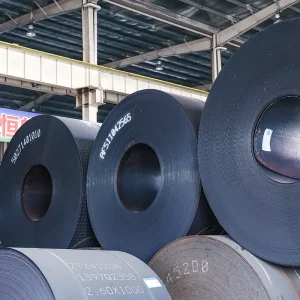
Wholesale High strength hot rolled steel coil

Wholesale High Strength Hot Rolled Steel Coil/Strip/Stainless Steel Coil

View Specifications
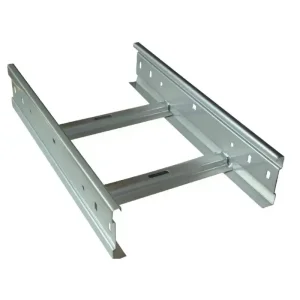
Wholesale Hot-Dip Galvanized Cable Tray

Wholesale Hot-Dip Galvanized Cable Tray Suppliers & Manufacturers

View Specifications
Wholesale Zinc-Aluminum-Magnesium Coil

Wholesale Zinc-Aluminum-Magnesium (ZAM) Coil Manufacturers

View Specifications
Custom Hot Rolled Spring Steel Flat Bar

Custom Hot Rolled Spring Steel Flat Bar Supplier & Manufacturing Facility

View Specifications
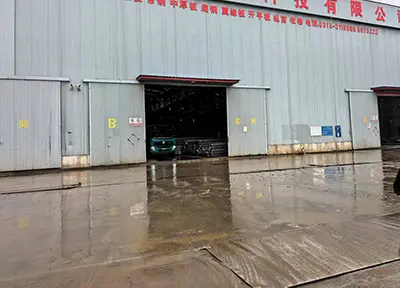
Hansheng Technology Factory Ground Visualization
Hansheng Technology (Hebei) Co., Ltd.

Global Leadership in Steel & Wire Manufacture

Strategically situated in Tangshan City, Hebei Province—the heart of China's heavy steel metallurgy industry—Hansheng Technology benefits from an exceptional logistical ecosystem. Located exactly 150 kilometers from both the Tianjin international seaport and the capital city of Beijing, our shipping lines guarantee rapid mobilization to over 120 countries. Established in 2006, our enterprise has progressed from a regional manufacturer to an export-focused global leader, managing a total annual output capacity of 300,000 metric tons across 8 high-performance production lines, with structural capacity reaching up to 650,000 metric tons within our broader cooperative framework.

Our comprehensive production system strictly aligns with global regulatory standards, including ASTM, DIN, JIS, EN, GB, and AS/NZS. Backed by ISO 9001:2000 and ISO 14001 certifications, we serve demanding structural markets in the Middle East, Southeast Asia, South America, North America, Europe, and Africa. We operate on a foundation of absolute contract fulfillment, providing robust commercial security for large-scale municipal, agricultural, and industrial infrastructure projects worldwide.

2006
Year Established
300K+ T
Annual Capacity
8 Lines
Advanced Production
150 KM
Distance to Port
Technical Whitepaper - Section 1

Metallurgy, Zinc Coatings & Chemical Formulations

An engineering analysis of hot-dip galvanization mechanics, zinc adhesion, and wire core metallurgy for perimeter security applications.

1. The Galvanization Matrix & Corrosion Prevention

The lifespan of galvanised steel barbed wire is directly determined by the quality and density of its zinc alloy coating. Under atmospheric exposure, zinc acts as a sacrificial anode, corroding preferentially to protect the underlying carbon steel core. The standard industrial process utilizes hot-dip galvanization, where cleaned steel wire is submerged in a bath of molten zinc at approximately 450°C (842°F). This causes an intermetallic reaction, forming a series of zinc-iron alloy layers (Alpha, Beta, Gamma, and Delta phases) covered by a pure outer layer of zinc.

The thickness and weight of this zinc layer are defined by international specifications, most notably ASTM A121 (Standard Specification for Metallic-Coated Carbon Steel Barbed Wire) and EN 10223-2. Procurement officers must distinguish between the following classifications of zinc coating weights:

Coating Classification Typical Coating Weight (g/m²) Average Lifespan (Rural/Mild Environments) Average Lifespan (Coastal/Industrial Environments)
Commercial Coating 40 - 60 3 to 7 Years 1 to 3 Years
ASTM Class 1 80 - 110 10 to 15 Years 3 to 6 Years
ASTM Class 3 (Heavy Galv) 230 - 290 30+ Years 10 to 15 Years
Zinc-5% Aluminum (Mischmetal) 200 - 250 50+ Years 20+ Years
Information Gain Sourcing Note: While commercial-grade coatings offer cost benefits for short-term agricultural partition boundaries, industrial projects (such as national borders, railway track corridors, and military zones) require a minimum of ASTM Class 3 hot-dip galvanization. The cost-amortization curve reveals that Class 3 reduces replacement frequency by up to 250% relative to a mere 15% increase in initial material cost.

2. Steel Chemistry & Tensile Strength Management

The structural tensile dynamics of barbed wire depend on the selection of the core wire rod. Suppliers classify barbed wire into low-tensile (soft) steel and high-tensile steel categories:

  • Low-Tensile Barbed Wire: Manufactured from carbon steels (such as SAE 1006 or SAE 1008) with a tensile strength ranging between 350 to 550 MPa. Low-tensile wire is highly malleable, easy to handle during installation, and resistant to snapping under impacts, though it is prone to stretching over long spans.
  • High-Tensile Barbed Wire: Constructed from medium-to-high carbon steel (such as SAE 1045 or SAE 1060), reaching tensile strengths of 1100 to 1400 MPa. High-tensile wires require fewer posts, maintain tension indefinitely without sagging, and resist cutting attempts. However, they demand specialized tensioning equipment during field installation.
Technical Whitepaper - Section 2

Structural Configurations, Wire Geometry & Fencing Dynamics

Evaluating twist directions, barb spacing configurations, and structural engineering layouts for maximum security.

1. Traditional Twist vs. Reverse Twist Structural Configurations

The mechanical twisting method of double-strand barbed wire determines its post-installation structural memory. Factories utilize two primary winding techniques:

Traditional Twist: The line wires are twisted in a single direction. Under changes in ambient temperature or tension, traditional twist wires tend to unwind or untwist, requiring periodic manual tension adjustment.

Reverse Twist: The wire twists alternate direction between each barb. This structure functions as an internal mechanical balance. Under physical strain, the opposing twists pull against each other, eliminating sag, preventing unraveling when cut, and ensuring the wire stays firmly tensioned throughout its service life.

2. Barb Geometry, Spacing, and Point Configurations

The deterrent capability of barbed wire relies on barb spacing and barb design. Procurement engineers should define these parameters based on target threat levels:

  • 2-Point Barbed Wire: Standard spacing at 3, 4, or 5 inches. Highly effective for containment of livestock and large animals. Less metal weight per roll allows for more economical shipping.
  • 4-Point Barbed Wire: Incorporates two interwoven barbs featuring four needle-sharp points. Offers a more robust security barrier for high-security facilities, border perimeters, and infrastructure zones.

Barb Spacing Options: Spacing is typically measured center-to-center. 3-inch (75mm) spacing is selected for high-security environments, whereas 4-inch (100mm) and 5-inch (125mm) configurations balance security and cost-efficiency for large agricultural properties.

Global Sourcing Insight

Global Sourcing Standards & Procurement Challenges

An evaluation of compliance standards, supply chain risks, and volume procurement strategies for international projects.

Procuring barbed wire on a global scale requires navigating complex regional standards, mechanical property variations, and supply chain constraints. Heavy construction enterprises, defense ministries, and commercial fencing distributors must look beyond unit price to evaluate overall product lifetime and installation performance.

Key Challenges for Sourcing Teams:

  • Inconsistent Coating Thicknesses: Many non-compliant factories reduce zinc baths or substitute hot-dip processes with electro-galvanization. This can lead to surface rust within 12 months in coastal or high-humidity regions.
  • Tensile Integrity Variances: Inconsistent heat treatment during wire drawing can create localized brittle zones. This increases the risk of wire snaps during high-tension pulling or under cold-weather contractions.
  • Logistical Damages during Maritime Transport: Exposure to saltwater moisture in cargo holds can cause premature oxidation ("white rust") if the wire rolls are not packaged correctly with rust-inhibiting wraps.
Hansheng Quality Solution: Hansheng Technology addresses these risks with a dedicated pre-shipment quality control process. Every batch is tested for tensile strength, elongation limits, and coating thickness, with fully documented testing logs shared with clients prior to port dispatch.
Supply Chain & Compliance

Localized Logistics, Custom Packaging & Maritime Shipping Solutions

How Hansheng utilizes its strategic geographic location and strict packaging standards to ensure damage-free global delivery.

1. Port-Proximity Logistics Advantage

Our main manufacturing facility in Tangshan, Hebei, is strategically positioned near Tianjin Port (one of the largest deepwater ports in Northern China). This short 150km shipping distance minimizes domestic transit times and limits exposure to transport vibrations. It allows us to rapidly dispatch containers, maintaining high supply chain efficiency for urgent infrastructure projects.

2. Sea-Freight Preservation Packaging

To prevent white rust and atmospheric oxidation during maritime shipping, our products undergo a multi-layered packaging process:

  • Anti-Rust Coating: Applying a light, clean, non-greasy protective oil to the galvanized surface.
  • VCI (Volatile Corrosion Inhibitor) Film Wrapping: Creating a protective chemical micro-environment around the wire roll that prevents moisture contact.
  • High-Tensile Steel Strapping: Securing the wire rolls to sturdy, IPPC-certified heat-treated wooden pallets to prevent shifting during transit.
  • Durable Carrying Handles: Equipping agricultural and industrial wire rolls with high-density plastic or wire carrying loops for safe and easy site handling.
Industry Evolution

Technology Roadmap & Next-Generation Coatings

Discover how modern alloy coatings and sustainable manufacturing processes are shaping the future of fencing systems.

1. Transitioning to Zinc-Aluminum-Magnesium (ZAM) Alloys

The standard hot-dip galvanizing process is evolving to meet longer lifespan requirements. Hansheng is leading the integration of Zinc-Aluminum-Magnesium (ZAM) alloy coatings into our wire production lines. ZAM coatings provide several key advantages over traditional zinc coatings:

  • Superior Corrosion Resistance: Offers up to five times the corrosion resistance of standard hot-dip galvanization in highly corrosive coastal and industrial environments.
  • Self-Healing Cut Edges: ZAM alloy coatings feature a self-healing capability. When the wire is cut or scratched, a protective zinc-based film naturally migrates to cover the exposed steel core, preventing rust creep.
  • Reduced Coating Thickness: Achieve equivalent or superior protective performance with a thinner coating layer, saving raw material and reducing overall product weight.

2. Eco-Friendly Manufacturing and Carbon Reduction

In response to global sustainability initiatives, we are continuously optimizing our manufacturing processes. This includes upgrading to energy-efficient heat recovery systems for our galvanizing baths, transitioning to lead-free zinc alloys, and reducing emissions across our production lines to meet strict environmental standards.

Factory Gallery & Production

Inside Our Advanced Manufacturing Facility

A look at our production floor, quality control centers, and logistics operations.
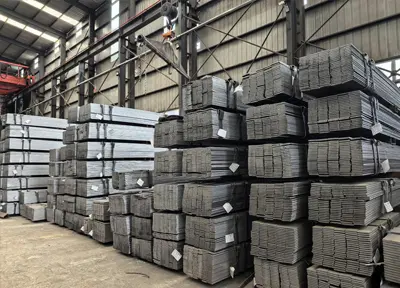
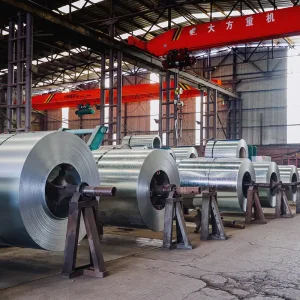
Our factory floor operation 1
Wire Drawing Department
Our factory floor operation 2
High-Speed Galvanizing Line
Our factory floor operation 3
Precision Winding Station
Our factory floor operation 4
Quality Inspection Center
Our factory floor operation 5
Automatic Barbing Winder
Our factory floor operation 6
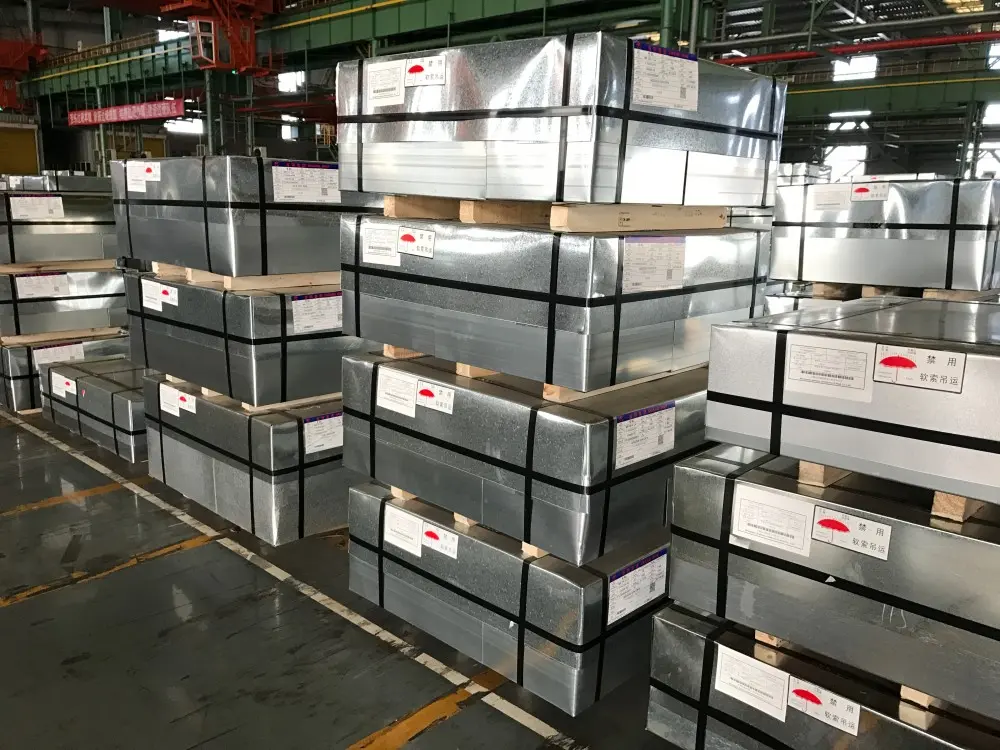
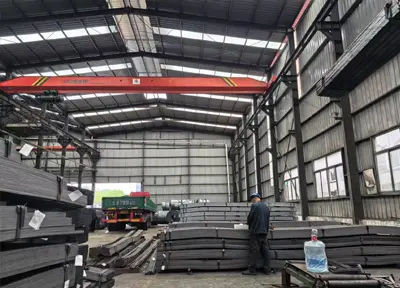
Finished Goods Warehouse
Our factory floor operation 7
Packing & Strapping Area
Our factory floor operation 8
Pre-shipment Load Staging
Industrial Partners

Cooperative Steel Mills

Our raw materials are sourced from top-tier, certified steel mills to guarantee consistent physical and chemical properties.

Successful Delivery

Customer Orders Gallery

A showcase of recent global shipments delivered safely to our international clients.
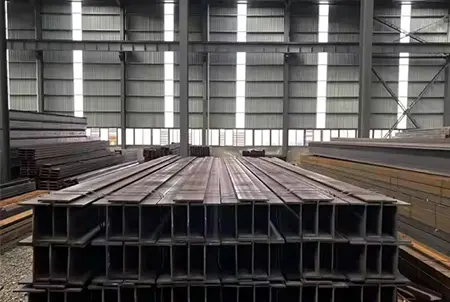
H beam shipment to Dubai
H Beam Shipment to Dubai
Steel plate to Saudi Arabia
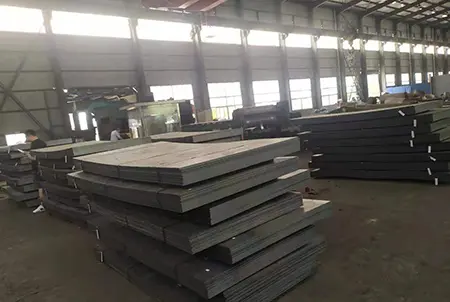
Steel Plate to Saudi Arabia
Jis channel to South Korea
JIS Channel to South Korea
GI wire to Florida
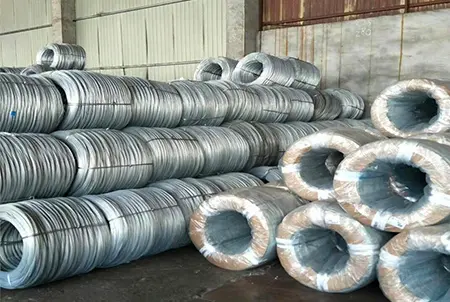
GI Wire to Florida
PC strand to Philippines
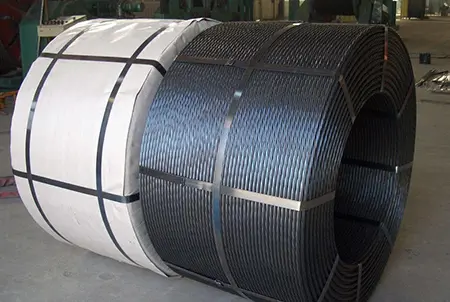
PC Strand to Philippines
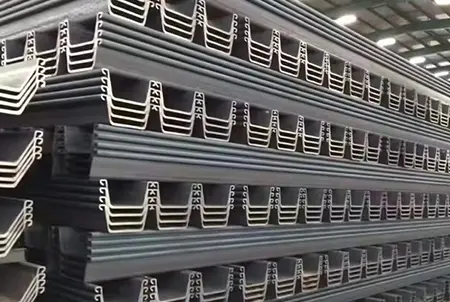
Sheet Pile to Indonesia
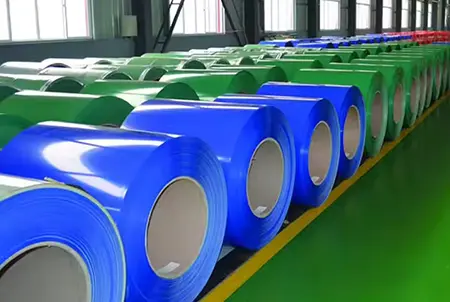
PPGI shipment to Chile
PPGI to Chile
IPEAA to Kuwait
IPEAA to Kuwait
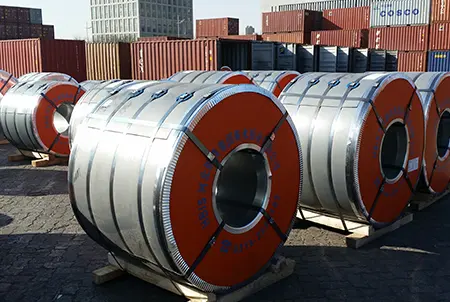
GI shipment to Spain
GI to Spain
Global Projects

Cooperation Cases

Our materials are trusted in key construction projects and industrial facilities around the world.
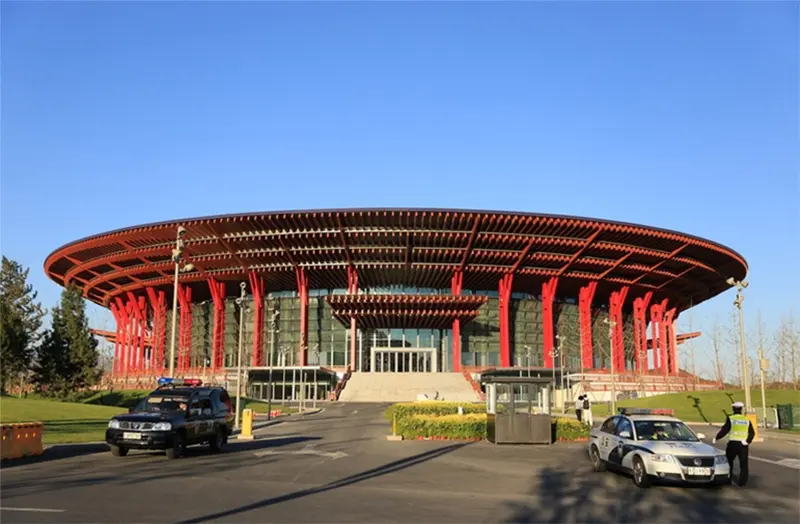
Beijing Yanxihu Convention and Exhibition Center
2013

Beijing Yanxihu Center

Supplied premium structural components and tensioning wires for this high-profile national convention facility project.
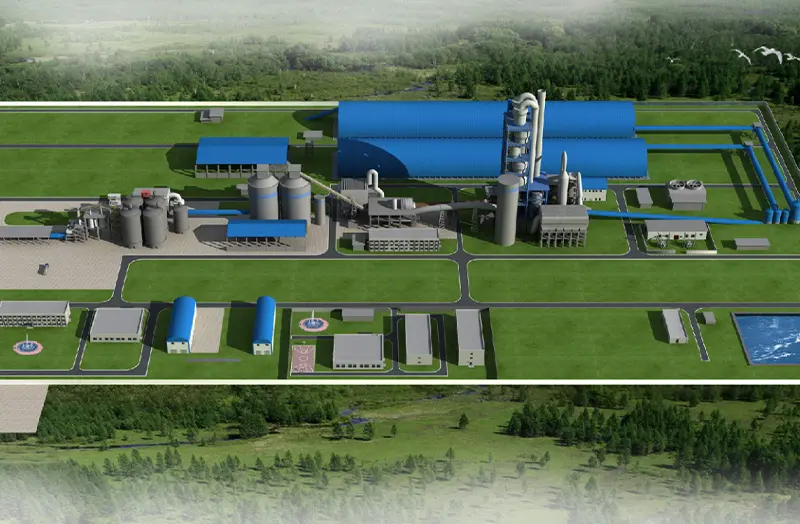
South Africa Mamba Cement Co., Ltd. Project
2014

Mamba Cement Plant

Delivered high-performance structural steel and industrial boundary fencing solutions for South Africa's modern cement production line.
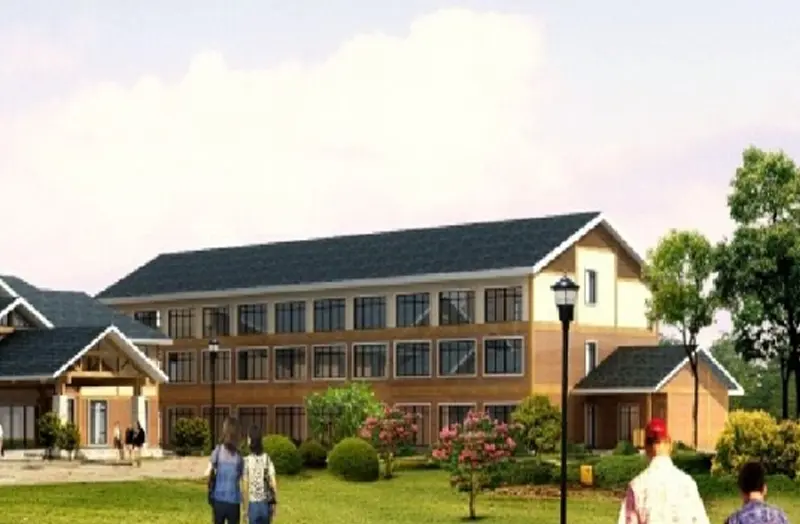
Modern Villa Project to Canada
2020

Canadian Modern Villa Development

Supplied custom corrosion-resistant wire systems and structural components for coastal residential developments in Western Canada.

Buyer Resource

Technical & Sourcing FAQ

Answers to key questions regarding structural design, zinc coatings, and purchasing processes.

What is the primary difference between hot-dip galvanized and electro-galvanized barbed wire?

Hot-dip galvanizing involves immersing the steel wire in a molten bath of zinc, resulting in a thick, metallurgical bond that typically ranges from 80 to 290 g/m² (often lasting decades). Electro-galvanizing (or cold galvanizing) uses electroplating to apply a thin layer of zinc (usually under 15-20 g/m²). This thin coating is more susceptible to scratching and offers significantly less corrosion protection in outdoor environments.

How does the reverse twist design prevent structural sagging?

The reverse twist design alternates the direction of the twists between the barbs, balancing internal torsional stresses. When the wire is tensioned or subjected to temperature changes, the opposing forces work against each other to prevent the wire from untwisting or stretching, keeping it taut over longer spans.

Which standards do you follow for quality verification?

Our manufacturing processes conform to several international standards, including ASTM A121 (for North American markets), EN 10223-2 (for European markets), AS/NZS 4534 (for Australian/New Zealand markets), as well as GB, JIS, and DIN specifications depending on customer requirements.

How does container shipping to high-humidity regions affect the wire, and how is it protected?

During maritime transit, exposure to salty sea air and temperature swings inside container holds can cause condensation and zinc oxidation (white rust). We protect our shipments with multi-layered packaging: a light protective oil coating, Volatile Corrosion Inhibitor (VCI) film wrap, and heavy-duty steel strapping on heat-treated pallets to prevent movement and moisture exposure.

What is the standard spacing for barbs, and how does it impact security?

Standard spacing options are 3 inches, 4 inches, and 5 inches. A shorter spacing (such as 3 inches) places the barbs closer together, increasing physical deterrence for high-security areas. Longer spacing (4 to 5 inches) reduces overall weight and cost, making it ideal for agricultural perimeter fencing.

Do you offer customization for wire gauge and barb length?

Yes. We can customize wire diameters (commonly 1.6mm to 2.8mm), barb points (2-point or 4-point configurations), and coil lengths/weights based on the specific engineering requirements of your project.

What is the expected lifespan of Class 3 galvanized barbed wire in coastal regions?

In harsh marine environments, Class 3 hot-dip galvanized wire (with a zinc weight of 230-290 g/m²) generally lasts 10 to 15 years before the onset of significant red rust. For even longer lifetimes in coastal applications, we recommend utilizing advanced Zinc-Aluminum-Magnesium (ZAM) alloy coatings.

Can you provide material test reports (MTR) and ISO documentation for sourcing compliance?

Yes. Every shipment is accompanied by Mill Test Certificates (MTC) detailing chemical composition, tensile strength, and coating weight measurements. We also provide our ISO 9001:2000 and ISO 14001 certification records to support compliance audits.
Product Catalog II

Additional Steel Products & Accessories

Explore our full range of high-performance steel coils, sheets, wire ropes, and structural solutions designed for global industrial projects.
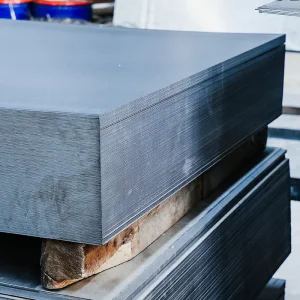
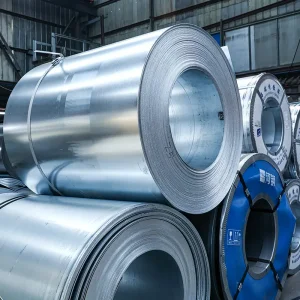
Custom High strength cold rolled steel coil

Custom High Strength Cold Rolled Steel Coil / Good Ductility Cold Plate Manufacturers

View Specifications
Wholesale Galvanized sheet and coils

Wholesale Galvanized Sheet & Coils / Zinc-Coated Steel Strip Suppliers

View Specifications
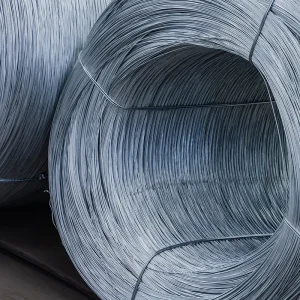
Custom High or low Carbon Steel Wire

Custom High/Low Carbon Steel Wire / Hot-Galvanized Steel Wire Supplier

View Specifications
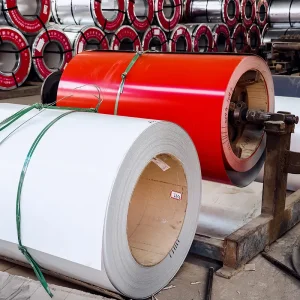
Wholesale Weather Resistant Color Coated Steel Sheet

Wholesale Weather Resistant Color Coated Steel Sheet for Roofing & Cladding

View Specifications
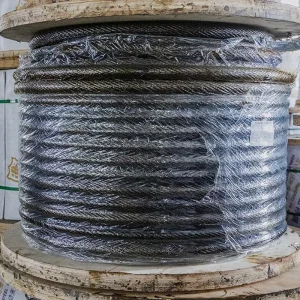
Wholesale High-Tensile Steel Wire Rope

Wholesale High-Tensile Steel Wire Rope for Lifting & Rigging Applications

View Specifications
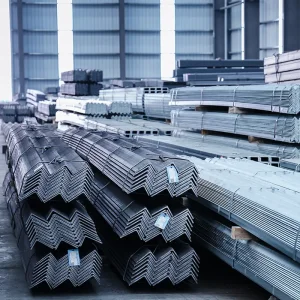
Wholesale Equilateral angle steel

Wholesale Equilateral Angle Steel & Unequal Angle Steel / Construction Framing

View Specifications
Wholesale High-Strength Precision Wire Rods

Analysis of High-Strength Precision Wire Rods: Core Models & Element Parameters

View Specifications
Wholesale C-Shaped Structural Steel Channel

Wholesale C-Shaped Structural Steel Channel/ Hot Rolled Steel Channel Manufacturers

View Specifications