A comprehensive study on structural integrity, metallurgical optimization, and safety parameters of high-performance scaffolding steel planks for modern high-hazard environments.
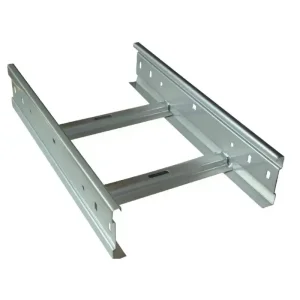
Unlike traditional timber or basic aluminum planks, high-integrity steel springboards offer advanced load-bearing capacities and critical deflection resistance. Engineered to prevent dynamic collapses, these panels guarantee structural stability in elevated zones.
Manufactured from premium fireproof carbon steel, our springboards deliver Class A1 non-combustible performance. This is critical for industrial applications where sparks, thermal shocks, or active welding work threaten site integrity.
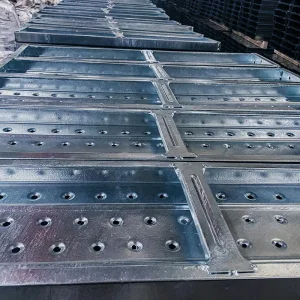
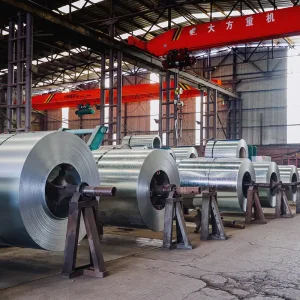
Utilizing high-end Hot-Dip Galvanization (HDG) technology, these planks resist moisture, salinity, chemical corrosion, and physical abrasion, offering a service life exceeding 10 years with minimal maintenance costs.
Across the global landscape of structural civil engineering, heavy petrochemical operations, and offshore maritime infrastructure development, structural stability at height represents the cornerstone of operational risk mitigation. Historically, construction and assembly scaffolds utilized wooden planks or untreated metal structures. However, modern stringent occupational safety regulations (such as OSHA in the US, and HSE in the UK) have accelerated the absolute transition toward engineered, fireproof steel catwalk platforms, often referred to within international logistics networks as Fireproof Steel Springboards.
Our global analysis indicates that the demand for steel springboards is growing at a CAGR of 6.4% in industrialized regions, specifically driven by the rapid expansion of LNG transport terminals, super-tall urban developments, and mining refinery upgrades. As contractors look to limit onsite hazards, they require high-strength steel springboards with certified metallurgical traits. These solutions must withstand severe wind loads, highly humid coastal conditions, and the mechanical impacts of heavy industrial rigging equipment.
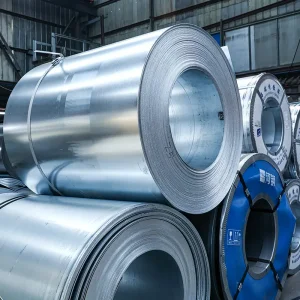
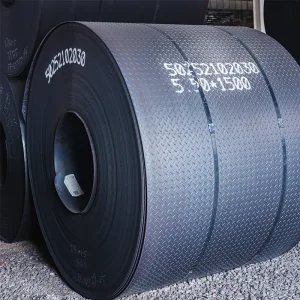
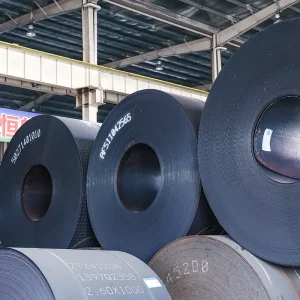
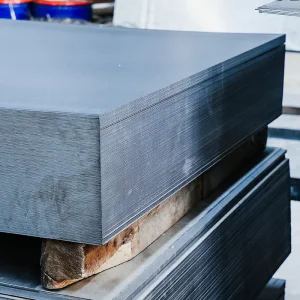
Developing a dependable fireproof springboard starts with premium carbon steel coils. To meet international load profiles, the raw coil stock must present precise tensile strengths (typically Grade Q195 to Q235, or global equivalents like ASTM A36 and S235JR). Dynamic roll-forming systems gradually shape this flat strip into a rigid channel layout. Stiffening ribs, strategically spaced down the board's interior, provide high torsion resistance and distribute concentrated spot loads across the entire structural area.
An equally important detail is the surface geometry. Our standard manufacturing molds incorporate embossed, raised-aperture perforations. These raised patterns serve two key purposes:
Standard building sites face typical weather conditions, but industrial projects operate under extreme conditions that quickly degrade inferior equipment. Our specialized steel springboards are optimized for the following high-challenge environments:
These zones feature persistent ambient salt spray and volatile organic compounds. Our hot-dip galvanized springboards feature zinc coatings exceeding 500 g/m² (complying with ASTM A123 / ISO 1461). This heavy-duty protection ensures they remain structurally sound despite constant contact with chemical fumes and salt spray.
Shipyards and refineries involve constant welding, flame cutting, and abrasive grinding. Wooden planks present a severe fire hazard in these environments, while aluminum can lose its structural integrity when exposed to extreme radiant heat. Our structural steel boards maintain their load-bearing capacity even at temperatures exceeding 600°C, providing crucial escape routes in emergency situations.
Wind shear forces increase exponentially at high elevations. Our steel springboards feature integrated end hooks and secure locking tabs to prevent wind-uplift. Additionally, their carefully calculated perforation ratio minimizes wind resistance, reducing dynamic sway and protecting the integrity of the scaffold framework.
| Performance Metrics | Fireproof Steel Planks (Hansheng) | Traditional Timber Planks | Standard Aluminum Planks |
|---|---|---|---|
| Fire Safety Rating | Class A1 Non-combustible | Combustible / High Hazard | Melts at high heat (>600°C) |
| Corrosion Resistance | Excellent (Hot-Dip Galvanized) | Prone to rot and fungal decay | Good, but vulnerable to galvanic reaction |
| Bending & Yield Strength | Very High (Torsion Stiffened) | Low (Subject to knots and cracking) | Moderate (Prone to deformation) |
| Operational Lifespan | 8 to 12+ Years | 1 to 2 Years | 3 to 5 Years |
| Recyclability Value | 100% Recyclable Scrap Value | Zero value / Waste disposal costs | Moderate Scrap Value |
Located in Tangshan City, Hebei Province—the heart of China's steel industry—Hansheng Technology (Hebei) Co., Ltd. has spent nearly two decades refining our production systems to deliver premium steel products worldwide. Since 2006, our team has integrated geographic logistics advantages with advanced metallurgy to deliver structural components to major global markets.
Our manufacturing workflow follows a strict quality assurance roadmap:
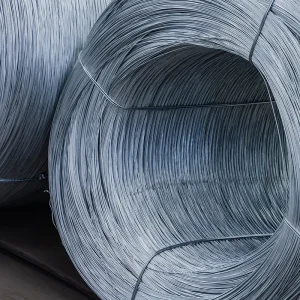
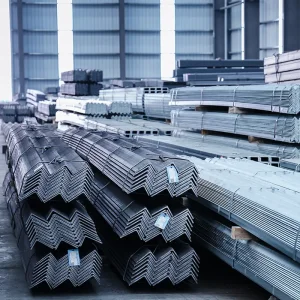
With an annual output capacity of 300,000 metric tons across 8 high-performance production lines, Hansheng Technology manufactures and exports steel wire, hot-rolled coils, structural steel, and custom scaffolding panels globally. Our strategic location near Tangshan—just 150 kilometers from both the major port of Tianjin and Beijing—enables highly efficient ocean and overland shipping logistics.
We maintain full ISO9001:2000 and ISO14001 certifications. Our company operates under a clear, customer-focused principle: honoring contract terms and ensuring on-time delivery. Over the years, we have built long-term commercial partnerships with clients across the Middle East, Southeast Asia, South America, and Europe.
For procurement officers managing global sourcing portfolios, local compliance is critical to avoid project delays or regulatory issues. When importing steel springboards, make sure the products comply with the relevant local codes for your region:
Specifies design load limits, deflection tolerances, and safety factors for scaffolding platforms and scaffolding access ways.
Governs scaffold structural design, load capacity ratios (4x safety factor), and plank overhang regulations.
Sets strict testing protocols for scaffolding planks, including slip-resistance metrics and dynamic bending test tolerances.
At Hansheng Technology, we subject our products to testing regimes that simulate high-stress loads and harsh weather exposures. This ensures that every shipment arrives with the necessary testing documentation, facilitating smooth customs clearance and verification processes.
The construction and engineering sectors are increasingly focusing on materials with lower carbon footprints and longer lifecycles. Our R&D team is actively pursuing new developments in high-strength, low-alloy (HSLA) steel grades. By optimizing the alloy profile, we can reduce plank weight by up to 15% while maintaining the same load-bearing capacity. This makes shipping and onsite handling more efficient, helping projects reduce their overall transport carbon emissions.
In addition, we are looking at next-generation coatings like Zinc-Aluminum-Magnesium (ZAM). ZAM coatings provide self-healing protection along cut edges and punch holes, significantly extending service life in highly corrosive environments. This represents our commitment to developing sustainable, long-lasting industrial safety solutions.
Expert answers to common technical, logistics, and quality questions about fireproof steel springboards.
 Hanshen