Explore our core engineering materials, fabricated to international tolerances and built for demanding civil and industrial installations.
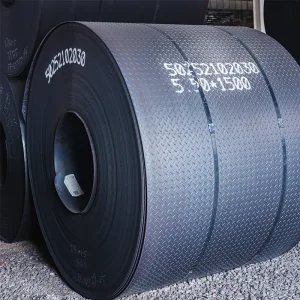
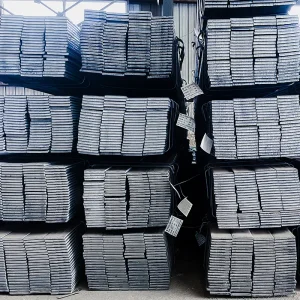
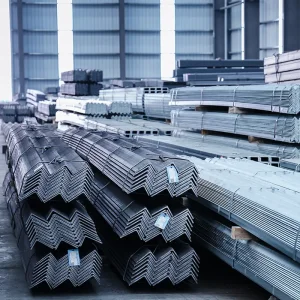
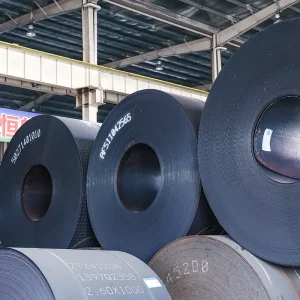
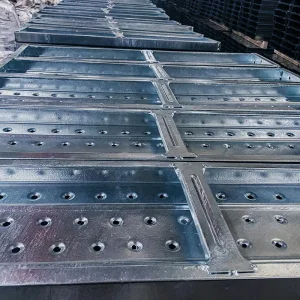
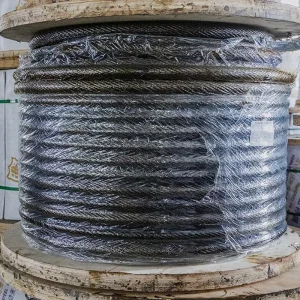
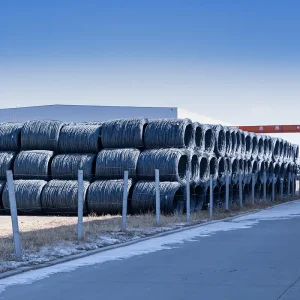
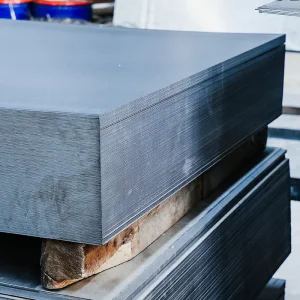
An Industry-Leading Structural Steel Manufacturing & Logistics Powerhouse
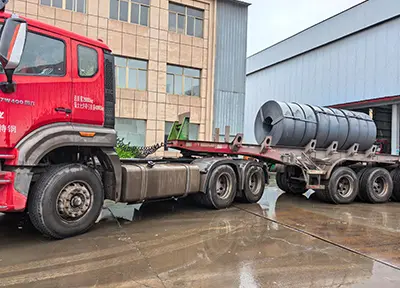
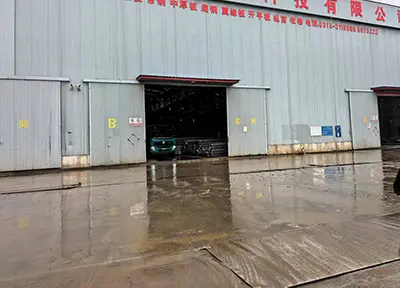
Hansheng Technology (Hebei) Co., Ltd. is strategically situated in Tangshan City, Hebei Province—the absolute heart of China's steel manufacturing sector. Benefiting from a vital geographic position just 150 kilometers from the massive shipping hub of Tianjin seaport and 150 kilometers from Beijing, we command an efficient, world-class multi-modal logistics network. Established in 2006, our enterprise has matured into a globally trusted, export-oriented industrial manufacturer specializing in cold-formed profiles, hot-rolled steel coils, wire rods, and advanced structural solutions.
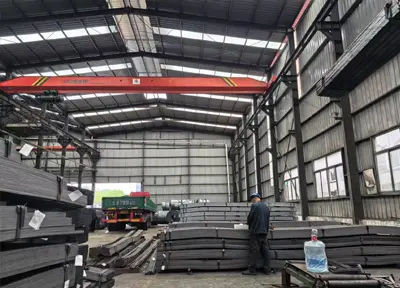
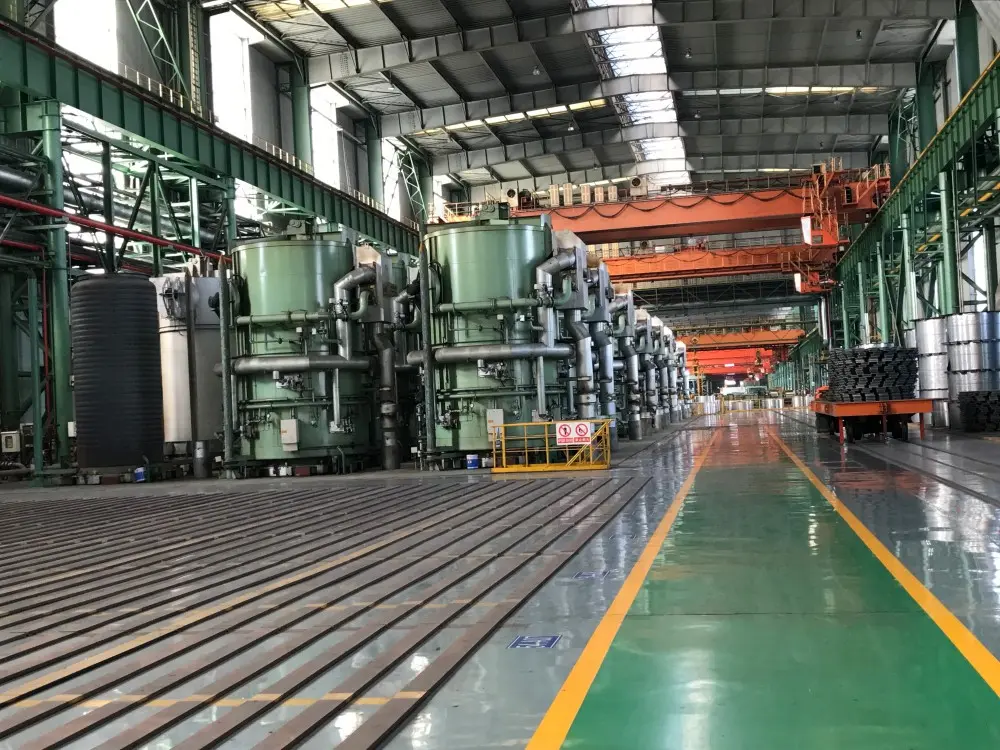
Our facility runs 8 advanced high-efficiency production lines, offering an annual output capacity ranging up to 650,000 metric tons. Every batch is fabricated to meet or exceed strict global regulatory parameters, including ASTM, JIS, DIN, EN, GB, and AS/NZS. Backed by nearly two decades of international supply experience, our materials serve infrastructure, automotive framing, heavy transport, solar installations, and high-rise construction across Europe, the Americas, the Middle East, Southeast Asia, and beyond.
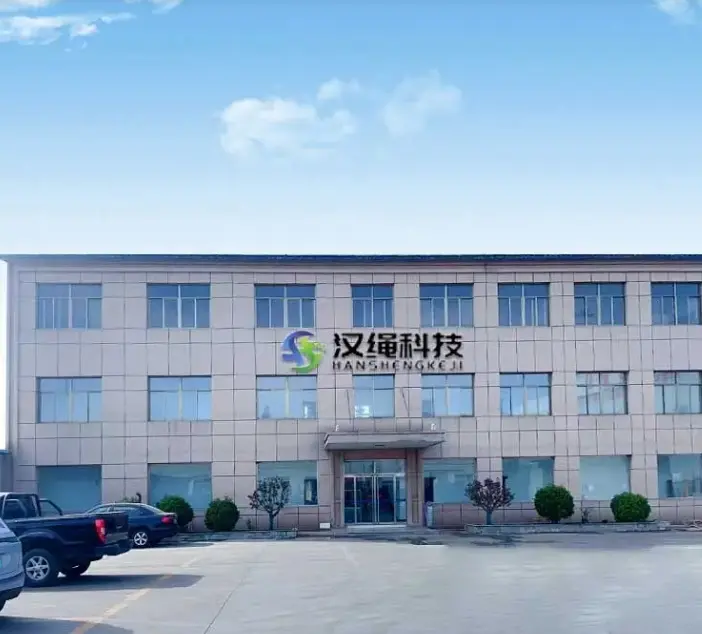
Focusing on prime building materials and innovative cold-formed technologies to construct safer, more carbon-efficient infrastructures globally.
Consistently lead the high-strength section steel and wire rod industry via digital manufacturing, metallurgical precision, and superior service.
Dual-certified under ISO 9001:2000 and ISO 14001, executing full trace inspections from primary raw billets to the final shipped cargo.
Unlocking the Structural Potentials of Cold Formed Unequal Leg L-Profiles
In modern industrial and structural engineering, material optimization is no longer just a method to reduce expenditure; it is a critical mandate for global carbon reduction and design resilience. Cold Formed Unequal Angle Steel represents a key breakthrough in structural efficiency. Unlike traditional hot-rolled sections, the cold-forming process is executed at ambient temperatures, initiating a localized strain-hardening effect (the Bauschinger effect) that substantially raises the steel's yield point. This allows engineers to achieve the same load-bearing capacity with a significantly thinner cross-section, reducing structural deadweight by up to 25% to 40%.
Unequal angle steel (where one leg is longer than the other, e.g., L-profiles) is mathematically optimized to handle asymmetrical loading distributions. In applications where shear and bending forces occur predominantly along a single axis, utilizing an equilateral angle introduces unnecessary metal on the minor load-bearing axis. By shifting material weight from the shorter leg to the longer leg, engineers maximize the section's principal moment of inertia ($I_x$ and $I_y$) and section modulus ($S_x$ and $S_y$), achieving superior structural resistance without excess weight. This makes unequal angles indispensable for structural frame designs, utility towers, and machinery bracing.
Market Shifts, Nearshoring Dynamics, and Strategic Sourcing in the Steel Value Chain
The global trade landscape for structural steel is undergoing rapid structural transformations. Supply chains face challenges from energy pricing fluctuations, regional trade barriers, and shipping constraints. Within this landscape, cold-formed unequal angle steel has transitioned from a specialized component to a core structural commodity. Driven by infrastructure bills in North America, manufacturing localization in Europe, and urbanization across the Asia-Pacific region, the demand for precision-formed L-profiles is growing steadily.
In response to these market dynamics, manufacturers must possess advanced, highly adaptive production systems. Hansheng Technology, operating out of the Tangshan steelmaking cluster, maintains direct access to primary liquid iron and hot-rolled coils, shielding us from raw material volatility. Our physical proximity to the port of Tianjin enables seamless marine transport lines to major global gateways. This logistics pipeline guarantees steady delivery schedules, shielding international EPC contractors from costly project delays.
| Regional Market | Primary Drivers | Typical Materials & Specs | Regulatory Obstacles |
|---|---|---|---|
| North America | Solar farms, commercial warehouses, transportation framing | ASTM A36, ASTM A572 Grade 50 (with Z275/G90 galvanization) | Section 232 tariffs, Anti-dumping compliance, ASTM testing verification |
| Europe | Automated logistics hubs, vehicle chassis, green energy framing | EN 10025 S235JR, S355JR; Tolerances per EN 10162 | CBAM carbon reporting, strict CE/DoP certification requirements |
| Middle East | Megastructure sub-framing, oil & gas utility supports, desalination plants | High-alloy steel with robust corrosion resistance (ZAM/HDG) | Extreme thermal cycling, high salt fog atmospheric corrosion |
| Southeast Asia | Rapid urban high-rises, industrial factories, transport infrastructure | JIS G3101 SS400, SS490; JIS G3350 structural standards | Intense price competition, moisture/monsoon-related logistics storage issues |
Ensuring Mill-to-Site Traceability and Structural Integrity
For structural engineers and procurement officers, product reliability is verified by certifiable data. When procurement managers purchase wholesale cold formed unequal angle steel, they must ensure the material meets the specific dimensional and metallurgical requirements of the local regulatory jurisdiction. Minor variations in chemical composition or rolling tolerances can lead to structural failures, crack propagation during fabrication, or premature corrosion in the field.
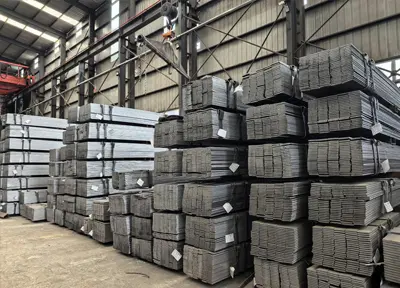
At Hansheng Technology, our manufacturing processes are aligned with major global standards. This commitment begins with sourcing premium, fully certified steel billets and hot-rolled coils. We perform systematic metallurgical analysis, checking carbon equivalent (CEV) values to ensure excellent weldability and bendability. Our cold-forming lines utilize automated thickness and dimension sensors to maintain dimensional tolerances within strict ASTM, EN, and JIS standards.
We supply steel meeting ASTM A36, A572, and A1011 standards. These grades are tested for yield strength, ultimate tensile strength, and elongation. They are optimized for welding, bolting, and riveting in civil structures.
Our structural sections conform to EN 10025 (grades S235, S275, S355) and EN 10162 (cold rolled steel sections). They feature precise corner radii and low internal stress, suitable for automated laser cutting and assembly.
We manufacture cold-formed sections compliant with JIS G3101 (SS400) and AS/NZS 4600. These sections are engineered to withstand seismic and dynamic loads in high-density urban zones.
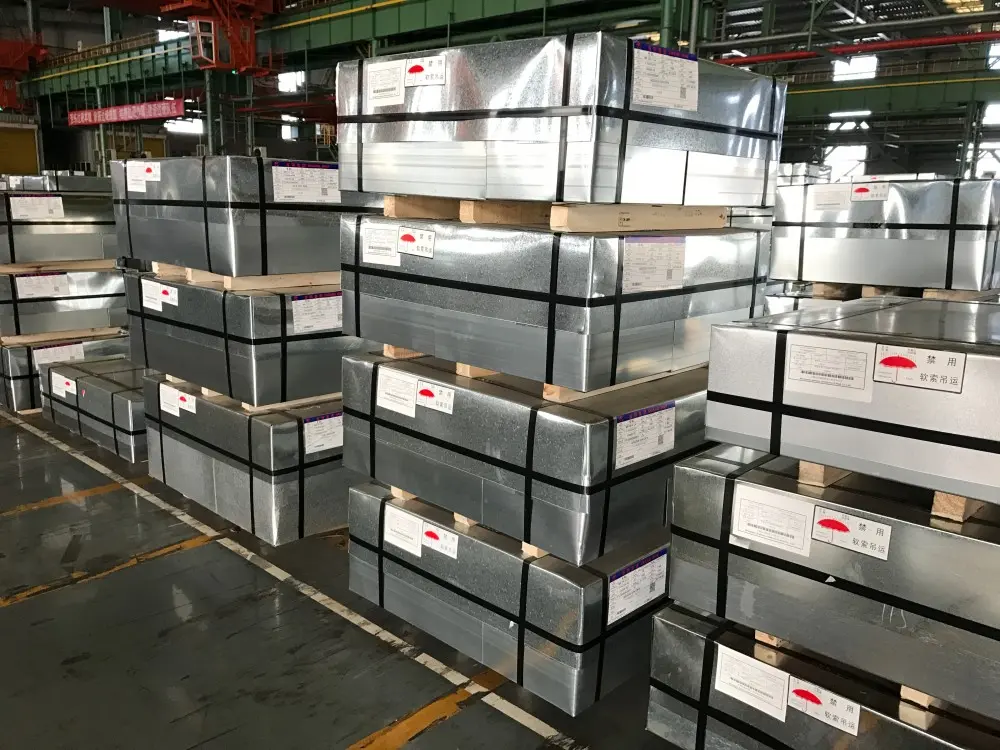
Every shipment is accompanied by a comprehensive Mill Test Certificate (MTC) compliant with EN 10204 Type 3.1. This certificate lists chemical analyses (Carbon, Manganese, Silicon, Phosphorus, Sulfur), mechanical properties (Yield Point, Tensile Strength, Elongation), and non-destructive testing results, ensuring full structural traceability from mill to site.
High-Performance Configurations for Extreme Environments
Cold-formed unequal leg angle steel excels in specialized application scenarios where standard equilateral sections are inefficient or difficult to install. The structural flexibility of the L-profile allows for custom solutions across various challenging engineering environments.
In earthquake-prone regions, steel frames require excellent ductility and balanced energy dissipation capabilities. Cold-formed unequal angles are used as diagonal cross-braces in lightweight steel frames. By positioning the longer leg along the expected plane of lateral force, the brace resists buckling under cyclic loading. The cold-formed profile's uniform grain structure minimizes stress concentrations, reducing the risk of sudden brittle fracture during seismic events.
Marine environments require both structural strength and long-term corrosion resistance. Traditional hot-rolled angles can have surface scale that accelerates localized pitting. Our cold-formed angles feature clean, descaled surfaces that receive protective zinc-aluminum-magnesium (ZAM) coatings or heavy hot-dip galvanization. The unequal leg shape is ideal for space-constrained offshore platforms, providing high bending resistance along the primary axis while maintaining a compact footprint.
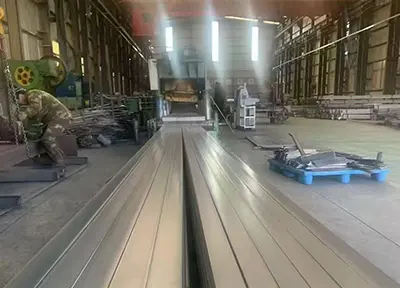
In transport engineering, minimizing vehicle curb weight directly improves fuel efficiency and payload capacity. Cold-formed unequal angles are used for chassis cross-members, utility trailer frames, and agricultural machinery mounts. The roll-forming process allows for custom length runs, reducing the need for field welding and minimizing heat-affected zones (HAZ) that can weaken the steel structure.
Advancements in Smart Fabrication, Ultra-High-Strength Steel (UHSS), and Green Metallurgy
The roll-forming industry is changing rapidly, driven by developments in material science and digital fabrication. The future of cold-formed unequal angle manufacturing is focused on three main areas: material optimization, precision production control, and environmental sustainability.
Traditional structural steel is increasingly being replaced by AHSS and Ultra-High-Strength Steel (UHSS) grades. These materials have yield strengths exceeding 550 MPa. Applying cold-forming to these high-strength grades requires precise control over roll-pass designs to manage springback and maintain tight tolerances.
Our production lines are adopting real-time thickness and bend monitoring systems. These automated controls dynamically adjust the forming rolls to compensate for variations in incoming coil thickness. This ensures consistent dimensions across long production runs, reducing scrap and improving product consistency.
Hansheng Technology is committed to reducing the environmental footprint of our operations. We utilize clean energy sources, recycle process water, and source steel coils from mills that employ energy-efficient electric arc furnaces (EAF). We also use biodegradable lubricants in our cold-rolling lines to minimize hazardous waste.
Direct Answers from Our Engineering and Quality Assurance Teams
A history of reliable deliveries to major infrastructure and industrial sites worldwide.
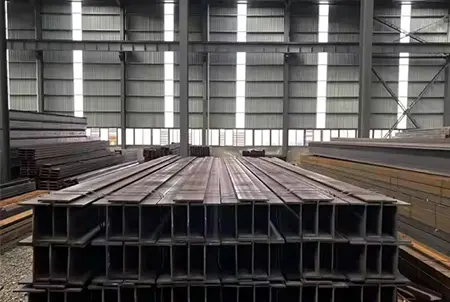
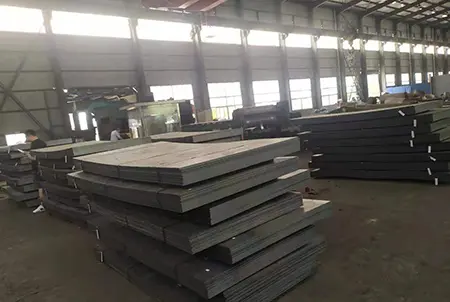
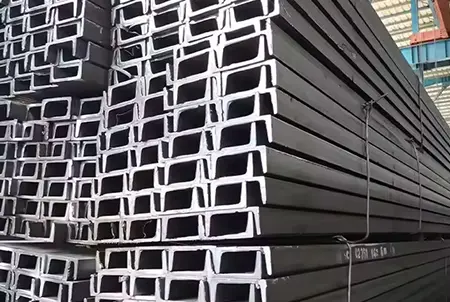
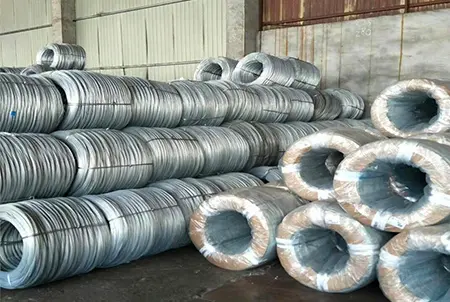
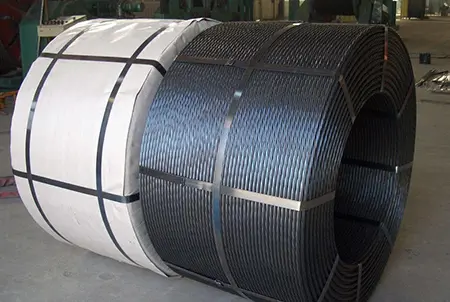
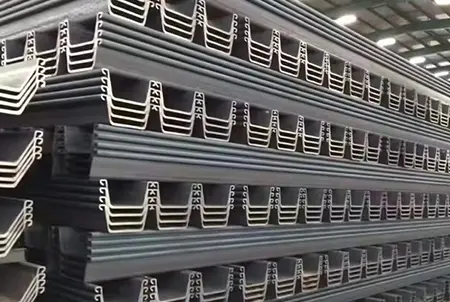
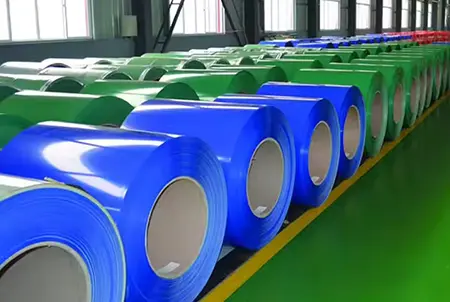
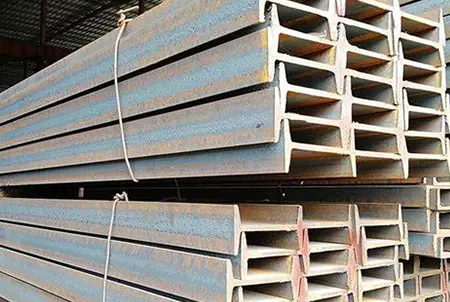
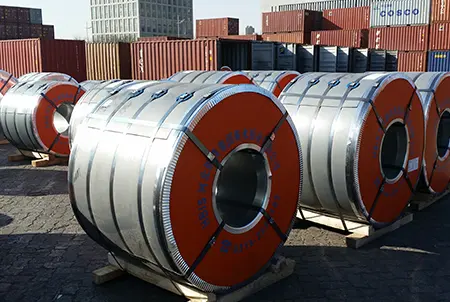
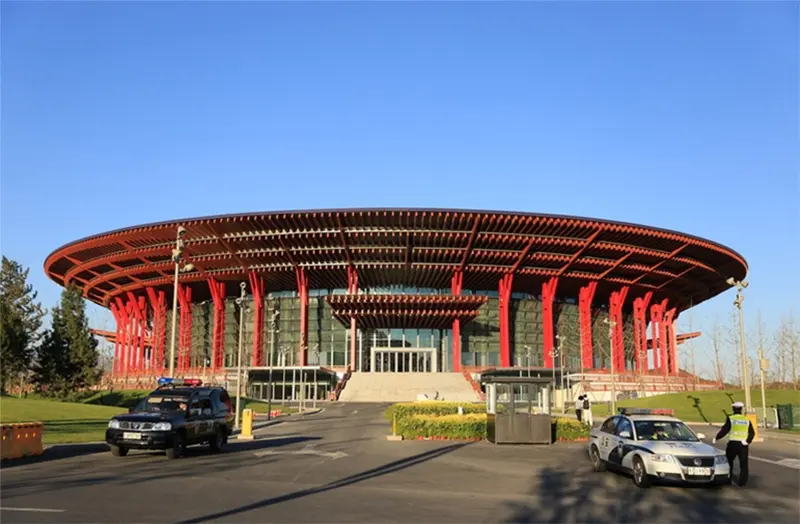
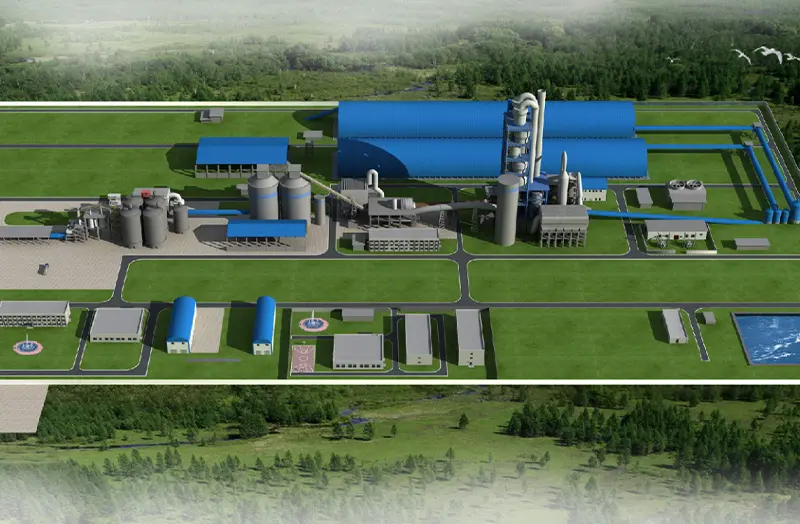
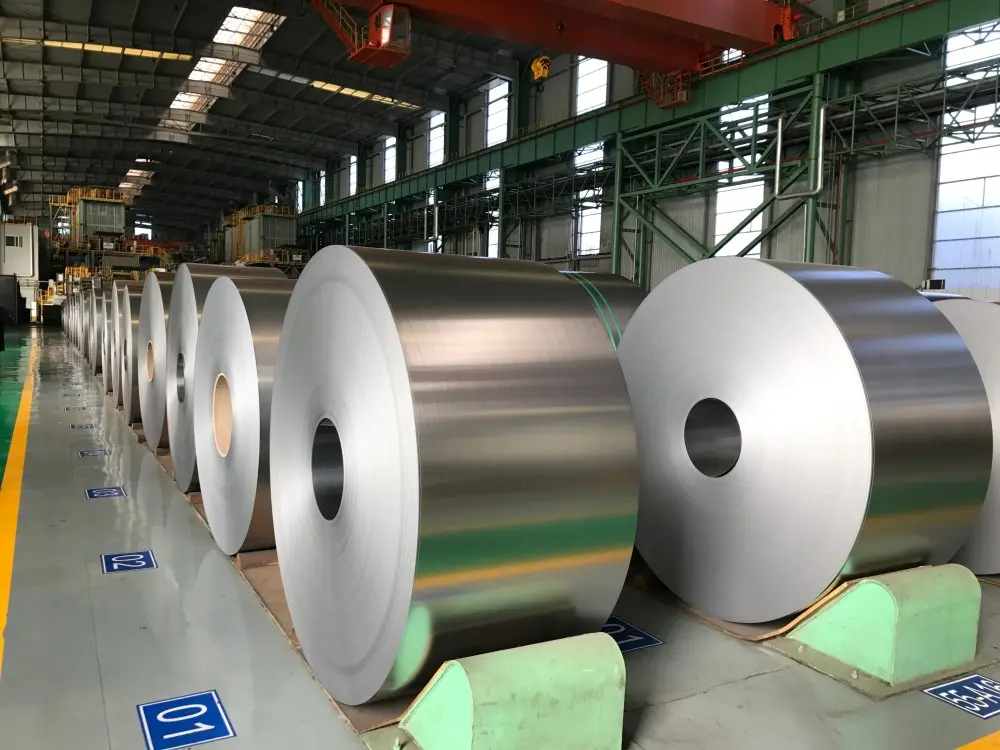

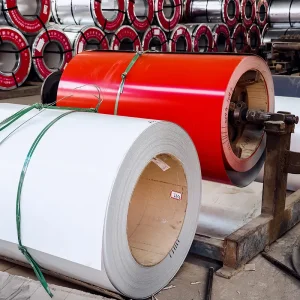
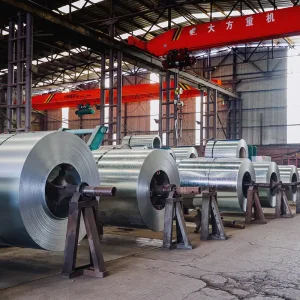
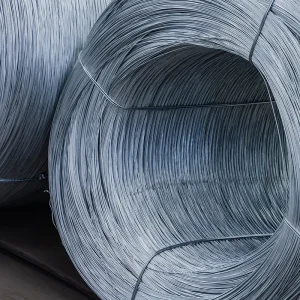
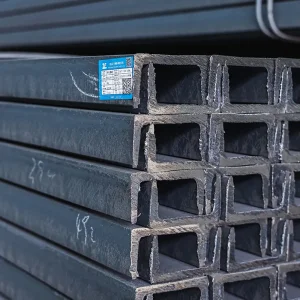
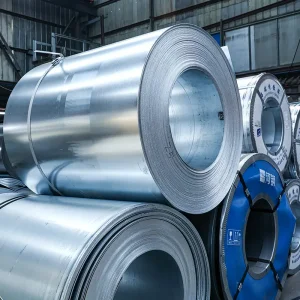
Complete your design requirements with our wide range of weather-resistant coils, high-strength structural channels, and galvanized components.
 Hanshen