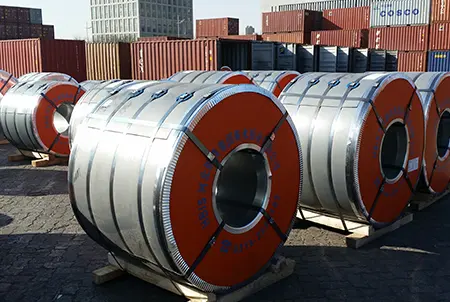
Direct Mill Shipments Under Global Regulatory Compliances (JIS, ASTM, DIN, EN)
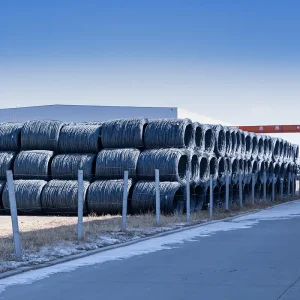
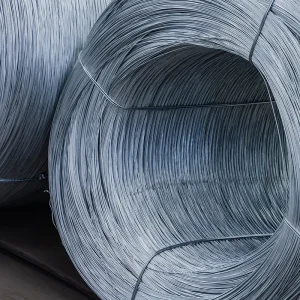
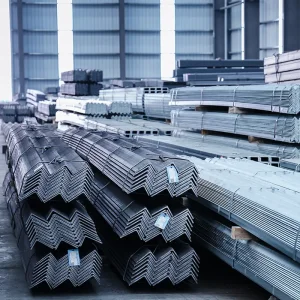
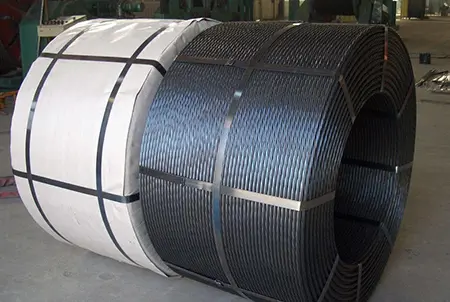
In the arena of modern metallurgy and heavy industrial engineering, carbon steel wire rods represent one of the most critical structural raw materials. These rolled steel products serve as the precursor for countless high-strength items, including cold-drawn industrial wires, prestressed concrete strands (PC strands), automotive springs, tire cord wires, structural fasteners, and heavy-duty wire ropes. For global procurement officers and engineering companies, securing a reliable, high-capacity, and technically compliant carbon steel wire rod supplier is not merely a purchasing transaction; it is a critical strategy for managing project risk, ensuring structural integrity, and optimizing production yields.
As a prominent global exporter, Hansheng Technology (Hebei) Co., Ltd. has established a robust footprint in Tangshan, the heart of China’s steel sector. With two decades of experience, we address the strict structural and dimensional requirements of our partners across Europe, the Americas, Southeast Asia, and the Middle East. Whether supplying low-carbon wire rods for soft-mesh weaving or high-carbon wire rods for critical mechanical wire drawing, our mill processing pathways are designed to deliver consistent mechanical properties and precise dimensional tolerances.
Commonly featuring carbon levels below 0.22% (such as SAE 1006, SAE 1008, and Q195/Q235), these rods are highly ductile, making them perfect for mesh manufacturing, standard construction nails, galvanized wire drawing, and everyday tie wire. Their high formability reduces tool wear during cold drawing processes.
Ranging from SAE 1045 to SAE 1080 (carbon content up to 0.85%), these rods are engineered for applications demanding high yield strength and fatigue resistance. They undergo controlled cooling processes to produce a fine pearlitic structure, which is ideal for structural ropes, PC wires, and heavy-duty springs.
Enhanced with elements like Manganese, Silicon, or Chromium, these rods are tailored for critical environments, such as electrode core wires and high-vibration automotive components. They deliver excellent weldability and consistent mechanical integrity across demanding manufacturing cycles.
Our mill controls chemical composition parameters precisely to minimize impurities (Phosphorus and Sulfur < 0.025%), ensuring optimal elongation and tensile properties for severe cold drawing.
High-speed finishing mills maintain rod ovality and diameter tolerances within ±0.15mm, guaranteeing trouble-free payoff during high-speed drawing.
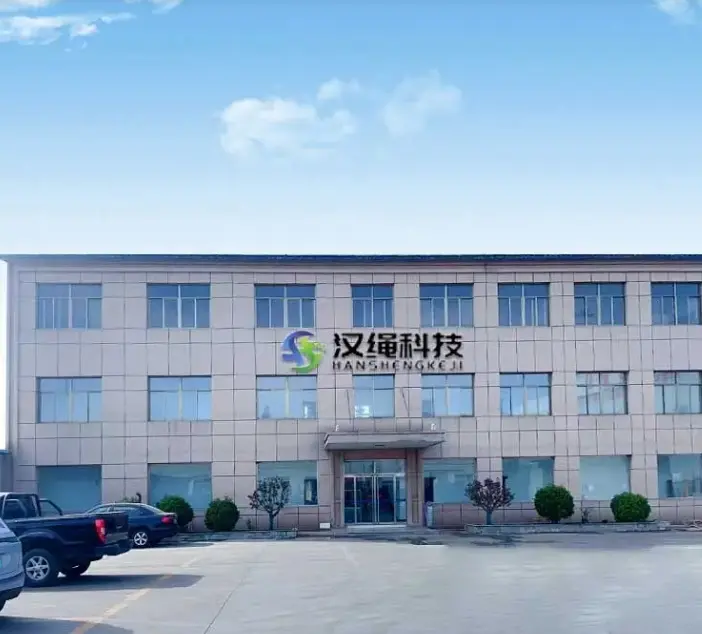
Strategically based in Tangshan City, Hebei Province—the core of China’s steel industrial hub—Hansheng Technology (Hebei) Co., Ltd. operates in close proximity to critical transport links. We are located just 150 kilometers from the major logistics hub of Tianjin seaport and 150 kilometers from the capital city of Beijing, providing our clients with reliable, prompt, and cost-effective shipping access to global markets.
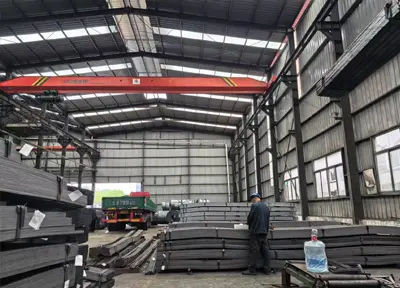
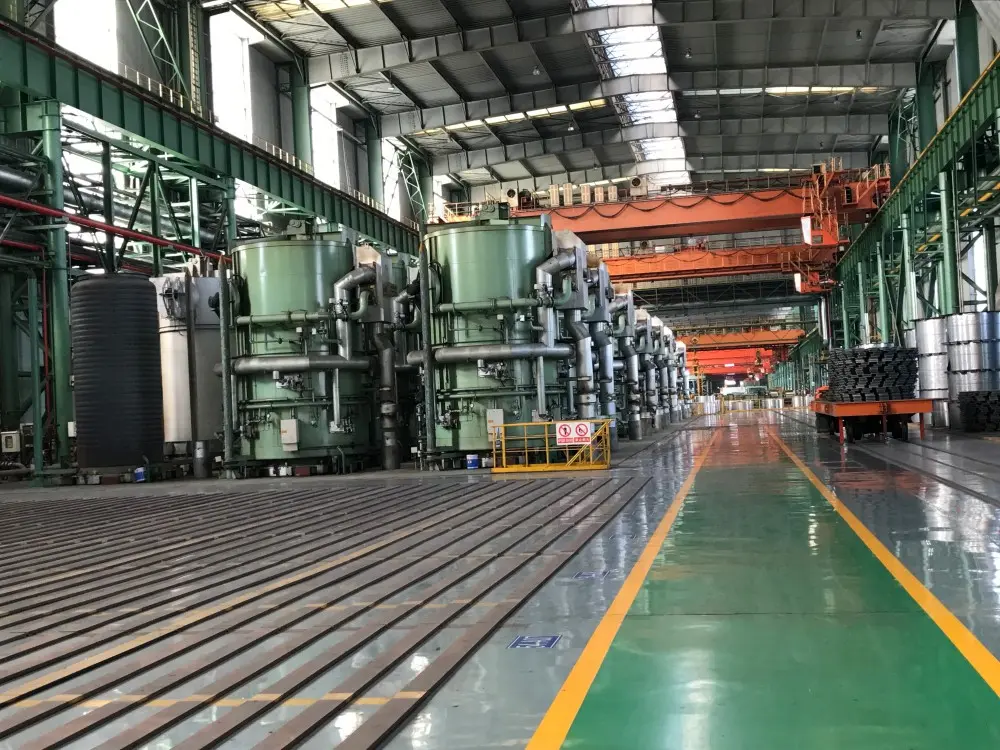
Established in 2006, our company has grown from a local steel processor into a comprehensive, export-oriented enterprise. Supported by 8 advanced production lines and a total annual production capacity of 300,000 metric tons (with raw materials capacity reaching up to 650,000 metric tons across our partner group network), we guarantee stable supply lines for large-scale municipal, structural, and industrial projects worldwide.
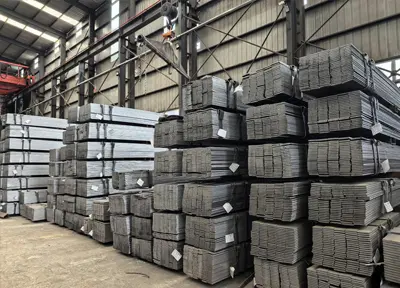
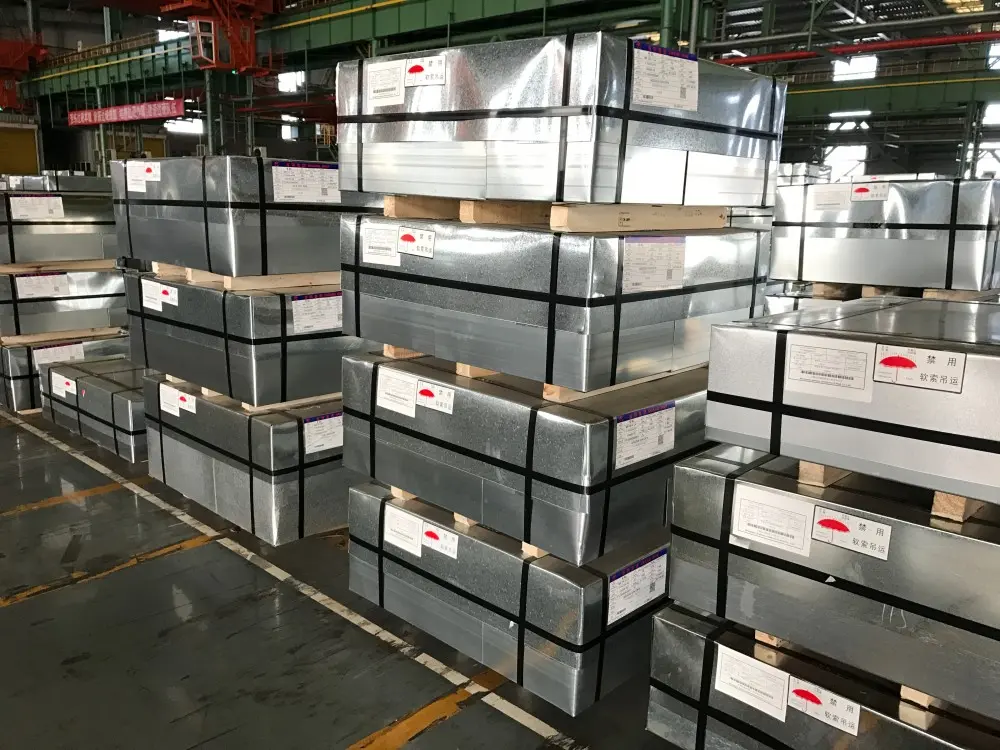
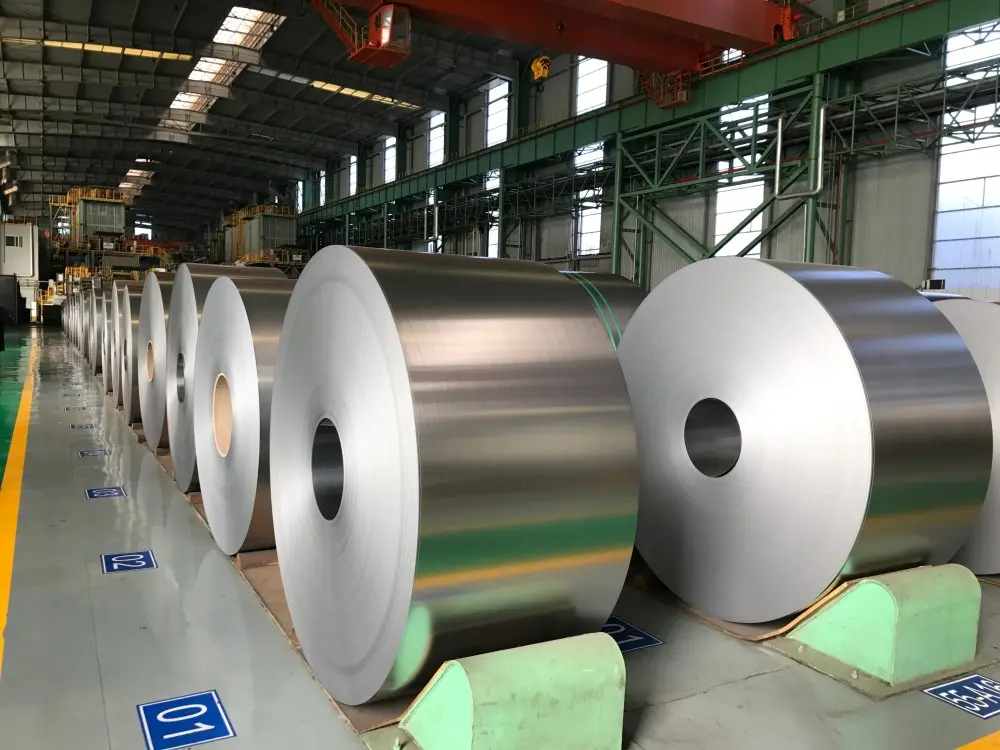
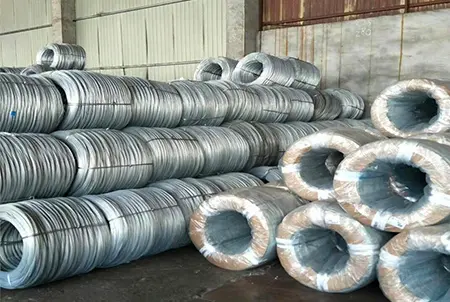
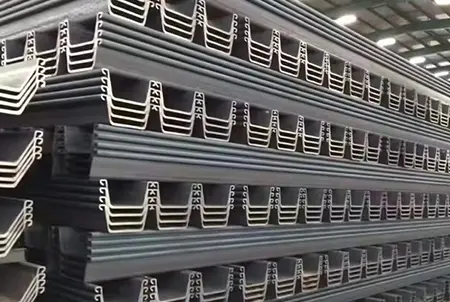
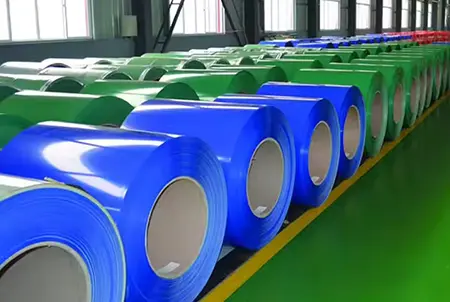
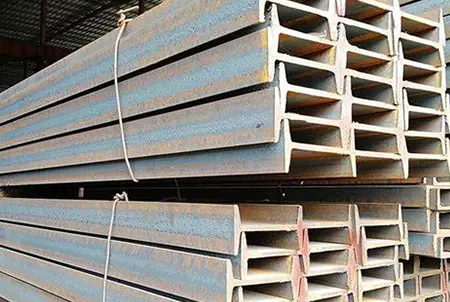
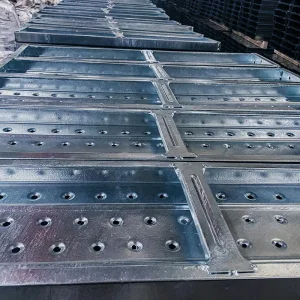
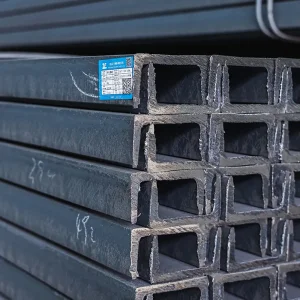
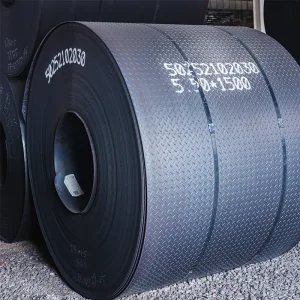
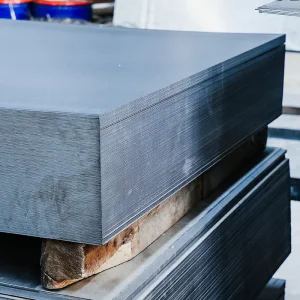
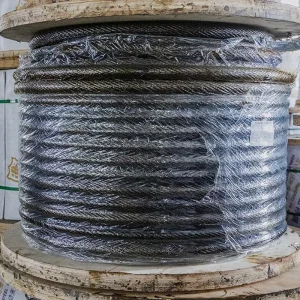
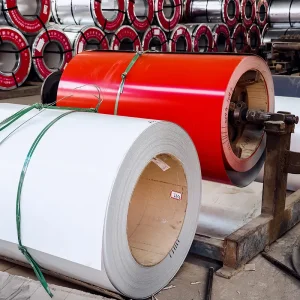
Our core product portfolio includes Galvanized Steel Wire, Hot/Cold Rolled Steel Coils and Sheets, GI/PPGI, GL/PPGL, and various Section Steels. Every batch is manufactured to meet the strict demands of international standards, including GB, JIS, ASTM, DIN, EN, and AS/NZS.
The global market for carbon steel wire rods is undergoing significant structural shifts. Procurement teams are moving away from purely transactional purchasing to focus on supply chain transparency, carbon footprint reduction, and consistent metallurgical quality. Key drivers in the industry include:
Industrial demand is shifting toward green steel technologies. By optimizing blast furnace operations and incorporating low-carbon scrap steel in electric arc furnace (EAF) processing, manufacturers are working to lower the embedded carbon of wire rods to align with modern ESG and carbon tax requirements.
Industrial drawing mills require rods that can endure continuous cold drawing at speeds exceeding 15 meters per second without breaking. Utilizing micro-alloying techniques with elements like Vanadium and Boron helps maximize tensile properties while maintaining the necessary ductility.
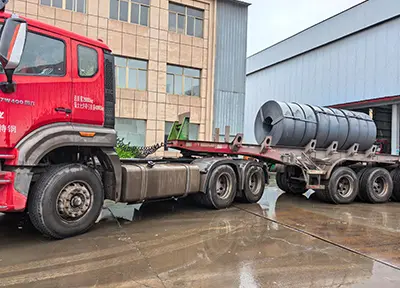
Geopolitical challenges make fast, reliable shipping essential. Industrial hubs close to major deep-water ports (such as our facility near Tianjin Port) help mitigate global shipping risks by ensuring quick container loading and bulk charter options.
Focusing on prime building materials to create a better life for humanity, delivering reliable structural elements that form the foundation of global cities.
To continue to be the leader in the building materials industry, expanding technical capabilities and refining the carbon steel supply chain.
Trust, confidence, and reliability guide all our operations. We maintain integrity in everything we do, adapting to changing market and customer requirements.
Proving our expertise through successful global infrastructure deliveries since 2006
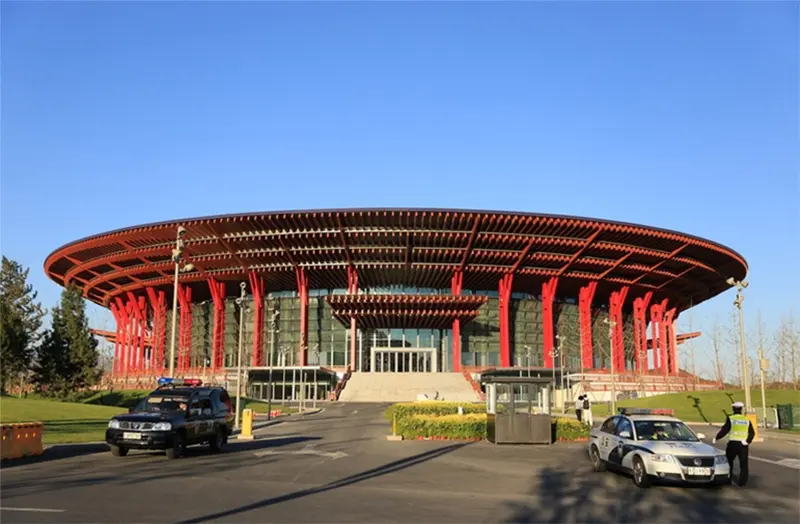
Supplied high-strength structural profiles and wire rods, ensuring structural integrity for this prestigious international meeting venue.
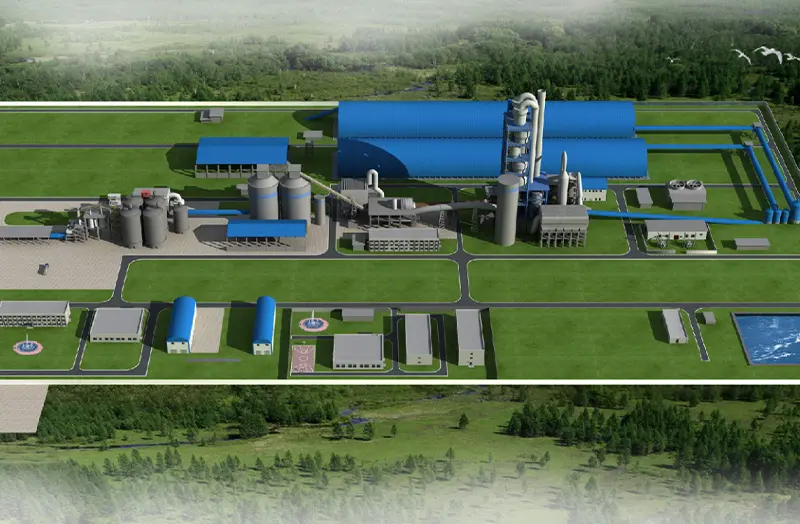
Located in South Africa, this industrial installation utilized our specialized steel products, built to withstand continuous mechanical stress.
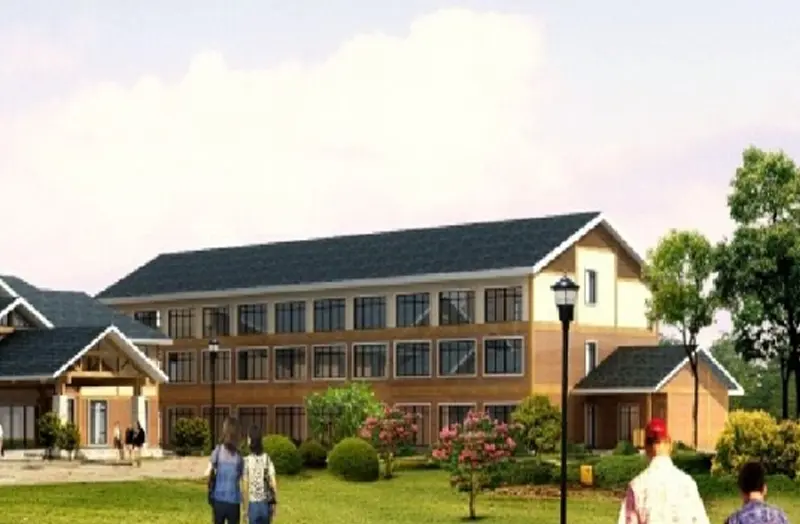
Delivered customized building frames and wire components to support residential construction, meeting stringent Canadian building codes.

To maintain high reliability, our quality management framework covers every stage of production—from smelting and billet selection to wire drawing, heat treatment, and final coil winding. Operating under ISO 9001 and ISO 14001 certifications, Hansheng Technology ensures that every batch meets standard mechanical criteria:
Every delivery undergoes test verification for yield strength, ultimate tensile strength, reduction of area, elongation, and grain size. Tests are performed to align with major standards like ASTM A510/A510M, JIS G3505, and EN 10016.
We utilize eddy-current testing on finishing lines to inspect for surface flaws, seams, or slivers. Defect monitoring helps ensure that the rods remain intact during subsequent cold drawing.
We accommodate independent third-party inspections (SGS, TUV, BV) at the port of departure. This process verifies chemistry, dimensional tolerances, and packaging integrity before transport.
Key technical and logistics inquiries for carbon steel wire rod sourcing
Complementary Steel Solutions for Industrial Infrastructure Sourcing
 Hanshen