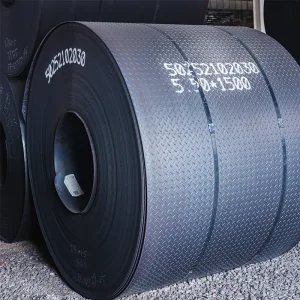
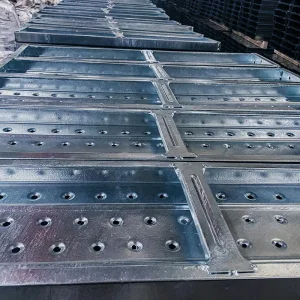
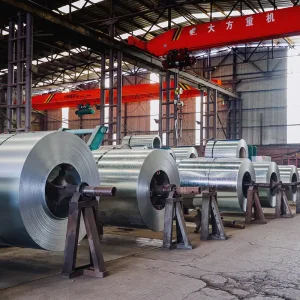
Wholesale Cable Tray for Industrial Use Manufacturers & Factory

High-Capacity Heavy-Duty Cable Support Systems Engineered for Extreme Hazardous, Thermal, and Corrosive Manufacturing Environments Globally

300,000+
Metric Tons Annual Output
Ensuring reliable high-volume supply for major global infrastructure initiatives.
8 Lines
Advanced Production Lines
Equipped with automated continuous roll-forming and high-precision welding.
19+ Years
Industry & Export History
Specialized steel logistics and compliance serving over 80 global markets since 2006.
150 km
To Tianjin Seaport / Beijing
Strategically positioned in Tangshan City, Bohai Bay, for rapid maritime shipping.

Leading Steel Cable Tray Manufacturing Authority

Hansheng Technology (Hebei) Co., Ltd. is strategically situated in Tangshan City, Hebei Province—the historical heart of China’s steel smelting and structural fabrication industry. With a prime location just 150 kilometers from the Tianjin seaport and 150 kilometers from the capital, Beijing, we benefit from a world-class logistics network that ensures highly efficient global shipping. Since our inception in 2006, we have evolved into a comprehensive, export-oriented enterprise specializing in the manufacturing of premium-grade steel structures, wire rods, coils, and specialized cable containment systems.

We operate 8 high-efficiency automated production lines with a total annual production capacity of 300,000 metric tons (scalable to 650,000 metric tons across diverse metallurgical lines). Our product portfolio includes Heavy-Duty Ladder Cable Trays, Perforated Cable Trays, Solid Bottom Channels, and structural supports, meticulously manufactured to adhere to rigorous international standards such as GB, JIS, ASTM, DIN, EN, and AS/NZS.

Driven by our core values of supply chain excellence, competitive pricing, and strict adherence to technical parameters, Hansheng Technology has earned long-standing recognition across markets in the Middle East, Southeast Asia, North Asia, Africa, the Americas, and Europe. We operate under the firm philosophy of "honoring contracts and keeping promises." We view our clients not just as customers, but as strategic partners, ensuring an impeccable track record of contract fulfillment, pre-shipment inspections, and engineering collaboration.
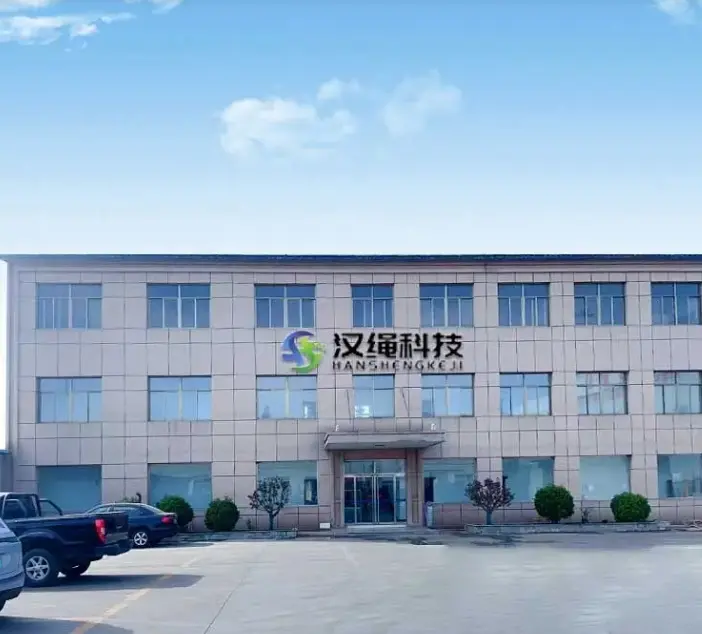
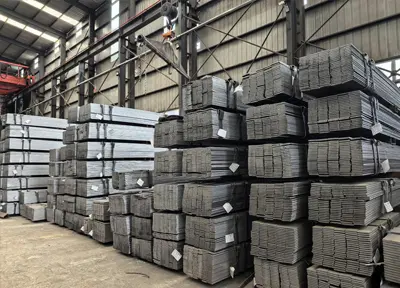
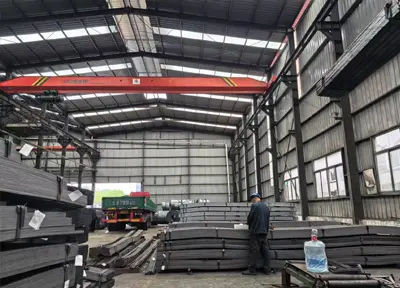
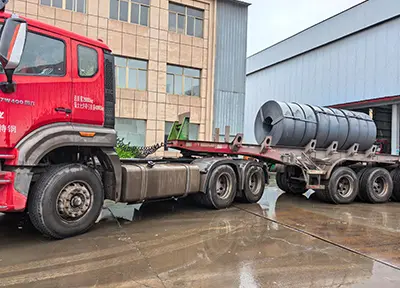
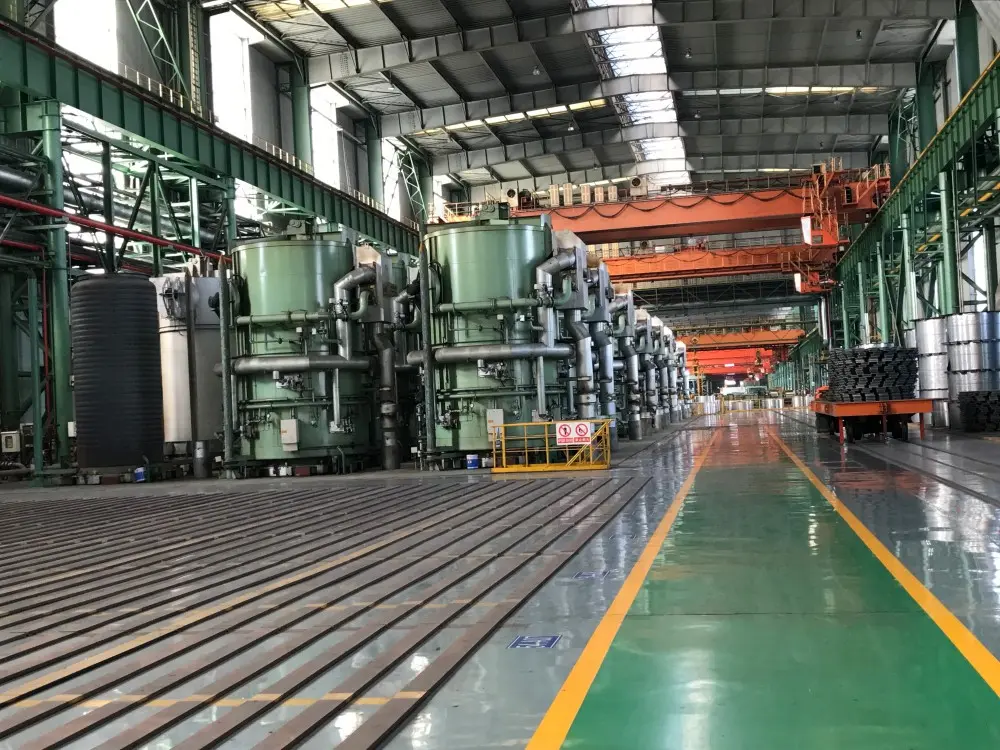
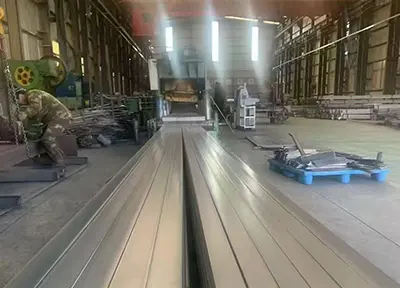
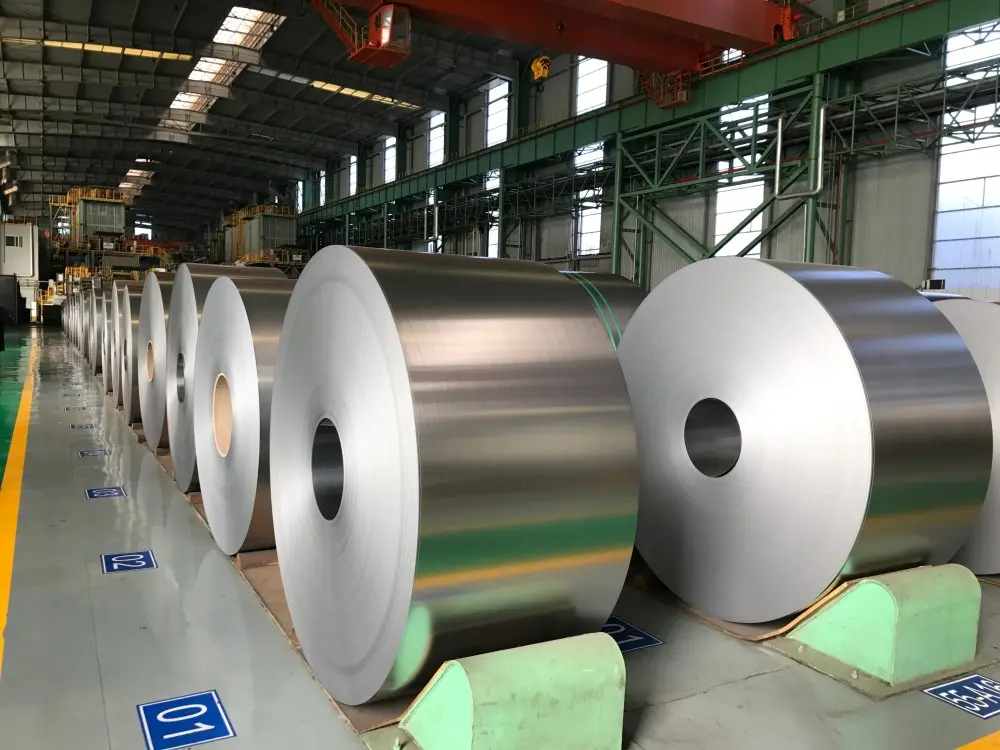
Hansheng Technology Factory Production Facilities

Technical Superiority & Structural Integrity

Why Engineers and EPC Contractors Choose Hansheng Industrial Cable Support Systems

Structural Design Variations

We supply Ladder-type, Perforated, Solid-Bottom, and Wire Mesh configurations. Optimized for maximum heat dissipation, high-load capacities, and ease of routing in heavy-duty environments.

Premium Metallurgical Selection

Fabricated using high-grade structural steel Q235B and Q355B (ASTM A1011/A36 equivalents), Stainless Steel (304/316L), and architectural Aluminum. Resistant to high yield stress and structural deformation.

ASTM & EN Coating Excellence

Specialized in Hot-Dip Galvanized (HDG) coating post-fabrication according to ASTM A123 / ISO 1461, achieving a minimum zinc coating thickness of 65-85 µm for exceptional rust protection.

Rigorous Load Calculations

Hansheng cable trays are tested to meet NEMA VE 1 / CSA C22.2 standards, ensuring a safety factor of 1.5. Certified to withstand designated cable weight plus environmental wind and snow loads.

Integrated Supply Chain Logistics

Our strategic factory location in Hebei provides direct access to primary steel mills and sea ports, reducing transit time, minimizing inland freight costs, and securing highly competitive prices.

Custom Fittings & Accessories

Full engineering supply including horizontal bends, vertical risers, tees, crosses, reducers, cover plates, and heavy-duty seismic-resistant mounting brackets tailored to plant layouts.

Industrial Cable Support Systems: A Technical Whitepaper

Analysis of structural load-bearing capacity, materials selection, localized regulatory compliance, and optimization of supply chain logistics for modern energy, mining, and processing infrastructures.

1. Structural Typology and Mechanical Optimization

Industrial electrical installations require robust structural pathways that protect power distribution, instrumentation, and control cabling from external mechanical impact, thermal stress, and environmental hazards. Hansheng Technology designs and fabricates cable tray systems tailored to specific industrial configurations:

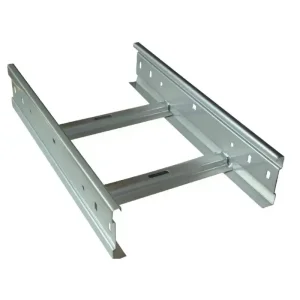
  • Ladder Cable Trays: Recommended for supporting up to 85% of heavy-duty power cables. The design features flat solid rungs welded to side rails at structured intervals (typically 9" or 12"), offering maximum heat dissipation, ventilation, and easy drops through the bottom of the tray. Suitable for chemical, petroleum, and substation facilities.
  • Perforated Cable Trays: Composed of a ventilated flat metal bed with side rails. Perforated trays balance heat control with enhanced support for small-diameter signal, control, and optical fiber cables, preventing sagging and cable insulation friction.
  • Solid Bottom Trays: Engineered for highly sensitive control and instrumentation circuits where complete shielding against electromagnetic interference (EMI/RFI) is required. They offer excellent mechanical protection and exclude airborne dust or corrosive moisture from accumulating directly on cables.
  • Wire Mesh Trays (Basket Trays): Primarily used for low-voltage, data-communication, and fiber-optic networking applications inside control rooms, modular process skids, and server facilities. The lightweight steel wire design allows rapid cutting and on-site routing adjustment.
Tray Type Material Standard Typical Finishes NEMA Load Class Optimal Application Scenarios
Ladder Tray ASTM A36, Q235B / Q355B HDG, Pre-galvanized, Powder Coated 12C, 20A, 20B, 20C Chemical Processing, Substation Power Cabling
Perforated Tray JIS G3302, ASTM A653 Electro-galvanized, Pre-galvanized 8C, 12A, 12B Oil & Gas Refinery Control Lines, Pulp & Paper
Solid Bottom Alloy 5052, SS316, Carbon Steel Natural Mill finish, HDG, Epoxy Coated 16A, 20B Corrosive Chemical Plants, Wastewater Treatment
Wire Mesh Carbon Steel Wire (ISO 16120-2) Zinc Electroplate, SS304 N/A (Light Duty) Industrial Automation Rooms, Cleanrooms, Telecom

2. Metallurgical Selection and Corrosion Inhibition Technologies

Corrosion is the primary cause of mechanical failure in outdoor and chemical-process cable containment structures. Selecting the appropriate base metal and anti-corrosive barrier is essential for achieving a 30-to-50-year service life:

  • Hot-Dip Galvanizing (HDG) Post-Fabrication (ASTM A123 / ISO 1461): The structural steel tray is completely immersed in a molten zinc bath (~450°C) after cutting, punching, and welding. This ensures all edges, holes, and weld seams are protected by a thick, metallurgically bonded zinc-iron alloy layer (65-85 µm thick). This zinc layer acts as a sacrificial anode, shielding the underlying steel from galvanic corrosion.
  • Zinc-Aluminum-Magnesium (ZAM) Alloy Coating: A highly modern alternative that offers self-healing properties on cut edges. ZAM-coated steel displays up to three times the corrosion resistance of standard pre-galvanized sheets in high-chloride marine environments, making it highly effective for offshore wind sub-stations and coastal chemical plants.
  • Stainless Steel (304 / 316L): Engineered for ultra-corrosive environments (such as marine spray, acid-wash plants, and nitrogenous fertilizer facilities). 316L stainless steel contains molybdenum (2-3%), which increases resistance to pitting and crevice corrosion.
  • Fiberglass Reinforced Plastic (FRP/GRP): Highly non-conductive, lightweight, and completely immune to most chemical reagents. Specially engineered for chemical manufacturing, marine environments, and electro-chemical processing units where metal options pose electrical grounding hazards or corrode rapidly.

3. Localized Compliance, Certification, and Quality Assurance

To integrate safely into global infrastructure projects, cable tray manufacturing must align with specific local engineering standards and quality management protocols. Hansheng Technology maintains strict conformance with:

NEMA VE 1 / CSA C22.2 No. 126.1: Specifies manufacturing tolerances, mechanical load capacities, electrical continuity, and rigorous structural testing methods. Each tray design is subjected to destructive load testing using a safety factor of 1.5 to establish safe working loads over spans ranging from 8 feet to 20 feet.

IEC 61537 (Cable management - Cable tray systems and cable ladder systems): The primary European and international standard governing mechanical load-bearing capacity (SWL), electrical continuity, impact resistance, and flame propagation characteristics. Hansheng products comply with IEC certifications to support projects across the EU, Middle East, and Southeast Asia.

ISO 9001:2000 and ISO 14001: Our manufacturing facilities utilize a comprehensive Quality Management System (QMS) and Environmental Management System (EMS). Every production batch undergoes raw material traceability audits, physical dimension verification, weld integrity examinations, and zinc coating thickness checks via magnetic gauge meters before leaving the Tangshan factory floor.

4. The Chinese Steel Supply Chain Advantage: Hansheng's Strategic Position

Procuring cable trays from Hansheng Technology offers distinct advantages in pricing, raw material quality, and logistics:

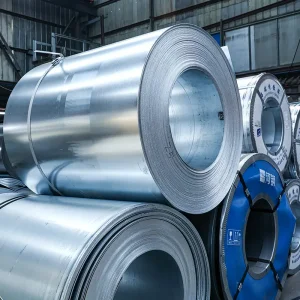
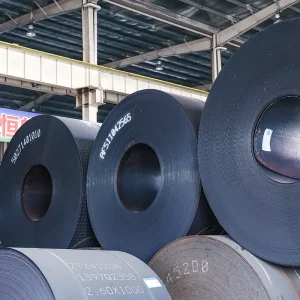
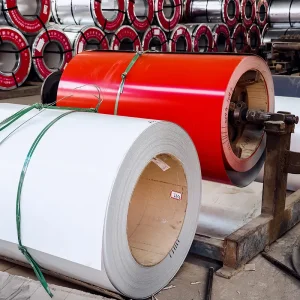
  • Tangshan Steel Cluster Synergy: Located in Tangshan, the steel production capital of China, Hansheng has immediate access to premium hot-rolled and cold-rolled coils from major state-owned steel mills. This bypasses long-distance inland logistics costs, ensuring competitive base metal pricing and short lead times for high-volume orders.
  • Scale and Agility: With 8 high-performance automated production lines and an annual capacity of 300,000 metric tons, we can rapidly process large-volume orders for major projects. Custom tray sizes, custom punch patterns, and specialized bracket fittings are programmed and executed with minimal re-tooling down-time.
  • Bohai Bay Logistics Hub: Being just 150 km from the major international seaport of Tianjin and 150 km from Beijing allows for immediate dispatch. The port of Tianjin provides weekly container routes to Europe, the Americas, Africa, and the Middle East, reducing shipping costs and transit times.

5. Global Enterprise Procurement Dynamics & Load Calculations

Engineering Procurement and Construction (EPC) firms must evaluate cable trays based on structural calculations, considering safety factors, local environment, and ease of installation:

Load Capacity Formula: The safe load-bearing capacity is determined by evaluating the beam design:
w = 8 * S * I / (L^2 * c)
Where w represents the load per unit length, S is the allowable bending stress, I is the moment of inertia, L is the support span distance, and c is the distance from the neutral axis to the extreme fiber. Hansheng's engineering team provides detailed calculations for custom load distributions to ensure compliance with NEMA classes.

Thermal Expansion and Contraction: Large-scale industrial installations spanning several hundred meters require thermal expansion splice plates. For outdoor steel trays, a temperature change of 50°F (approx. 28°C) results in a structural movement of 0.38 inches per 100 feet. We supply specialized expansion splice plates and bonding jumpers to maintain electrical grounding continuity across these expansion joints.

6. Localized Application Scenarios & Engineering Case Studies

Hansheng's structural products and cable trays have been utilized in demanding international environments:

  • Heavy Infrastructure & Processing Plants (South Africa, Mamba Cement Co., Ltd. Clinker Production Line, 2014): High-vibration and dust-heavy cement plant environments require high-capacity ladder trays and structural scaffolding with superior corrosion resistance and load-bearing stability.
  • Public Infrastructure & Exhibition Facilities (Beijing Yanxihu Convention and Exhibition Center, 2013): Clean cable management, precise routing curves, and high aesthetic finishing were executed using perforated and powder-coated steel trays.
  • Severe Corrosive Coastal Applications (Middle East Projects - Dubai, Saudi Arabia): Hot-Dip Galvanized structural framing and channels designed to withstand high humidity, coastal salinity, and ambient temperatures exceeding 50°C.
  • Commercial & Residential Infrastructure (Canada Modern Villa, 2020): Customized interior steel structure frameworks and cable routing elements requiring high-grade zinc-coated protection and aesthetic architectural finishes.

Global Project Case Studies & Factory Capabilities

Proven track record of structural engineering, heavy manufacturing, and shipping logistics

Hansheng Factory Processing Lines

Automated Roll Forming

High-precision cold roll forming line for continuous tray profiling, ensuring uniform side rail thickness and geometric consistency.

Welding Operations

Structural Welding

Automated multi-point spot welding of ladder rungs to side rails, eliminating thermal distortion and guaranteeing high weld shear strength.

Galvanizing Line

Hot-Dip Galvanizing

Post-fabrication galvanizing process, building a robust, multi-layered zinc iron barrier protection against harsh atmospheric attack.

Quality Testing and Inspections

Structural QC Center

Rigorous checks on dimensional tolerance, alignment, coating uniformity, and mechanical strength testing prior to packaging.

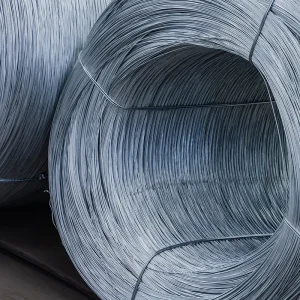
High-Tensile Wire Drawing

Steel Wire Drawing

Custom high and low carbon wire drawing, providing structural wire raw materials for our wire mesh basket cable tray lines.

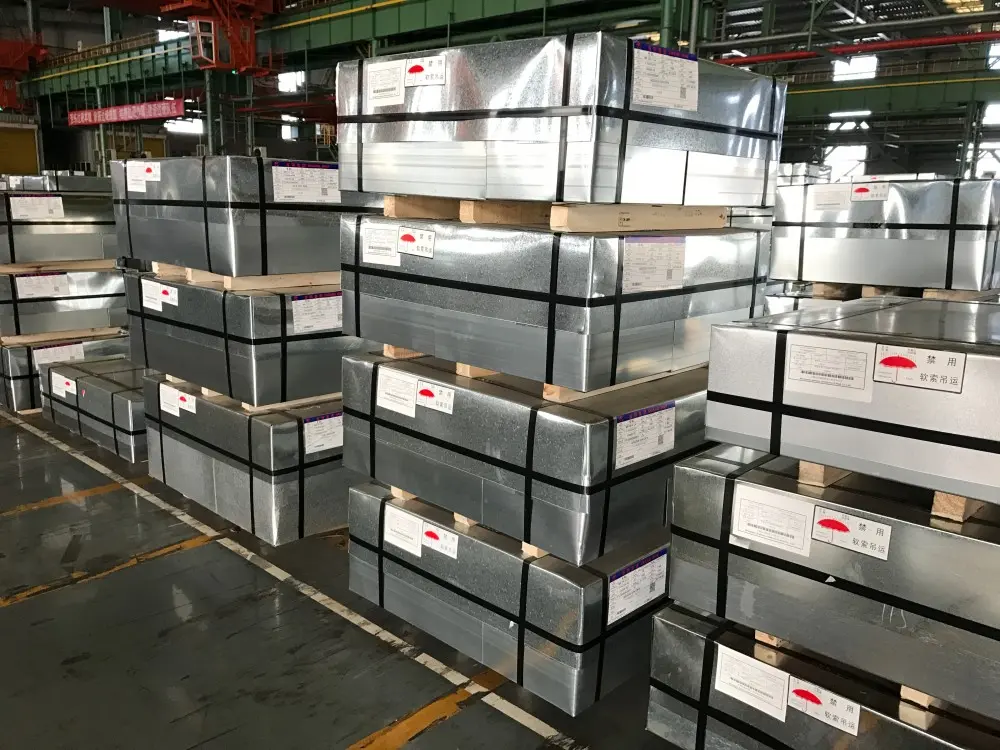
Packaging & Bundling

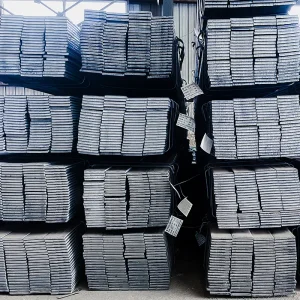
Export Steel Bundling

Double-strapped steel bundling with moisture-resistant outer wraps, preventing damage during maritime transport to global clients.

Containerized Logistics Setup

Global Freight Loading

Expert flat-rack or dry-container loading and bracing at Tianjin seaport, ensuring structural steel parts arrive at remote project sites around the world without deformation.

Cooperative Steel Mills & Industry Alliances

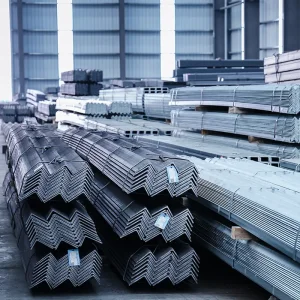
Close partnerships with primary steel smelting conglomerates to ensure stable material sourcing and pricing

Steel Mill Partner 1 Steel Mill Partner 2 Steel Mill Partner 3 Steel Mill Partner 4 Steel Mill Partner 5 Steel Mill Partner 6 Steel Mill Partner 7 Steel Mill Partner 8 Steel Mill Partner 9 Steel Mill Partner 10

Global Project Shipments & Delivery Registry

Connecting industrial steel fabrications and containment systems to active jobsites worldwide
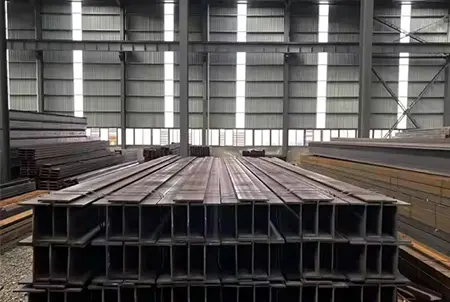
H-Beams shipped to Dubai

H-Beam structural members to Dubai

Supplied heavy structural support beams for commercial infrastructure frameworks in desert conditions.
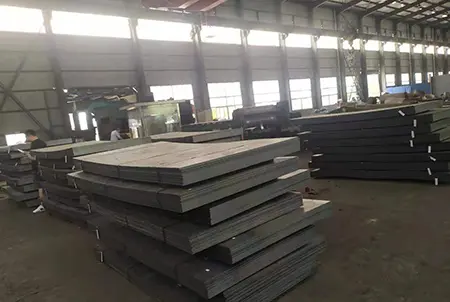
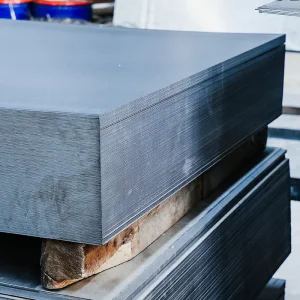
Steel plate to Saudi Arabia

Steel Plate to Saudi Arabia

Heavy industrial grade steel plates shipped to refinery structures in Jubail industrial zone.
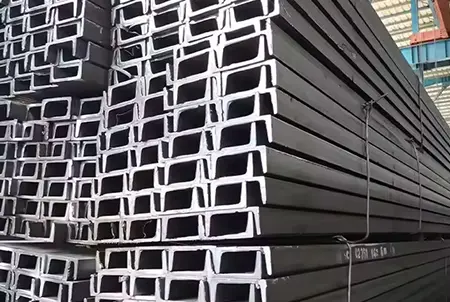
JIS standard channel to South Korea

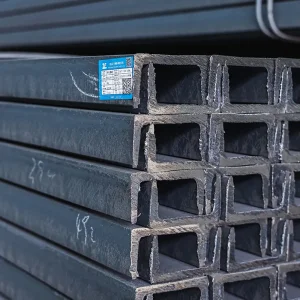
JIS Channel steel to South Korea

Precision-manufactured structural channels compliant with Japanese Industrial Standards for heavy equipment frames.
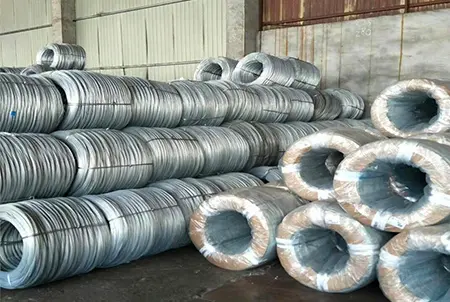
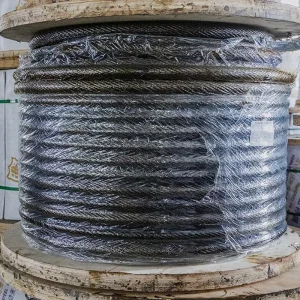
Galvanized wire to Florida

Galvanized Steel Wire to Florida, USA

Delivered high-tensile hot-dip galvanized wire for industrial utility fencing and structural reinforcement.
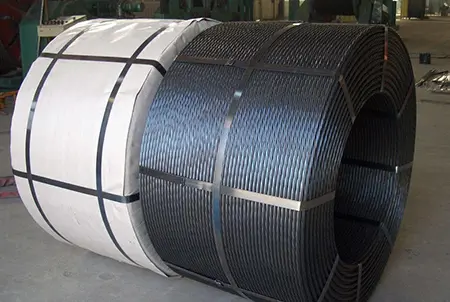
PC Strand to Philippines

Prestressed PC Strand to Philippines

High strength wire tendons for civil infrastructure projects and precast bridge concrete girders.
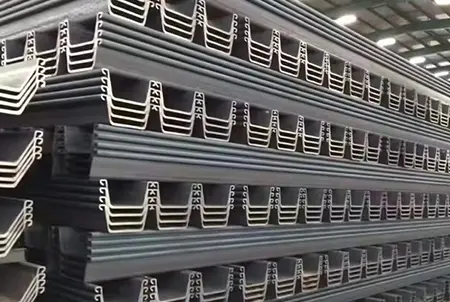
Sheet Pile to Indonesia

Sheet Piling steel to Indonesia

Heavy sheet piles for maritime retaining wall construction and soil stabilization in Jakarta marine projects.

Industrial Cable Tray Systems: FAQ

In-depth technical answers for procurement officers, electrical engineers, and project managers

How do Hansheng cable trays ensure compliance with NEMA VE 1 load ratings?
Hansheng cable trays undergo destructive structural load tests as specified in NEMA VE 1 / CSA C22.2. These tests determine the Rated Load Capacity (expressed in lbs/ft or kg/m) over specified support spans (such as 8, 12, 16, or 20 feet) using a 1.5 safety factor. For example, a NEMA Class 12C rating certifies that the tray can support a load of 100 lbs/linear foot over a 12-foot span without structural failure.
What is the typical thickness and expected lifespan of your Hot-Dip Galvanized (HDG) coating?
Our post-fabrication hot-dip galvanizing process complies with ASTM A123 / ISO 1461. The average coating thickness ranges between 65 µm and 85 µm (equivalent to 460–610 g/m²). In C3 and C4 classified industrial/marine atmospheres, where zinc corrodes at rates of 0.7 to 2.1 µm per year, our HDG cable trays typically offer a maintenance-free service life of 40 to 50 years.
When should an engineer specify a Ladder Cable Tray versus a Solid Bottom Channel?
Specify a **Ladder Cable Tray** when routing high-voltage power cables that generate substantial heat, as the open design maximizes air circulation and prevents thermal derating of the cables. Specify a **Solid Bottom Channel** (or a tray with gasketed covers) when routing sensitive instrumentation and control lines that require protection from electromagnetic interference (EMI), dripping liquids, or heavy dust accumulation.
Do you support customized tray dimensions and structural steel profiles?
Yes. Our factory has 8 automated production lines capable of manufacturing custom widths (100mm to 1000mm), side rail depths (50mm to 200mm), rung spacing configurations, and custom gauge thicknesses. We can also provide tailored fittings such as horizontal tees, vertical sweeps, and custom-angled mounting brackets based on 3D BIM models or CAD drawings.
What quality control checks are performed prior to export shipment from Tianjin?
Our Quality Control system is certified to ISO 9001 and ISO 14001. For every batch of industrial steel or cable tray products, we perform: 1) Raw material mill certificate authentication; 2) Laser micrometer sizing checks; 3) Weld shear strength testing; 4) Electromagnetic coating thickness gauges for zinc verification; 5) Pre-shipment fitment testing for splice joints and couplers.
How does thermal contraction and expansion affect long-run cable tray installations?
Steel expands and contracts with changes in ambient temperature. In installations experiencing temperature swings of 30°C or more, expansion splice plates must be installed at calculated intervals to allow relative movement without buckling the support brackets. High-conductivity bonding jumpers must span these expansion joints to maintain electrical grounding continuity.
Can Hansheng supply Zinc-Aluminum-Magnesium (ZAM) coated cable trays?
Yes. ZAM is an advanced alloy coating that provides superior corrosion protection compared to standard galvanized steel, especially in high-salinity coastal areas. It features a "self-healing" mechanism where the magnesium and aluminum form a protective film over cut edges and scratches, making it a cost-effective alternative to stainless steel for offshore wind and coastal petrochemical applications.