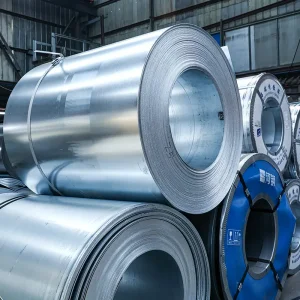
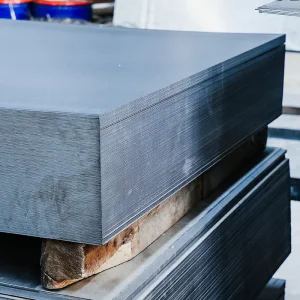
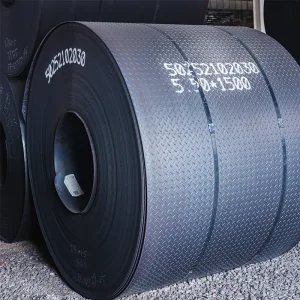
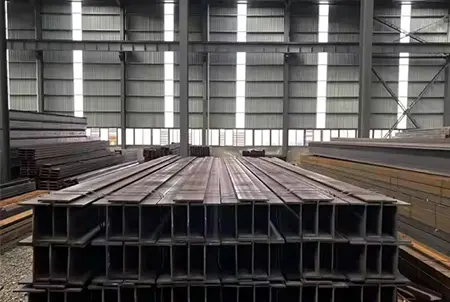
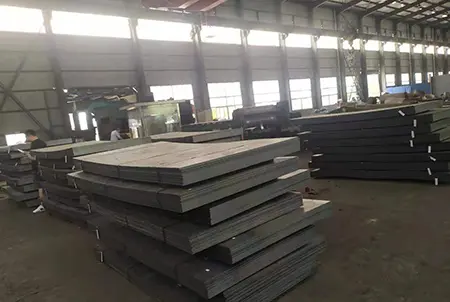
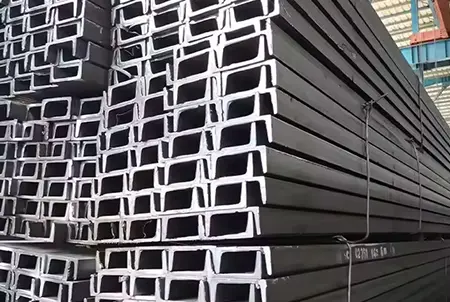
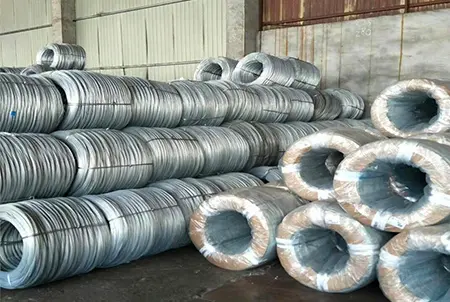
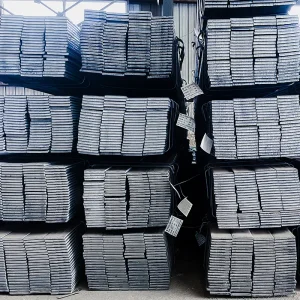
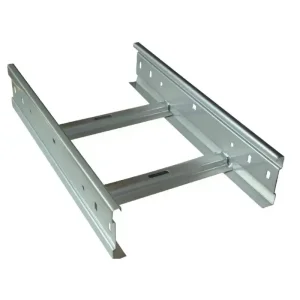
Explore our comprehensive industrial portfolio, engineered to satisfy rigorous international standards and critical structural applications.
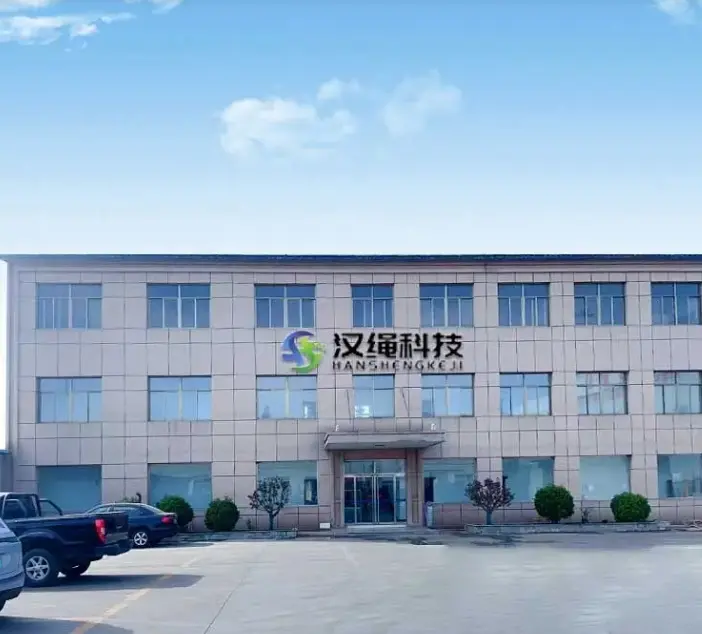
Strategically situated in Tangshan City, Hebei Province—the core powerhouse of China’s steel and metal processing industry—Hansheng Technology benefits from an exceptional logistics paradigm. Our plant resides a mere 150 kilometers from the Tianjin seaport and 150 kilometers from the capital city, Beijing, securing unparalleled dispatch speeds and cost-efficiencies for global multi-modal container transport.
Since our establishment in 2006, we have transitioned into a world-class export enterprise. Operating 8 high-efficiency production lines, our infrastructure supports an annual production capacity scaling up to 650,000 metric tons. Our production output complies with ASTM, DIN, JIS, EN, GB, and AS/NZS standards, delivering materials to the Middle East, Europe, the Americas, Southeast Asia, and Africa.
An authoritative metallurgical review of chemical compositions, pattern dynamics, mechanical attributes, and engineering applications for global procurement departments.
Aluminum diamond plate sheet metal—historically referred to as checker plate or tread plate—is primarily specified under three main series of wrought aluminum alloys: 1xxx (pure aluminum), 3xxx (manganese alloyed), and 5xxx/6xxx (magnesium/silicon alloyed).
Alloy 3003-H22 serves as the standard commercial-grade plate, utilizing manganese to elevate tensile strength beyond pure aluminum while retaining excellent cold-forming properties. For high-corrosion offshore or heavy transport environments, engineers mandate Alloy 5052-H32 or 6061-T6 structural grade, where magnesium-silicon configurations prevent galvanic and stress-corrosion cracking.
The projection of raised patterns on aluminum sheets serves a distinct hydraulic and mechanical function. By breaking surface tension in liquids, the patterns provide traction even under heavy grease or moisture layers.
Popular configurations include the 5-bar pattern (widely utilized in European and Asian industrial zones due to its structural load dispersion) and the 1-bar / Diamond pattern (favored in North America for its ease of cleaning and sharp aesthetic contrast). Pattern height is precisely regulated to 0.8mm to 1.5mm above the base sheet thickness to satisfy safety compliance codes.
Different surface finishing techniques alter the environmental limits and aesthetics of the diamond plate. The standard output is Mill Finish (Bright), exhibiting the natural luster of cold-rolled aluminum.
When enhanced surface durability is required, Anodizing (Clear or Black) is applied. This electrolytic process thickens the natural oxide layer, improving wear resistance and surface hardness. For extreme aesthetic projects, high-temperature polyester powder coating provides customized colors alongside additional defense against acid rain and industrial airborne agents.
Use the technical parameters below to select the appropriate grade for your specific mechanical structural limits.
| Alloy Grade | Available Tempers | Thickness Range (mm) | Pattern Style Options | Tensile Strength (MPa) | Yield Strength (MPa) | International Standard Codes |
|---|---|---|---|---|---|---|
| Alloy 1050/1060 | O, H14, H24 | 1.0 - 6.0 | 5-Bar, Propeller, Diamond | 65 - 95 | ≥ 25 | ASTM B209, EN 485, GB/T 3880 |
| Alloy 3003 | O, H14, H22, H24 | 1.2 - 8.0 | 5-Bar, 1-Bar, Lentil | 140 - 180 | ≥ 115 | ASTM B209, JIS H4000, GB/T 3880 |
| Alloy 5052 | H32, H34, H36, H38 | 1.5 - 10.0 | 5-Bar, Diamond, Pointer | 210 - 260 | ≥ 130 | ASTM B209, EN 485, GB/T 3880 |
| Alloy 5754 | H111, H114, H22, H24 | 2.0 - 8.0 | 5-Bar, 2-Bar, 1-Bar | 190 - 240 | ≥ 80 | EN 485, DIN 1725, GB/T 3880 |
| Alloy 6061 | T4, T6, T651 | 2.0 - 12.0 | 5-Bar, Structural Diamond | 290 - 310 | ≥ 240 | ASTM B209, EN 485, GB/T 3880 |
Analyzing Hebei's advanced metallurgy cluster and its direct operational impacts on shipping lead times, container consolidation, and cost reductions.
Northern China, dominated by the Hebei-Tianjin metallurgical corridor, represents the highest density of primary metal refining and downstream processing installations worldwide. Hansheng Technology leverages local access to direct molten raw materials, avoiding the secondary melting energy premiums faced by coastal or non-hub fabricators. This proximity results in highly competitive pricing structures for wholesale buyers.
Our loading facility is situated within 150 km of Tianjin Port (Xingang), the largest maritime gateway in Northern China. This port connects directly with over 600 global terminals. This short overland transport distance minimizes drayage costs, guarantees continuous vessel scheduling, and eliminates inland delays common to landlocked manufacturing plants.
Operating under ISO9001:2000 and ISO14001 certification frameworks, every batch of sheet metal we produce undergoes systematic pre-shipment inspections. Our quality assurance laboratory conducts mechanical testing, chemical composition mapping, and surface thickness measurements, issuing complete Mill Test Certificates (MTC) with every cargo dispatch.
How global engineering firms deploy Hansheng Technology's aluminum diamond plates across harsh service environments.
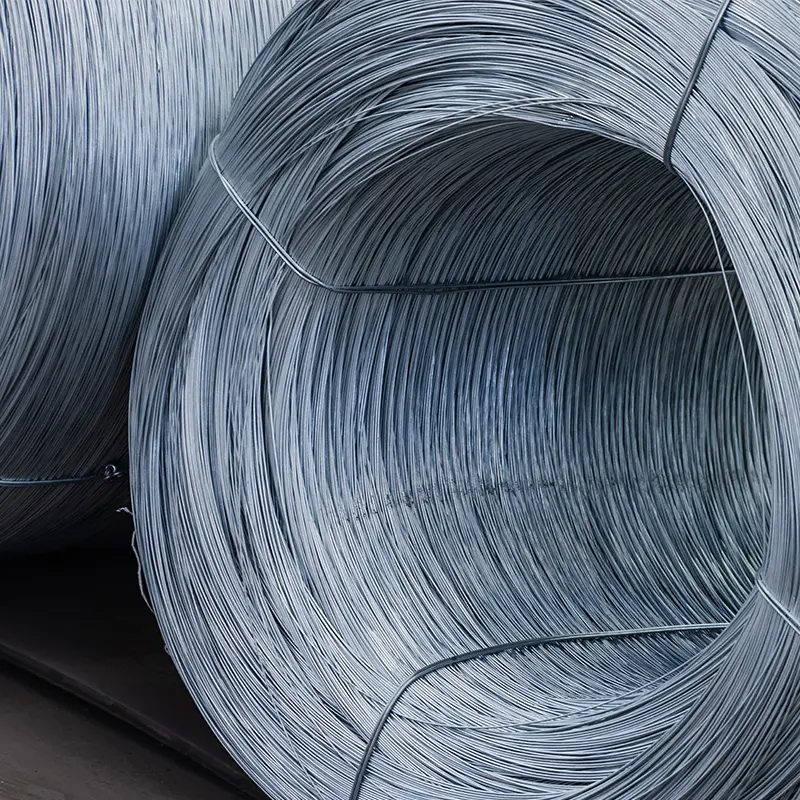
Utilizing corrosion-resistant 5052-H32 sheets to withstand salt spray and harsh marine atmospheres in gangways, hull structures, and offshore deck flooring.
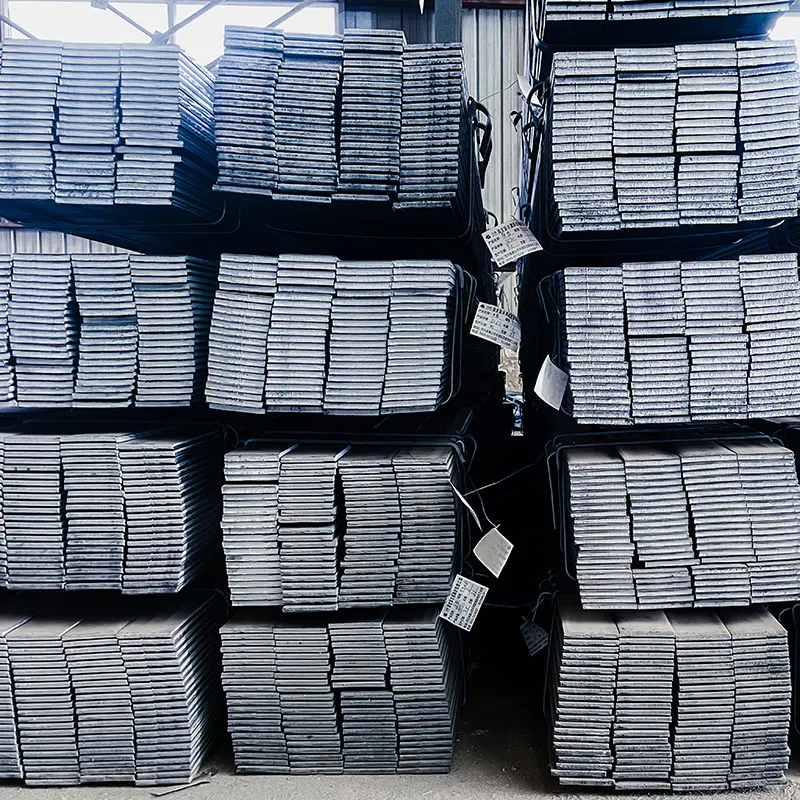
Providing high-strength 6061-T6 diamond plate sheets to support high wheel loads on logistics tailgates, fire truck steps, and ambulance interiors.
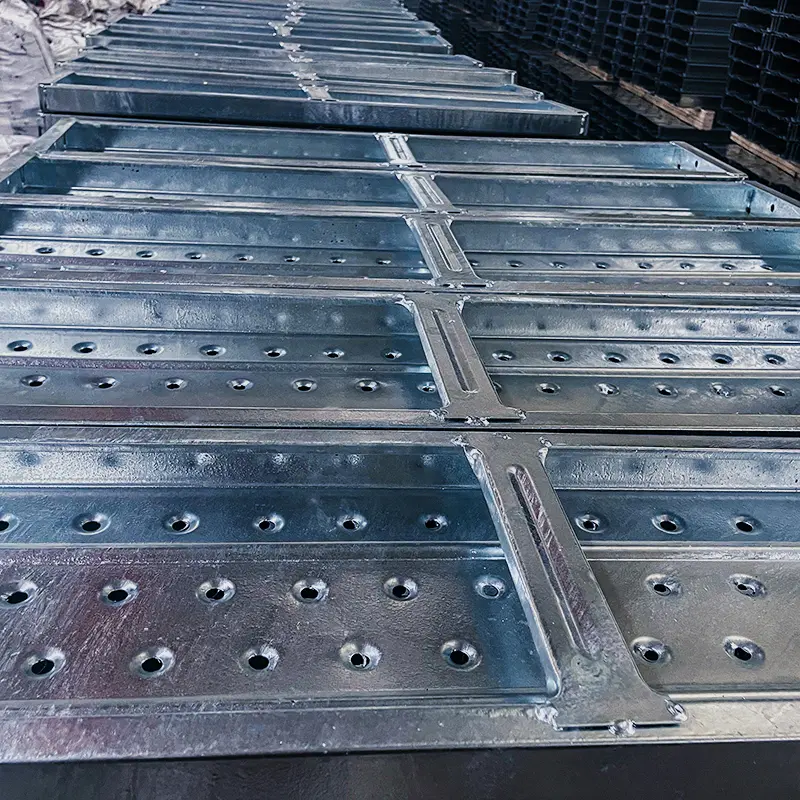
Optimized slip-resistant 5-bar patterned plates designed for petrochemical catwalks, heavy food-processing factories, and high-traffic stairs.
Essential operational guidelines for wholesale buyers managing cross-border logistics and regulatory compliance.
With regional trade shifts and dynamic import structures, accurate HS code classification is critical. We assist buyers in classifying metals under standard tariff classes (such as HS 760612), verifying bilateral certificate requirements (like RCEP for Asia-Pacific or custom COO certificates), and structuring shipments to optimize fiscal duties.
Aluminum products are highly sensitive to condensation during ocean transit. Our packaging includes: inserting neutral moisture-barrier paper between sheets, wrapping bundles in high-density vapor-corrosion-inhibitor (VCI) plastic film, placing silica gel desiccant bags within crates, and securing everything on heavy-duty IPPC-fumigated wooden pallets with steel bands.
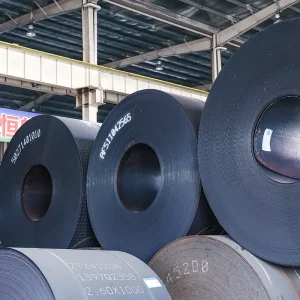
To counter international shipping fluctuations and raw material price shifts, Hansheng Technology maintains standard-sized coils and plates in reserve. By holding these pre-rolled materials, we reduce standard manufacturing lead times from 45 days down to 14 days, providing agility for unexpected demand spikes.
Our materials have been specified in major global construction projects and logistical installations across the world.
Beijing Yanxihu Convention and Exhibition Center
Supply of high-precision architectural metals and structurally reinforced support panel systems.
Mamba Cement Clinker Production Line (South Africa)
Fabrication and delivery of industrial safety flooring systems and robust checker walkway components.
Modern Villa Construction (Canada)
Delivery of anodized corrosion-resistant exterior plates and architectural cladding panels.




Direct answers to common technical queries from procurement managers and structural engineers.
Alloy 3003-H22 is alloyed with manganese. It is the standard choice for decorative elements, vehicle trim, wall accents, and interior applications due to its good formability and moderate cost. Alloy 5052-H32 is alloyed with magnesium, offering significantly higher tensile strength, superior fatigue limits, and excellent resistance to saltwater and marine environment corrosion, making it the preferred choice for commercial truck beds, boat decking, and marine installations.
Condensation during transit can lead to white rust (aluminum hydroxide). Hansheng Technology implements a strict marine packing standard: every layer of metal checker sheet is separated by neutral moisture-proof paper. The entire bundle is wrapped in heavy-duty vapor-corrosion-inhibitor (VCI) plastic film, packed with industrial desiccant gel bags, crated in wood, and tightly strapped. This barrier prevents moisture ingress even during long maritime shipments.
Yes. Alloys in the H22 and H32 tempers are partially annealed, allowing them to bend along a radius (typically 1 to 2 times the sheet thickness) without cracking. To prevent fracturing, bends should be made across the grain of the plate rather than parallel to it. Both 3003 and 5052 alloys weld well using standard gas metal arc welding (GMAW/MIG) or gas tungsten arc welding (GTAW/TIG) techniques, typically with 4043 or 5356 filler wire.
Our mill operates in strict accordance with the ASTM B209 and EN 485 standards. Thickness tolerances vary by nominal gauge but are generally held within ±0.05mm to ±0.15mm of the specified base sheet thickness. We run tension-leveling lines during processing to ensure that flatness deviations are minimal and ready for automated laser profiling.
We work closely with global import brokers to navigate trade barriers. We provide certified Certificates of Origin (COO), detailed raw material sourcing declarations, and verify custom HS Code classifications (e.g. 7606.12 for rectangular plates) to ensure compliance. When necessary, we can coordinate with our partner mills in non-restricted regions to optimize shipping routes and trade compliance.
For standard dimensions (e.g., 4x8 ft or 1220x2440 mm in 3003-H22), the standard MOQ is 3 to 5 metric tons per specification, depending on current production scheduling. For fully custom dimensions, anodized finishes, or structural 6061-T6 specifications, the minimum run is typically 10 tons. Standard lead times range from 15 to 30 days after deposit receipt, plus transit from Tianjin Port.
The 5-bar pattern features groups of five parallel bars oriented perpendicularly to adjacent groups. This provides multi-directional grip, making it a popular choice for industrial walkways and wet areas in Europe and Asia. The 1-bar / diamond pattern is preferred in North American automotive trim and toolboxes due to its clean aesthetic, ease of polishing, and simple cleaning properties.
Yes. Every shipment includes a complete Mill Test Certificate (MTC) outlining the batch's chemical composition (Si, Fe, Cu, Mn, Mg, Cr, Zn, Ti) and mechanical test results (tensile strength, yield strength, and elongation) conforming to EN 10204 3.1. We also welcome third-party inspection firms (such as SGS, Bureau Veritas, or TÜV) to witness loading and test procedures at our Hebei mill.
Hansheng Technology provides a range of structural raw materials to support global industrial infrastructure projects.
 Hanshen