Explore our premium product portfolio designed for extreme environmental durability, mechanical precision, and structural longevity.
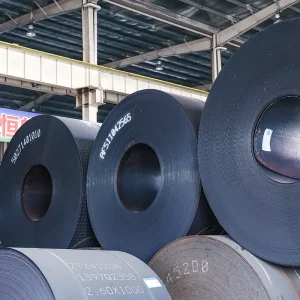
A comprehensive study on elemental engineering and rolling parameters that define elite-grade carbon and alloy steel structural sheets.
Alloy Hot-Rolled Coils (HRC) represent the backbone of heavy industrial construction, automotive manufacturing, and pressure vessel engineering. In the thermodynamic process of hot rolling, the metallurgy is manipulated at elevated temperatures, typically above the recrystallization point (over 1100°C). This removes casting defects, homogenizes the chemical structure, and establishes grain refinement. Unlike ordinary carbon steel, alloyed hot-rolled steel introduces deliberate elements such as Manganese, Chromium, Molybdenum, Nickel, and Silicon to drastically alter the mechanical properties.
Through precise alloying, manufacturers customize performance indices to cater to distinct user intents, such as high yield strength, outstanding impact toughness at sub-zero temperatures, and minimal grain boundary deterioration. In global trade, purchasing agents balance chemical specifications against cost considerations, choosing specific mill standards to meet national safety regulations and design frameworks.
| Alloying Element | Typical Content Range (%) | Primary Metallurgical Influence | Target Industrial Properties |
|---|---|---|---|
| Manganese (Mn) | 0.50% - 1.65% | Combines with sulfur to prevent hot-shortness; enhances solid solution strengthening. | Increased tensile strength, hardenability, and wear resistance. |
| Chromium (Cr) | 0.30% - 1.20% | Forms stable carbides; enhances oxidation resistance at elevated temperatures. | Improved high-temperature strength and moderate corrosion inhibition. |
| Molybdenum (Mo) | 0.08% - 0.30% | Suppresses temper embrittlement; increases secondary hardening effect. | Outstanding creep strength in elevated-temperature boiler applications. |
| Silicon (Si) | 0.15% - 0.60% | Acts as an essential deoxidizer during the steelmaking process. | Elevated yield points and reduced overall magnetic loss. |
| Nickel (Ni) | 0.20% - 1.00% | Promotes FCC structure; increases impact toughness in low-temperature states. | Prevents brittle failures in cold-climate structural frames. |
Strategically situated in Tangshan City, Hebei Province—the heart of China’s steel industry. With a prime location just 150 kilometers from the Tianjin seaport and 150 kilometers from the capital, Beijing, we benefit from an exceptional logistics network that ensures efficient global shipping. Since our inception in 2006, we have evolved into a comprehensive, export-oriented enterprise specializing in the manufacturing of premium-quality steel products.
Driven by a commitment to supply chain excellence, competitive pricing, and professional service, our products have earned unanimous recognition across markets in the Middle East, Southeast Asia, North Asia, Africa, the Americas, and Europe. We operate under the firm philosophy of "honoring contracts and keeping promises." We view our clients not just as customers, but as valued friends, and we pride ourselves on our impeccable track record of contract fulfillment. We believe that a strong, transparent bond between our company and our clients is the ultimate cornerstone of our enduring success.
We operate 8 high-efficiency production lines with a total annual capacity reaching 300,000 to 650,000 metric tons. Our extensive product portfolio includes Galvanized Steel Wire, Hot/Cold Rolled Steel Coils and Sheets, GI/PPGI, GL/PPGL, and various Section Steels, all manufactured to adhere to international standards including GB, JIS, ASTM, DIN, EN, and AS/NZS.
Ensuring compliance with localized regulatory codes and quality-assurance barriers for seamless cross-border industrial integration.
We engineer products compliant with various regional directives. Whether you are executing a structural project in Germany requiring EN 10025 specs (e.g. S235JR, S355JR) or a production run in North America under ASTM A1011/A1018, our steel mills calibrate temperature profiles to guarantee identical localized mechanical behavior.
Every batch shipped from our Tangshan hub is accompanied by an authentic Mill Test Certificate (MTC) conforming to EN 10204 3.1. This provides full traceability back to the specific heat number, listing chemical composition down to thousandths of a percent, hardness parameters, and yield ratios.
Being located 150km from Tianjin Port enables rapid transit and flexible scheduling. We optimize shipping layouts—utilizing anti-corrosion, eye-to-sky ocean wrap methods—minimizing transit moisture damage, and guiding our partners through local customs requirements to avoid unexpected delays.
To support varied target applications, we offer processing options including mechanical slitting to custom widths, oiling to prevent transit oxidation, skin-passing to elevate surface flatness, and leveling for structural plate fabrication.
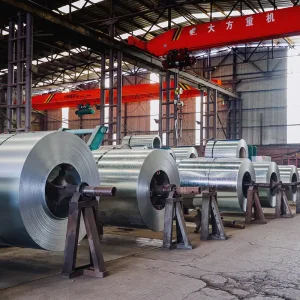
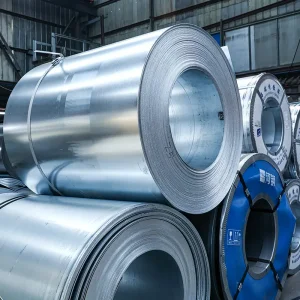
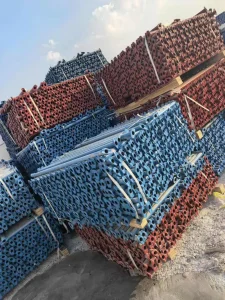
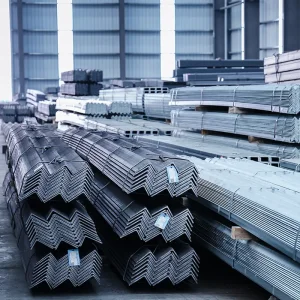
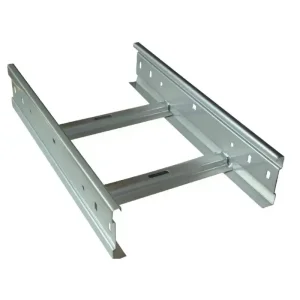
A preview of raw formats manufactured for structural framework, cable trays, scaffolding systems, and general metal fabrication.
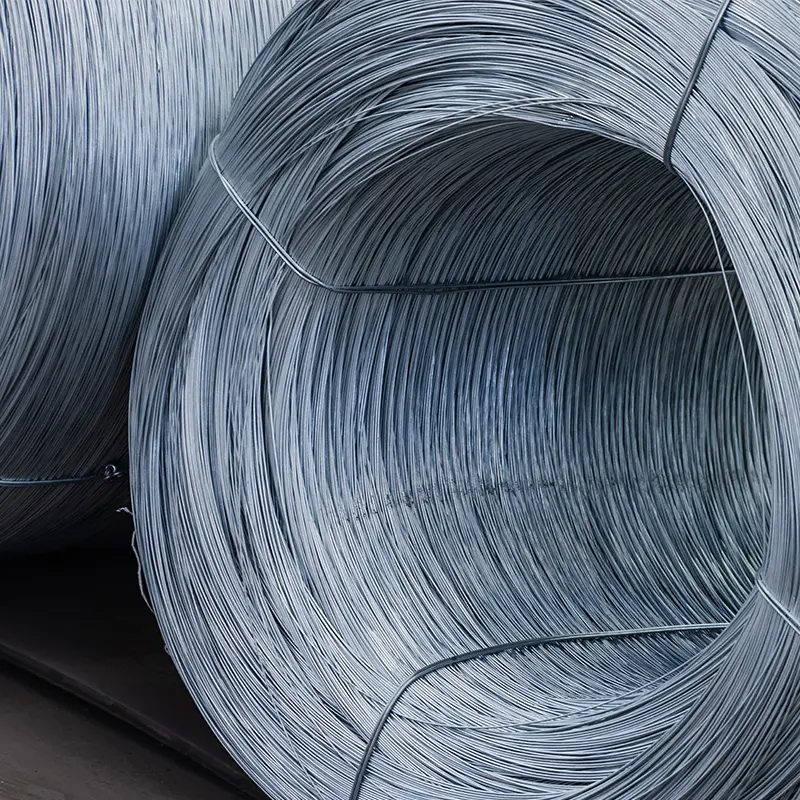
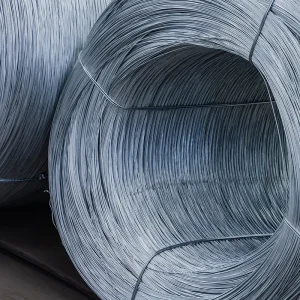
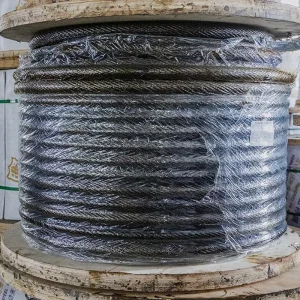
Durable high and low carbon wire arrays utilized for agricultural tensioning, fencing, and armored cables.
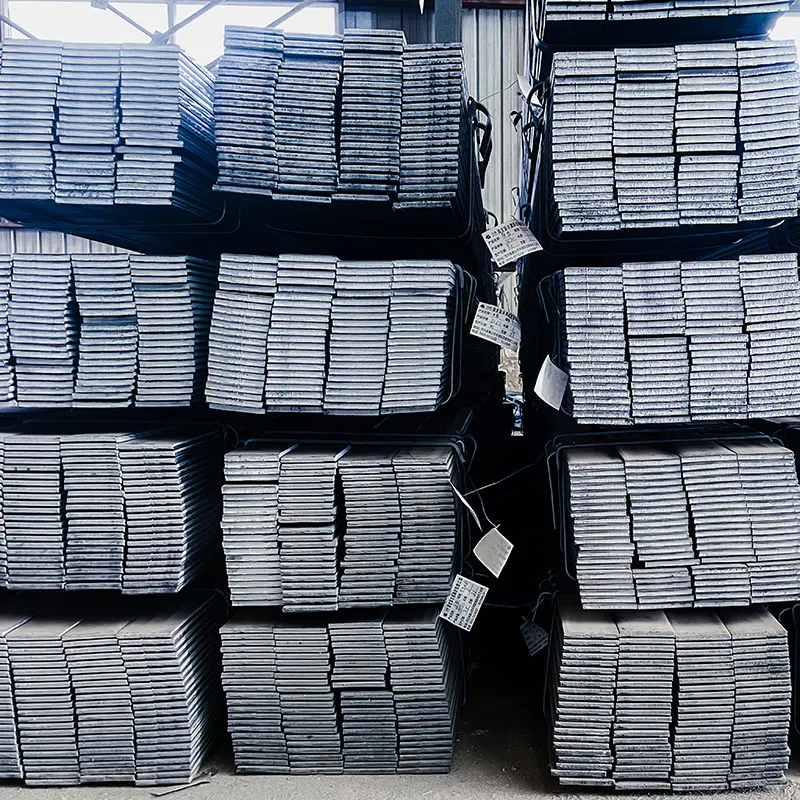
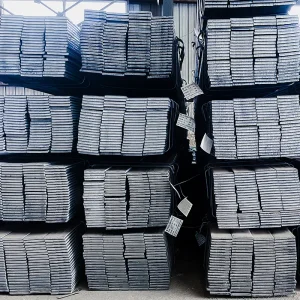
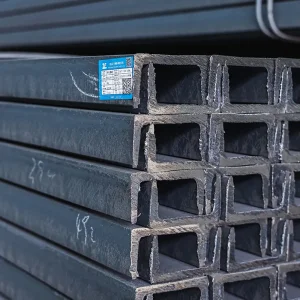
Precision structural flat steel profiles utilized in industrial machine fabrication and structural base plates.
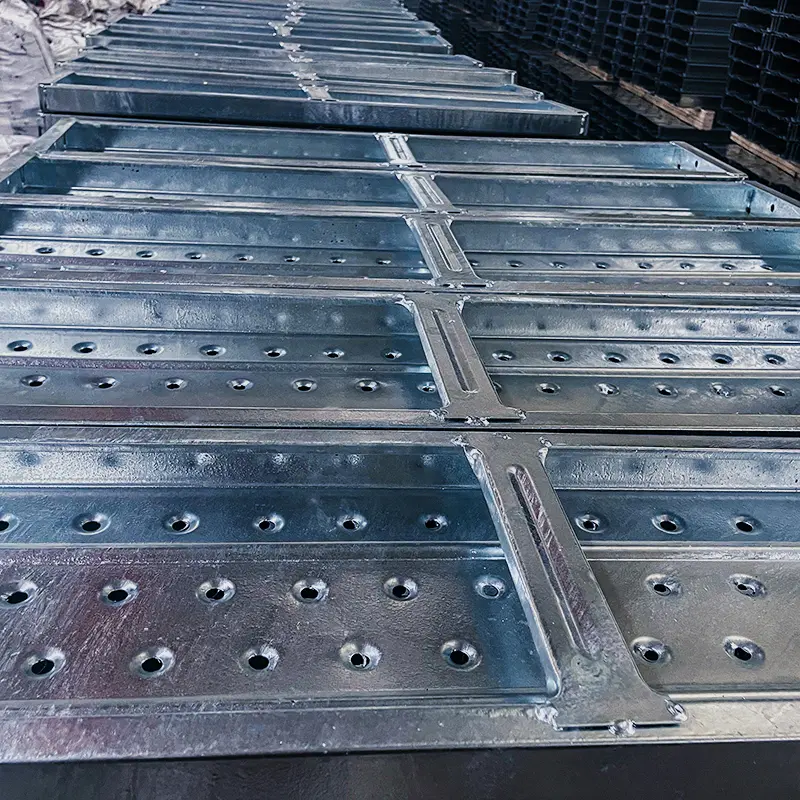
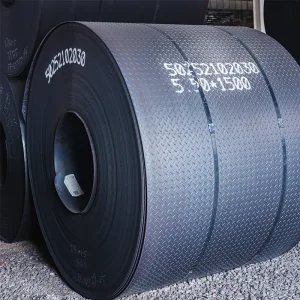
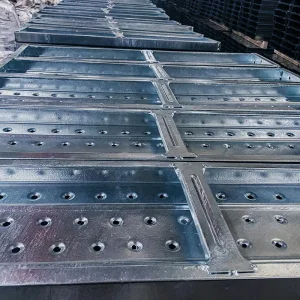
Heavy-load walkway planks engineered with anti-slip dimples for safe construction platform setups.
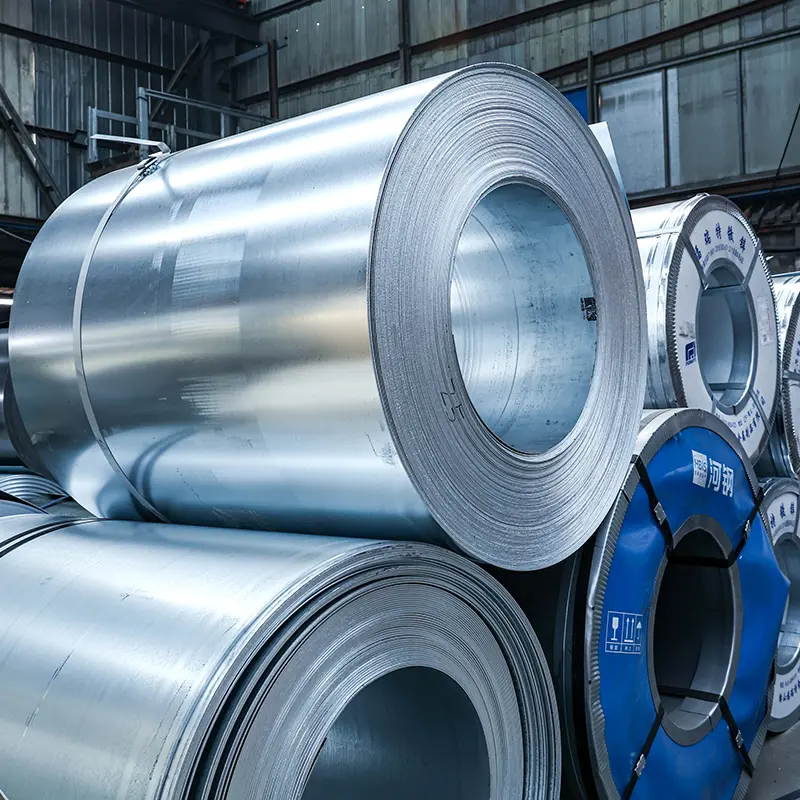
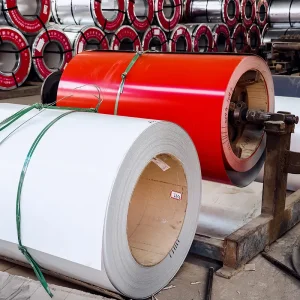
Zinc-coated corrosion-resistant coils providing robust protection against atmospheric humidity and oxidation.
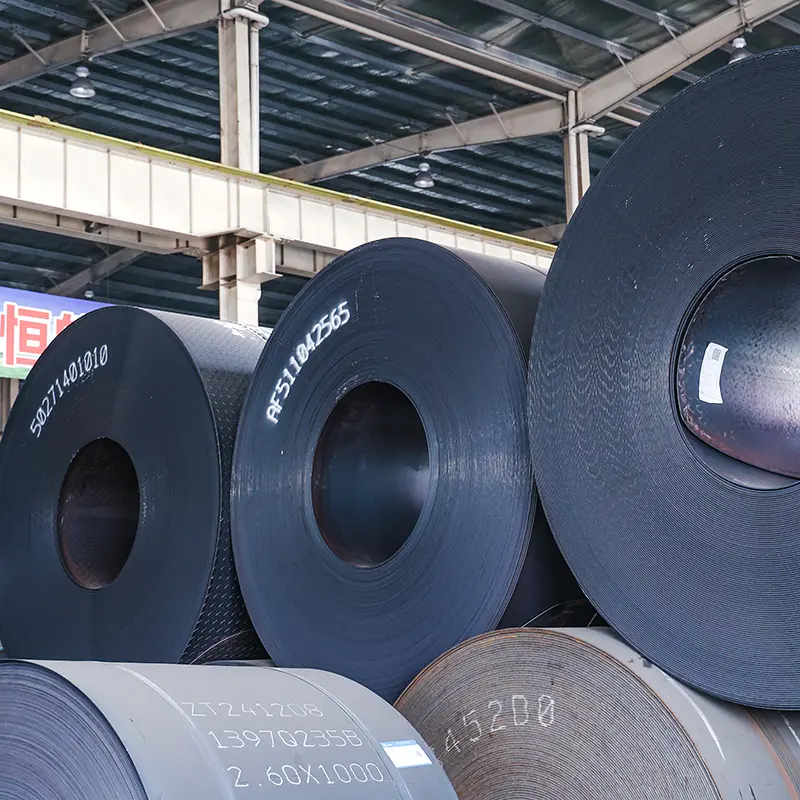
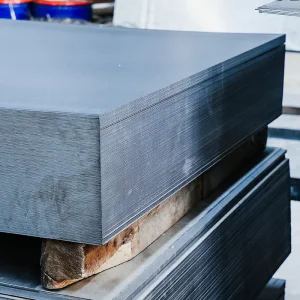
Premium alloy and carbon hot-rolled coils developed to serve as the raw material for heavy piping and auto frames.
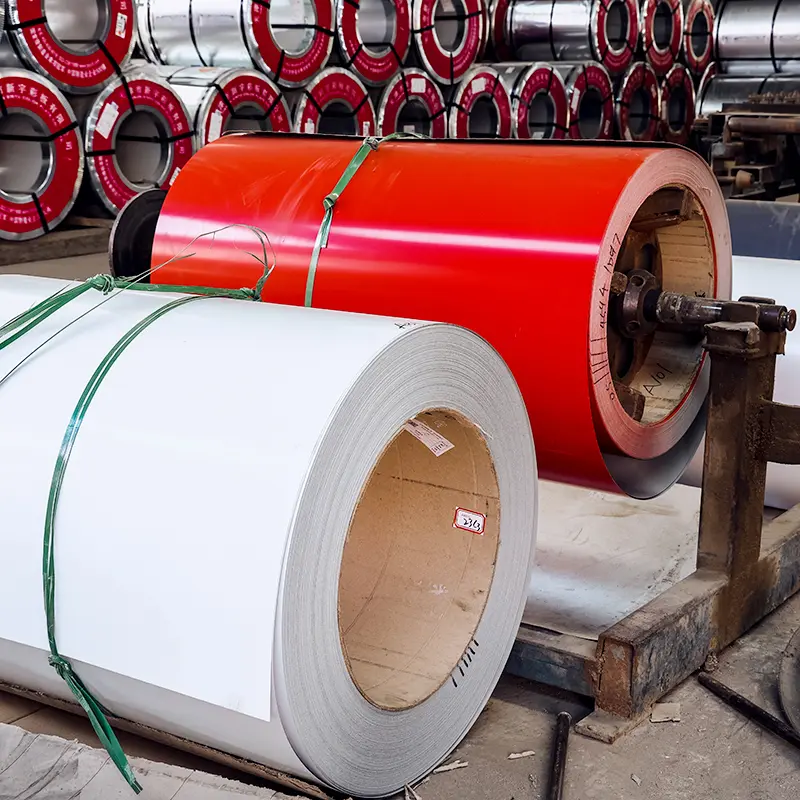
Pre-painted color-coated steel layers optimized for industrial roofing, cladding panels, and structural facades.
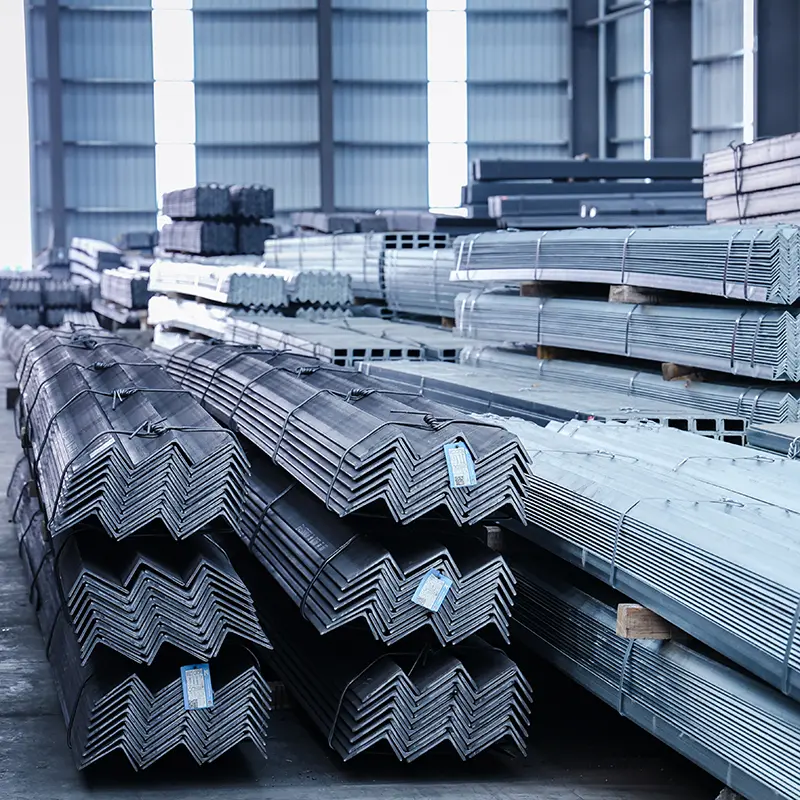
Welded and seamless structural tubing tailored for liquid conduction and mechanical framing applications.
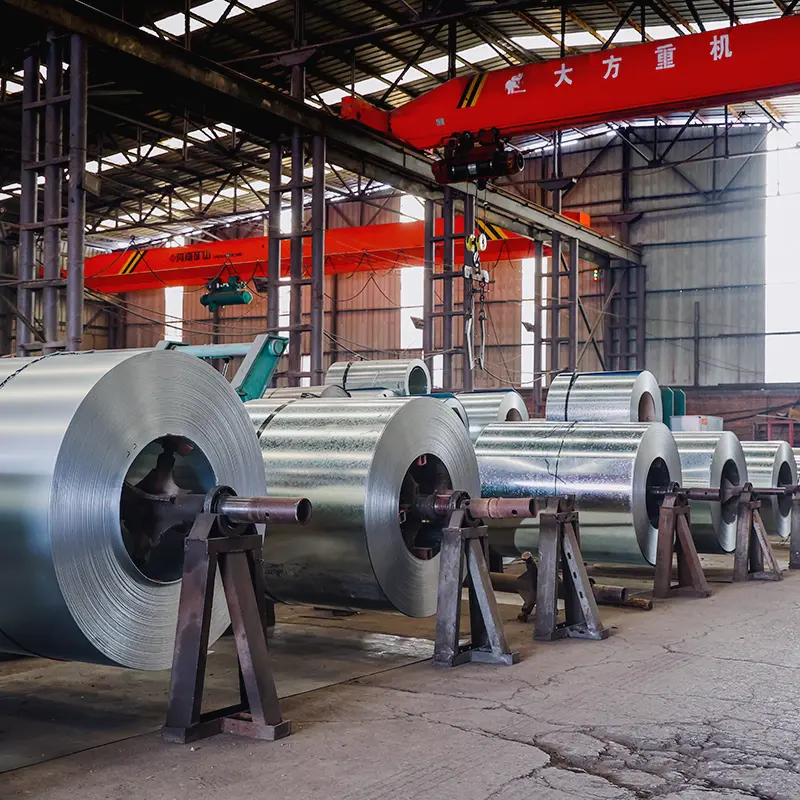
Cutting-edge self-healing coated steel displaying superior anti-corrosion properties in saline environments.
Integrating customer trust with advanced material supply capability to build sustainable global infrastructures.
✔️ Trust, Confidence & Reliability as core transaction baselines.
✔️ Unrelenting Passion for dimensional excellence and tight tolerance limits.
✔️ Impeccable Integrity in our mechanical certifications and pricing matrices.
Mission: Focusing on prime building materials and engineering-grade alloy products to construct safety-assured, sustainable infrastructure.
Vision: Continuous leadership in the Chinese export sector, evolving our technologies to support the digital decarbonization of steel mills.
📍 Headquartered in Tangshan, Hebei Province—the metallurgical capital of Northern China.
👥 Managed by a highly trained logistics, metallurgy, and QA group of 35+ dedicated specialists.
🔗 Strategic domestic raw-material supply ties with leading state mills to ensure continuous inventory access.
Key structural evolution patterns that procurement officers and design engineers track for global compliance.
Industrial engineering is rapidly shifting toward weight reduction (lightweighting) without sacrificing load capacities. HSLA grades, modified with micro-alloying elements like vanadium, niobium, and titanium, offer yield strengths exceeding 550 MPa. This allows structural fabricators to decrease thickness requirements, reducing raw material tonnage costs and ocean freight weight fees.
Global decarbonization policies, including the European Union's Carbon Border Adjustment Mechanism (CBAM), require steel manufacturers to supply verified carbon emission data. Partnering with mills integrating electric arc furnace (EAF) technologies and hydrogen reduction steps helps buffer procurement chains against future import penalties.
Modern robotic roll mills integrate computerized thickness gauges and ultrasonic scanning arrays directly into the cooling beds. This reduces standard dimensional variance from ±0.15mm down to ±0.05mm, protecting automated laser welding devices from alignment failures.
To reduce chemical pre-treatment processing costs at final assembly points, procurement agents favor hot-rolled acid-pickled and oiled (HRPO) coils. These coils feature a scale-free steel surface ready for direct painting, stamping, or plasma profiling.
We work closely with elite metallurgical complexes to ensure uninterrupted access to raw materials and stable pricing.



A demonstration of our technical material execution across structural projects, housing complexes, and heavy cement processing plants.
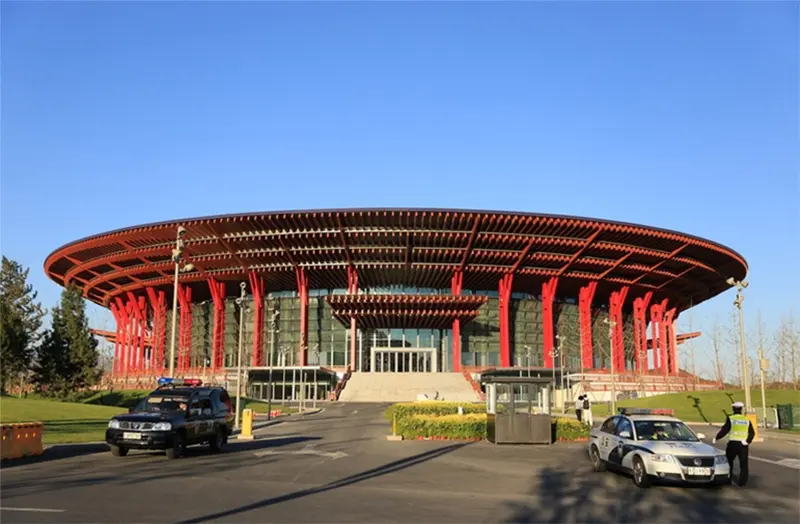
Project Timeline: 2013
Supplied high-toughness steel sections and structural sheets meeting stringent seismic requirements, ensuring architectural longevity for this iconic convention site.
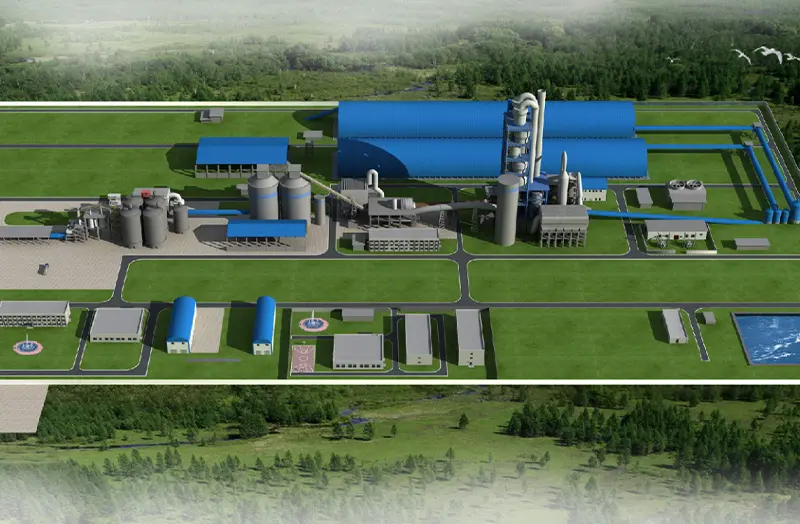
Project Timeline: 2014
Delivered premium wear-resistant hot-rolled steel plates and structural frames designed to withstand continuous abrasion and high heat in dry kiln cement zones.
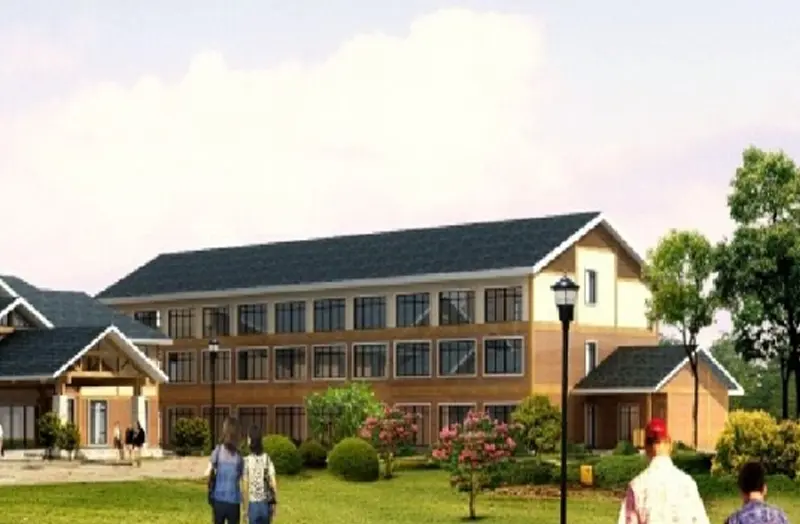
Project Timeline: 2020
Shipped lightweight, high-yield galvanized framing profiles and weather-resistant sheets tailored to endure sub-zero temperatures and high-latitude winters.
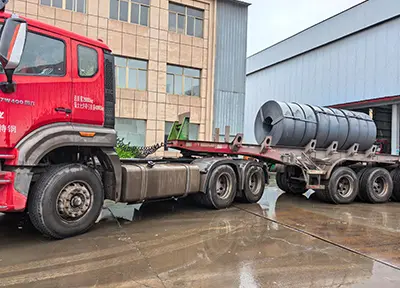
Visual verification of actual product packaging, sea freight loading, and export logistics executed for regional distributors.
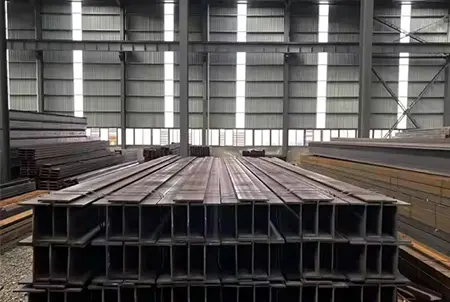 H Beam to Dubai
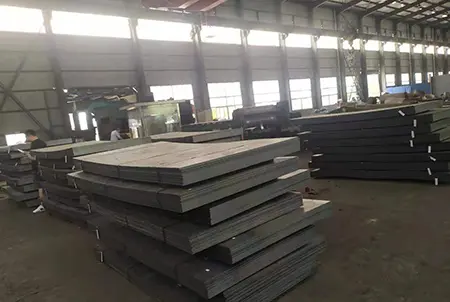 Steel Plate to Saudi Arabia
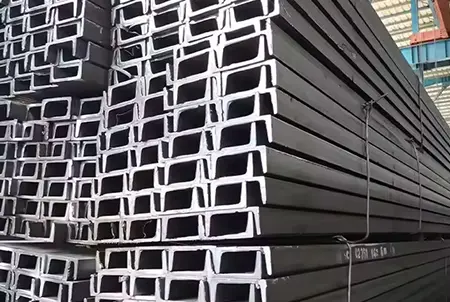 JIS Channel to South Korea
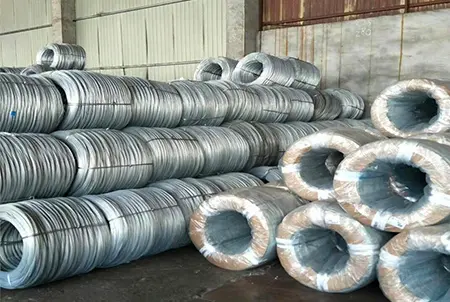 GI Wire to Florida
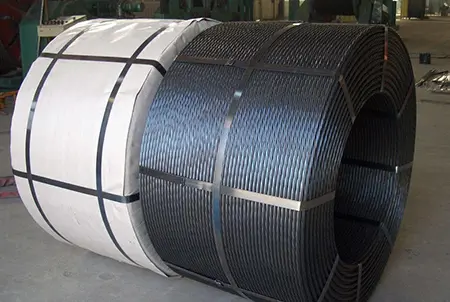 PC Strand to Philippines
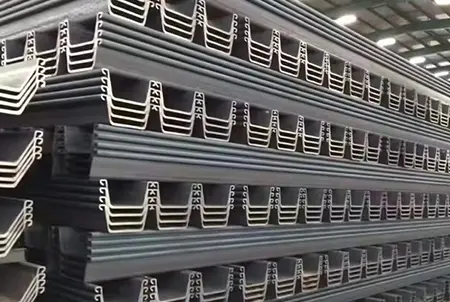 Sheet Pile to Indonesia
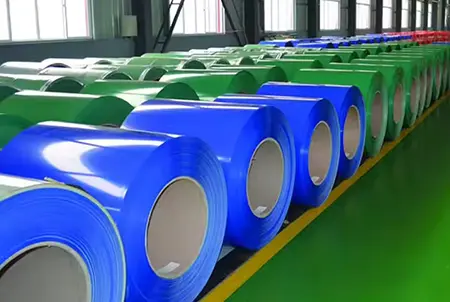 PPGI to Chile
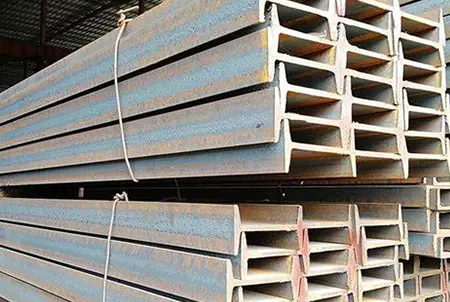 IPEAA to Kuwait
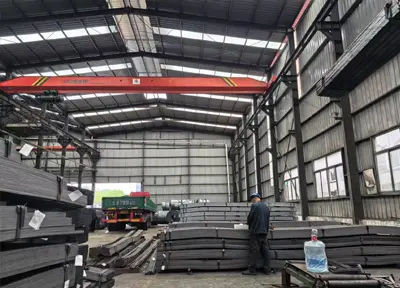
Operating 8 modern high-speed lines under ISO 9001 and ISO 14001 certification frameworks.
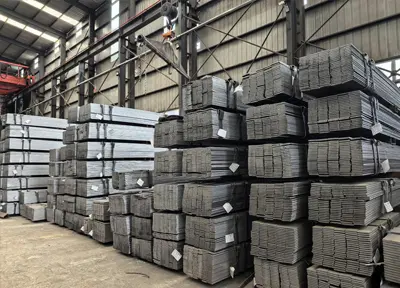
Hot Rolling Cooling Bed
Automated Wire Line
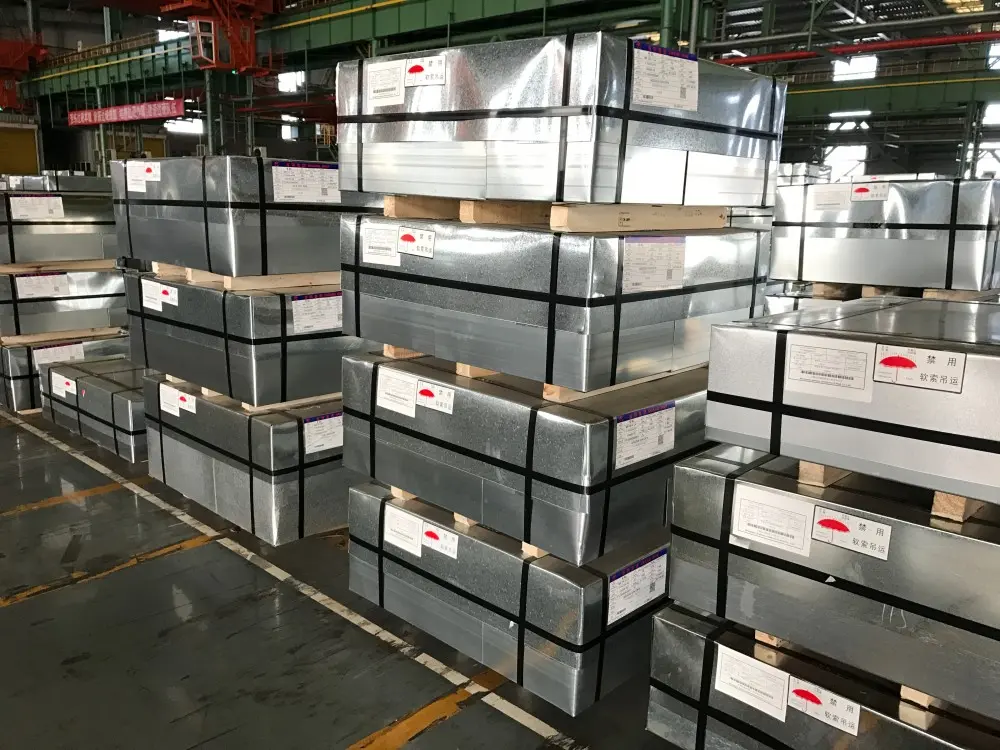
Controlled Coil Warehouse
Coil Slitting Assembly
Expert answers addressing chemistry, mechanical tolerances, logistics coordination, and export compliance.
Select specialized steel profiles, carbon wire structures, and galvanized coils, preserving full original source links.
 Hanshen