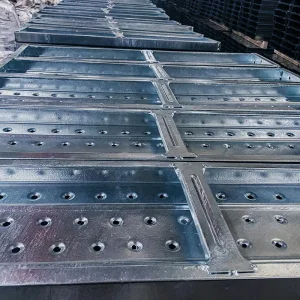
Explore our core engineering catalog designed to meet international manufacturing standards and high-load performance demands.


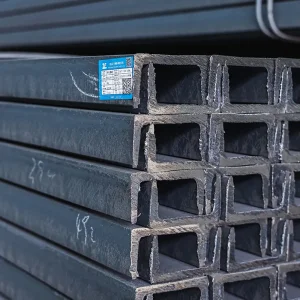
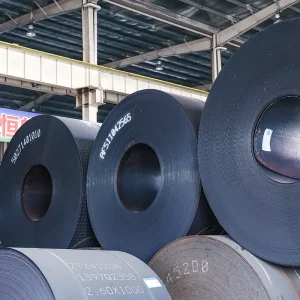
In the global arena of heavy infrastructure, shipbuilding, energy construction, and high-rise framing, **Custom Welding Flat Steel** serves as the vital structural backbone. Flat steel bars (also known as flat bar stocks) engineered specifically for high-integrity welding must demonstrate exceptional ductility, precise cross-sectional tolerances, and strict metallurgical composition.
Unlike general-purpose structural steel, welding flat steel is formulated to minimize heat-affected zone (HAZ) embrittlement. Engineers worldwide prioritize products that minimize slag inclusions, prevent lamellar tearing, and maintain structural soundness during high-temperature weld cycles. Today's global supply chain relies heavily on custom widths, thicknesses, and edge preps (such as beveled or chamfered edges) to optimize modern automated welding gantries.
For structural weldability, the Carbon Equivalent Value (CEV) must typically be restricted under 0.45%. Our custom metallurgical processes optimize Mn, Si, V, and Nb content to ensure high yield strength without compromising field weldability, significantly reducing pre-heating requirements for onsite constructors.
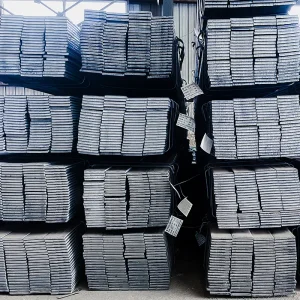
Our mills utilize advanced hot-rolling and precision cold-shearing equipment to eliminate dimensional distortion, ensuring flat bars sit perfectly flush against matching components for seamless automated welding.
Incorporating precise micro-alloying elements (such as Vanadium and Titanium) to refine grain boundaries, achieving up to S355JR or ASTM A572 Grade 50 mechanical properties with outstanding impact toughness at sub-zero temperatures.
Strategic Geographic Position, Impeccable Logistics Network, and Massive Manufacturing Capacity in Tangshan, China.
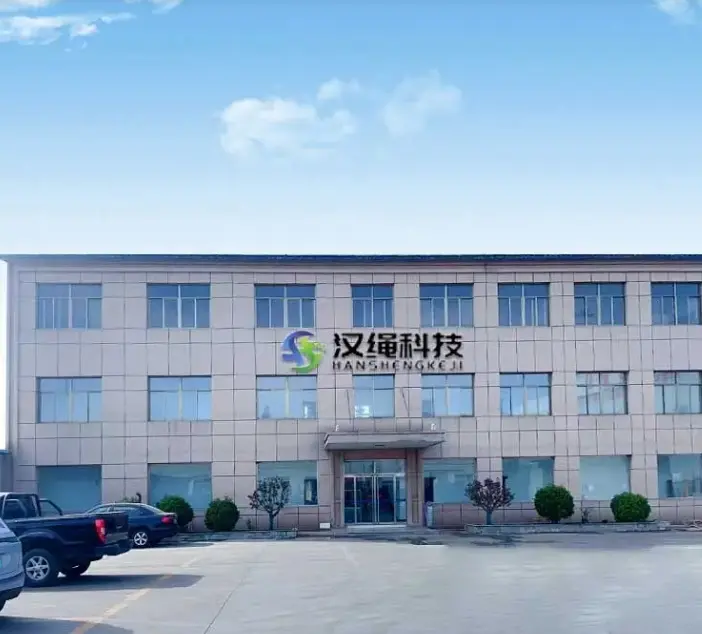
**Hansheng Technology (Hebei) Co., Ltd.** is strategically situated in Tangshan City, Hebei Province—the absolute heart of China's steel manufacturing cluster. Strategically located 150 kilometers from both the major logistics hub of Tianjin seaport and the capital city of Beijing, our facility facilitates rapid domestic transport and direct oceanic shipping routes.
Since our inception in 2006, we have developed into a comprehensive, export-oriented industrial enterprise specializing in high-grade flat steels, structured profiles, galvanized wire, and cold/hot-rolled sheet products. Operating 8 high-performance production lines with a robust annual capacity of up to 650,000 metric tons, we strictly satisfy international testing protocols (GB, JIS, ASTM, DIN, EN, AS/NZS).
We operate under the core corporate values of "honoring contracts and keeping promises," ensuring transparent partner relationships, competitive pricing configurations, and reliable supply chain security across the Americas, Europe, Middle East, and Southeast Asia.
The Tangshan industrial steel cluster offers unparalleled supply-chain integration. From direct liquid iron supply to downstream precision cold-shearing, we eliminate redundant reheating cycles, offering massive cost savings to international buyers without sacrificing mechanical integrity.
Every single batch undergoes non-destructive ultrasonic testing (UT) for internal defects, chemical composition check through optical emission spectrometers (OES), and strict mechanical bending/tensile validation in ISO-certified laboratories.
We streamline cross-border procurement challenges. Through comprehensive document compliance (MTRs to EN 10204 3.1, SGS/BV pre-shipment inspections), we guarantee smooth customs clearance at European, American, and Asian discharge ports.
| Steel Grade Standard | Yield Strength Min (MPa) | Tensile Strength (MPa) | Carbon Equivalent (CEV) Max | Recommended Applications |
|---|---|---|---|---|
| ASTM A36 / A572 Gr. 50 | 250 - 345 | 400 - 550 | 0.43% - 0.47% | Structural framing, general construction, bolted/welded connections |
| EN 10025 S275JR / S355JR | 275 - 355 | 410 - 630 | 0.40% - 0.45% | Offshore platforms, wind tower flanges, heavy crane structures |
| JIS G3101 SS400 / SM490 | 245 - 325 | 400 - 610 | 0.44% | Shipbuilding plates, industrial machinery framing, bridge plates |
| AS/NZS 3678 Grade 300 / 350 | 300 - 350 | 430 - 620 | 0.43% | Mining infrastructure, transport trailers, heavy structural grids |
How custom-welded flat steel resolves localized structural stress challenges in high-load industrial installations.
Custom flat steel is the primary load-bearing element in industrial metal gratings, pedestrian walkways, and structural platforms. Because these gratings undergo thousands of cyclic loading procedures daily, the welds between bearing bars and cross rods must remain completely crack-free. Our low-carbon, low-sulfur flat bars prevent hot-cracking during fast-resistance welding operations, ensuring extreme durability under harsh industrial conditions.
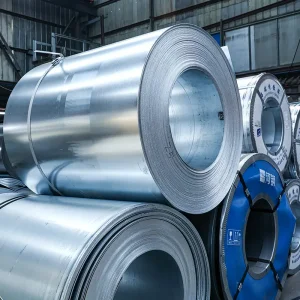
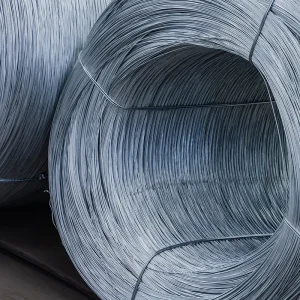
For marine environments or petrochemical processing facilities, we provide specialized flat steel variants paired with hot-dip galvanizing or zinc-aluminum-magnesium (ZAM) coatings. This ensures that the weld zones, which are traditionally susceptible to accelerated corrosion, remain protected from salt spray and chemical atmospheric oxidation.
To prevent localized rust, our galvanized flat steel products are coated in adherence to ASTM A123 or ISO 1461 standards, ensuring a minimum zinc coating thickness of 85 μm for heavy industrial or coastal installations.
Our high-strength weldable flat bars serve as critical flange plates for welded H-beams, chassis components for commercial trailers, and components for hydraulic crane arms. The uniform flatness tolerances prevent directional misalignment during welding assembly.
From custom solar mounting rails to offshore wind tower internal structural brackets, our custom flat steels provide the required structural integrity and fatigue resistance to withstand intense wind loads and vibrations.
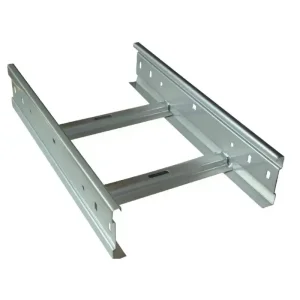
Heavy duty cable trays and utility pipe hangers demand secure welded bracket systems. Standard flat bars often suffer from thickness variations that lead to burn-through or insufficient penetration during MIG/TIG welding.
Hansheng Technology's custom flat bars guarantee dimensional stability across the entire length. This consistency makes them highly suited for automated welding lines producing hot-dip galvanized cable trays, structural framing channels, and complex electrical sub-station grids.
Hansheng Technology’s materials deployed in high-spec construction projects worldwide.
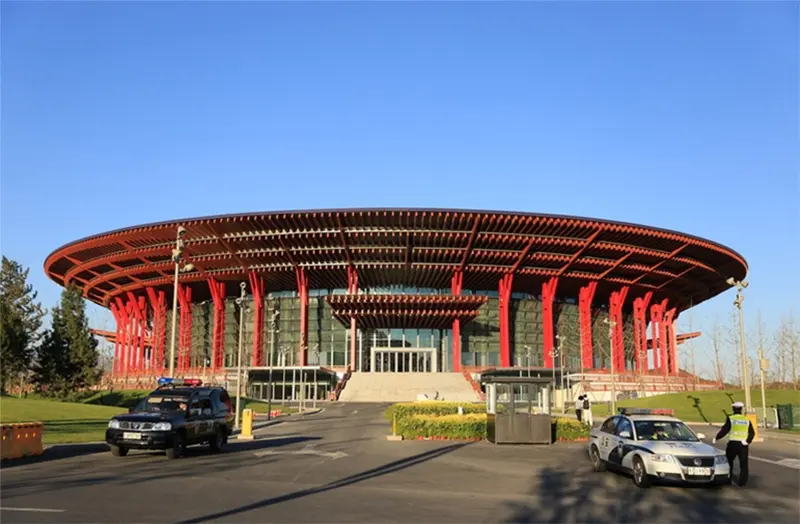
Supply of high-strength structural profiles and weldable flat steels, ensuring structural integrity for complex geometric steel roofing grids.
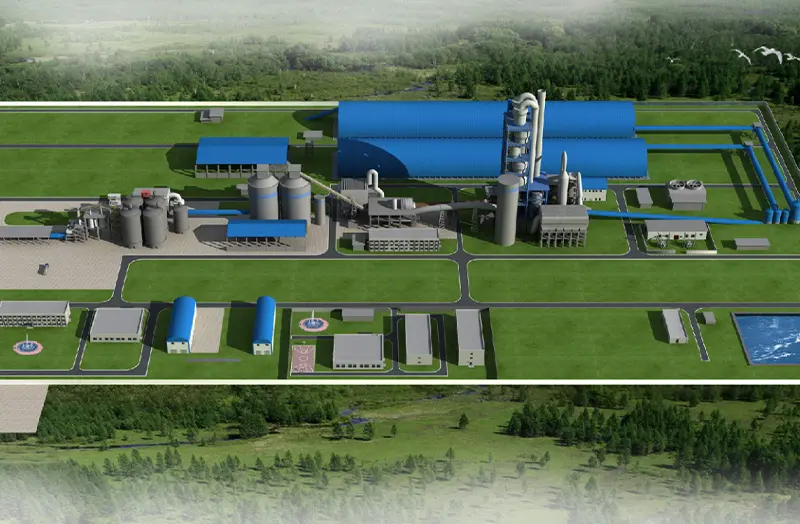
Delivery of wear-resistant and weldable structural flat steel bars for high-impact material conveyors and industrial clinker production housings.
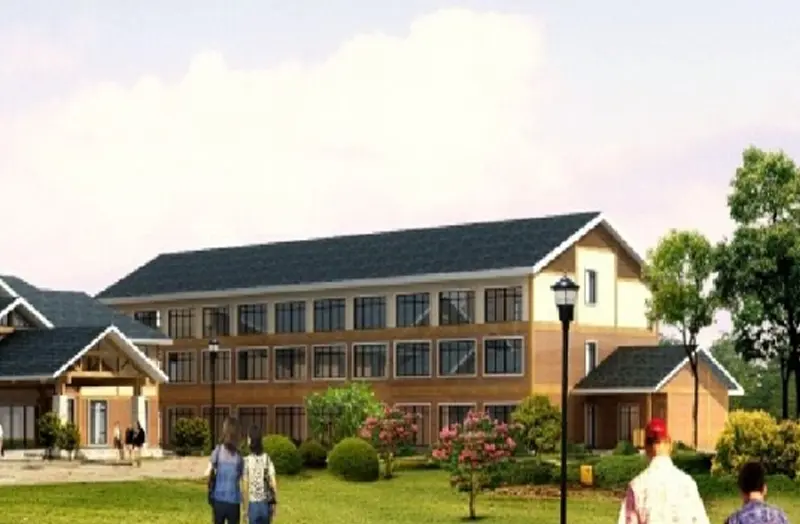
Engineered cold-formed steel profiles and custom welding flat bars suited for extreme low-temperature installation resilience (-40°C environment).
Working alongside global leaders to supply raw materials that guarantee premium output.


Answering crucial metallurgical, application-based, and logistics questions for procurement executives.
Welding-grade flat steel is specifically processed to prevent defects such as embrittlement, porosity, and cracking within the heat-affected zone (HAZ). This is achieved by limiting the Carbon Equivalent Value (CEV) to less than 0.45%.
Additionally, impurities like Sulfur (S) and Phosphorus (P) are strictly maintained below 0.035% to prevent hot shortness and lamellar tearing under stress. Hansheng Technology maintains strict ladle analysis to ensure all batches of custom welding flat steels satisfy these structural welding criteria.
Tangshan is widely recognized as the capital of the global steel industry, housing major raw material processing centers, blast furnaces, and logistics routes. Operating in Tangshan allows Hansheng Technology to minimize internal transport costs.
Being situated just 150 km from Tianjin Port—the primary deepwater port in northern China—enables immediate transfer from production lines directly into sea-freight containers or bulk carriers. This direct supply chain model results in competitive pricing and reliable delivery schedules.
We comply with international specifications including ASTM (United States), EN (Europe), JIS (Japan), AS/NZS (Australia), and GB (China). Every shipment is accompanied by a Mill Test Certificate (MTR) according to EN 10204 3.1.
We also accommodate third-party inspection audits (such as SGS, Bureau Veritas, or Intertek) prior to dispatch to verify chemical analyses, dimensional tolerances, and mechanical load limits.
Maritime transit exposes cargo to high-humidity and salt-heavy marine environments. To prevent surface rust, we offer three main protection methods: light oil coating, rust-inhibiting primers, or hot-dip galvanizing.
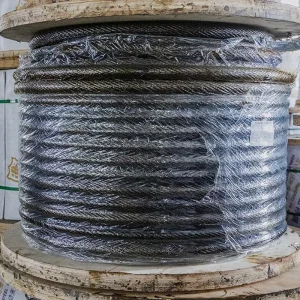
For storage-critical projects, we apply robust sea-worthy packing, including heavy-duty waterproof wrapping and steel strapping, which preserves the metallic integrity of the flat bars from our warehouse to your project site.
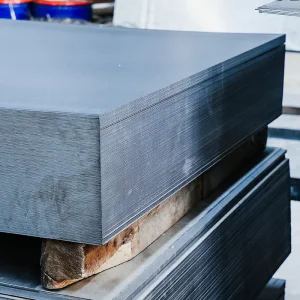
Through advanced rolling mills, we maintain tight tolerances on thickness, width, and flatness. For standard hot-rolled flat bars, we conform to EN 10058 or ASTM A6 tolerance parameters.
If your automated robotic welding lines require closer tolerances to prevent weld gap misalignment, we can supply cold-drawn or precision-slit flat steel with customized tolerances of ±0.1mm on thickness.
Yes. To support automated welding preparations (such as butt welds or groove welds), we can pre-edge profile the flat bars at our factory. Options include beveled, chamfered, round-edged, or square-cut configurations.
Pre-profiling at the factory saves significant labor hours and reduces material handling on the job site.
For standard carbon steel profiles (such as ASTM A36 or S235JR), we maintain steady stock levels with low MOQ requirements.
For custom micro-alloyed profiles or specific dimensional widths that require new roller setups, the MOQ typically ranges between 10 to 25 metric tons depending on the width and thickness configurations.
For standard items available in our inventory, we can organize loading and port dispatch within 7 to 10 days. For custom production runs, the standard manufacturing cycle takes 20 to 30 days.
Our shipping team manages the entire process from cargo transport to port clearance, ensuring delivery schedules match your project timeline.
Supporting related infrastructure needs, including protective coatings and heavy construction structural items.
 Hanshen