Custom Steel Springboard for Construction Industry Factories & Factory

Heavy-Duty Scaffolding Solutions Engineered for Superior Load Capacity, Global Compliance, and Maximum Site Safety

Engineering Integrity: The Role of Custom Steel Springboards in Modern Heavy Scaffolding

A technical analysis of structural durability, mechanical testing criteria, and raw-material excellence in international high-rise construction.

In the global construction industry, temporary access systems—specifically scaffolding systems—are safety-critical structures. The choice of platform material directly influences the risk mitigation profile of high-rise building projects, petrochemical facilities, marine engineering platforms, and civil infrastructure. Wooden planks, historically common, suffer from high degradation rates, flammability, and unpredictable shear failures. Aluminum planks, while lightweight, lack the high-yield structural modulus necessary for extreme loading conditions and have high thermal conductivity.
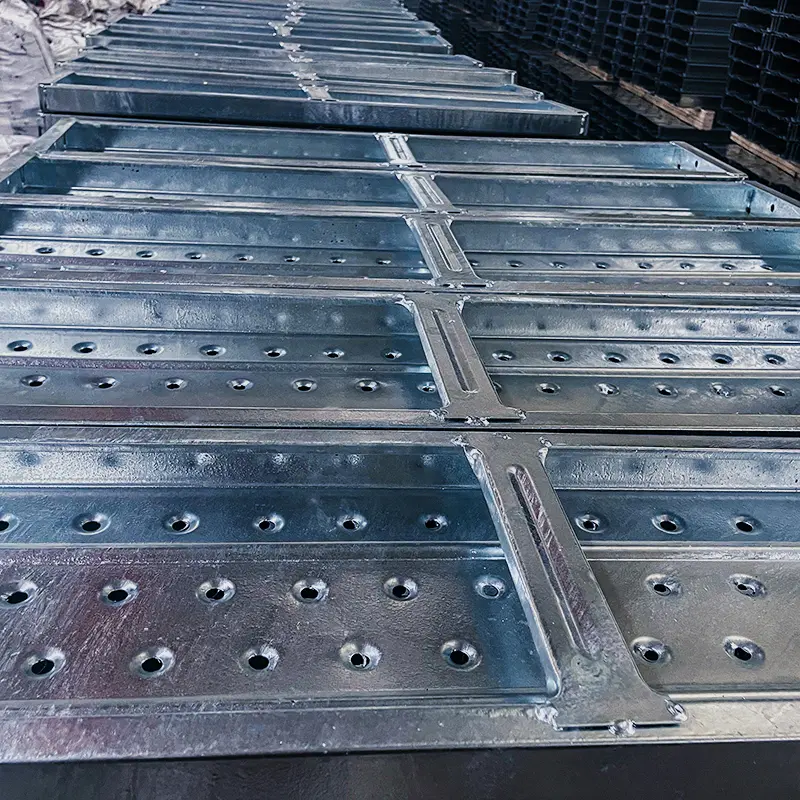
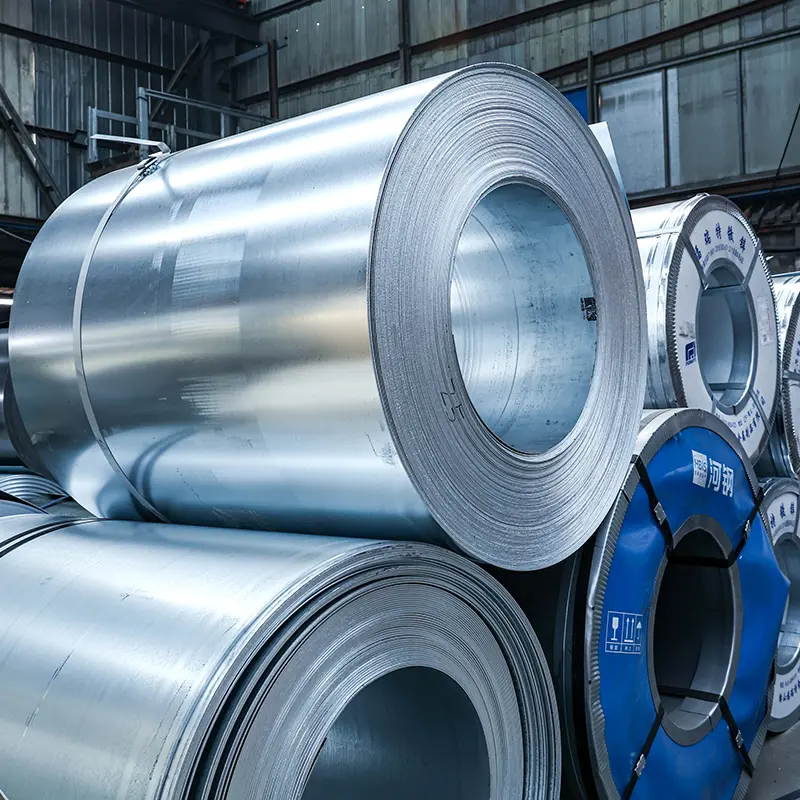
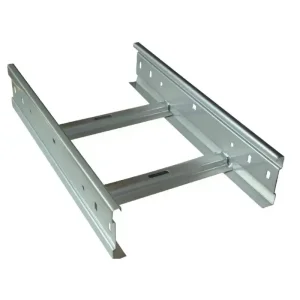
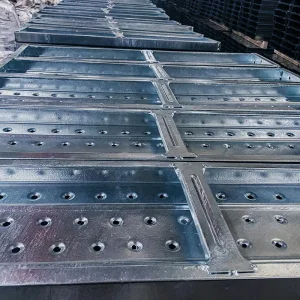
A custom steel springboard (frequently referred to as a metal scaffolding plank or steel catwalk) is engineered from hot-dip galvanized (HDG) or zinc-aluminum-magnesium (ZAM) structural steel coils. Featuring integrated safety reinforcement ribs, anti-slip perforations, and structured end-support box connectors, custom steel springboards deliver reliable safety margins under dynamic and static scaffolding loads. By adopting roll-formed steel scaffolding planks, modern contractors achieve an operational lifespan exceeding five to ten years with near-zero structural maintenance.
Performance Metric Structural Specification Value Compliance Test Method Industrial Applications & Value
Steel Grade Option Q235B, Q355B, DX51D+Z, S250GD, S350GD GB/T 700 / ASTM A653 Guarantees precise yield strength & elasticity limits
Material Thickness Range 1.0 mm – 2.0 mm (Customizable based on loads) Micrometer Calibrated Standard Optimizes dead-weight to payload capacity ratios
Zinc Coating Mass (HDG) 120g/m² to 600g/m² (Z120 – Z600) ISO 1461 / ASTM A123 Corrosion resistance across coastal & industrial zones
Anti-Slip Design pattern Convex/Ovate perforated dynamic punching DIN 51130 Slip Resistance (Class R11+) Guarantees operator stability in wet, oily, icy conditions
Deflection Under Load Limit < L / 100 at Max Span (1.5m – 3.0m spans) EN 12811-1 / BS 1139 Standard Minimizes structural sag and springback bounce fatigue

Semantic Focus: Why the term "Springboard" implies rigidity, not elasticity

In localized industrial markets (particularly throughout Asia, East Europe, and South America), structural steel planks are natively referred to as "steel springboards" because they replace wooden walking planks that previously "sprang" under foot. However, standard specifications like BS 1139 and EN 12811-1 mandate that modern steel planks remain highly rigid. The design achieves structural rigidity through precision-engineered longitudinal ribs and side channels that distribute dynamic loads evenly to the scaffold standards.

Hansheng Technology (Hebei) Co., Ltd.: Strategic Supply Chain & Production Capacities

Leveraging China's premier metallurgical hub in Tangshan City to deliver global volume efficiency.

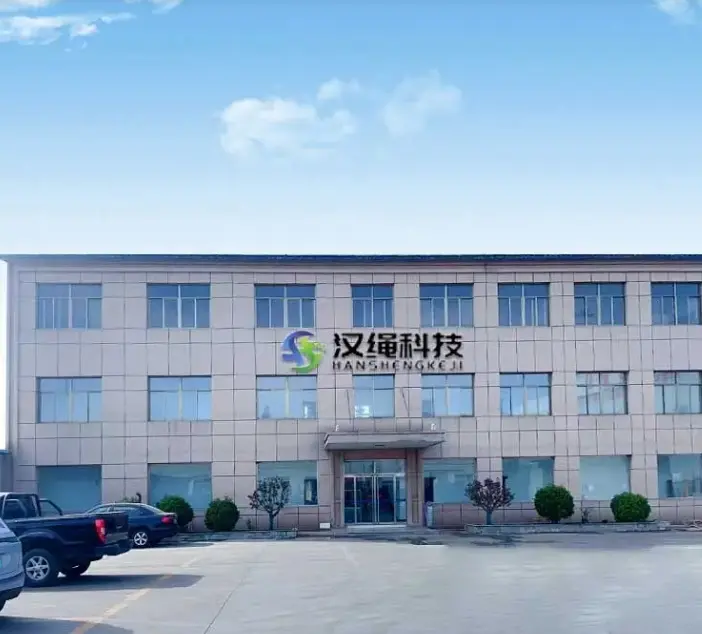
Established in 2006, Hansheng Technology (Hebei) Co., Ltd. is strategically located in Tangshan City, Hebei Province—the heart of China's steel industry. With a prime location just 150 kilometers from the Tianjin seaport and 150 kilometers from the capital, Beijing, we benefit from an exceptional logistics network that ensures efficient global shipping. Since our inception, we have evolved into a comprehensive, export-oriented enterprise specializing in the manufacturing and customization of premium-grade steel products.

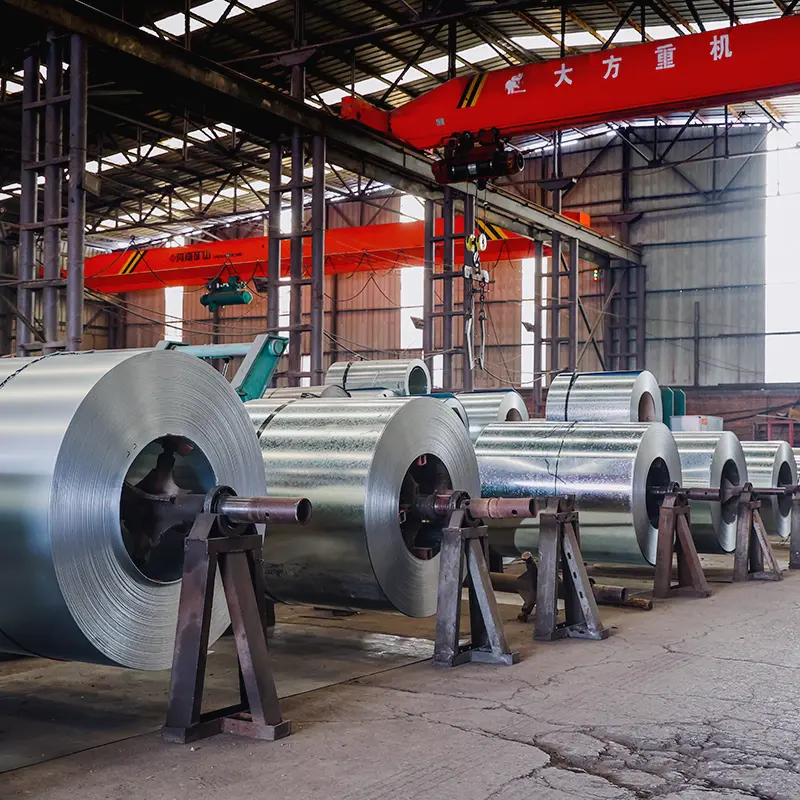
We operate 8 high-efficiency production lines with a total annual production capacity of 300,000 metric tons (with access to up to 650,000 tons via cooperative group mills). Our extensive product portfolio includes Galvanized Steel Wire, Hot/Cold Rolled Steel Coils and Sheets, GI/PPGI, GL/PPGL, ZAM profiles, and customized structural Steel Springboards, all meticulously manufactured to adhere to rigorous international standards such as GB, JIS, ASTM, DIN, EN, and AS/NZS.

Hansheng Technology Factory Office

Two Decades of Professional Expertise

Founded in 2006, our team possesses 19+ years of exporting experience and deep technical expertise, allowing us to navigate complex global compliance, customs clearance, and industrial quality certifications seamlessly.

Advanced Continuous Roll-Forming Lines

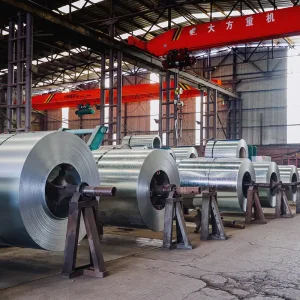
With 8 high-precision lines dedicated to cold roll forming, punching, stamping, and automated hot-dip galvanizing, we ensure dimensional consistency down to ±0.05mm and flawless structural alignment.

Bohai Bay Geographic Advantage

Our location adjacent to Tianjin Port reduces domestic freight times and minimizes inland transport costs, ensuring fast shipping cycles to major international destinations across Europe, the Americas, and Southeast Asia.

300,000+
Annual Metric Tons Output
19+
Years Sourcing Experience
8
High-Speed Roll Forming Lines
150km
Proximity to Tianjin Seaport

Technological Customization Options for Diverse Construction Environments

Tailoring substrate chemistry, anti-corrosive finishes, structural length, and box end connectors to match local site needs.

Zinc-Aluminum-Magnesium (ZAM) Coatings

For projects in petrochemical plants, marine offshore platforms, and humid coastal climates, traditional galvanization can wear down prematurely. We specialize in roll-forming steel springboards using ZAM (Zinc-Aluminum-Magnesium) coated steels. The addition of aluminum and magnesium to the coating creates a highly stable protective layer that seals cut edges automatically through self-healing chemical reactions. ZAM-coated springboards deliver up to three times the corrosion resistance of standard HDG planks.

Perforation Geometry & Load Rib Configurations

Anti-slip dynamics are critical for site safety. Our custom tooling dies offer diverse punching layouts: round-extruded holes, diamond patterns, and slotted drainage openings. These variations optimize weight reduction while maintaining high load resistance. Dual internal reinforcement channels run along the underside, preventing twist, warp, and local buckling when heavy tools are dropped on the platform.

Original Raw Materials Portfolio

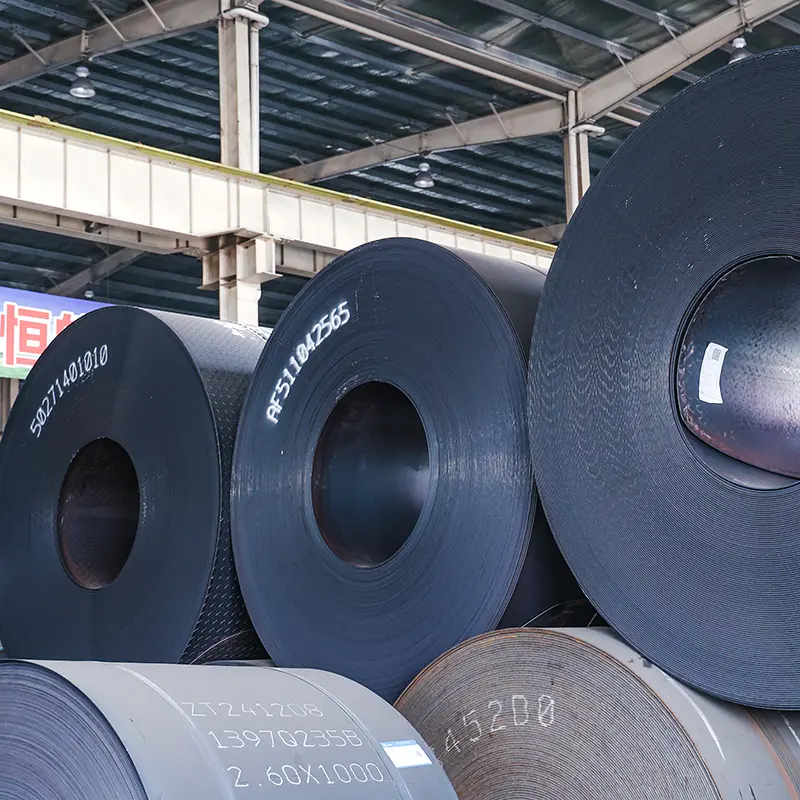
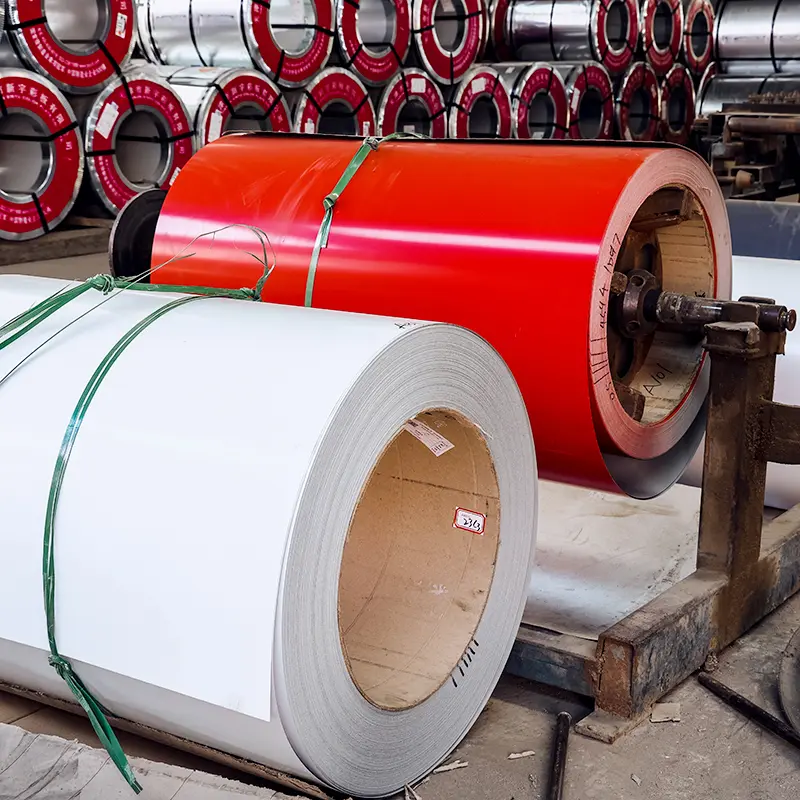
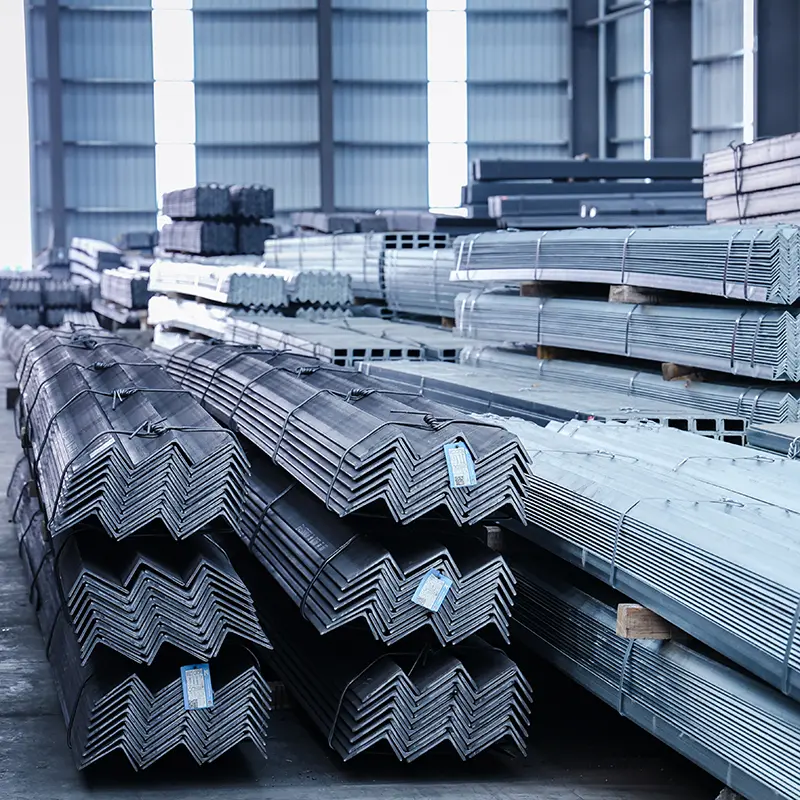
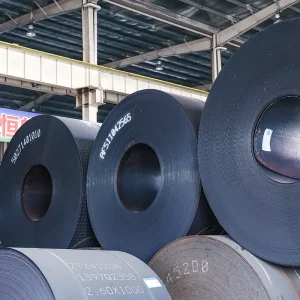
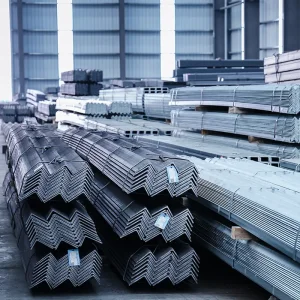
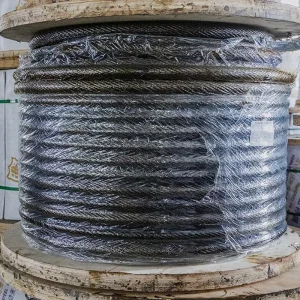
Our ability to supply high-quality customized steel springboards relies on our control over the entire raw materials value chain. Under one roof, Hansheng Technology integrates the manufacture of key structural components. These raw materials, highlighted below, serve as the backbone for the heavy scaffolding assemblies used in modern construction factories.
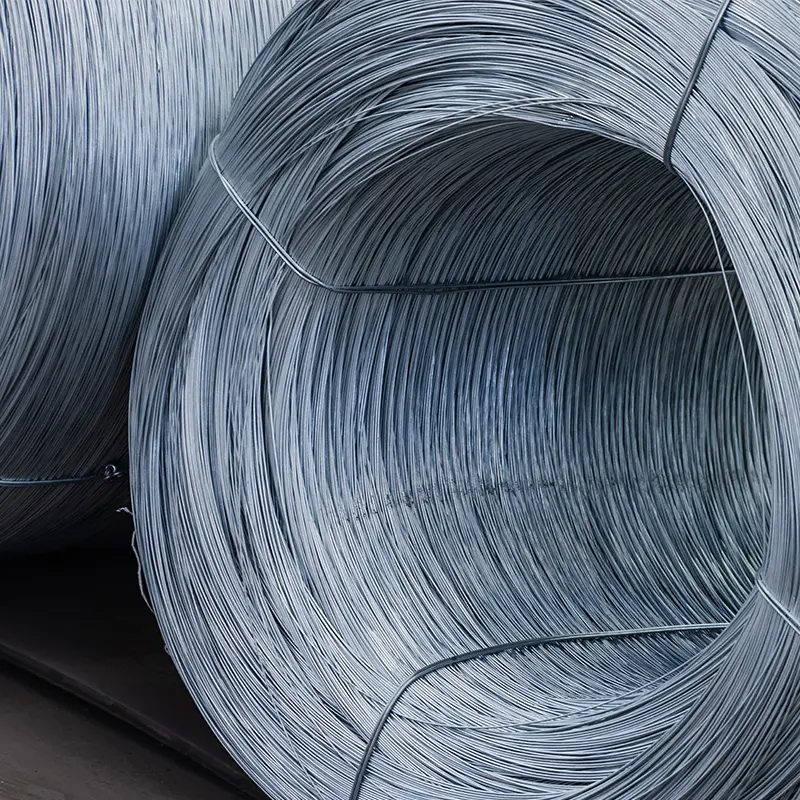
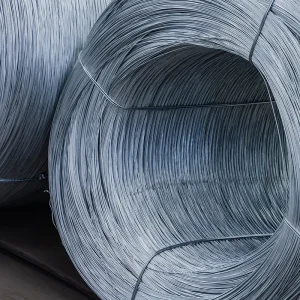
Galvanized Steel Wire

Galvanized Steel Wire

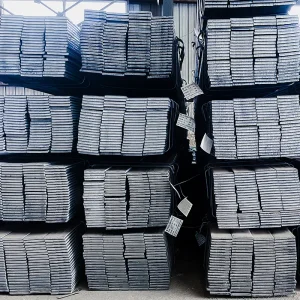
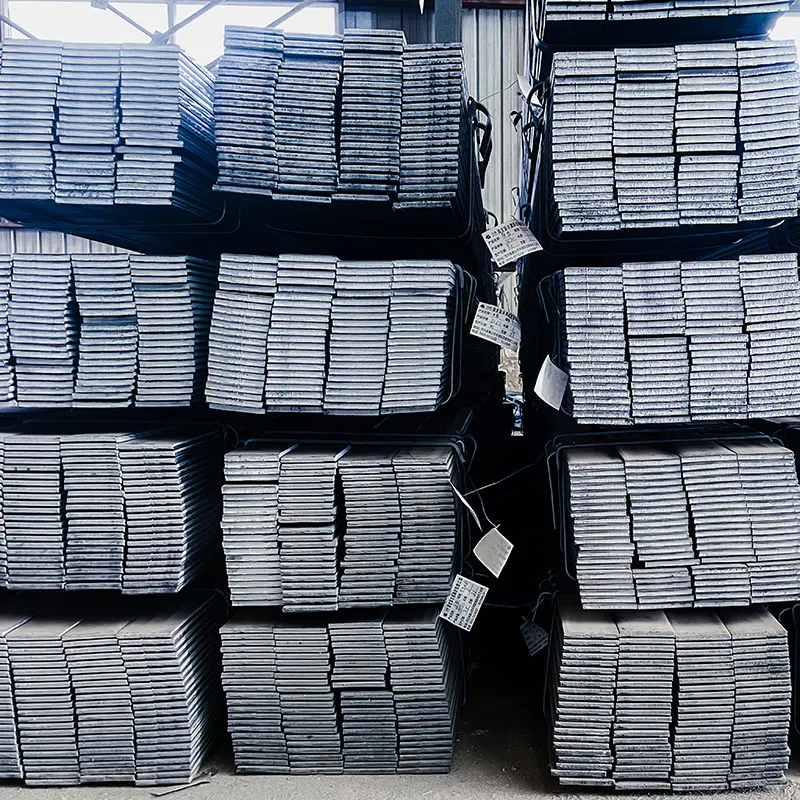
Flat bar

Flat Bar (Edge Trim)

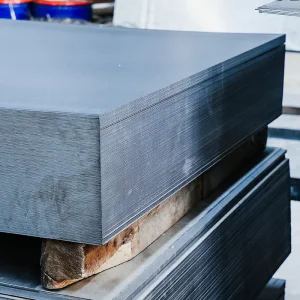
steel plank

Steel Catwalk Planks

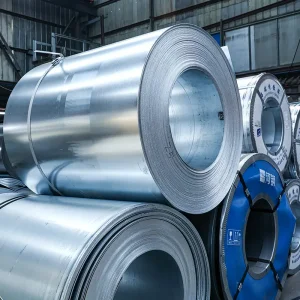
Gi coil

GI Coils & Sheets

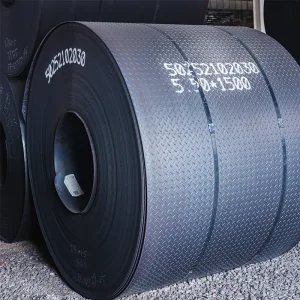
HR coil

HR Coils & Sheets

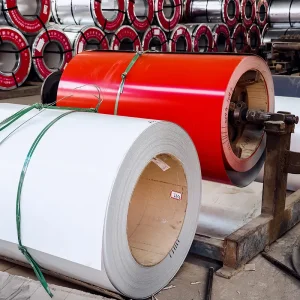
Ppgi

PPGI / PPGL Sheets

Tube

Scaffolding Tubes

ZAM

ZAM Profiles

Localization, Global Standards, & Regulatory Compliance

How Hansheng ensures compliance with structural and safety codes across multiple continents.

Procuring structural steel springboards for international markets requires strict compliance with local safety standards and regulatory frameworks. Scaffold planks serve as safety-critical walking surfaces, meaning even minor structural failures can lead to significant liabilities. At Hansheng Technology, our manufacturing processes are certified to conform to international management systems, including ISO 9001:2000 and ISO 14001. This ensures consistent raw material traceability, physical-property testing, and finish thickness verification.
US

North American Compliance

Our custom steel springboards are engineered to meet the structural safety factors mandated by OSHA 1926 Subpart L (Scaffolding). Design safety criteria require that scaffolding platforms support their own weight and at least four times the maximum intended load. Materials conform to ASTM A653/A653M for pre-galvanized plates and ASTM A123 for hot-dip galvanized finishes.

EU

European Union Compliance

To support European scaffolding operations, our structural designs are tested against EN 12811-1 (Temporary works equipment - Scaffolds). Planks are classified under Load Classes 1 through 6, specifying standard load capacities from 0.75 kN/m² up to 6.00 kN/m². Zinc coatings follow ISO 1461 to ensure long-term durability in industrial environments.

AU

Australian & NZ Compliance

For operations in Australia and New Zealand, our designs are aligned with AS/NZS 1576 (Scaffolding) and AS/NZS 1577 (Scaffold decking components). Planks undergo dynamic drop tests, slip testing, and bending strength verification. These steps ensure reliability when deployed in remote mining installations and coastal construction sites.

To ensure total reliability for on-site execution, every production batch at Hansheng Technology undergoes systematic pre-shipment inspections. Mechanical tests evaluate ultimate tensile strength, yield limits, and weld shear strength. We also verify coating thickness using magnetic induction gauges. This ensures that every springboard delivered matches the exact specifications required by the project contract.

Cooperative Case Studies & Project Deliverables

Reviewing our project deployment history and partnerships with leading domestic and international steel groups.

Our products are deployed in major engineering and infrastructure developments globally. By maintaining partnerships with leading domestic steel producers, we guarantee a stable supply of raw materials, ensuring continuous high-volume production for large-scale projects.
Our Premium Cooperative Mills Network
Cooperative Mill Logo 1
Cooperative Mill Logo 2
Cooperative Mill Logo 3
Cooperative Mill Logo 4
Cooperative Mill Logo 5
Cooperative Mill Logo 6
Cooperative Mill Logo 7
Cooperative Mill Logo 8
Cooperative Mill Logo 9
Cooperative Mill Logo 10
Cooperative Mill Logo 11
Cooperative Mill Logo 12
Global Project Case Portfolio
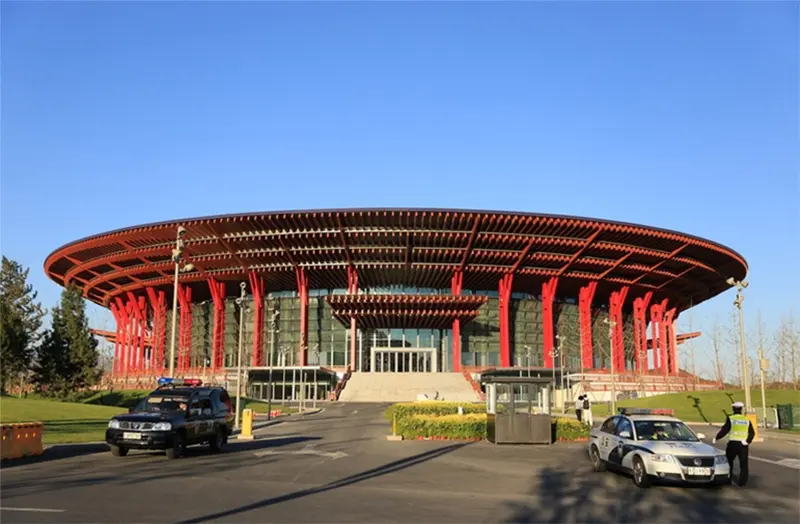
Beijing Yanxihu Convention Center
2013
Beijing Yanxihu Convention and Exhibition Center
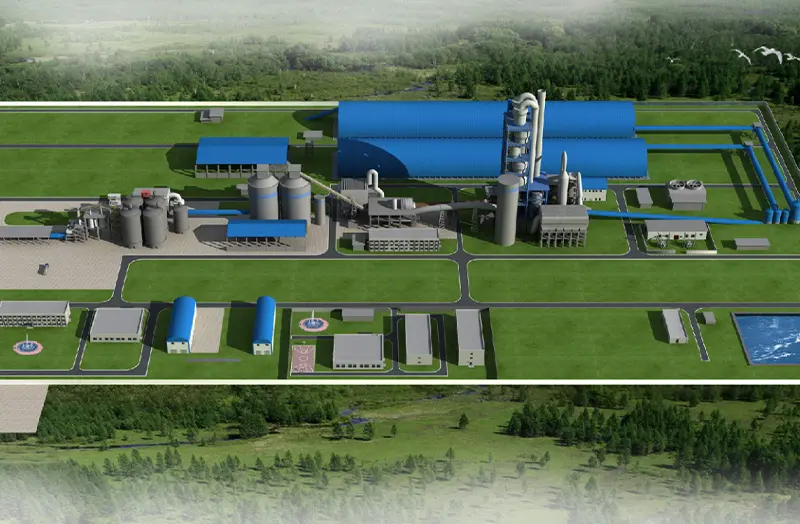
South Africa Mamba Cement Project
2014
Cement Line Project of South Africa Mamba Cement Co., Ltd.
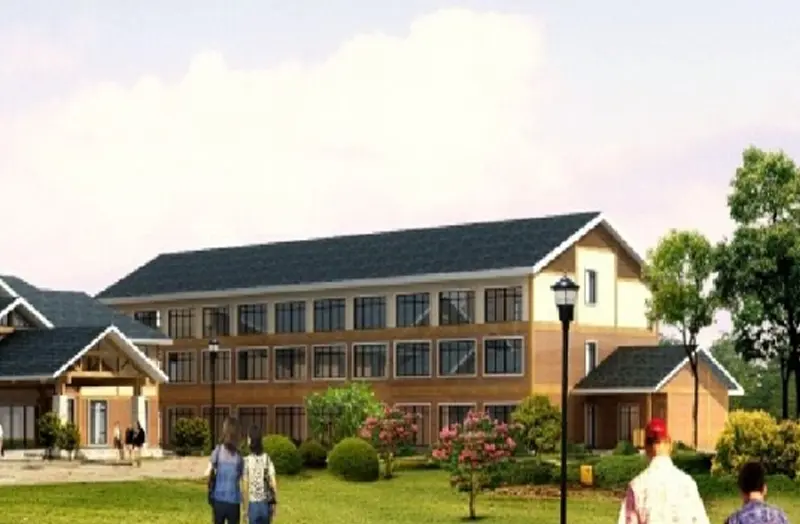
Modern Villa Project Canada
2020
Modern Villa Structural Support to Canada
Historical Global Shipments
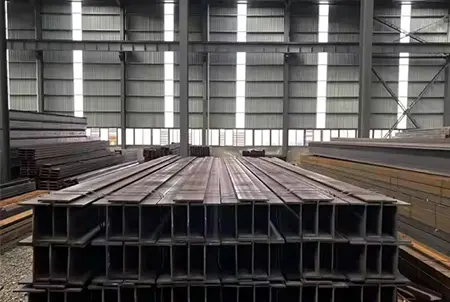
H beam to Dubai

Structural H-Beams

Destination: Dubai, UAE
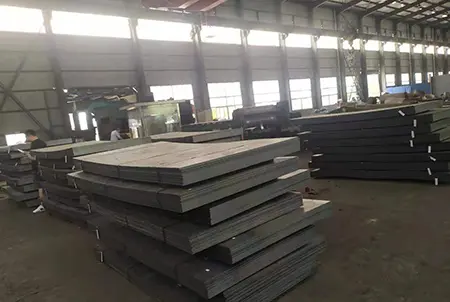
Steel plate to Saudi Arabia

Heavy Steel Plates

Destination: Saudi Arabia

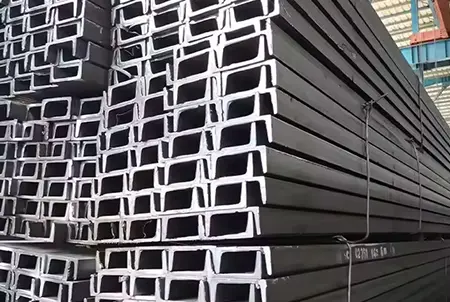
Channel to South Korea

JIS Standard Channels

Destination: South Korea

Future Trends: Next-Gen Steel Scaffolding Technology

Predictive insights on the global transition toward high-tensile alloys and green manufacturing.

The global construction scaffolding market is moving rapidly toward sustainable, high-strength structural profiles. Three core technological shifts are defining the future of custom steel springboards:

Lightweight High-Tensile Alloys

Using advanced steel grades like Q355B or high-yield cold-rolled sheets allows for a reduction in material thickness without sacrificing load capacity. This approach minimizes transport emissions and makes handling on-site safer and easier for scaffolders.

Corrosion-Resistant Metal Systems

Traditional hot-dip galvanization involves energy-intensive bath cooling. In contrast, emerging thin-film ZAM (zinc-aluminum-magnesium) coatings offer self-healing properties that prevent corrosion at cut edges and punch zones, extending the operational lifespan of the steel.

Fully Automated Manufacturing

Integrating PLC-controlled roll forming, hydraulic punch dies, and robotic welding stations reduces human error, ensures dimensional stability, and keeps production lines running efficiently to support high-volume global procurement.

Frequently Asked Questions & Sourcing Guidelines

Addressing essential technical queries from construction engineers, safety inspectors, and procurement professionals.
Q1: What are the primary structural advantages of steel springboards over aluminum or wood?
A: Steel springboards deliver a significantly higher yield modulus, enabling them to carry high static payloads without permanent deformation. Unlike wood, they do not rot, split, absorb moisture, or present a fire hazard. Unlike aluminum, they offer higher impact resistance and avoid the risk of galvanic corrosion when connected to steel couplers and standards.
Q2: How does Hansheng Technology guarantee compliance with local construction regulations?
A: We manufacture products to conform directly to the destination market's standards, including GB/T 24910 in China, OSHA 1926 in the United States, EN 12811-1 in Europe, and AS/NZS 1576/1577 in Australia and New Zealand. Mill test certificates, chemical heat analyses, and third-party inspection reviews are provided for each shipment.
Q3: What parameters must be specified when submitting a request for custom steel springboard production?
A: Procurement requests should specify: (1) Width (typically 210mm to 500mm), (2) Height/Profile thickness (typically 38mm to 50mm), (3) Substrate thickness (typically 1.0mm to 2.0mm), (4) Length (ranging from 1.0m to 4.0m), (5) Finishing type (pre-galvanized, hot-dip galvanized, or ZAM), and (6) Support hook configurations (box end or pin system).
Q4: Why is a ZAM (Zinc-Aluminum-Magnesium) coating recommended over traditional hot-dip galvanizing?
A: ZAM coatings create a magnesium-based layer that migrates to cover cut edges, drill holes, and scratches. This self-healing process provides long-term protection, extending the service life of steel springboards in coastal, offshore, and petrochemical settings where traditional galvanized surfaces can corrode rapidly.
Q5: How does the Tangshan location benefit international logistics and pricing?
A: Tangshan is China's primary hub for steel production, providing direct access to raw materials and minimizing inland shipping costs. Located just 150 km from Tianjin Port, we can transport finished products to international vessels quickly, helping to maintain competitive pricing and stable lead times.
Q6: What is the typical life cycle and maintenance profile of steel springboards?
A: When properly hot-dip galvanized or ZAM coated, steel springboards have an operational life cycle of 5 to 10 years, even with frequent reuse. Maintenance requires minimal effort: periodic visual checks for structural damage or extreme load-induced deflection, along with regular cleaning of the anti-slip perforations.