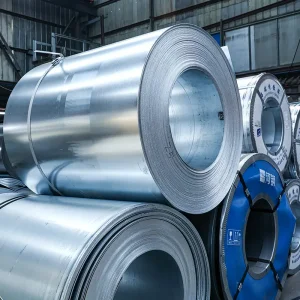
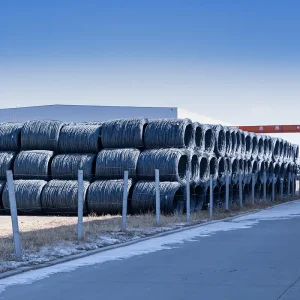
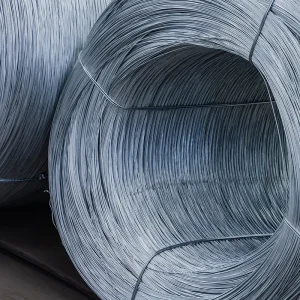
Custom Stainless Steel Patterned Coil Suppliers & Technical Solutions

Global Supply, Metallurgical Precision, and Sustainable Macro-Engineering Applications for High-Demand Environments

1. Engineering Foundation: Metallurgy of Patterned Stainless Steel Coils

In modern industrial manufacturing and heavy structural design, Custom Stainless Steel Patterned Coils (commonly referred to in international procurement standards as embossed or textured stainless steel sheets) represent a critical convergence of metallurgical engineering, surface science, and mechanical structural performance. Unlike standard flat steel sheets, patterned coils undergo complex mechanical cold-rolling and localized plastic deformation processes. The primary objective is twofold: to drastically increase the structural friction coefficient (anti-slip index) and to significantly alter the load-bearing properties and aesthetics of the steel.

From a microstructural perspective, the deformation mechanics of stainless steel (principally Austenitic grades like AISI 304, 316, and 316L, alongside Ferritic grades like AISI 430) during pattern embossing involve precise strain-hardening behaviors. The cold-embossing process modifies the dislocation density of the alloy lattice structure, inducing a work-hardening effect that increases local yield strength without causing micro-fissures or compromising the integral corrosion resistance of the material.

Key Engineering Insight: When selecting a custom stainless steel patterned coil supplier, engineers must evaluate the "die replication accuracy." An inadequate supplier utilizing worn embossing rolls yields inconsistent pattern depth, causing localized stress concentrations that compromise structural safety under cyclical mechanical loading.

Technical Classification of Common Patterns and Their Mechanical Advantages

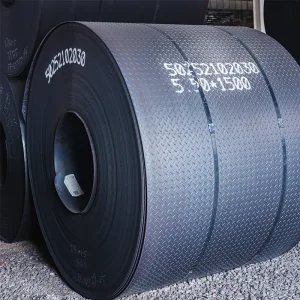
  • Teardrop & Checkered Patterns: Primarily engineered for dry and wet slip resistance in heavy-load industrial flooring. The layout facilitates liquid dispersion, minimizing hydrodynamic lubrication layers that cause slipping.
  • Stucco & Linen Textures: Specially optimized for architectural facades and interior panels of transport vehicles. These micro-patterns diffuse ambient light, hiding scratches, impact dents, and high-traffic wear marks.
  • Rigidized/Deep-Textured Finishes: These designs structurally alter the moment of inertia of the steel sheet. Consequently, they allow project managers to down-gauge material thickness by up to 30% while retaining the identical load-deflection profiles of flat, thicker alternatives.

Grade Comparison Matrix & Structural Performance Metrics

A technical roadmap for engineering teams to optimize material grade selection based on operational environments.

Steel Grade Chemical Composition Key Elements Corrosion Resistance (PREN) Slip Resistance Rating Primary Industrial Applications
AISI 304 (Austenitic) 18% Cr, 8% Ni 17.5 - 20 R10 - R12 (Pattern Dependent) Food processing facilities, cleanrooms, architectural paneling, vehicle steps.
AISI 316 / 316L (Austenitic) 16% Cr, 10% Ni, 2% Mo 23.1 - 28.5 R11 - R13 (High Slip-Resistance) Marine platforms, chemical processing plants, coastal infrastructure, offshore oil & gas.
AISI 430 (Ferritic) 16% Cr, <0.75% Ni 12 - 15 R9 - R11 Elevator interiors, home appliances, automotive trim, mild atmospheric architecture.
Duplex 2205 (Austenitic-Ferritic) 22% Cr, 5% Ni, 3% Mo, 0.18% N 35 - 40 R12 - R13 (Heavy Duty) Subsea applications, desalination plants, extreme load-bearing chemical flooring.

2. Global Industrial Procurement Dynamics: Meeting Demanding Supply Chain Specifications

The international market for Custom Stainless Steel Patterned Coils is characterized by highly diverse and stringent buyer criteria. Procurement officers, project engineers, and supply chain managers in critical sectors (such as marine engineering, municipal public works, automotive production, and bulk chemical logistics) do not simply search for a generic supplier. Instead, they require structural partners capable of delivering verified raw materials that comply with localized and global engineering certifications.

In North American and European markets, procurement focuses heavily on regulatory compliance, material traceability, and safety parameters. In these markets, patterned coils are subjected to standardized slip-resistance testing under ASTM D2047 (Coefficient of Friction) and DIN 51130 (ramp testing for slip hazard classifications from R9 to R13).

Supply Chain Reality: In modern industrial environments, slip-and-fall incidents account for a significant percentage of operational liabilities. Consequently, purchasing agents require certified test reports demonstrating that the specific embossed pattern maintains its functional slip-resistance under oil-slicked, wet, and high-debris conditions.

Key Industrial Scenarios Driving Procurement

  • Commercial Maritime and Offshore Engineering: Marine environments demand the absolute corrosion resistance of AISI 316L combined with patterned surfaces to withstand highly corrosive salt spray and ensure secure footholds on rolling vessels and offshore drill decks.
  • Transportation and High-Speed Rail Hubs: Rolling stock manufacturers require lightweight, high-durability patterned sheets for under-cab steps, wheelchair ramps, and passenger vestibules where aesthetic integrity must survive high foot traffic.
  • Hygiene-Critical Food & Beverage Processing: Food safety regulations (FDA and EHEDG) mandate surfaces that prevent bacterial colonization while remaining easily cleanable. Custom micro-patterned stainless steels offer minimal surface roughness (Ra values) alongside micro-structural texture, satisfying both slip resistance and sanitation requirements.

Hansheng Technology: Supply Chain Capability Pillars

Strategically positioned in China's premier steel-producing hub to deliver unmatched global distribution speed, capacity, and certified quality.

Strategic Maritime Logistics

Located in Tangshan City, Hebei Province, just 150 km from the major seaport of Tianjin and 150 km from Beijing, facilitating rapid customs clearance and highly competitive global shipping rates.

Advanced High-Capacity Output

Equipped with 8 high-precision state-of-the-art production lines, yielding an annual capacity of 300,000 metric tons (up to 650,000 tons across specific product categories), ensuring high-volume orders are completed on schedule.

Rigorous Standards Compliance

Full compliance with GB, JIS, ASTM, DIN, EN, and AS/NZS global standardizations, fully backed by ISO9001:2000 and ISO14001 environmental and quality management systems.

19+
Years Exporting Experience
300K+
Annual Tons Capacity
8
Active Production Lines
35+
Technical Engineers & Specialists

3. Technical Roadmap: The Future of Stainless Steel Patterning Technology

Looking forward to the 2025–2035 manufacturing cycle, the production of patterned steel coils is shifting from traditional mechanical stamping toward intelligent, high-precision thermal-mechanical processing. This evolution is driven by both global carbon reduction initiatives and the demand for absolute consistency in material microstructures.

Hansheng Technology is actively monitoring and incorporating these state-of-the-art technological advancements to remain a premier tier-one supplier:

  • Smart Roll-Embossing Simulation: Utilizing finite element analysis (FEA) to simulate metal flow during cold rolling. This simulation allows our design team to predict structural stress zones, optimizing pattern configurations to minimize localized internal stresses and eliminate strip waviness.
  • Online Laser Texture Mapping: Replacing traditional mechanical roll engraving with high-power laser etching. This upgrade enables ultra-precise, complex custom micro-textures that significantly improve slip resistance while maintaining a smooth, easy-to-clean profile.
  • Sustainable Processing & Hydrogen-Reduced Feeding: Aligning with global carbon-neutral goals, our supply chain incorporates energy-efficient heat recovery systems and sources feedstocks processed through cleaner, low-carbon steelmaking technologies.
  • Real-time Thickness and Flatness Verification: Installing digital inline thickness gauges and optical flatness sensors across our production lines to guarantee that patterned coils meet or exceed ASTM A480 commercial tolerance standards.
Quality Control Standard: Every batch of patterned coil produced by Hansheng Technology undergoes a comprehensive pre-shipment inspection. This process includes laser profiling of pattern depth, chemical analysis verification via spark spectrometry, and mechanical tensile testing.

About Hansheng Technology (Hebei) Co., Ltd.

A premier manufacturer and strategic supplier delivering reliable, high-grade steel solutions since 2006.
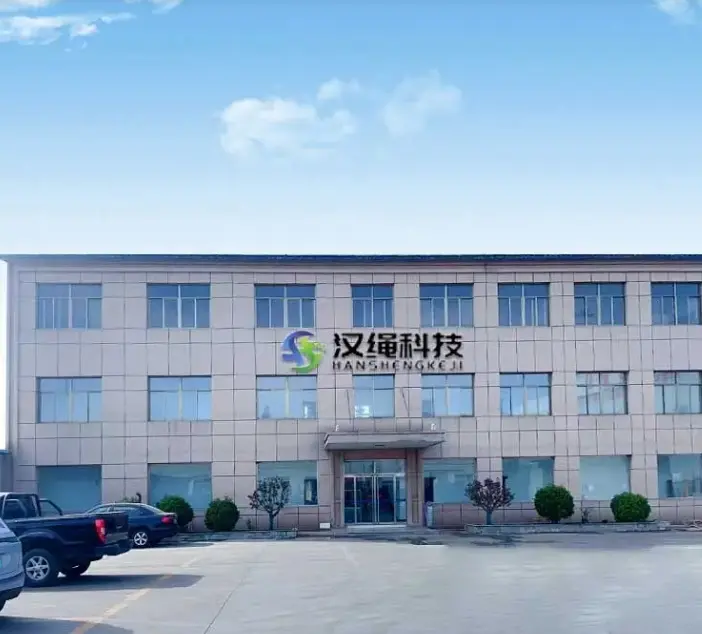
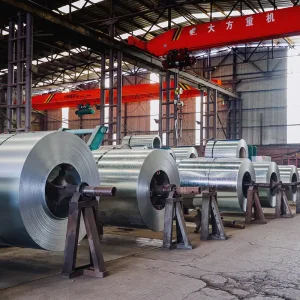
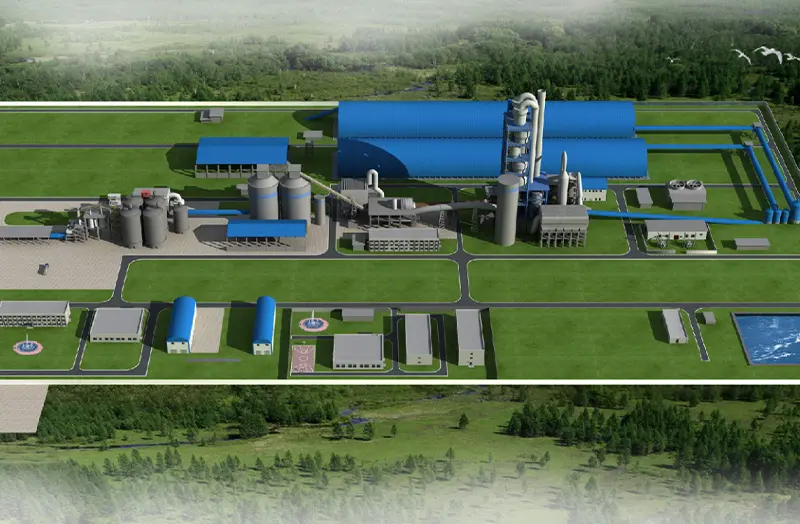
Hansheng Technology Factory Production Line

Established in 2006, Hansheng Technology (Hebei) Co., Ltd. has grown into a leading, export-oriented steel manufacturing enterprise. Strategically located in Tangshan City, Hebei Province—the heart of China's steel industry—our facilities are positioned to leverage regional raw materials and logistics networks.

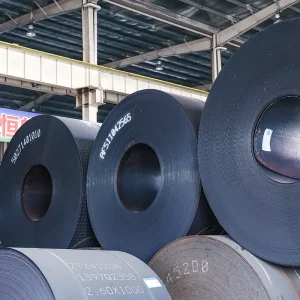
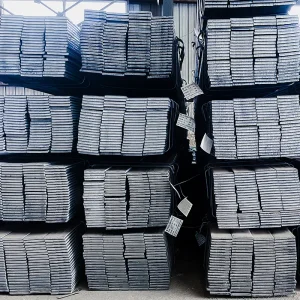
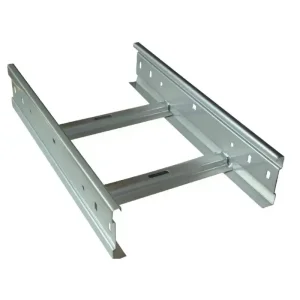
With 8 high-performance production lines, our facility maintains a robust annual capacity of 300,000 metric tons. Our comprehensive product portfolio includes Galvanized Steel Wire, Hot/Cold Rolled Steel Coils and Sheets, GI/PPGI, GL/PPGL, Section Steels, and Custom Patterned Coils, all manufactured in strict compliance with GB, JIS, ASTM, DIN, EN, and AS/NZS standards.

Operating under our core philosophy of "honoring contracts and keeping promises," we have earned a strong reputation across markets in the Middle East, Southeast Asia, North Asia, Africa, the Americas, and Europe.

Cooperative Global Metallurgy Partners

4. Localization, Compliance, and Supply Chain Risk Mitigation

For multinational industrial projects, procurement involves navigating complex trade environments, quality compliance, and logistical challenges. Selecting a supplier that lacks proper export qualifications or fails to understand local regulatory frameworks often leads to project delays and financial losses.

Hansheng Technology mitigates these operational risks through dedicated localization and compliance frameworks:

  • Frictionless Customs and Logistics: Our close proximity to the port of Tianjin (150 km) enables efficient container staging and fast customs processing, minimizing detention and demurrage risks.
  • Strict Compliance with International Standards: We ensure all material batches are accompanied by EN 10204 3.1 Mill Test Certificates (MTC), certifying chemical composition, mechanical performance, and traceability back to the raw material heat number.
  • Global Quality Certifications: Our manufacturing processes conform to ISO 9001:2000 quality systems and ISO 14001 environmental frameworks, ensuring our materials meet the compliance needs of major municipal and private projects worldwide.

Furthermore, our engineering teams provide tailored technical support to help clients select the appropriate steel grades, pattern styles, and surface treatments for their local environmental conditions (such as high-salinity coastal areas or extreme industrial environments).

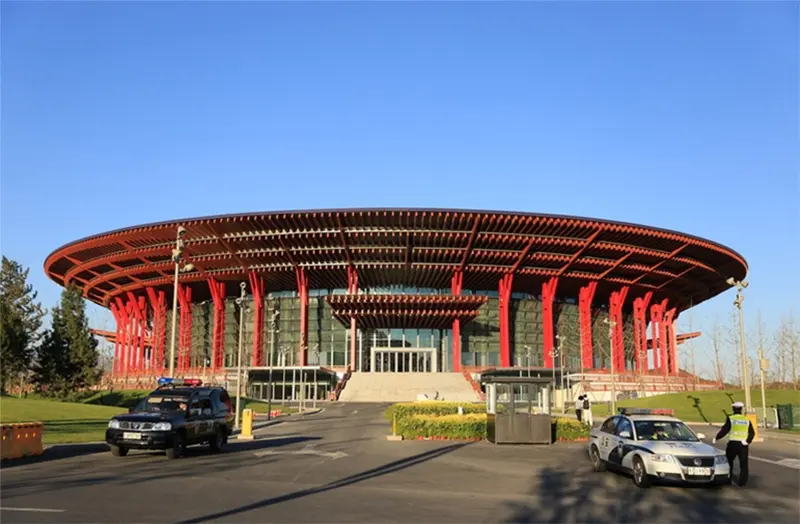
Proven Global Case Studies & Shipments

Hansheng Technology's materials are trusted across major international infrastructure and industrial projects.
Technical Q&A / FAQ

In-depth explanations of critical technical and procurement questions for engineering teams.
How does pattern embossing affect the corrosion resistance of 304 and 316L grades? +
The cold embossing process induces localized micro-strains in the metal lattice. While this work-hardens the steel and increases yield strength, it can create microscopic regions of tensile stress. Under highly corrosive environments, these stressed areas may be slightly more susceptible to stress corrosion cracking (SCC) or crevice corrosion if liquids accumulate in pattern recesses. To mitigate this risk, Hansheng Technology subjects our high-end patterned coils to post-embossing passivating treatments. This process restores the chromium oxide passive layer, ensuring the material retains its corrosion-resistant properties.
What are the key differences between one-sided and two-sided patterned coils? +
One-sided patterned coils are produced using one engraved steel roll and one smooth rubber or steel backing roll, resulting in a textured top surface and a flat back. This configuration is ideal for flooring and wall panels that must be mounted flush against flat surfaces. Two-sided patterned coils are processed between two interlocking engraved rolls, producing a textured profile on both sides. This increases the section modulus and structural rigidity, making it suitable for self-supporting platforms and architectural facades where both faces are exposed.
What standards govern the load-bearing calculations for patterned stainless steel? +
Load-bearing calculations are governed by structural design standards, such as Eurocode 3 (EN 1993-1-4 for stainless steel) and ANSI/AISC 370. When designing platforms, engineers must refer to the material's yield strength (Rp0.2) and ultimate tensile strength (Rm). Texturing patterns can alter the effective thickness and section modulus of the sheet. Hansheng provides technical datasheets that list nominal thickness, weight per square meter, and load-span tables to assist project teams in performing accurate structural calculations.
How does Hansheng Technology manage shipping logistics and prevent surface damage during transit? +
To protect surface finishes during transit, we apply a protective polyethylene (PE) or fiber laser film to the patterned face. Coils are tightly bound with steel strapping, wrapped in waterproof paper, and secured on heavy wooden or steel pallets designed to withstand ocean transit. Utilizing our close proximity to Tianjin Port, we coordinate container loading and securement to prevent movement, ensuring the material arrives in optimal condition.