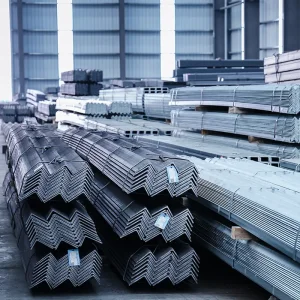
In structural engineering, the optimization of load distribution and structural integrity requires materials that offer predictable mechanical properties, high yield strength, and robust resistance to structural deformation. Stainless Steel Equal Angles (otherwise known as L-profiles or equal leg angle bars) represent a fundamental structural profile where the two legs meet at a precise 90-degree angle, with both legs possessing identical width and thickness. This geometric configuration delivers a balanced ratio of moment of inertia along both principal axes, rendering equal angles exceptionally effective in resisting bending moments, torsional forces, and compression loads.
Unlike carbon steel, which relies heavily on protective coatings such as hot-dip galvanization or epoxy paint systems—methods prone to mechanical degradation and environmental weathering—stainless steel equal angles rely on their native alloy composition to construct a self-repairing passive oxide layer. By incorporating a minimum of 10.5% chromium (and often exceeding 18% in premium grades such as 304, 316, and 316L), the steel dynamically generates a micro-thin layer of chromium oxide ($Cr_2O_3$) upon contact with oxygen. This passive barrier renders the profile highly resistant to localized pitting, crevice corrosion, and uniform surface oxidation in aggressive industrial environments.
Selecting the optimal stainless steel equal angle for any project requires evaluating the chemical composition and mechanical properties of the target grade. The table below lists the engineering specifications of the primary alloys utilized by Hansheng Technology (Hebei) Co., Ltd. for custom structural shapes:
| Stainless Steel Grade | UNS Designation | Nominal Chemistry (Key Elements) | Yield Strength (0.2% Offset, MPa) | Tensile Strength (MPa) | Primary Application Environment |
|---|---|---|---|---|---|
| Grade 304 | S30400 | 18% Cr, 8% Ni | ≥ 205 | ≥ 515 | General structural, architectural frames, food processing facilities |
| Grade 316 | S31600 | 16% Cr, 10% Ni, 2% Mo | ≥ 290 | ≥ 580 | Marine infrastructure, chemical processing, high-salinity coastal areas |
| Grade 316L | S31603 | 16% Cr, 12% Ni, 2% Mo (Low Carbon) | ≥ 245 | ≥ 550 | Heavy welding assemblies, pulp and paper processing, pharmaceutical systems |
| Grade 321 | S32100 | 17% Cr, 9% Ni, Titanium stabilized | ≥ 205 | ≥ 515 | High-temperature industrial furnaces, exhaust manifolds, aerospace frames |
| Duplex 2205 | S32205 | 22% Cr, 5% Ni, 3% Mo, 0.18% N | ≥ 450 | ≥ 620 | Offshore oil and gas, desalination plants, high-stress structural components |
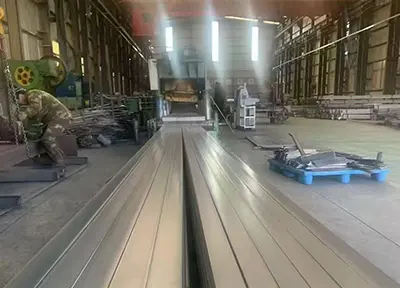
At Hansheng Technology, our manufacturing processes accommodate various dimensional and surface tolerance requirements through two primary production methods:
Beyond standard structural configurations, our factory supports specialized customization. This includes custom leg lengths (unequal angles), precise thickness profiles, custom lengths to minimize scrap rates, and advanced surface finishes such as pickling, bead blasting, mirror polishing (8K), and satin brush finishes (No. 4). This versatility ensures that our stainless steel equal angles integrate seamlessly into both structural assemblies and architectural designs.
Hansheng Technology operates in Tangshan City, Hebei Province—the global hub of steel production. This geographic positioning offers several key advantages for international procurement teams:
Direct integration with premium local iron and steel refineries ensures reliable access to high-grade alloying elements (nickel, chromium, molybdenum). This stable material flow protects production schedules from global raw material volatility.
Our facility is located just 150 kilometers from the Tianjin seaport and 150 kilometers from Beijing. This geographic position allows us to leverage low-cost domestic inland transport routes and secure priority space with global ocean freight carriers.
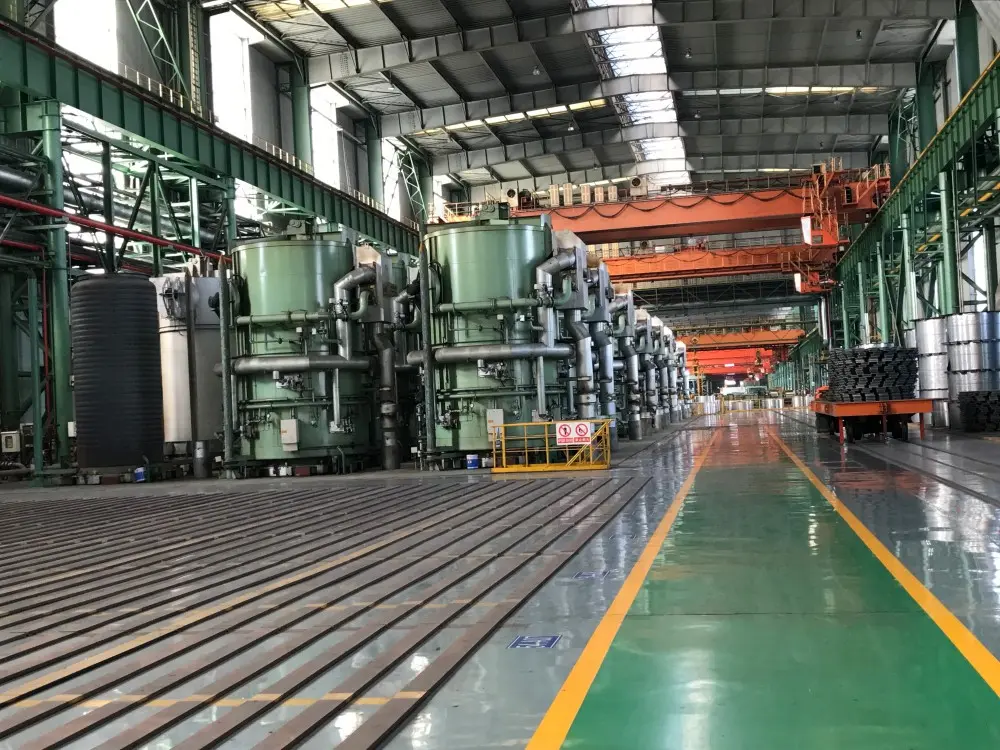
Operating 8 modern production lines with an annual output capacity of 300,000 metric tons allows us to optimize energy consumption, refine tool scheduling, and lower manufacturing costs. We pass these savings directly to our global partners.
The applications for stainless steel equal angles span across numerous highly regulated global industries:
Year of Establishment
Annual Output (Tons)
High-Efficiency Lines
Years Export Experience
Trust, Confidence, and Reliability form the cornerstone of our operations. We maintain absolute integrity in everything we do, adapting continuously to changing market and consumer needs while striving for metallurgical and logistical excellence.
Focusing on premium building materials and structural steel solutions to construct a safer, more sustainable world for future generations, supported by a professional team of over 35 experts.
To continuously lead the global building materials and structural profile exporting industry, refining our capabilities and delivery mechanisms to remain a premier tier-one supplier.
Hansheng Technology (Hebei) Co., Ltd. is strategically situated in Tangshan City, Hebei Province—the heart of China’s steel industry. Since our inception in 2006, we have evolved into a comprehensive, export-oriented enterprise specializing in the manufacturing of premium-quality steel products. We strictly follow international standards—including GB, JIS, ASTM, DIN, EN, and AS/NZS—guaranteeing that every product we deliver meets the highest level of global industrial precision. Our commitment is backed by ISO9001:2000 and ISO14001 certifications, as well as a professional pre-shipment quality control team that inspects every batch prior to departure.
Hansheng Technology is established in Tangshan, Hebei Province, focusing on supplying regional infrastructure projects with high-quality steel profiles.
Successfully delivered structural steel components for the landmark Beijing Yanxihu Convention and Exhibition Center, proving our manufacturing capabilities for major public structures.
Delivered structural profiles for the Mamba Cement Co., Ltd. clinker production line project in South Africa, marking our expansion into global heavy industrial markets.
Supplied specialized structural framing systems for Modern Villa projects in Canada, demonstrating the versatility of our structural steel solutions in residential design.

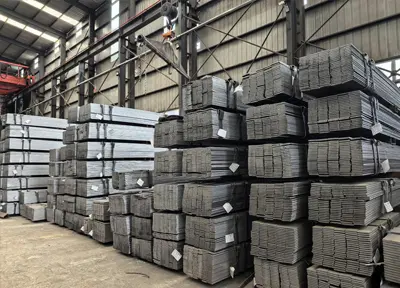
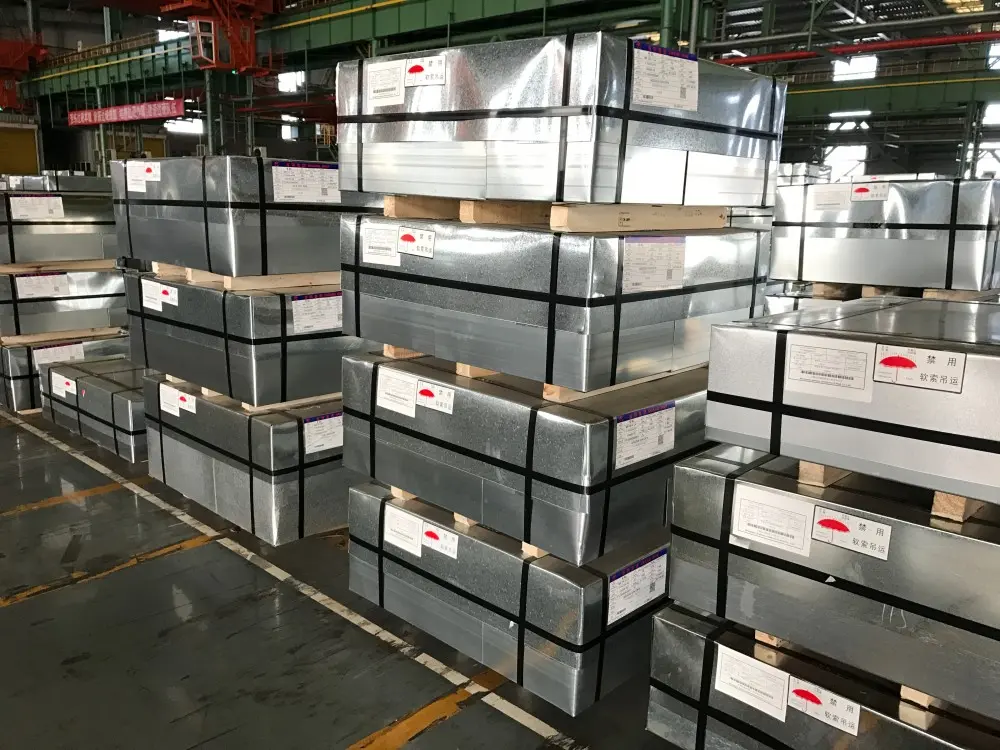
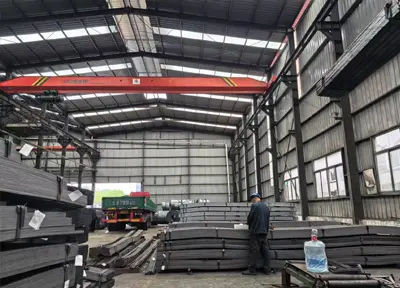
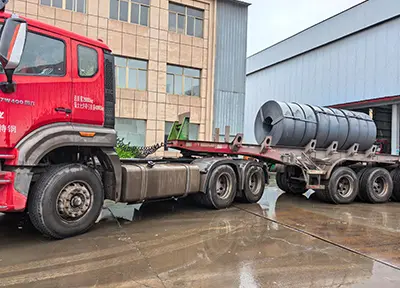
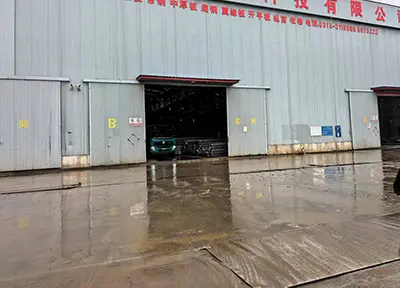
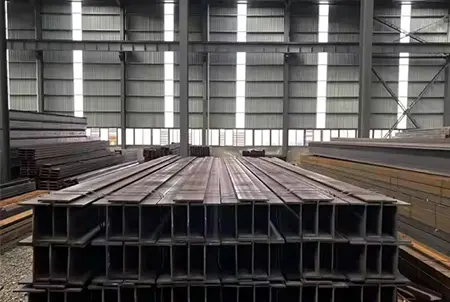
Standard structural profiles dispatched to Dubai, UAE for commercial development.
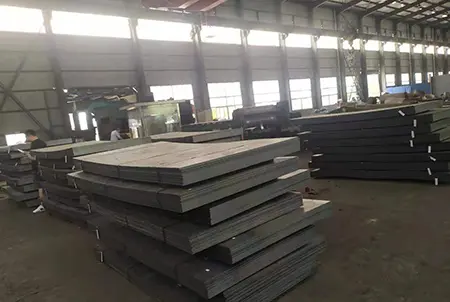
High-strength industrial plates shipped to Saudi Arabia for petrochemical infrastructure.
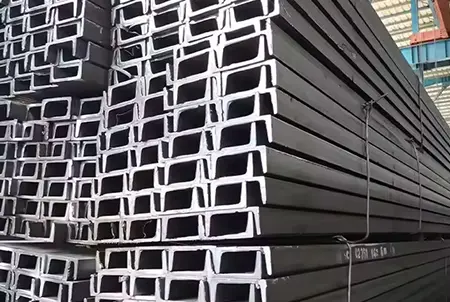
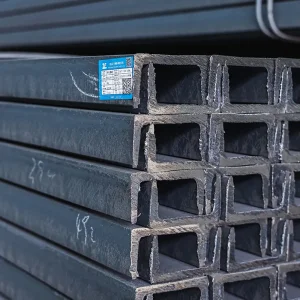
Custom hot-rolled channels exported to South Korea, meeting strict JIS standards.
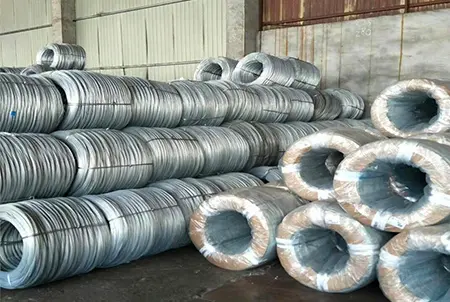
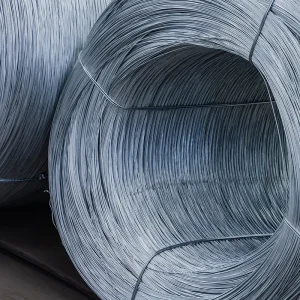
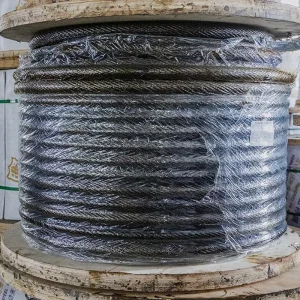
High-tensile galvanized steel wire shipped to Florida, USA for agricultural wiring.
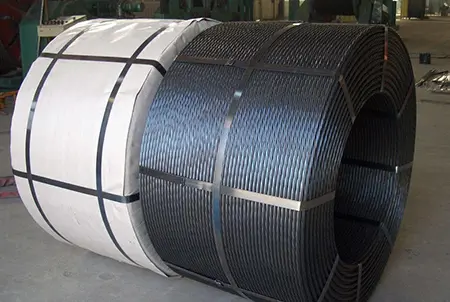
Prestressed concrete steel strand supplied for bridge and infrastructure projects in the Philippines.
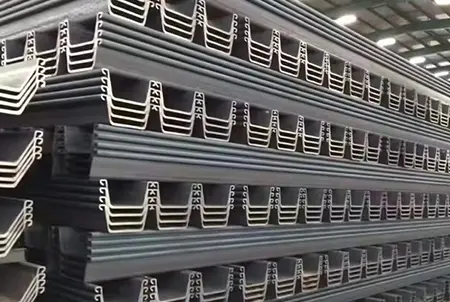
Heavy-duty sheet piles shipped to Jakarta, Indonesia for harbor construction.
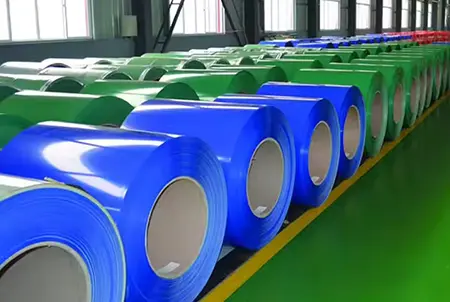
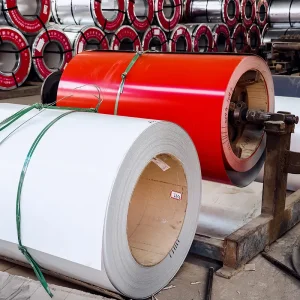
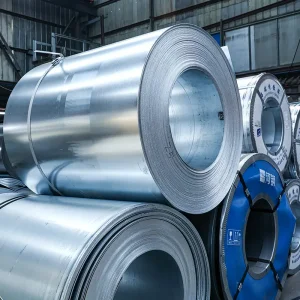
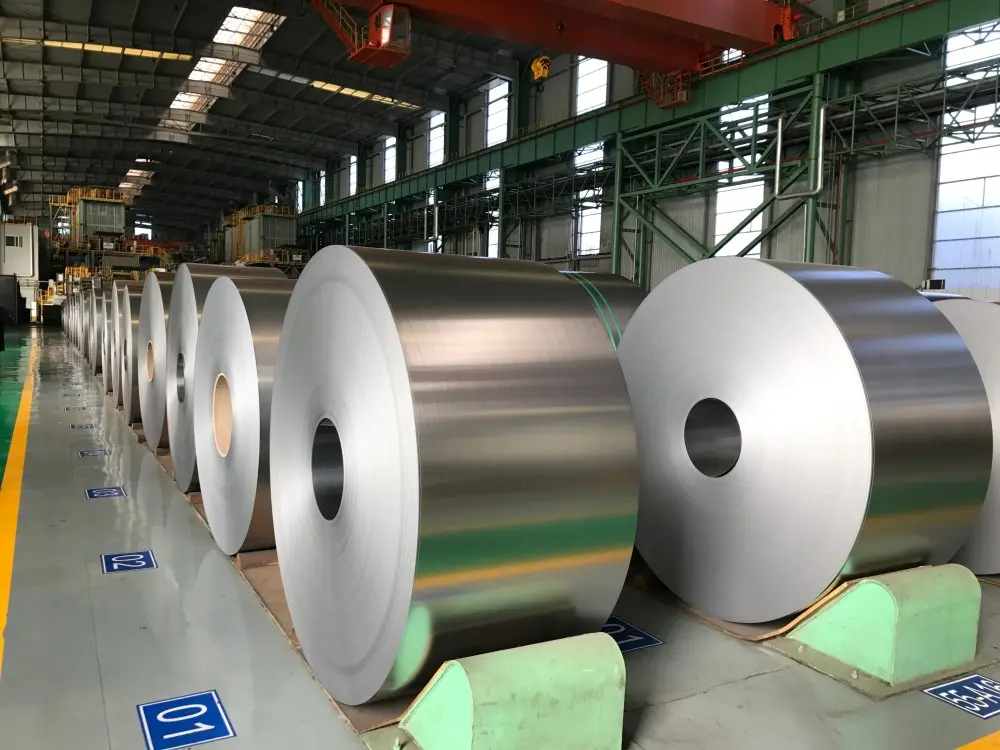
Pre-painted galvanized coils exported to Valparaiso, Chile for roofing manufacturing.
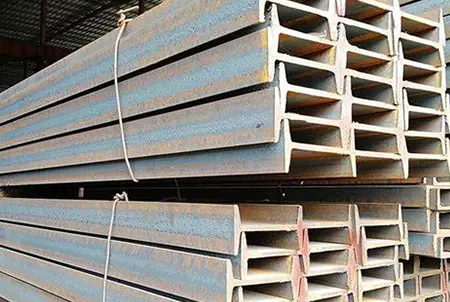
Lightweight structural I-beams dispatched to Kuwait for industrial warehousing.
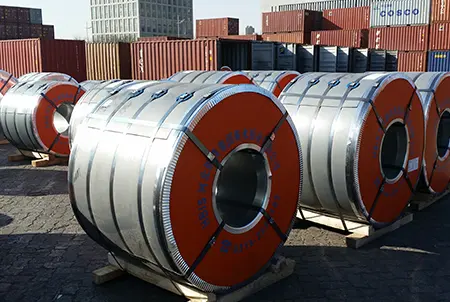
Hot-dip galvanized coils sent to Barcelona, Spain for automotive components.
Our stainless steel equal angles are manufactured in strict compliance with ASTM A484/A484M and EN 10056-2 standards. For standard hot-rolled angles, dimensional tolerance on leg length varies from ±1.0 mm to ±3.0 mm depending on nominal leg width, while thickness tolerances are held within ±0.50 mm to ±0.80 mm. For high-precision applications, cold-drawn profiles can achieve h9 to h11 outer dimensional tolerances.
Grade 304 contains 18% chromium and 8% nickel, making it suitable for general architectural and industrial applications. However, Grade 316 contains an additional 2-3% molybdenum. This addition increases the Pitting Resistance Equivalent Number (PREN), providing superior protection against chloride-induced pitting corrosion and crevice corrosion in marine environments or chemical processing plants.
All shipments are accompanied by a Mill Test Certificate (MTC) conforming to EN 10204 3.1. This documentation outlines chemical composition, mechanical test results (yield strength, tensile strength, elongation), hardness values, and heat treatment tracking. We also accommodate third-party inspections (SGS, Bureau Veritas, TÜV) prior to dispatch.
Yes. In addition to standard equal angles, our tooling setup supports the production of customized unequal angles and specific thickness profiles. Please contact our technical sales team with your detail drawings and mechanical specifications to evaluate tooling feasibility and minimum order quantities (MOQs).
To prevent mechanical deformation and surface contamination during maritime shipping, our products are bundled using heavy-duty steel strapping with edge protectors. The bundles are wrapped in waterproof PE sheeting and secured on reinforced wooden skids or steel cradles, ensuring they remain protected from salt air and physical shifting during transit.
 Hanshen