A Technical Deep Dive into Modern Construction Safety, Material Engineering, and Structural Load Criteria.
In modern industrial and civil construction, scaffolding systems serve as the structural backbone of on-site operations. Historically, wooden and bamboo planks dominated construction sites due to their initial cost accessibility. However, safety vulnerabilities, degradation over time, flammability, and lack of dimensional consistency have driven a global transition toward metal engineering alternatives. The Punched Steel Springboard (also referred to as the perforated steel plank, steel deck, or scaffolding catwalk) represents the pinacle of this evolutionary curve.
Engineered from high-tensile carbon steel strips through structural decoiling, precision punching, roll forming, and structural strengthening processes, custom punched steel springboards offer unmatched structural security. By implementing computer-guided perforation patterns, manufacturers minimize deadweight while optimizing load-bearing capacity. These structural designs are engineered to limit deflection and resist localized bucking, fulfilling the strict directives of international standards such as BS EN 12811, ANSI A10.8, and OSHA regulations.
As premier global designers and custom punched steel springboard manufacturers, we recognize that user-intent and technical search parameters demand absolute precision. Industrial procurers and structural engineers seek solutions that optimize the balance between structural weight, skid resistance, wind permeability, and long-term corrosion defenses. This whitepaper aims to provide structural and procurement engineers with the precise engineering, supply chain, and regulatory criteria required for making critical project specifications.
Fabricated using advanced cold-roll forming to create integrated stiffening ribs. Offers high-strength load bearing profiles conforming to BS EN 12811 class requirements for scaffolding systems.
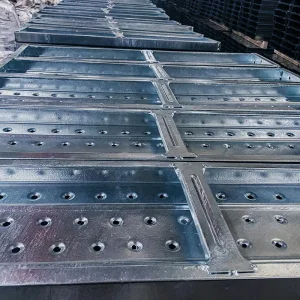
Equipped with stamped, raised flange perforations (O-type or star-type) that generate multidirectional friction to prevent worker slips while facilitating immediate oil, water, and snow drainage.
Utilizes comprehensive hot-dip galvanization (HDG) technology, depositing an anti-corrosion zinc layer of 400g/m² to 600g/m² to ensure reliability in coastal and high-salinity marine environments.
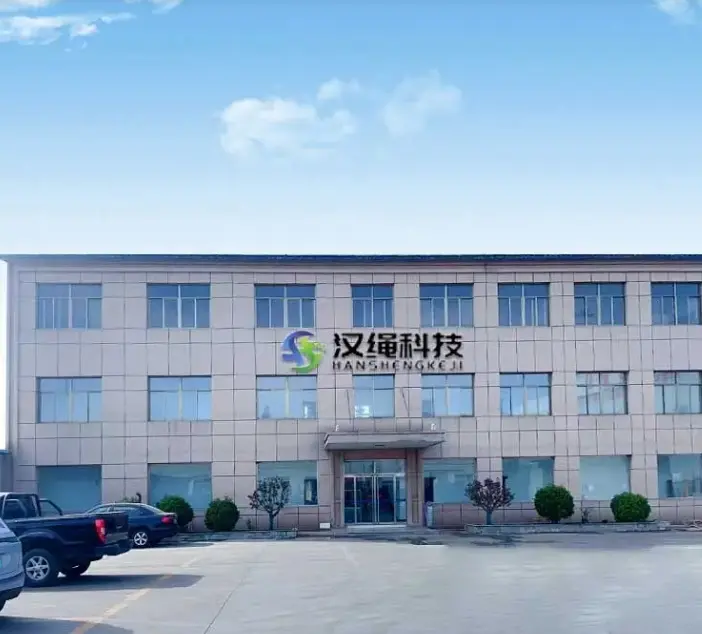
Strategically situated in Tangshan City, Hebei Province—the heart of China's structural steel industry. With a prime location just 150 kilometers from the Tianjin seaport and 150 kilometers from Beijing, we benefit from an exceptional logistics network that ensures efficient global shipping. Since our inception in 2006, we have evolved into a comprehensive, export-oriented enterprise specializing in the manufacturing of premium-quality steel products.
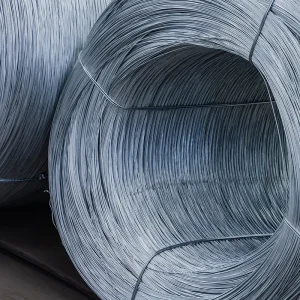
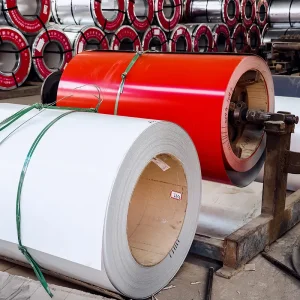
We operate 8 high-efficiency production lines with a total annual production capacity of 300,000 metric tons (scalable up to 650,000 tons with integrated mill networks). Our extensive product portfolio includes Galvanized Steel Wire, Hot/Cold Rolled Steel Coils and Sheets, GI/PPGI, GL/PPGL, Steel Scaffolding Planks, and various Section Steels, all meticulously manufactured to adhere to rigorous international standards such as GB, JIS, ASTM, DIN, EN, and AS/NZS.
Driven by a commitment to supply chain excellence, competitive pricing, and professional service, our products have earned unanimous recognition across markets in the Middle East, Southeast Asia, North Asia, Africa, the Americas, and Europe. We operate under the firm philosophy of "honoring contracts and keeping promises." We view our clients not just as customers, but as valued friends, and we pride ourselves on our impeccable track record of contract fulfillment. We believe that a strong, transparent bond between our company and our clients is the ultimate cornerstone of our enduring success.
From Raw Material Sourcing to Advanced Perforation and Galvanization Engineering.
The manufacturing process of custom punched steel springboards is a precise progression requiring strict metallurgical control and high-accuracy metal forming. Hansheng Technology implements an automated technical roadmap that guarantees mechanical uniformity and dimensional tolerances to fractions of a millimeter.
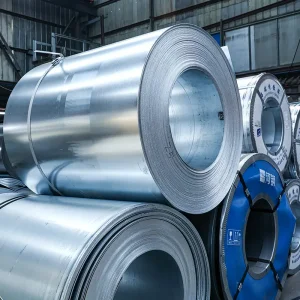
Step 1: Decoiling & Precision Leveling: High-grade carbon steel sheets (typically Q235B or Q355B structural steel, or international equivalents like S235JR and S355JR) are uncoiled and passed through multi-roller levelers. This process relieves residual stress from the steel strip, ensuring the absolute flatness required for subsequent perforation.
Step 2: CNC Multi-Station Perforation: The flattened steel plate is routed through a high-speed CNC punching press. Perforation geometry is critical: we fabricate holes with outer-flanged edges pointing upward. This configuration provides dual benefits—it creates high-coefficient friction for anti-slip performance and allows wind to pass through, reducing wind uplift forces on high-elevation scaffolding. Concurrently, downward-flanged drainage holes are stamped to prevent water pooling and debris accumulation.
Step 3: Continuous Cold Roll-Forming: The perforated strip enters a series of roll-forming stations. Here, the steel is gradually shaped into a U-channel configuration. The forming rolls bend the side-aprons (typically 40mm to 50mm in height) and create interior return flanges. These return flanges are structural features that increase the section modulus of the springboard, preventing lateral torsional buckling under extreme bending moments.
Step 4: End-Cap Assembly & Structural Welding: Cut-to-length steel boards are fitted with heavy-gauge end-plates (end-caps). These end-caps seal the hollow profile, preventing dust and moisture entry while providing structural reinforcement at the point of support. Welding is executed via automated robotic CO2 gas-shielded welding systems, ensuring high weld penetration and defect-free joints.
Step 5: Hot-Dip Galvanization (HDG) or Pre-Galvanized Processing: To secure long-term corrosion prevention, the completed boards undergo chemical cleaning, pickling, fluxing, and are then immersed in a bath of molten zinc at approximately 450°C. The metallurgical reaction forms a series of zinc-iron alloy layers, topped by a pure zinc outer layer. For less corrosive environments, we offer custom springboards manufactured directly from pre-galvanized steel coils with zinc coating thicknesses tailored to customer specifications.
The industry standard for multi-directional anti-skid performance. Recommended for general building construction and scaffolding access platforms.
Provides aggressive traction, even when coated in heavy drilling muds, oils, or ice. Features large downward drainage openings.
Optimized for maximum light transmission and wind permeability. Decreases structural wind drag on high-altitude offshore scaffolds.
Tailored Solutions Designed to Endure the Harshest Operational Environments Globally.
A major focus of user intent mining shows that procurement leads seek specialized applications. Punched steel springboards are not one-size-fits-all components; their dimensional design, thickness, and coatings must be tailored to specific localized environments.
Subjected to high humidity and salt spray. Our hot-dip galvanized springboards (minimum 70-micron zinc layer) prevent chloride-induced crevice corrosion. The high-drainage perforation prevents saltwater pooling, keeping walkways safe under heavy seas.
In high-rise construction, wind load is a critical risk factor. Solid wood or solid steel planks act as sails, generating uplift forces that can destabilize the scaffolding scaffold structure. Punched steel planks allow wind to pass through, reducing structural load.
Refineries present constant fire hazards. Unlike wood boards, steel is non-combustible and spark-free. Additionally, the embossed slip-resistant perforations provide secure footing even in areas exposed to industrial oils and greases.
Used as temporary access ways and bridge suspended platforms. Lightweight, high-strength boards minimize deadweight, allowing engineers to maximize the load margin for workers, heavy machinery, and concrete casting equipment.
Why Tangshan Steel Hub is the Strategic Choice for Global Projects.
In global procurement, supply chain resilience is as critical as technical performance. Hansheng Technology (Hebei) Co., Ltd. operates from Tangshan City, Hebei Province, which represents the largest steel manufacturing cluster in the world. This location provides unique structural advantages that optimize lead times and lower total cost of ownership (TCO) for international buyers.
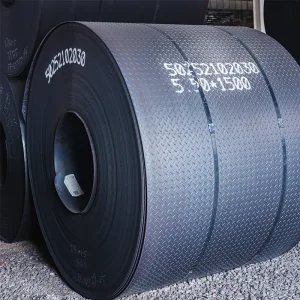
1. Raw Material Proximity: Operating in Hebei allows us direct access to primary hot-rolled and cold-rolled steel coils from neighboring state-owned mills. This minimizes overland raw material transportation costs and shields our customers from domestic supply bottlenecks. It also guarantees that we can secure high-grade structural steels at highly competitive prices.
2. Advanced Logistics and Port Access: Our factory is situated 150 km from Tianjin Seaport (Xingang), the premier shipping hub of Northern China. This enables rapid containerization and port entry. We can move high-volume orders (up to several thousand metric tons) from our production lines to cargo vessels within days. Our proximity to Beijing (150 km) facilitates efficient business communications, technical audits, and administrative processing.
3. 8 High-Speed Production Lines: With 8 dedicated roll-forming and perforation lines, we maintain a flexible manufacturing schedule. In periods of high demand, we can scale production, avoiding project delays for our overseas partners. Our automated QA/QC check gates are integrated into every line, ensuring that high output never compromises structural quality.
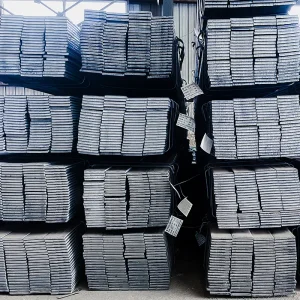
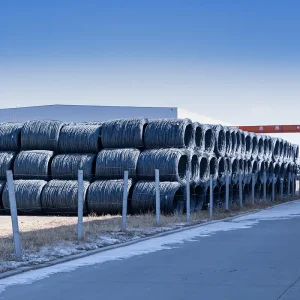
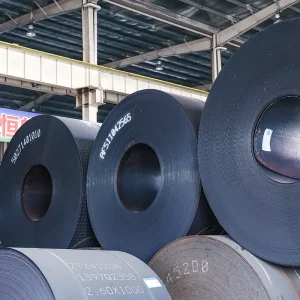
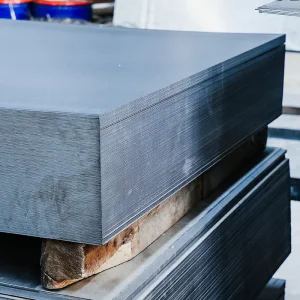
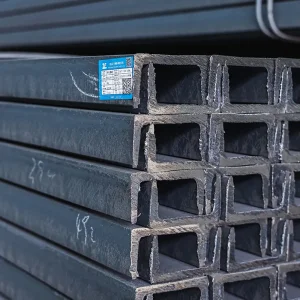
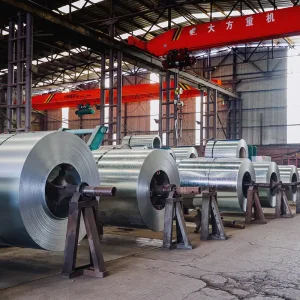
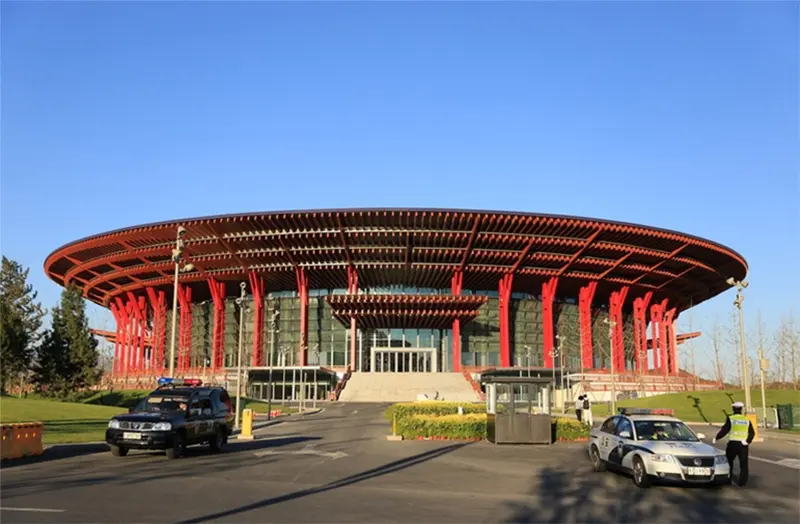
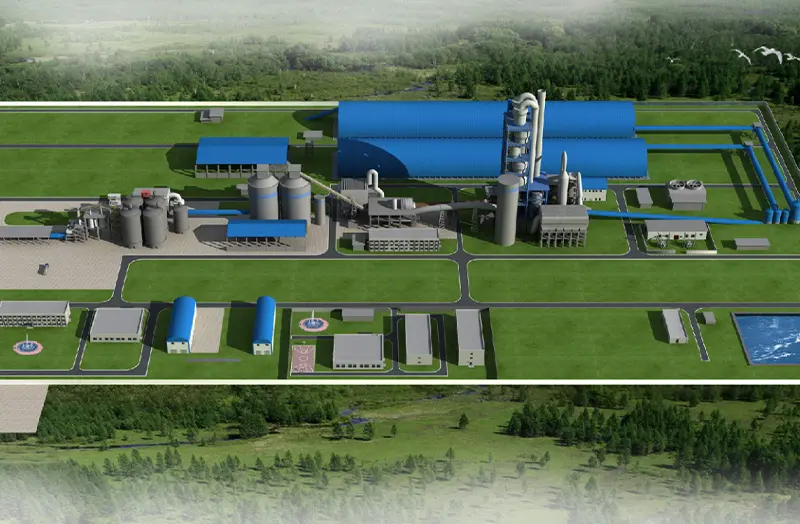
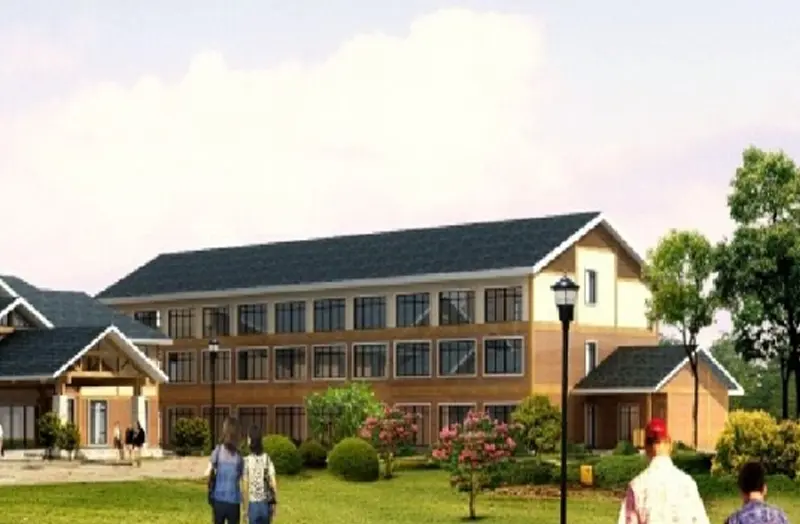
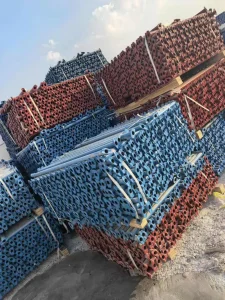
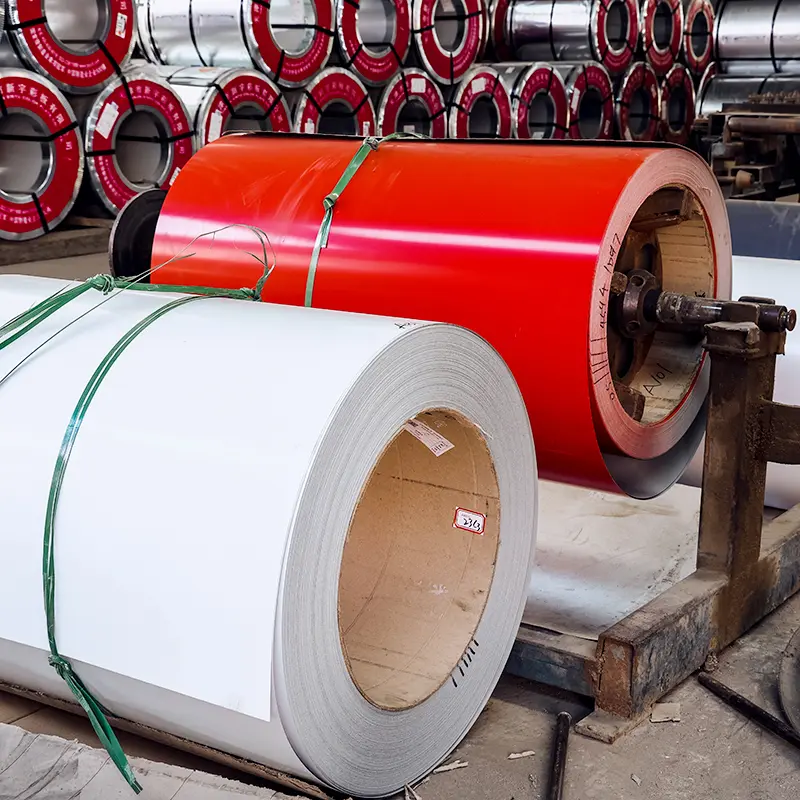
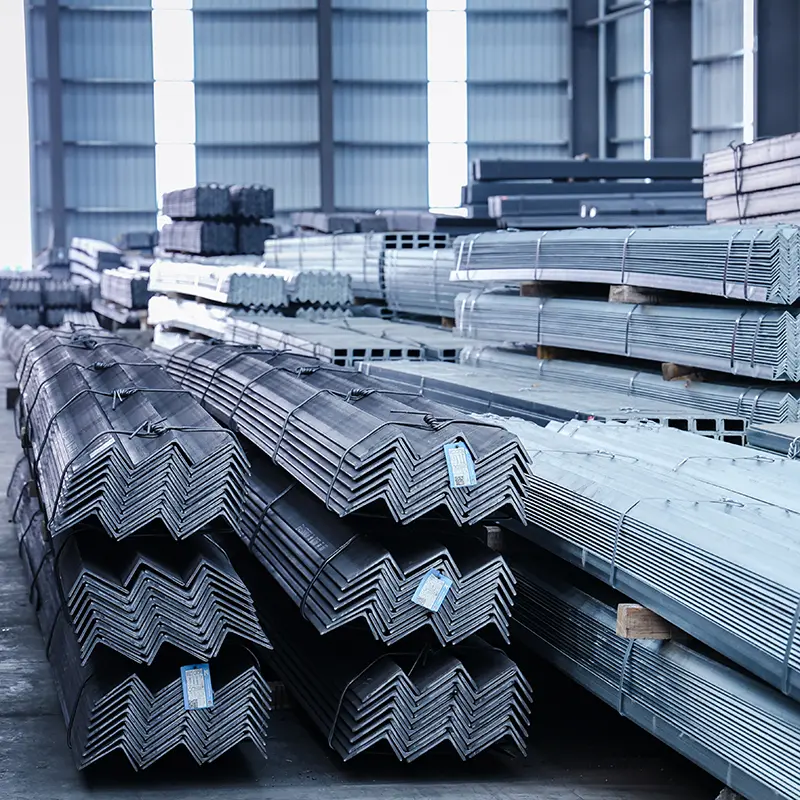
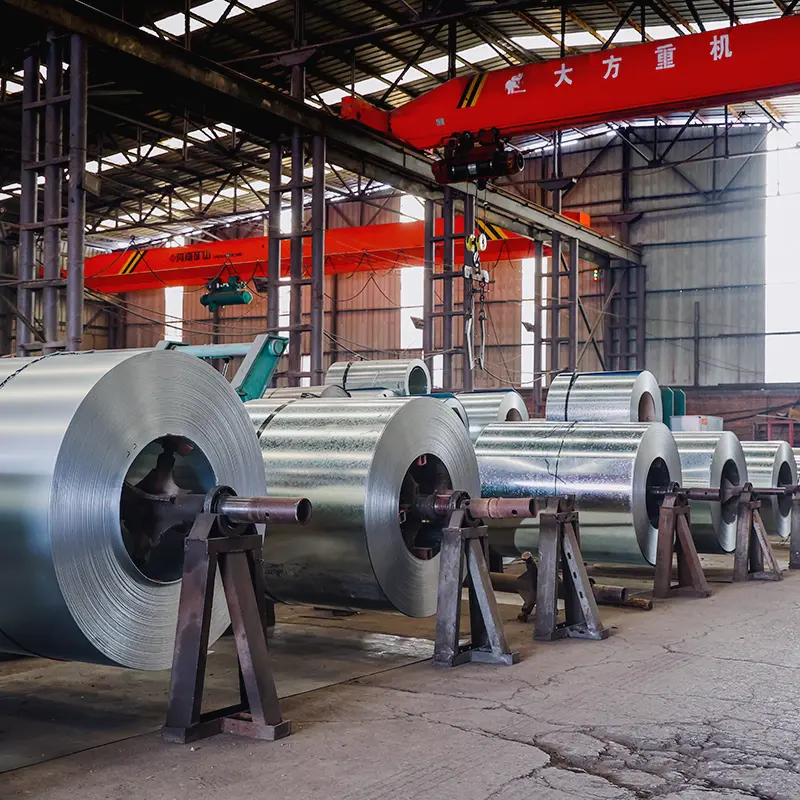
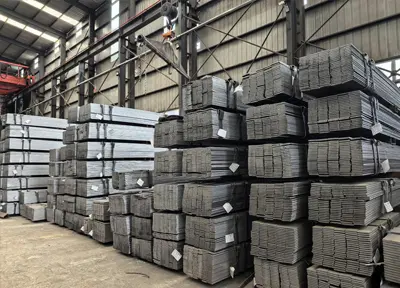
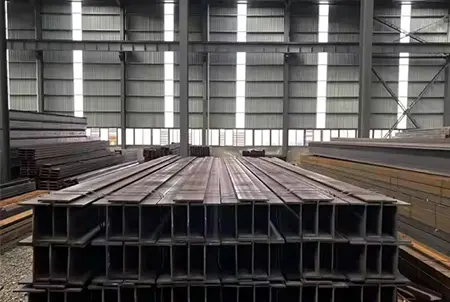
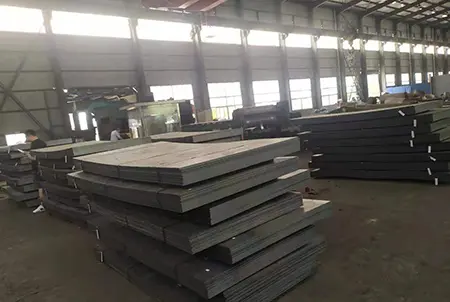
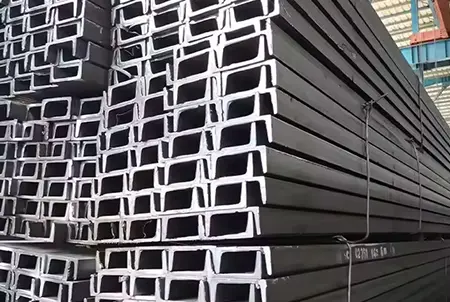
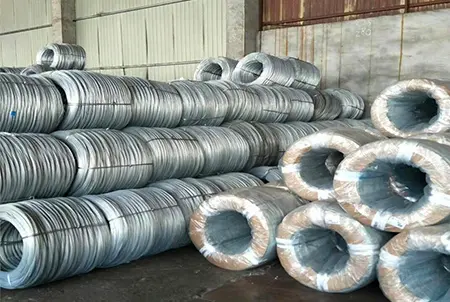
Direct Visual Verification of Our Tangshan Plant Capabilities and Raw Material Processing.
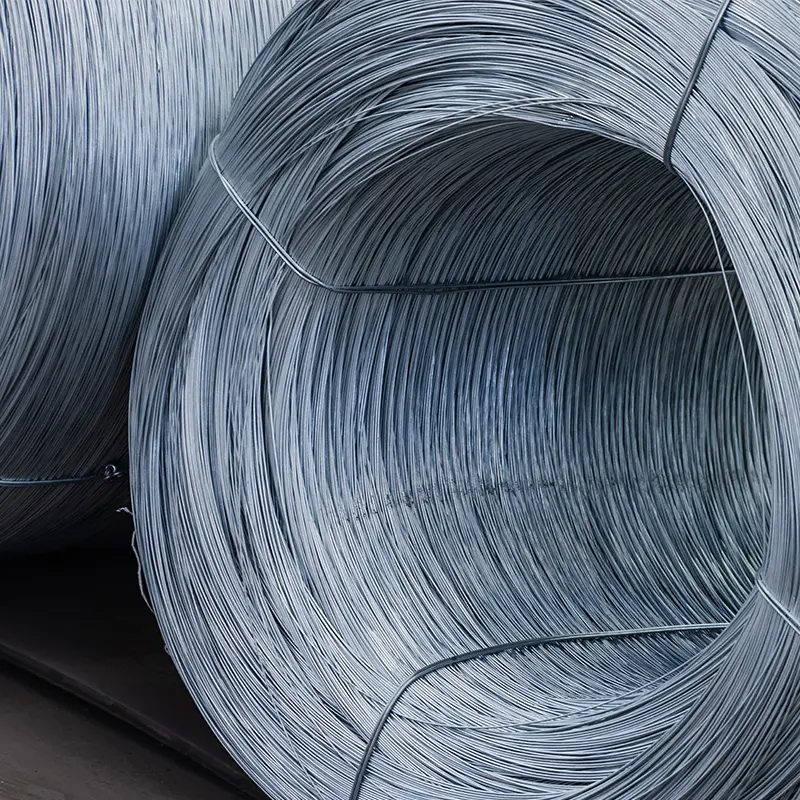
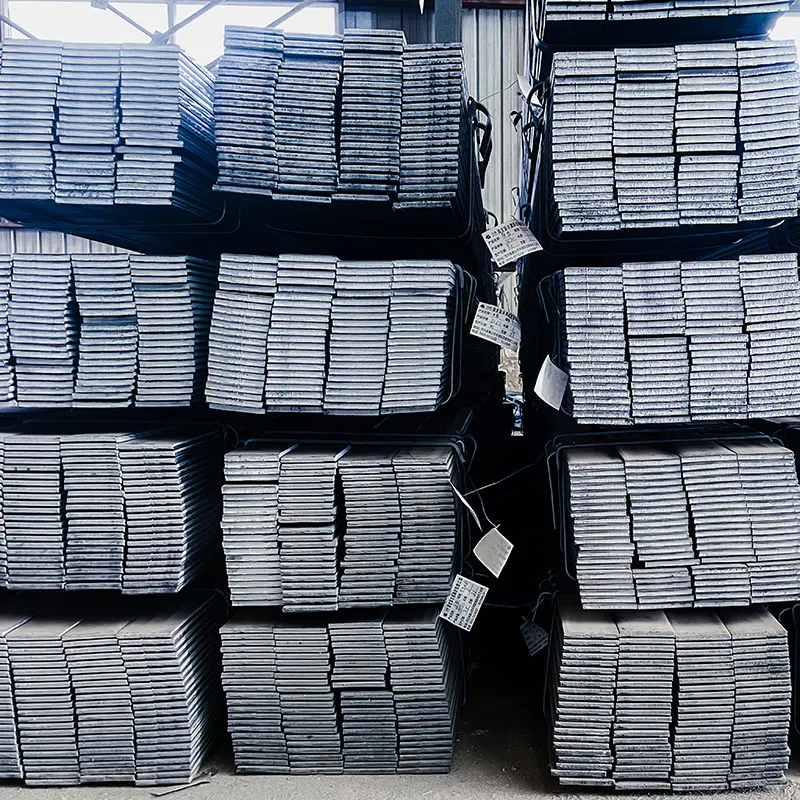
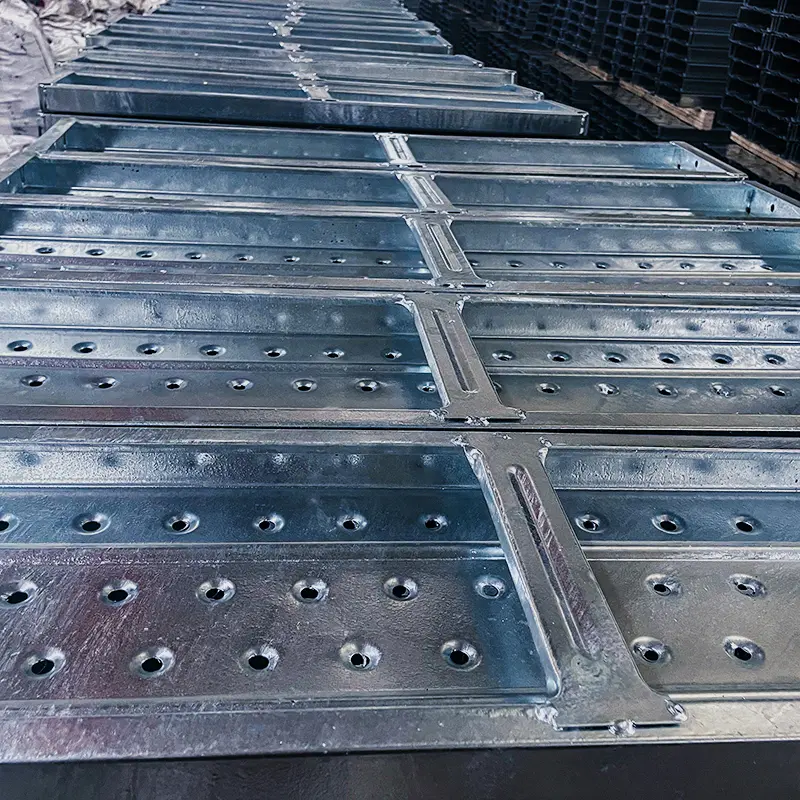
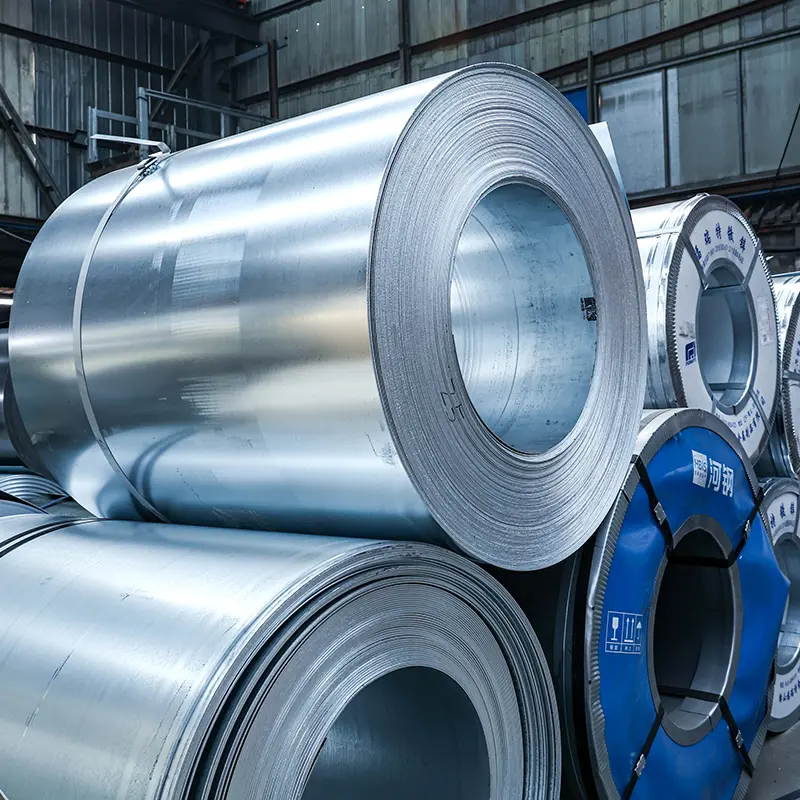
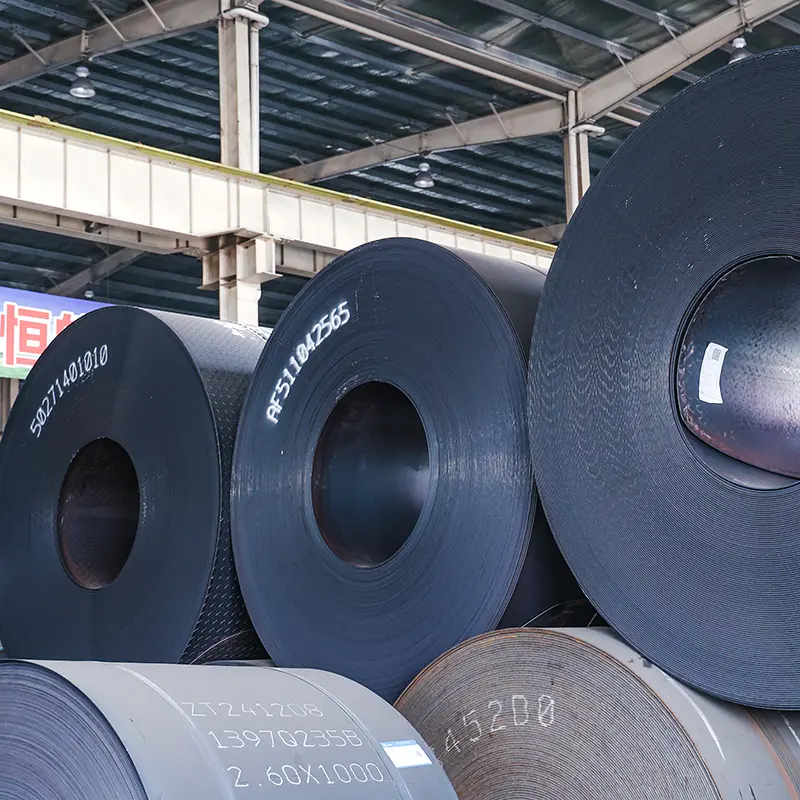
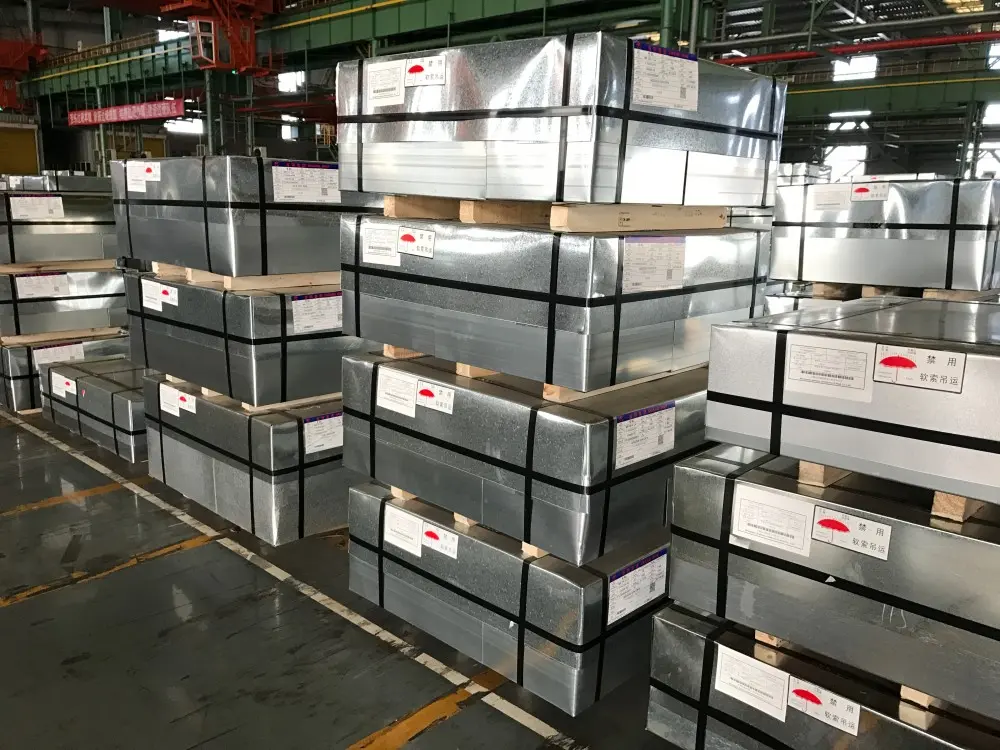
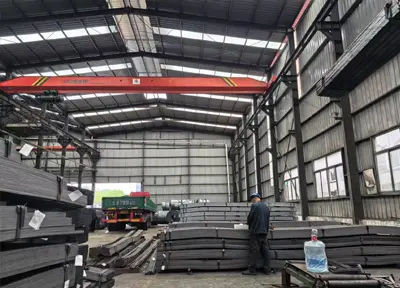
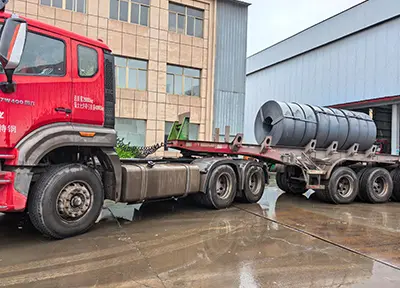
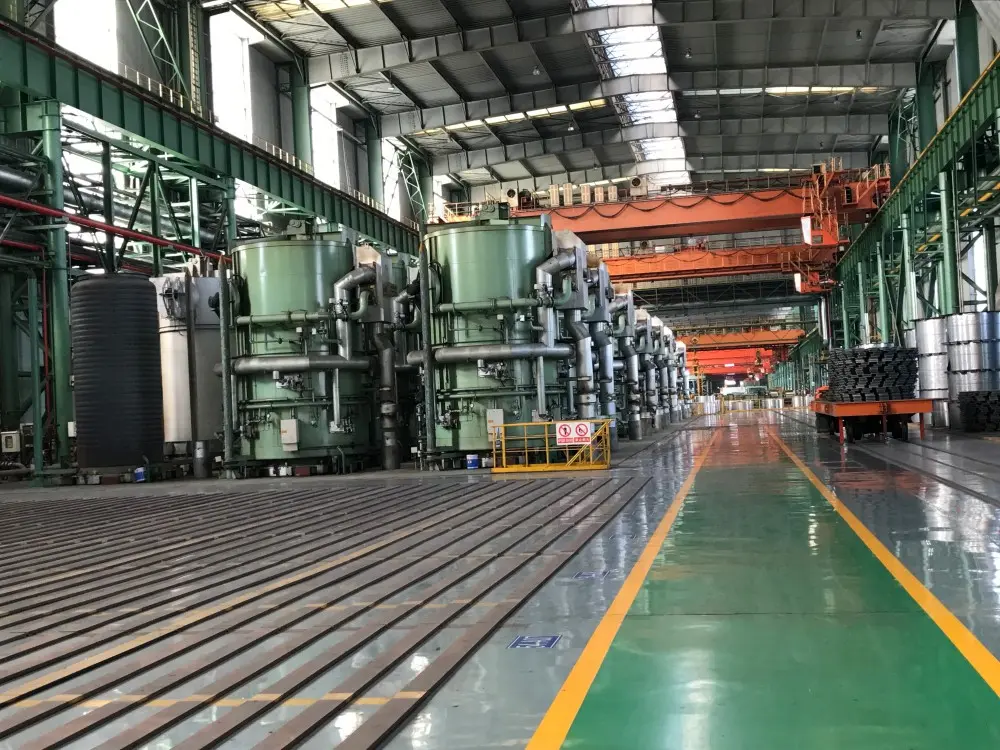
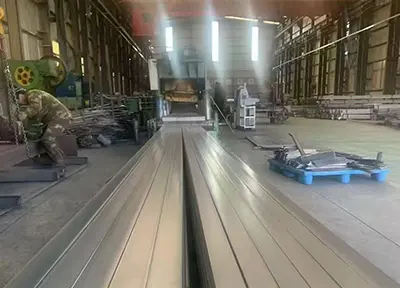
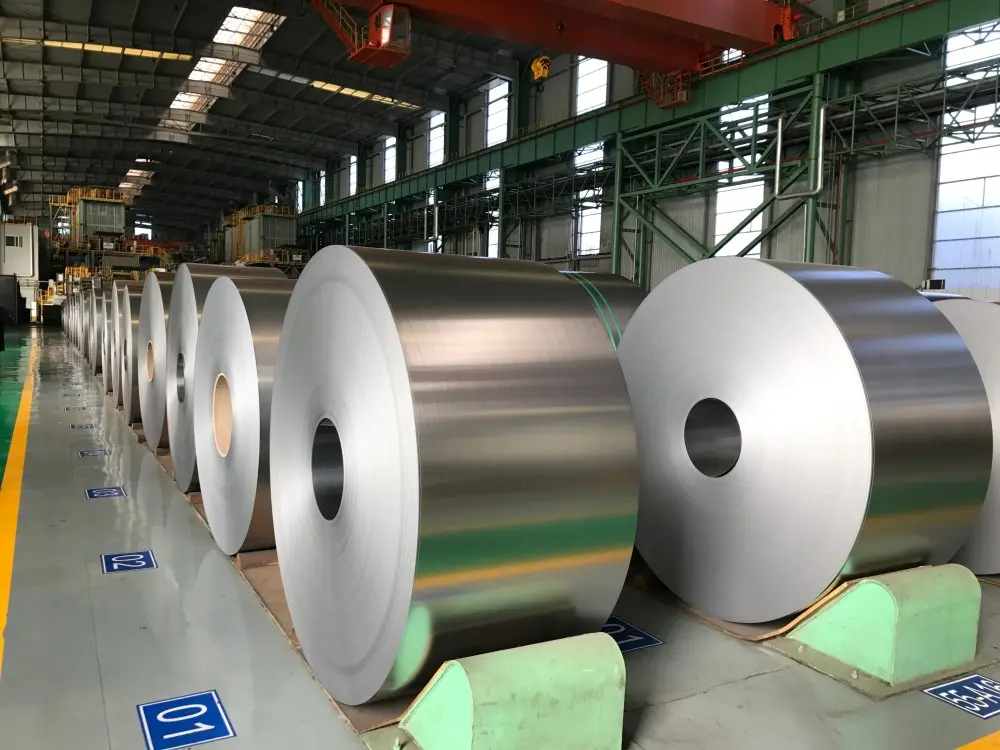
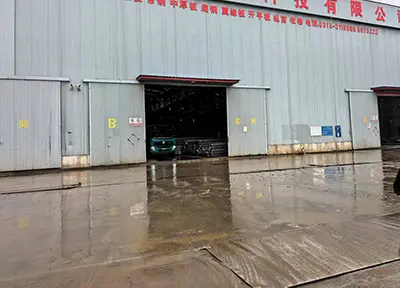
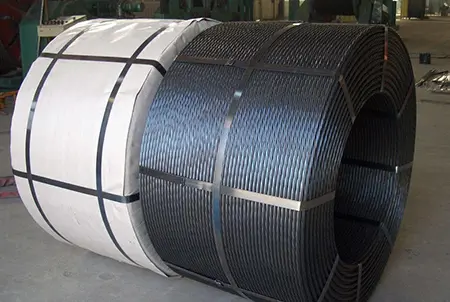
Working alongside the world's leading steel manufacturers to guarantee top-tier materials.



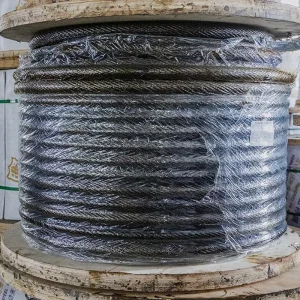
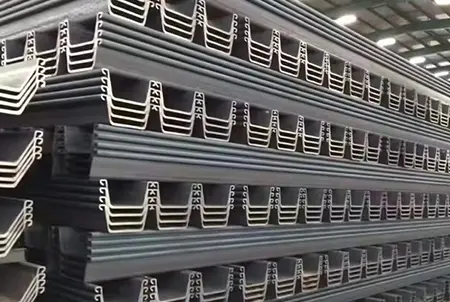
A proven track record of exporting premium structural components to international partners.
Smart Materials, Eco-Galvanization, and Robotic Customization.
The global construction scaffolding industry is experiencing a transition toward digital integration, circular-economy sustainability, and advanced alloy systems. Hansheng Technology's forward-looking technical roadmap positions us at the forefront of this evolution.
1. Ultra-Lightweight High-Strength Alloys: Future springboard engineering relies on developing ultra-high-strength steel alloys. By micro-alloying raw coils with traces of titanium, boron, and niobium, we can reduce material thickness from 1.5mm to 1.1mm while matching the structural yield point. This translates to a 25% drop in platform deadweight, lowering worker fatigue and cutting logistics carbon emissions.
2. Ecological Coating Alternatives: Traditional hot-dip galvanization is energy-intensive and produces chemical emissions. We are actively investing in Zinc-Aluminum-Magnesium (ZAM) coating lines. ZAM steel offers up to four times the corrosion resistance of standard hot-dip galvanization at equivalent coating thickness, featuring a unique "self-healing" cut edge effect that prevents red rust on punched margins.
3. Integrated Smart Scaffolding: As Internet of Things (IoT) sensors enter construction sites, we foresee springboards containing embedded strain gauges or RFIDs. These components will automatically record structural load distribution, monitoring safety margins and warning site supervisors if localized platforms exceed design limits.
Expert Answers on Selection, Safety Compliance, and Custom Perforation Parameters.
 Hanshen