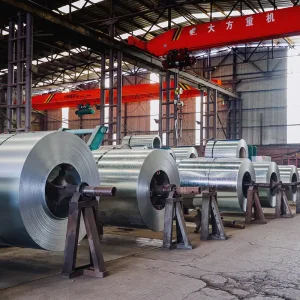
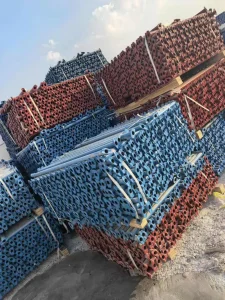
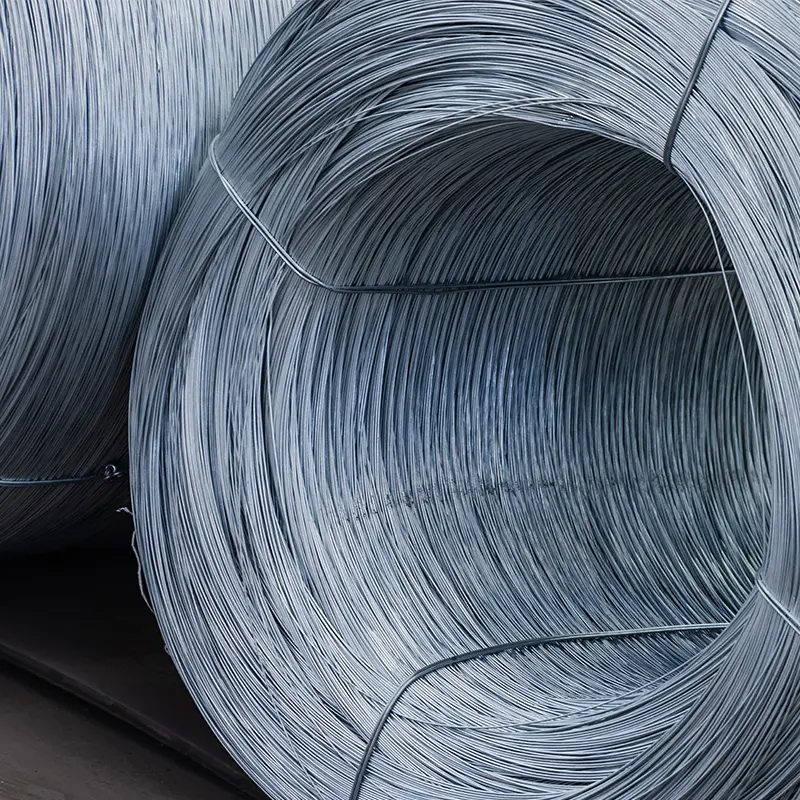
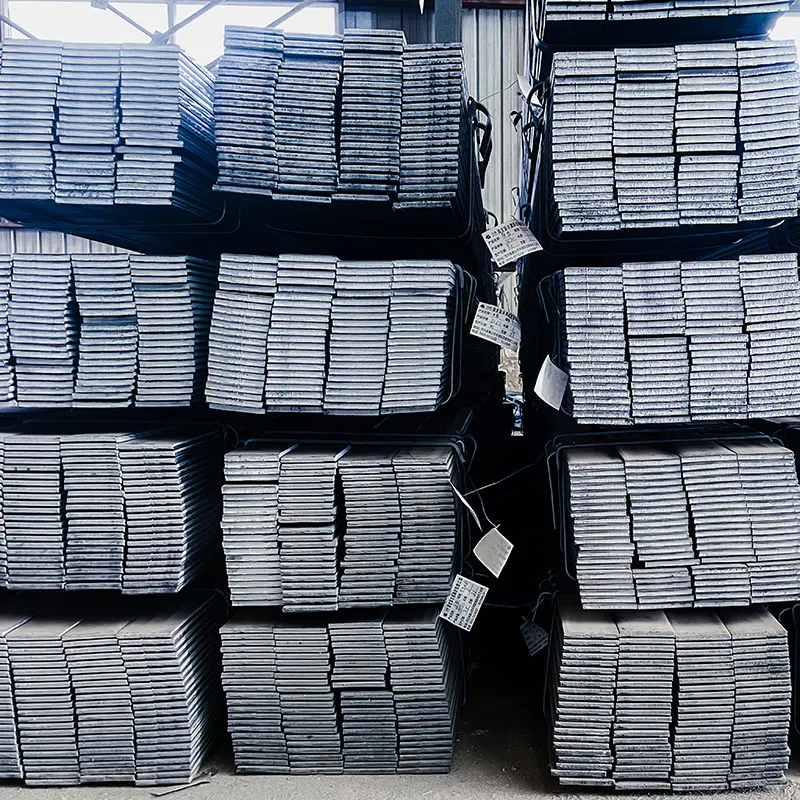
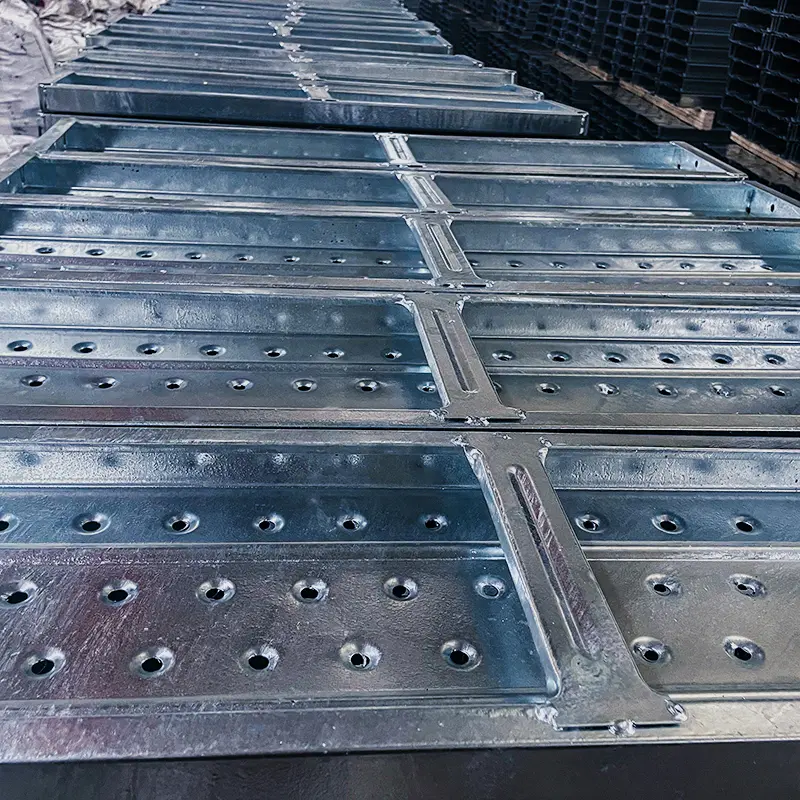
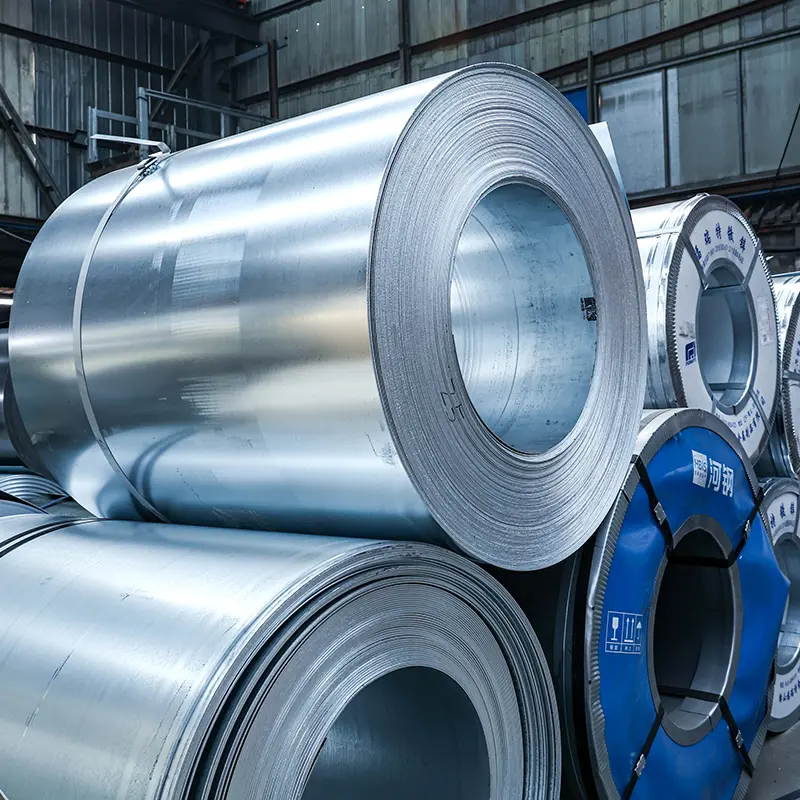
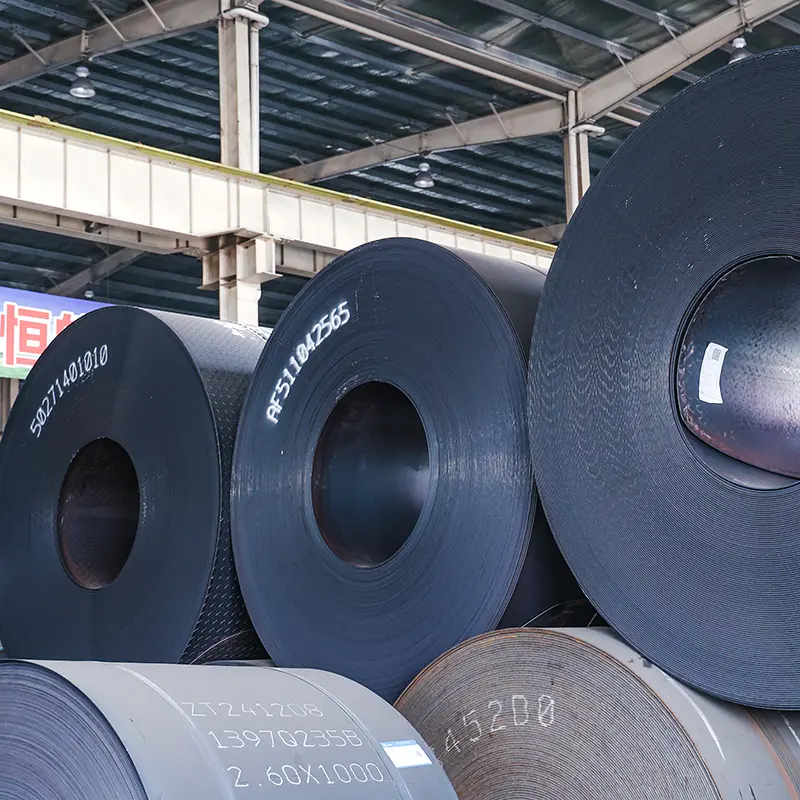
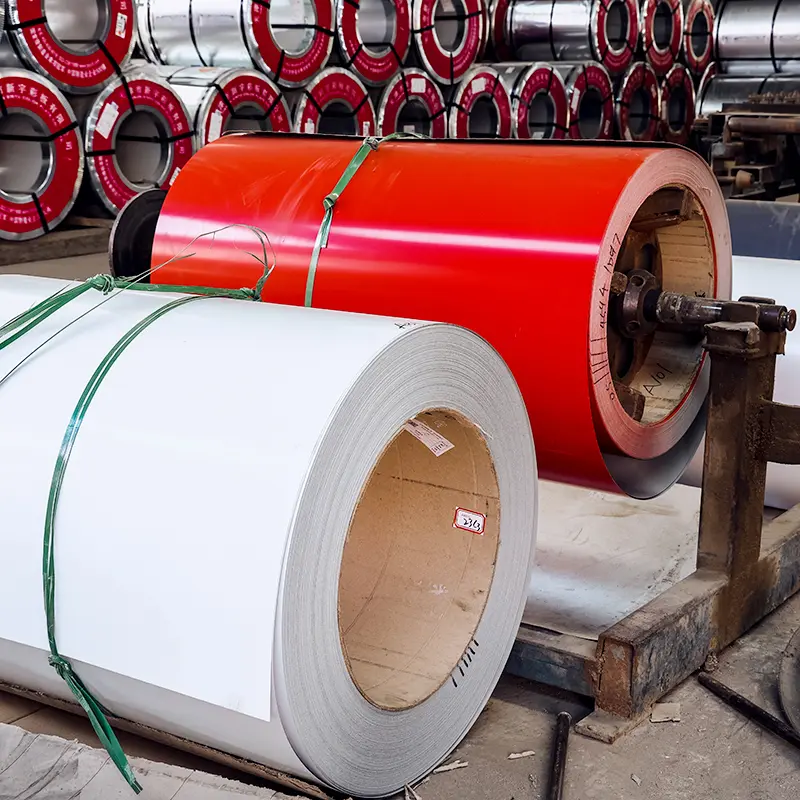
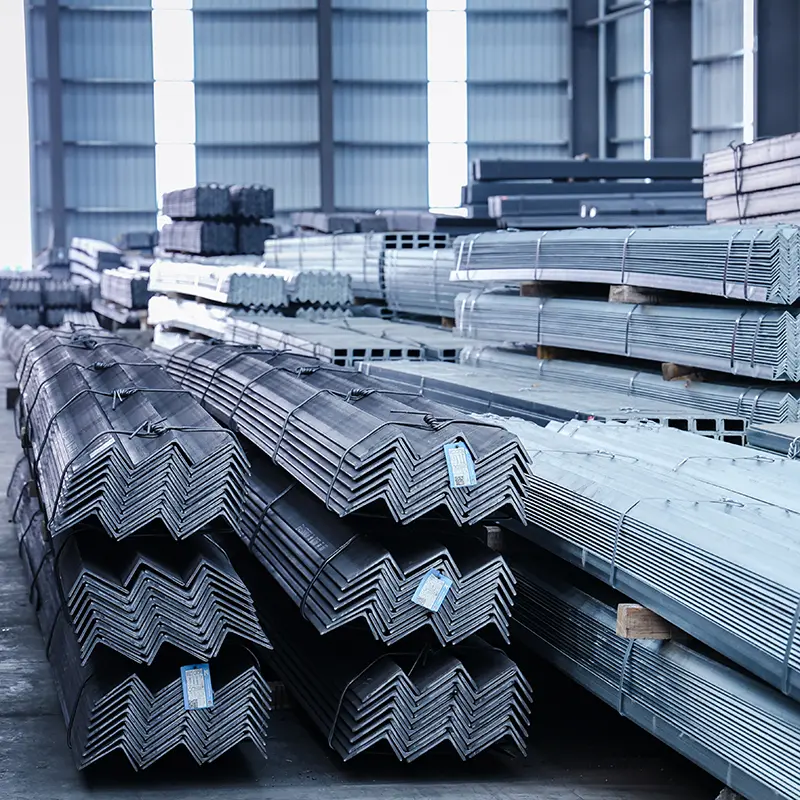
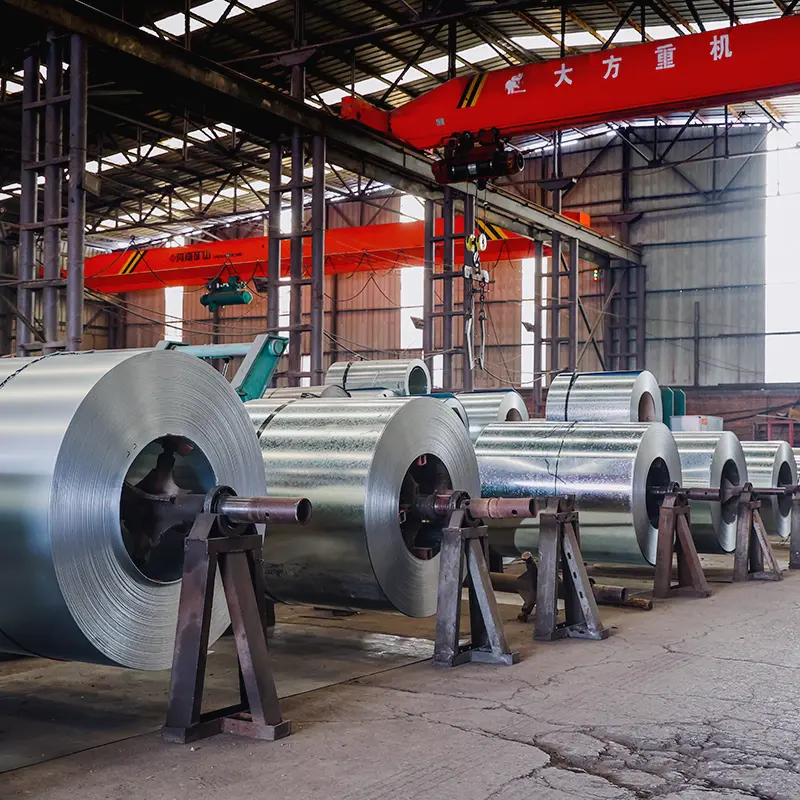
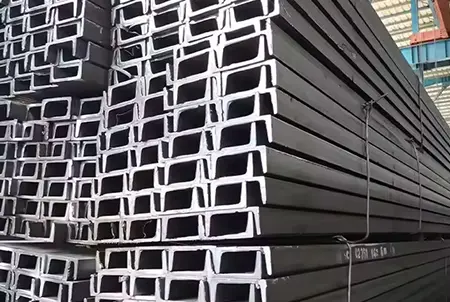
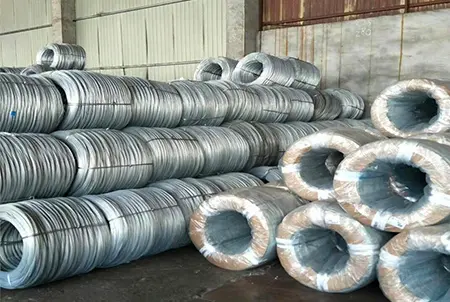
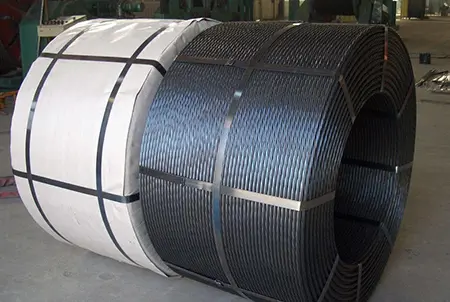
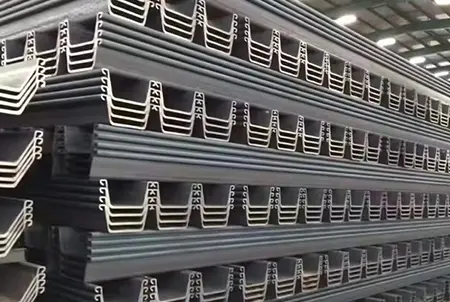
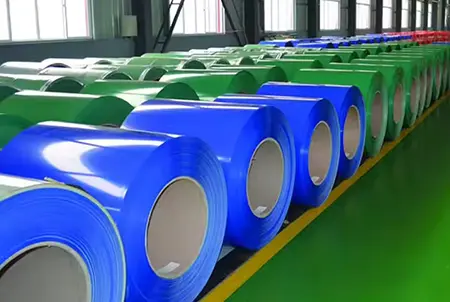
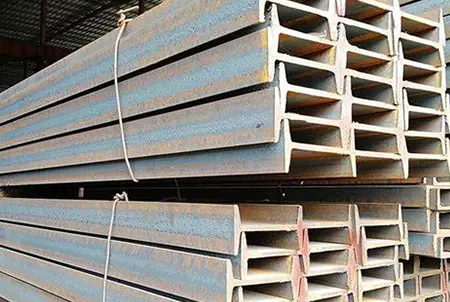
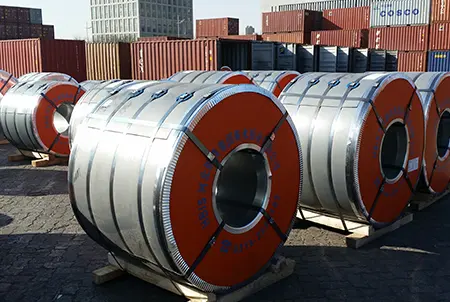
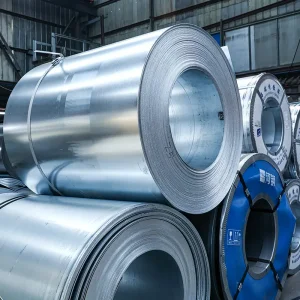
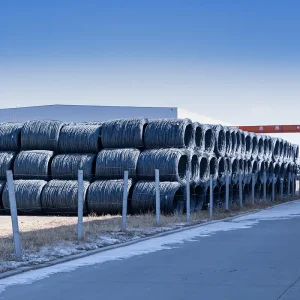
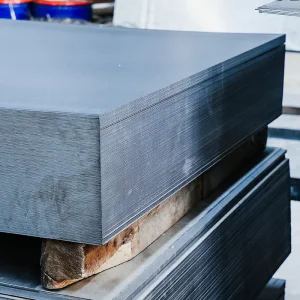
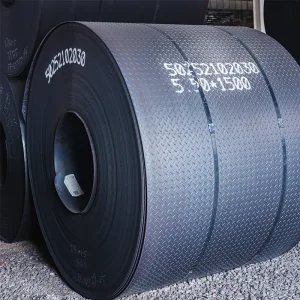
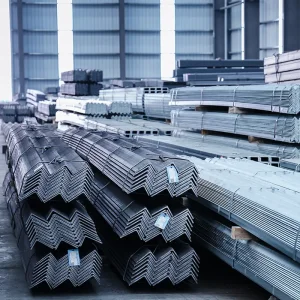
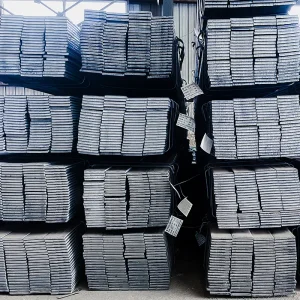
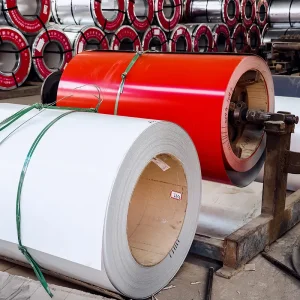
Providing high-precision steel wire, structural channels, custom bars, and high-strength coils engineered to meet challenging structural limits.
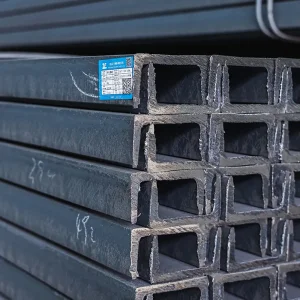
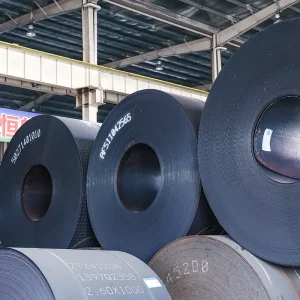
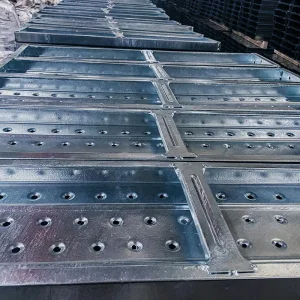
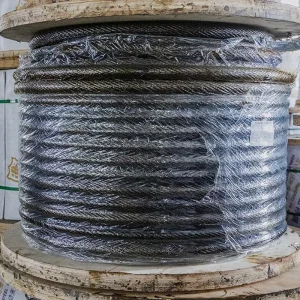
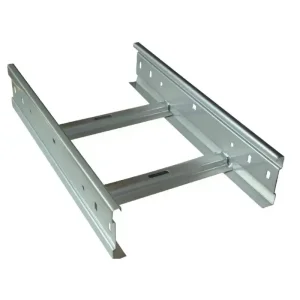
Modern construction is undergoing a structural paradigm shift towards off-site manufacturing and pre-engineered structures. Custom prefabricated steel buildings (PEBs) represent the peak of this evolution, offering unprecedented structural flexibility, faster project schedules, and a highly controlled engineering environment.
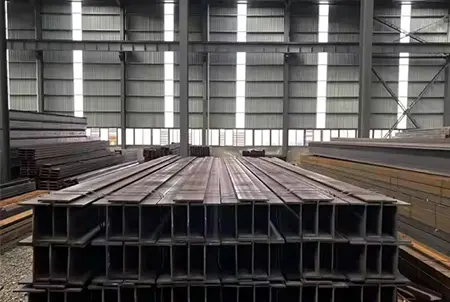
By integrating structural elements—including C-Shaped channels, H-beams, and high-strength galvanized components—directly within a unified factory design flow, our structures eliminate standard on-site waste and optimize the structural material thickness. Each prefab building is custom-tailored to handle specific dynamic forces: high-velocity wind zones, complex seismic load classifications, and heavy live-load conditions.
Understanding that global infrastructure requires strict adherence to international building codes, our manufacturing processes integrate deep metallurgy expertise with localized structural configurations. From commercial distribution hubs in Florida to clinker production facilities in South Africa, our structural steel products guarantee long-term dimensional stability and structural resilience.
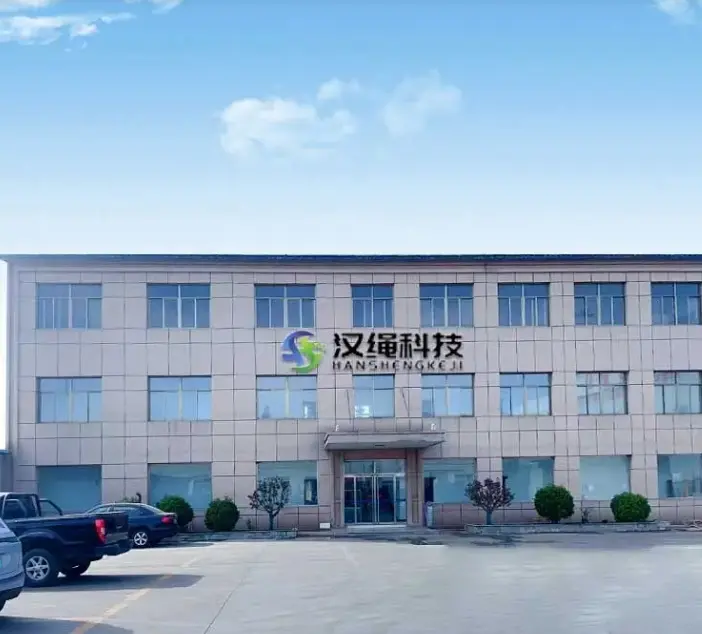
A global industrial powerhouse delivering certified steel supply chains from Tangshan City—the heart of China's metallurgy cluster.
Strategically situated in Tangshan City, Hebei Province, Hansheng Technology (Hebei) Co., Ltd. is at the epicenter of Chinese steel production. Located 150 kilometers from Tianjin Seaport and 150 kilometers from Beijing, we leverage a high-efficiency logistics network to guarantee fast shipping globally.
Established in 2006, our operations have expanded to support 8 high-performance production lines, with an annual output range of 300,000 to 650,000 metric tons. We maintain strict compliance with international standards, including GB, JIS, ASTM, DIN, EN, and AS/NZS. Our products are backed by ISO9001:2000 and ISO14001 certifications, ensuring our quality control matches global standards.
Years Exporting Experience
High-Efficiency Production Lines
Tons Annual Production Capacity
Distance to Major Ports & Hubs
How the Tangshan steel cluster provides procurement managers with significant cost efficiency and quality advantages.
Located in the center of China’s steelmaking industry, we access raw iron ore and structural alloys instantly. This proximity minimizes raw material transport costs and buffers our production timeline from supply fluctuations.
Our location 150 km from Tianjin seaport enables fast container loading, flat-rack packaging for oversized frames, and bulk freight options. This logistical flexibility lowers shipping costs for global delivery.
From galvanizing processes (GI/GL/PPGI) to structural channel rolling and wire drawing, all steps are completed under a unified QC protocol. Pre-shipment batch inspections guarantee strict dimensional tolerances.
Our key structural materials support the engineering, execution, and long-term durability of pre-engineered building systems.
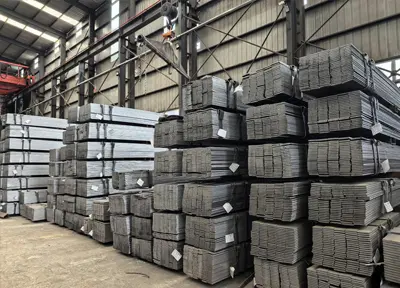
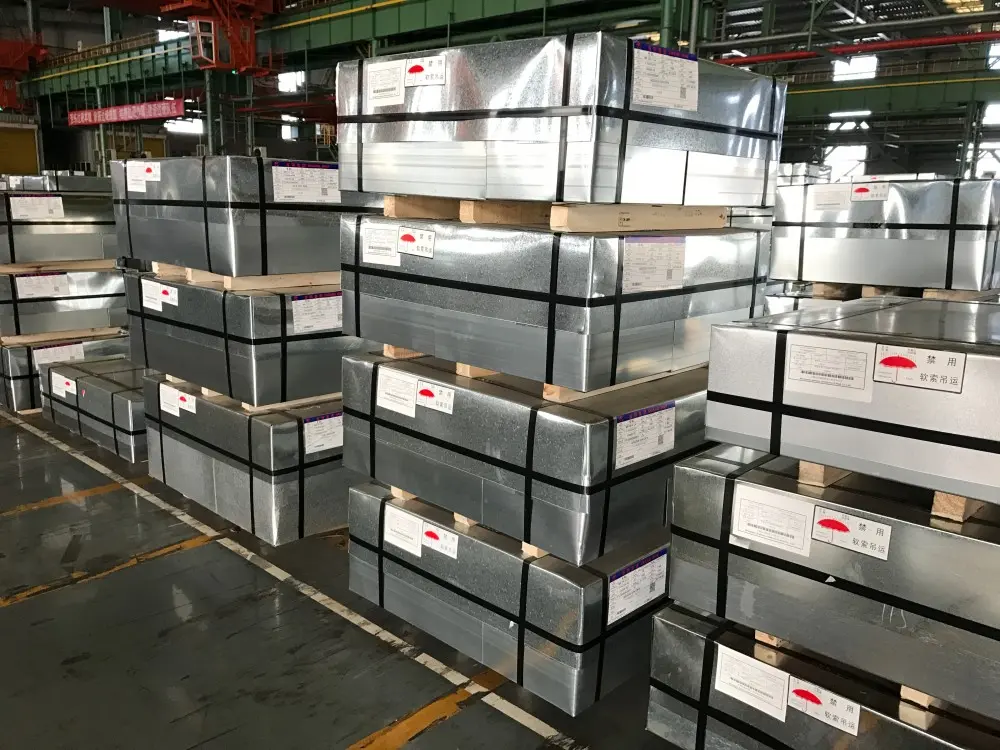
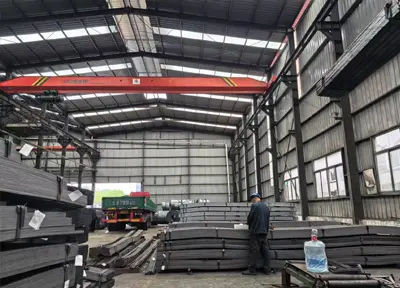
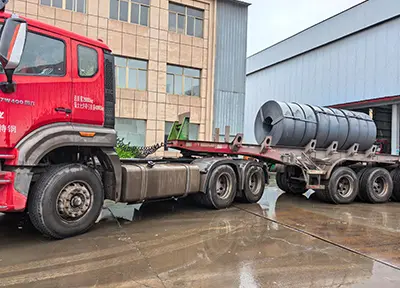
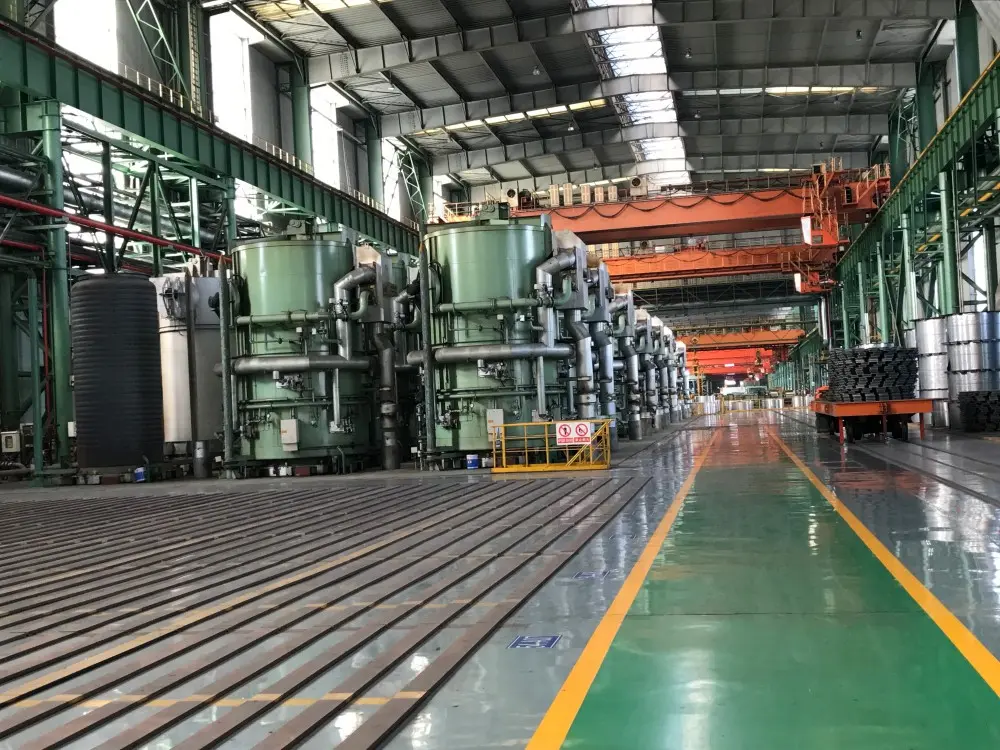
Procuring prefabricated buildings requires strict adherence to localized safety frameworks and certification criteria. Structural integrity failures in industrial warehouse zones are often caused by subpar connection details or variations in steel plate thickness.
We solve this by ensuring raw material chemical composition and physical yield limits are certified to target standards (such as EN 10025, ASTM A36, ASTM A572, and AS/NZS 3678). Whether sourcing C-sections or zinc-coated steel coils, each batch undergoes strict testing to verify yield strength, tensile limits, and elongation ratios.
Furthermore, our factory engineers use BIM and structural layout tools to verify load paths before shipping. This step guarantees that all anchor positions, bracing locations, and framing connections align perfectly during site erection.
An in-depth analysis of how technological shifts, environment demands, and smart logistics shape B2B steel procurement.
Traditional zinc coatings are being replaced by high-performance alloys. Zinc-Aluminum-Magnesium (ZAM) coatings provide self-healing edge protection, extending structural lifetimes in coastal and industrial environments.
Engineering workflows are shifting toward full off-site prefabricated systems. Pre-punched structural profiles, integrated cable trays, and pre-welded connection plates reduce onsite erection time by up to 50%.
Steel remains one of the world's most recycled structural materials. Utilizing modern electric arc furnace (EAF) production routes and optimized design methods helps projects meet green building standards like LEED and BREEAM.
Tailored structural configurations engineered to perform in specific regional and environmental conditions.
Designed with long clear spans using high-strength rolled coils and cold-formed C-channels. These buildings eliminate interior support columns to maximize usable warehouse volume, with roof cladding configured to handle high localized snow loads.
Utilizes advanced Zinc-Aluminum-Magnesium (ZAM) structural coating sheets and heavy galvanization. These materials withstand continuous salt-spray environments and high atmospheric humidity without requiring frequent maintenance.
Engineered with ductile connection plates, high-grade flat bars, and specialized structural frames. These configurations isolate tectonic motion, keeping critical facilities operational during seismic events.
Proof of structural reliability: customized steel shipments and major infrastructure projects deployed across key global regions.
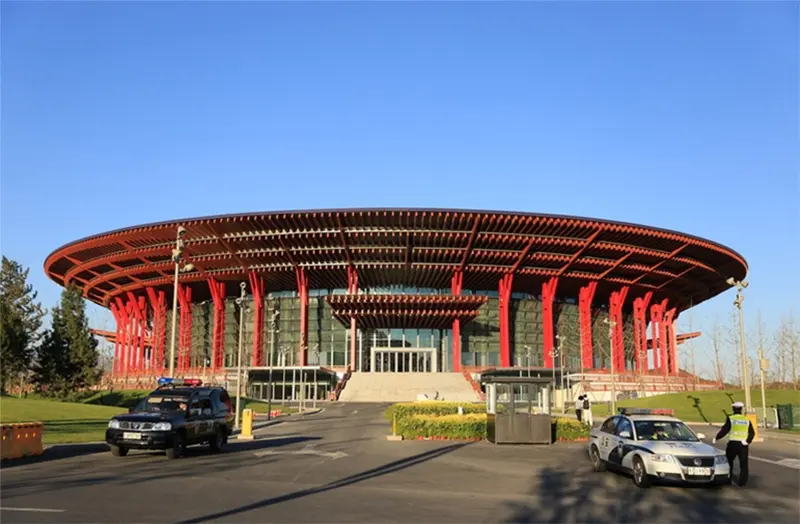
Supplied high-spec structural frame sections to meet the complex architectural geometry and load limits of this prominent national facility.
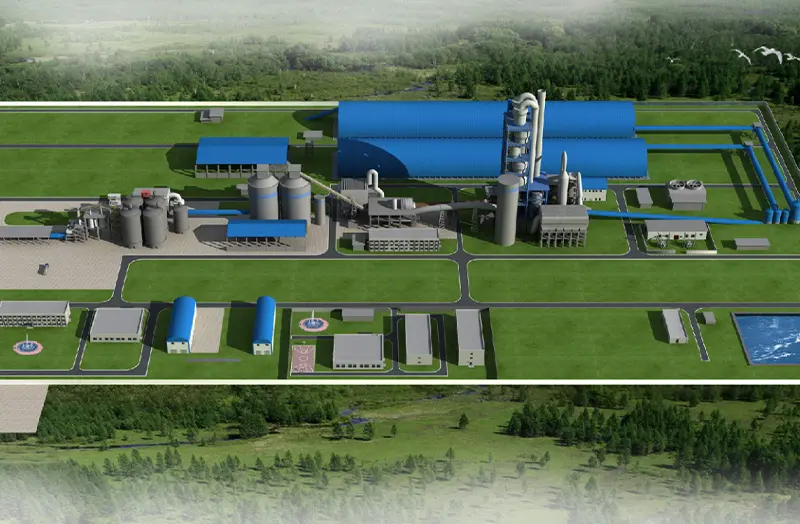
Supplied heavy-duty structural steel platforms, scaffolding, and cable tray systems to support continuous industrial operations.
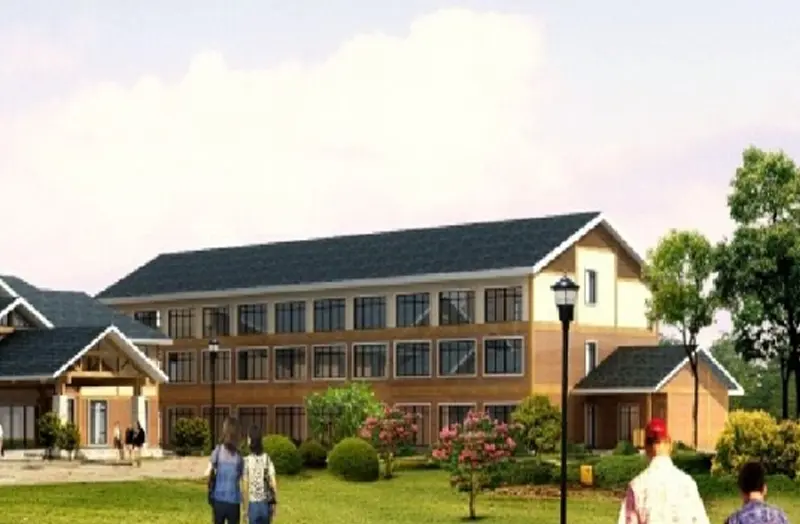
Prefabricated light-gauge framing and structural components designed to meet strict Canadian building codes for structural safety and thermal efficiency.
Collaborating with top-tier global steel producers to maintain consistent material quality and secure supply volume.



Detailed technical answers addressing common engineering, procurement, and shipping questions for global steel structures.
Our fabrication systems are engineered to comply with major international building codes, including the American Institute of Steel Construction (AISC 360), European Design Codes (Eurocode 3 / EN 1993), Australian standards (AS/NZS 4100), and Chinese National Codes (GB 50017). Chemical composition and mechanical testing of raw steel match equivalent grades such as Q355B, S355JR, ASTM Grade 50, and G300/G550 for light structural systems.
We implement a strict multi-tier quality control protocol. Every production run undergoes chemical testing and tensile checks to confirm yield stress levels. We accommodate third-party inspection firms (such as SGS, Bureau Veritas, or Intertek) to run ultrasonic weld tests, coating thickness checks, and dimensional verification tests before container seal and dispatch.
For high-humidity marine environments (C4/C5 corrosion categories), we recommend using Zinc-Aluminum-Magnesium (ZAM) coated sheets or heavy hot-dip galvanization with a minimum coating weight of 275 g/m² (Z275). These coatings form a stable protective film that resists salt-spray wear and extends structural lifetimes.
Pre-engineered steel structures are designed and detailed off-site to minimize local modifications. However, minor adjustments can be made at the job site using approved connection plates and bolted splices. Any field welding or structural changes must follow the original engineering design and be approved by the project's engineer of record.
Average production lead times range from 30 to 45 days, depending on project scale and structural complexity. Our factory's location near Tianjin Port allows us to coordinate fast maritime transit routes, providing flexible container, open-top, and flat-rack logistics options to destinations worldwide.
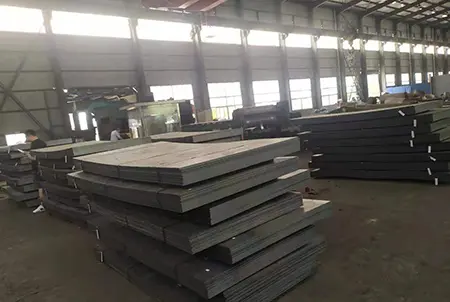
Premium raw coils, high-ductility sheets, structural framing options, and weather-resistant cladding panels.
 Hanshen