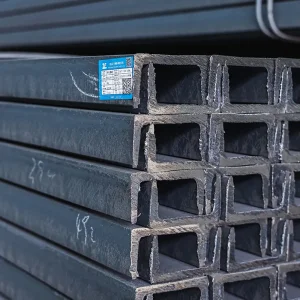
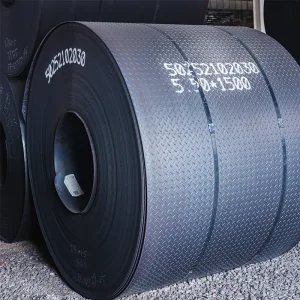
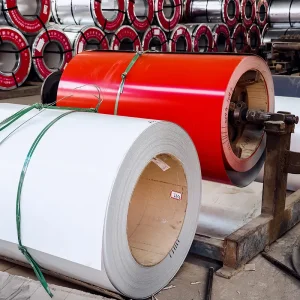
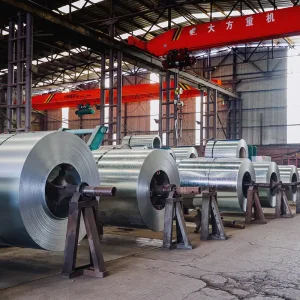
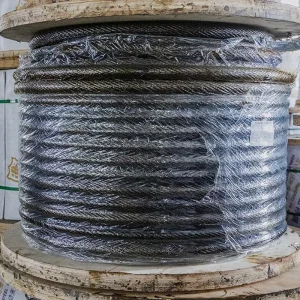
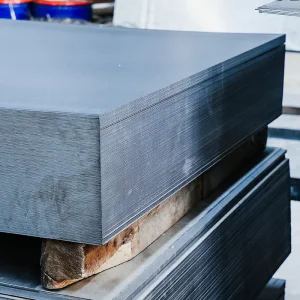
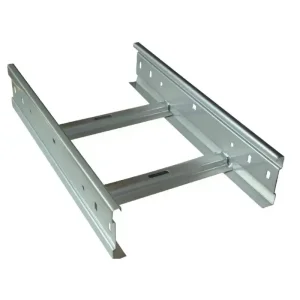
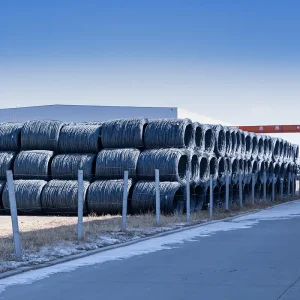
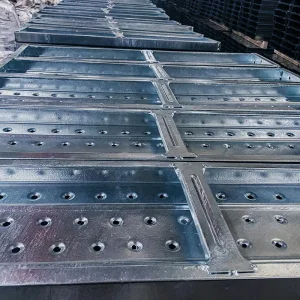
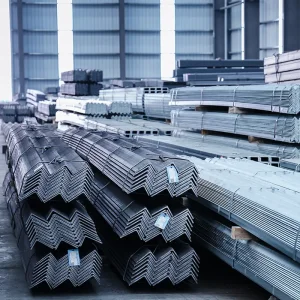
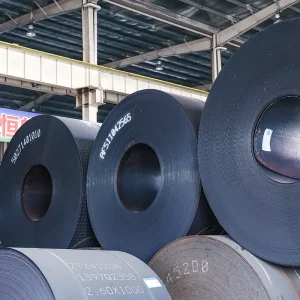
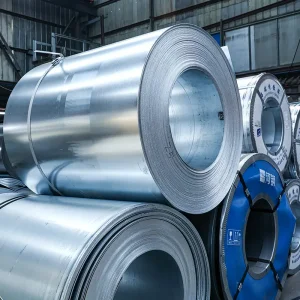
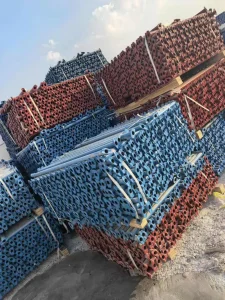
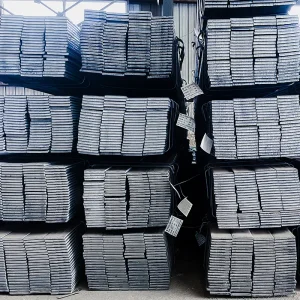
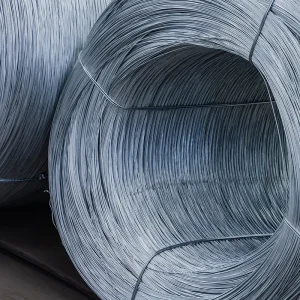
Explore our core selection of globally standardized precision metals, structural sections, and specialized coils.
Within modern industrial engineering, aluminum has transitioned from a specialized aerospace material to an ubiquitous foundation for structural lightweighting. High-speed, high-precision laser cutting has emerged as the premier manufacturing technology to process aluminum plates with minimal kerf, clean edge finishes, and strict dimensional tolerances. From automotive structural frames and maritime bulkheads to sleek architectural rain-screens and consumer electronics housings, the call for custom laser-cut aluminum elements continues to accelerate.
As sourcing pipelines shift towards resilient global partnerships, procurement managers face a complex array of choices. Reliable suppliers do not merely cut plate; they act as consultative partners providing deep engineering insight. By choosing partners that possess comprehensive knowledge of metallurgy, laser dynamics, and post-fabrication finishing, operations secure components that interface seamlessly with subsequent assembly stages.
Crucially, the raw mechanical behavior of aluminum requires advanced cutting configurations. Aluminum’s high thermal conductivity and strong reflectivity present distinct processing challenges compared to carbon steel. Overcoming these limitations demands modern fiber laser arrays, precise nesting schemes, and highly regulated auxiliary gas dynamics. Organizations that align with specialized, high-capacity fabricators secure significant structural advantages in yield rate, unit economics, and speed-to-market.
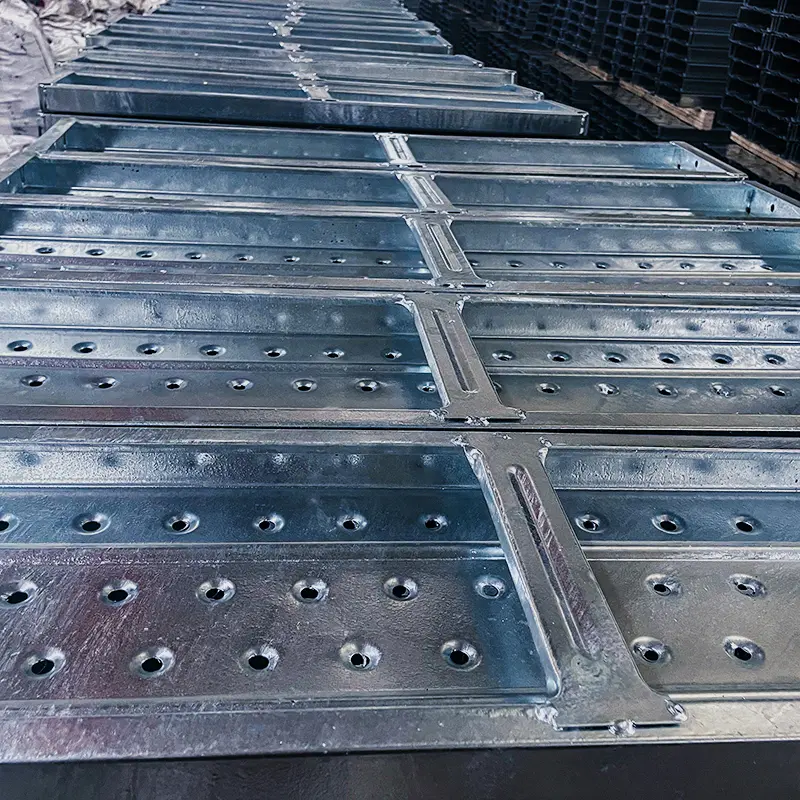
Understanding the engineering underpinnings of custom laser cutting allows technical teams to design with minimal scrap and optimal edge qualities.
Aluminum acts as a highly effective mirror to standard CO2 laser wavelengths, which can cause beam back-reflections that damage optics. Modern fiber lasers operate at a 1.06-micron wavelength, maximizing absorption and ensuring clean cuts on 1xxx to 7xxx alloys.
From pure 1050 series for electrical busbars to structural 5052/6061 variants and high-yield 7075 components, selecting the correct grade determines post-cut weldability, corrosion resistance, and structural strength.
Choosing between Nitrogen and Oxygen determines post-cut quality. High-purity Nitrogen prevents oxidation, leaving a bright, weld-ready surface. Oxygen increases cutting speeds for thick plates but yields a thin oxide skin that requires post-cut treatment.
Aligning raw mechanical properties with application demands prevents premature material failure and excessive tooling costs.
| Alloy Series | Primary Alloying Elements | Laser Cutability Profile | Recommended Industrial Applications |
|---|---|---|---|
| 1000 Series (e.g., 1050, 1060) | Pure Aluminum (99.0%+) | Highly reflective; requires high-frequency fiber laser settings to avoid back-reflection issues. | Electrical busbars, chemical containment vessels, thermal heat sinks. |
| 3000 Series (e.g., 3003) | Manganese (Mn) | Excellent, smooth edges with low kerf width. Very consistent during rapid nesting processes. | Heat exchangers, automotive heat shields, general sheet metal enclosures. |
| 5000 Series (e.g., 5052, 5083) | Magnesium (Mg) | Superb cutability; clean edge finishes with Nitrogen assist gas. Maintains high marine-grade corrosion resistance. | Marine vessels, structural automotive panels, liquid fuel tanks. |
| 6000 Series (e.g., 6061, 6082) | Silicon & Magnesium (Si/Mg) | Standard structural grade. Moderate reflectivity. Prone to micro-dross formation on thick cuts; requires post-processing optimization. | Heavy-duty machinery frames, aerospace structures, structural architecture. |
| 7000 Series (e.g., 7075) | Zinc (Zn) | High hardness allows clean mechanical shearing, but laser cuts must manage the heat-affected zone (HAZ) carefully. | Aviation structural fittings, high-stress military gear, performance automotive. |
Note on Post-Cut Finishes: For structural parts bound for architectural exterior cladding or marine exposures, anodizing or powder coating is crucial. Our systems ensure edge profiles are smooth and clean, eliminating the micro-cracking risks that lead to premature coating delamination.
Strategically situated in Tangshan City, Hebei Province—the absolute center of China's metallurgy industry—we occupy a key location 150 kilometers from the Tianjin seaport and 150 kilometers from Beijing. This unparalleled logistical position enables fast, reliable global distribution via major shipping routes.
Since our establishment in 2006, we have grown into a comprehensive, export-oriented industrial metal enterprise. Operating 8 high-efficiency production lines with an annual capacity of 300,000 metric tons, we bridge the gap between large-scale raw material processing and specialized fabrication. We produce Galvanized Steel Wire, Hot/Cold Rolled Coils, Section Steels, and customized flat plates, satisfying strict international parameters (GB, JIS, ASTM, DIN, EN, AS/NZS).
By integrating core metallurgical supply chains with modern CNC fabrication services, we provide global partners with consistent material traceabilities, competitive price-to-weight ratios, and reliable shipping timelines.
From complex urban architectural icons to precision transport infrastructure, see our engineering in action.
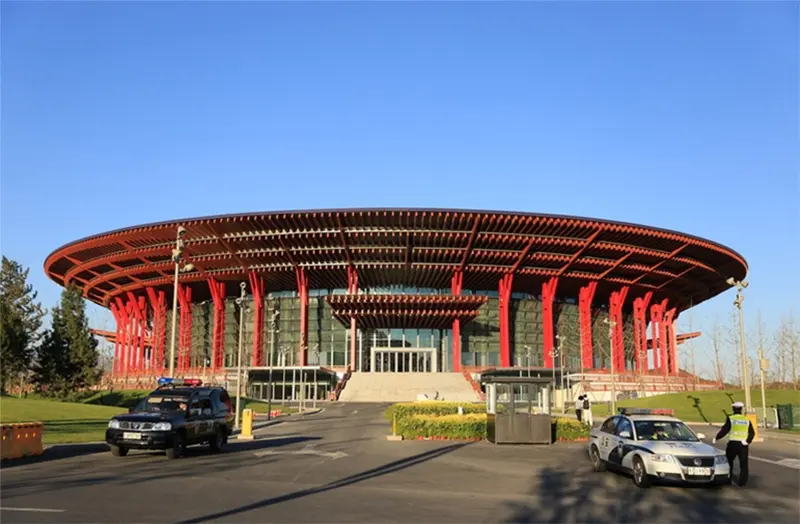
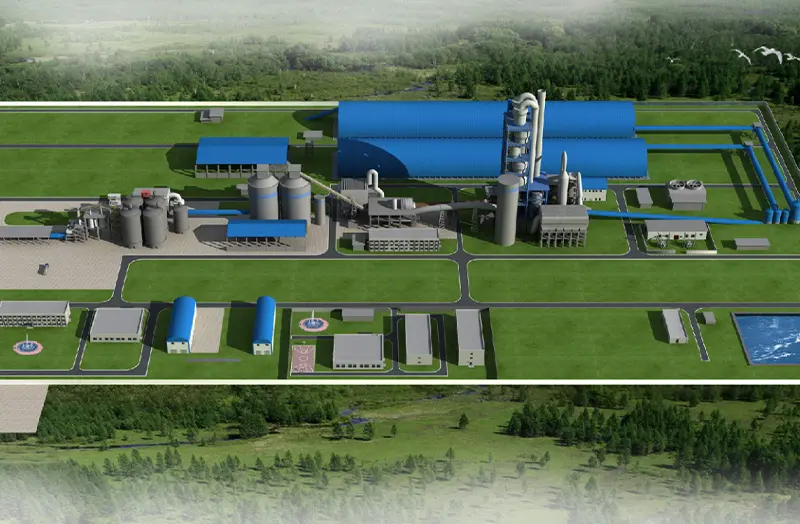
Why Tier-1 industrial buyers rely on our manufacturing network for ongoing operations.
We perform systematic pre-shipment inspections on every batch, backing them with complete certifications. We maintain full traceability from raw coil production to final laser-cut elements.
Leveraging our proximity to the Tianjin seaport, we coordinate bulk container freight, breakbulk, and rail deliveries, lowering transit delays and logistical friction.
Our engineering division assists clients in optimizing complex nesting layouts. This dynamic assistance minimizes scrap rates and saves considerable costs on major production runs.
Essential technical insight regarding alloy selection, laser tolerances, and procurement terms.
A comprehensive inventory of structural steel elements, spring steels, and scaffolding systems.



 Hanshen