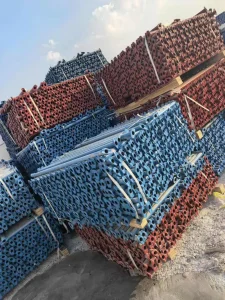
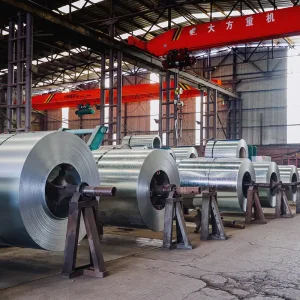
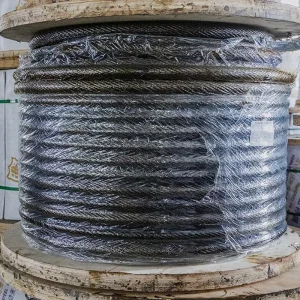
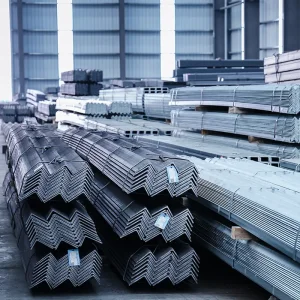
In modern infrastructure, the integrity of electrical cabling networks dictates the uptime, safety, and scalability of entire processing plants, data centers, and marine systems. As a dominant ladder type cable tray supplier, Hansheng Technology (Hebei) Co., Ltd. provides robust, engineering-focused solutions designed to operate under the most grueling mechanical and chemical loads. Our strategic manufacturing footprint in Tangshan City, Hebei Province—the core powerhouse of China’s steel fabrication cluster—allows us to leverage direct raw material access, advanced metallurgical processing, and streamlined international shipping networks.
Our operational capability, backed by nearly two decades of deep export excellence since 2006, provides international engineering procurement departments with the certainty required for multi-million dollar projects. By incorporating rigorous Quality Control (QC) frameworks with high-capacity roll-forming operations, we consistently deliver structural products conforming to ASTM, JIS, DIN, EN, and AS/NZS specifications.
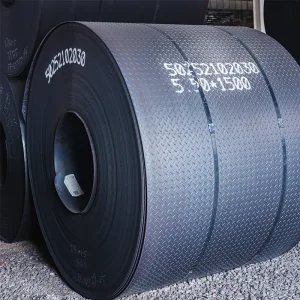
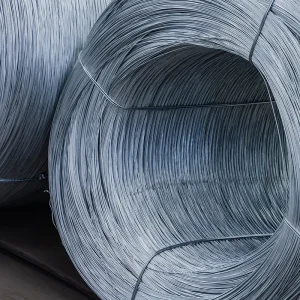
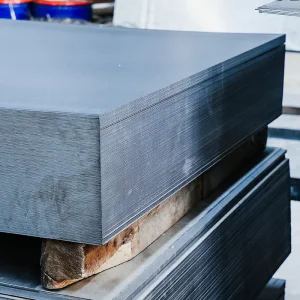
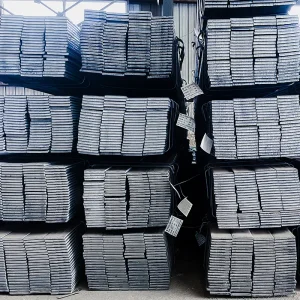
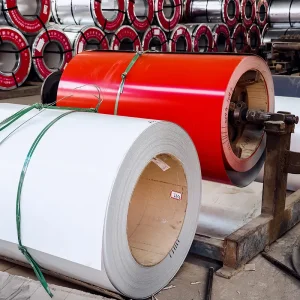
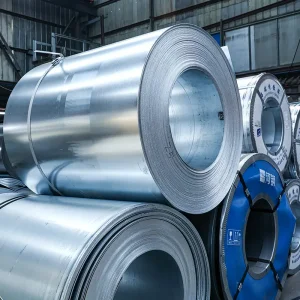
Selecting the correct metallurgical profile and protective coating parameters is critical to avoiding catastrophic field failures from thermal cycling, static overloading, or atmospheric corrosion. Our custom ladder cable trays are fabricated utilizing certified base metals, ranging from structural carbon steel to lightweight, high-tensile aluminum alloys and marine-grade stainless steels.
| Material Class | Common Standards | Protective Finish / Process | Recommended Operational Environments |
|---|---|---|---|
| Pre-Galvanized Carbon Steel | ASTM A653 / EN 10346 | Continuous mill galvanizing (Z120 - Z275) | Dry, climate-controlled commercial buildings & light industrial facilities. |
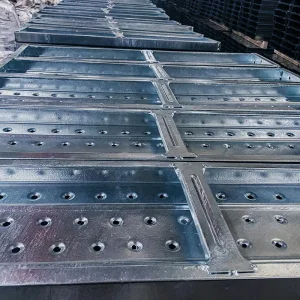
| Hot-Dip Galvanized (HDG) Steel | ASTM A123 / ISO 1461 | Post-fabrication batch galvanizing (80µm+ thickness) | Heavy industrial plants, outdoor infrastructure, petrochemical facilities, high-humidity zones. |
| Stainless Steel (SS304 / SS316L) | ASTM A240 / EN 10088 | Natural passivation (Optional pickling/electropolishing) | Marine platforms, offshore oil installations, chemical processing, pharmaceutical & food plants. |
| Aluminum Alloy | AA 6063-T6 / AA 5052 | Natural oxide layer / Anodized / Powder Coated | Corrosive coastal structures, weight-sensitive long-span bridges, wastewater treatment. |
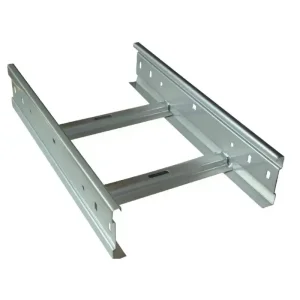
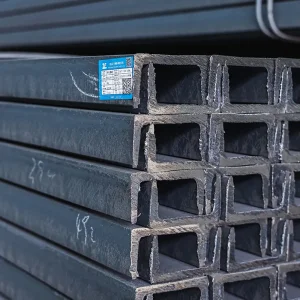
Under NEMA VE 1 / CSA C22.2 No. 126.1 specifications, ladder cable trays must withstand calculated static weight loads without exceeding maximum deflection parameters. Our roll-formed side rails utilize customized heights (typically 100mm to 150mm) and engineered rungs spaced at 150mm, 225mm, or 300mm intervals. This provides optimal structural rigidity and maximizes ventilation, which is vital for heavy-power transmission lines subject to high thermal losses.
Transitioning our core supply chain to green-melted steel processing. By minimizing Scope 3 emissions in structural steel fabrication, we ensure our global partners meet upcoming carbon border adjustments (CBAM) and green construction mandates.
Integrating fiber-optic distributed sensing (DTS) brackets along the ladder structure, enabling real-time monitoring of cable temperature spikes and mechanical deflection alerts in mission-critical data environments.
Accelerating the adoption of Zinc-Aluminum-Magnesium (ZAM) metallic coatings. This tech exhibits self-healing cut edges, outperforming traditional post-dip galvanizing in high chloride environments while cutting carbon footprints.
Our custom-engineered ladder type cable trays are specifically developed to solve localized engineering hazards across key global industries. We map user intent to physical design:
Modern hyper-scale data centers require structured, high-volume fiber routing. Our custom lightweight aluminum ladder systems provide maximum ventilation and quick installation with tool-less splices, reducing execution overheads.
Combating high-salinity marine air requires premium SS316L metallurgy or heavy hot-dip galvanized coating. We guarantee over 80-100 microns of zinc coating thickness, verified by electromagnetic testing for extreme durability.
Our structural trays resist acidic vapor exposure and support heavy instrument lines across expansive pipe racks. With customizable rung spacing, we ensure minimum accumulation of corrosive dust particles.
Hansheng Technology’s advanced production plant represents the frontier of modern steel manufacturing. With 8 high-performance operational lines and a capacity exceeding 300,000 metric tons per annum, our facility integrates fully automated cold-forming and computerized precision welding. This ensures highly uniform rungs and side rails, eliminating the thermal stress points associated with low-tech manual welding.
Our localization in Tangshan City, the epicentre of global steel production, provides unique strategic advantages:
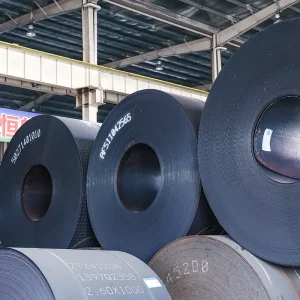
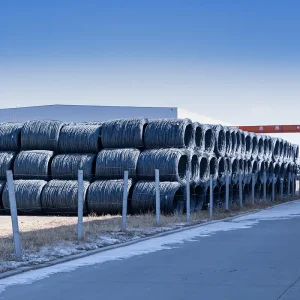
Immediate raw material access from neighboring state-of-the-art mills reduces logistics costs and carbon footprints, passing the direct pricing advantage directly to our international clients.
CNC automated lines control stamping tolerances within ±0.5mm, ensuring seamless alignment and faster splice-plate coupling at the construction site.
From chemical composition verification of high-strength coils to zinc adhesion testing, every manufacturing batch receives a complete Mill Test Certificate (MTC).
Navigating import dynamics and regional building codes requires a structured approach to compliance. Engineering projects in the Americas, Europe, and the Middle East demand rigorous verification protocols. Hansheng Technology bridges the gap between domestic production and localized engineering requirements:
Our operational systems are ISO 9001 and ISO 14001 accredited. We offer localized support to match regional codes including NEMA VE 1 (USA), IEC 61537 (Europe), and AS/NZS 3084 (Oceania).
Strategically located just 150 km from Tianjin Seaport and Beijing, we guarantee fast transition times from factory to sea container, with professional marine packaging preventing corrosion during shipping.
We coordinate with third-party testing institutions (such as SGS, BV, and Intertek) to perform load tests and coating audits prior to harbor delivery, guaranteeing 100% contract compliance.
 Hanshen