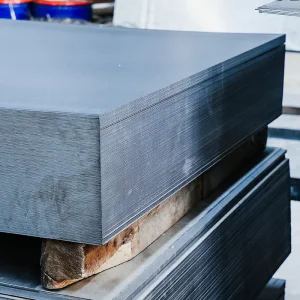
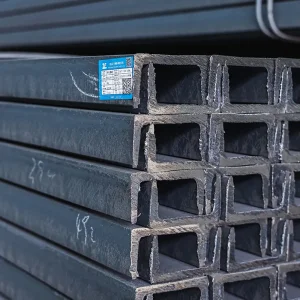
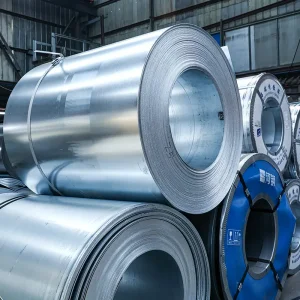
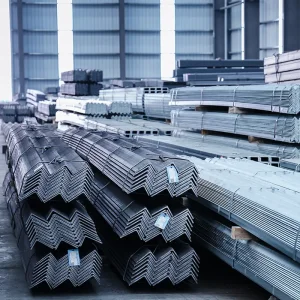
Explore high-capacity raw steel rolls, precision-cut structural profiles, and custom carbon formulations.
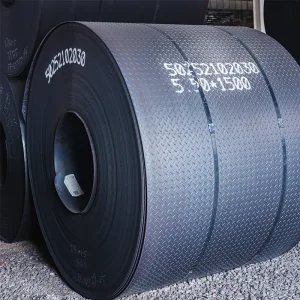
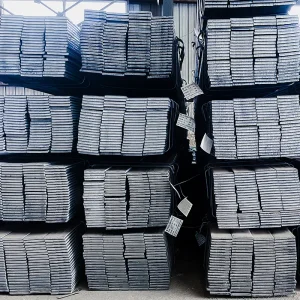
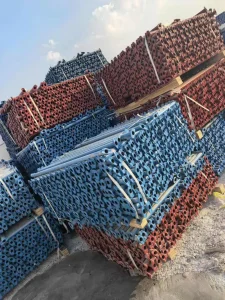
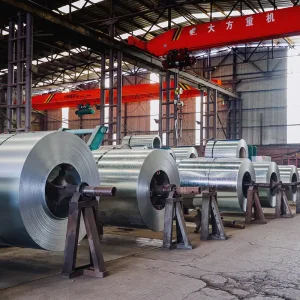
Strategic supply vectors and structural sourcing architectures in global heavy industry.
In modern industrial manufacturing and heavy infrastructure development, Hot Rolled (HR) flat steel remains a primary load-bearing foundation. Global corporate procurement teams face complex challenges, including shifting macroeconomic policies, fluctuations in energy costs, and the need for reliable materials. The demand for custom HR flat steel goes beyond basic dimensional sizing. It involves finding custom solutions that meet specific parameters for mechanical fatigue resistance, strict dimensional tolerances, and chemical consistency across production runs.
For operations in structural steelwork, rail transport, automotive framing, and offshore installation projects, HR flat steel must provide dependable mechanical performance under stress. The global push to optimize material weights while maintaining safety standards has driven the demand for High-Strength Low-Alloy (HSLA) profiles. Standard off-the-shelf stock rarely satisfies the requirements of modern precision roll-forming machines or heavy stamping equipment. As a result, engineering teams must work closely with established custom manufacturers to determine chemical compositions, roll-bending limits, and surface treatments that prevent premature corrosion and structural failure.
Hansheng Technology (Hebei) Co., Ltd. is located in Tangshan City, Hebei Province—the heart of China's steel industry. This strategic location offers logistical efficiency, situated just 150 kilometers from the Tianjin seaport and 150 kilometers from Beijing, facilitating dependable international freight operations.
Geographical concentration plays a critical role in mitigating supply chain disruption. Proximity to reliable primary smelters and downstream deep-processing centers allows manufacturers like Hansheng Technology to manage lead times, optimize alloy chemistry, and buffer material reserves. This setup helps protect international buyers from sudden raw material price shocks and sudden export delivery delays.
Deep technical execution of rolling parameters, alloy compositions, and international structural standards.
To manufacture premium hot rolled flat steel, processing facilities must control thermal cycles carefully. Hot rolling begins at temperatures above the recrystallization point, typically ranging between 1,100°C and 1,250°C. This dynamic thermal processing refines the grain structure of the steel billet, improving its ductility, toughness, and load capacity. Precise temperature management during cooling is essential to prevent internal stresses and uneven thickness across the steel sheet or plate.
Hansheng Technology operates 8 advanced, high-efficiency production lines that support an annual output of 650,000 metric tons. These production systems utilize real-time automatic gauge control (AGC) sensors to maintain dimensional tolerances. This technology allows us to supply customized hot rolled spring steel flat bars and structural sections that meet strict engineering requirements for flat surfaces, straight edges, and consistent thickness.
We manufacture custom flat steel to meet standard global certifications, including ASTM (USA), JIS (Japan), DIN (Germany), EN (Europe), GB (China), and AS/NZS (Australia).
Our raw material supply includes carbon structural steels, low-alloy high-strength formulations, weather-resistant structural steels, and customized spring steel grades (such as SUP9/SUP9A).
We offer customized sizing, edge treatments (sheared or mill edges), precision straightening, and tailored surface treatments (such as pickling and oiling) to support your downstream manufacturing processes.
Translating metal properties into reliable performance in high-stress engineering environments.
In structural engineering, the physical properties of HR flat steel determine the safety and longevity of building frames. For example, in high-strength scaffolding systems and structural steel columns, flat steel components must absorb wind shear, seismic loads, and dead weight loads. Using raw materials with incorrect carbon equivalents can lead to brittle failures, presenting serious safety risks in construction environments.
By balancing carbon, manganese, and silicon content during formulation, Hansheng Technology ensures that our hot rolled products retain good weldability and ductility without sacrificing yield strength. This engineering balance makes our flat steel suitable for complex architectural designs, such as large convention halls, high-temperature cement production plants, and heavy-duty structural framing.
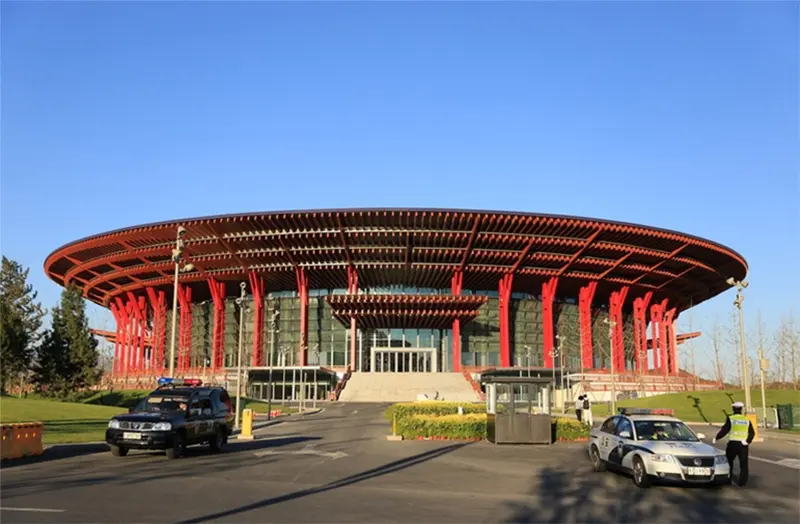
We supplied precision-straightened structural steel and custom load-bearing profiles to support the complex framing requirements of this national landmark project.
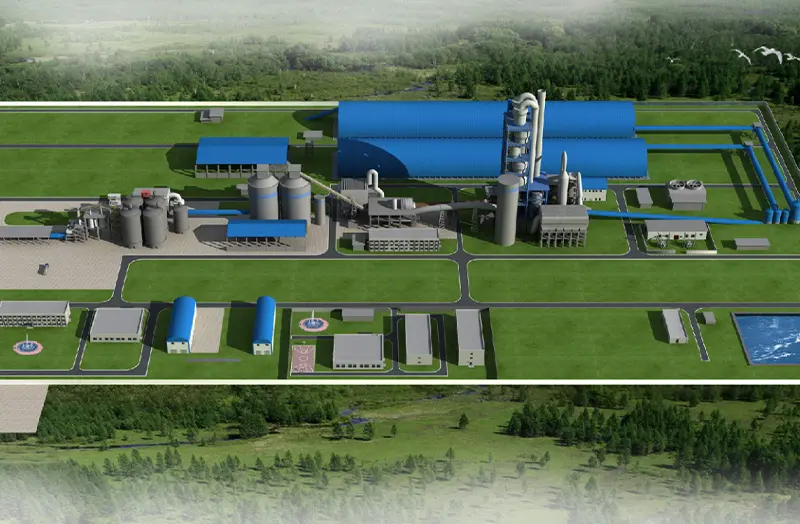
We supplied high-durability structural flat steel sections designed to withstand continuous vibration, thermal cycling, and high-wear industrial environments.
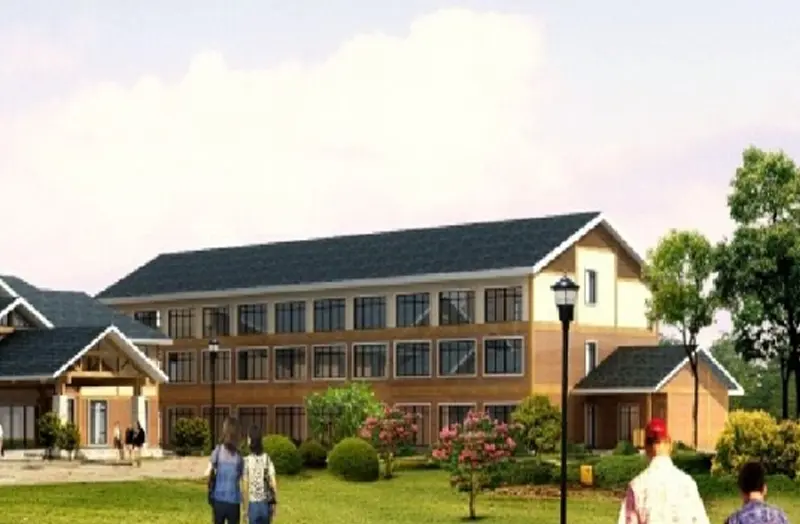
We delivered cold-formed steel materials and custom architectural sections configured to meet North American building codes for structural performance and environmental conditions.
Minimizing transaction risks through thorough quality inspections and optimized logistics planning.
Purchasing raw steel internationally requires careful supply chain management, quality verification, and logistics coordination. At Hansheng Technology, our quality control begins with thorough testing of the raw steel billets. We conduct spectrographic analysis on each incoming batch to confirm chemical composition before rolling. During and after production, we perform tensile testing, bend testing, and dimensional inspection to ensure every shipment meets our customers' specifications.
Our location in Tangshan, close to Bohai Bay shipping lanes, enables efficient maritime shipping to Europe, the Middle East, Southeast Asia, and the Americas. Because of our proximity to Tianjin Port, we can transport finished goods from our production lines to the port quickly, reducing warehousing times and helping to protect cargo from atmospheric corrosion prior to ocean shipping.
We work under a simple operating principle: honoring our contract commitments. Our dedicated QC inspectors evaluate every production lot prior to dispatch. This process allows us to provide comprehensive mill test reports that verify compliance with international standards.








Developing sustainable metallurgical processes and smart roll-forming technologies for high-demand applications.
The global steel industry is undergoing a transition toward sustainable manufacturing processes and lower environmental impact. Key initiatives include reducing energy use in hot rolling mills, adopting clean-burning heating fuels, and recovering waste heat. At the same time, design engineers are seeking higher-strength steel formulations that allow them to use less material overall, helping to lower energy consumption during transportation and final assembly.
Hansheng Technology's production planning focuses on two main engineering goals: expanding our high-strength low-alloy (HSLA) product options and integrating automated, online inspection systems directly into our rolling mills. These improvements will allow us to offer tighter thickness tolerances, consistent physical properties throughout each roll, and cleaner surfaces that reduce prep work for welding. By investing in modern equipment and process controls, we aim to help our global customers meet their operational performance targets.
Detailed technical answers to common questions raised by procurement managers and structural engineers.
Hot-rolled flat steel is processed above the recrystallization temperature, which results in a ductile, stress-free grain structure. This makes it highly workable, easy to weld, and well-suited for heavy structural shapes. Cold-rolled steel undergoes further processing at room temperature. While this provides closer dimensional tolerances and a smoother surface finish, it increases tensile strength and hardness but reduces ductility, which can make it less suitable for heavy weldments.
Our custom spring steel flat bars are manufactured using carbon-chromium steel formulations, such as SUP9, SUP9A (JIS G4801), or 5160 (ASTM A29). These alloys contain manganese and chromium to improve hardenability and toughness. This helps ensure leaf springs and mechanical suspension parts maintain their elasticity and resist sagging under cyclic loads.
To prevent rust during transit, we offer surface treatments such as pickling and oiling, or we can apply thin protective coatings to our steel. We also use water-resistant packaging wraps, structural banding, and moisture-absorbing desiccants inside shipping containers. These precautions help protect the steel from exposure to salt air and condensation during long-distance ocean voyages.
Our quality control system uses laser sensors and digital calipers to monitor thickness, width, and flatness during the rolling process. Before shipping, we inspect finished batches and provide Mill Test Certificates (MTC) that conform to EN 10204 Type 3.1. These documents detail the chemical analysis and mechanical testing results to verify compliance with your specifications.
Standard production runs for custom dimensions or specific steel grades generally take between 20 and 45 days, depending on our mill schedule and the complexity of the requirements. Because of our location near Tangshan and Tianjin Port, we can arrange inland transport to the shipping terminal quickly once the order is ready, helping to keep delivery timelines on track.
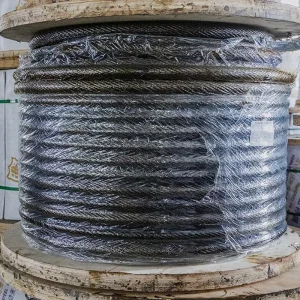
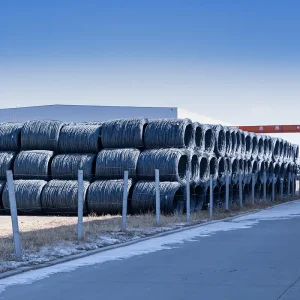
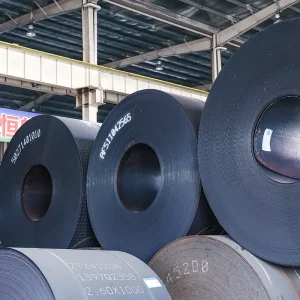
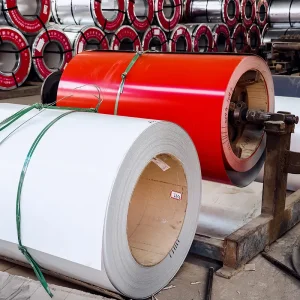
Browse our selection of wire ropes, coated sheets, and custom-formed steel shapes.
 Hanshen