Engineered to withstand heavy structural loads, corrosive conditions, and demanding logistical networks.
Modern infrastructure requires unprecedented levels of safety, structural durability, and cost efficiency. Globally, urban expansion, industrial refinery construction, bridge maintenance, and marine architectural operations rely heavily on rigid temporary access structures. Historically, traditional wood, bamboo, and low-strength painted steel scaffolding systems dominated construction sites. However, structural failures and rapid rust-induced deterioration created massive liabilities. Today, Hot-Dip Galvanized (HDG) Steel Scaffolding represents the industry standard across high-density regions including the Americas, Europe, the Middle East, and Asia-Pacific.
Regulatory bodies worldwide have escalated their oversight on worksite safety. Organizations like the Occupational Safety and Health Administration (OSHA) in the United States, the European Committee for Standardization (CEN) with standard EN 12810/12811, and Standards Australia (AS/NZS 1576) have formulated strict load-bearing and chemical composition rules. This regulatory evolution makes the durability of hot-dip galvanized steel non-negotiable. The commercial viability of scaffolding relies on rental turnover cycles; manufacturers must design systems that survive over 10 to 15 years in corrosive marine and chemical environments without structural degradation.
Understanding the zinc-iron alloy bonding chemistry that protects scaffolding from structural decay.
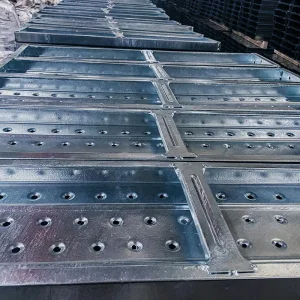
The core advantage of Hot-Dip Galvanized Steel Scaffolding lies in its protective coating. Unlike paint or powder coatings that merely form a physical barrier, hot-dip galvanizing produces a metallurgically bonded zinc-iron alloy layer. The process involves submerging clean carbon steel (typically Q235 or Q355 grades) into molten zinc bath at approximately 450°C (842°F). This initiates a reaction where zinc atoms diffuse into the steel substrate, creating four distinct micro-structural layers:
This molecular configuration delivers dual protection: Barrier Protection, preventing water and oxygen from touching the steel, and Cathodic (Sacrificial) Protection. Since zinc has a higher electrochemical activity than iron, it sacrifices itself to protect any exposed steel edges, ensuring scratches and cuts caused during site handling remain free of red rust.
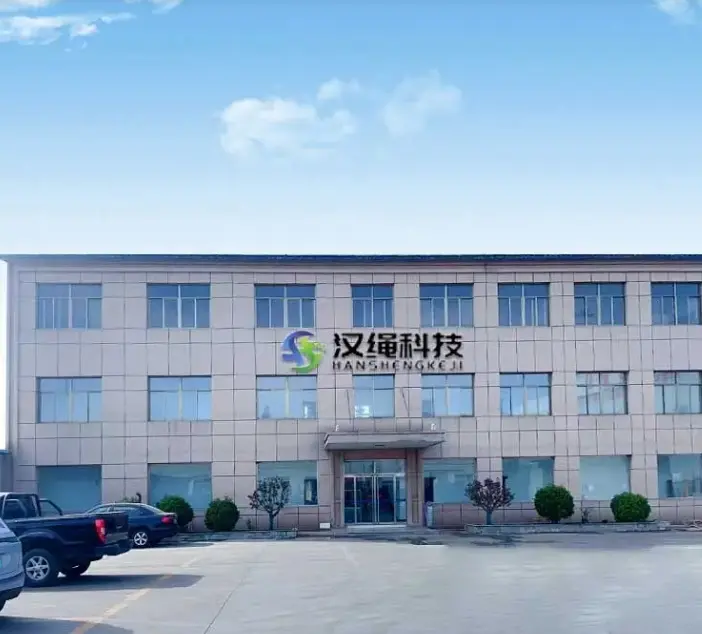
Hansheng Technology (Hebei) Co., Ltd. - Leading Steel Manufacturing and Custom Engineering Solutions Since 2006.
Strategically situated in Tangshan City, Hebei Province—the heart of China's steel industry—Hansheng Technology (Hebei) Co., Ltd. benefits from raw material access and an efficient logistics network. With our production facilities positioned just 150 kilometers from the Tianjin seaport and 150 kilometers from Beijing, we ensure streamlined transport to global destinations.
Our operations feature 8 advanced high-efficiency production lines designed to output a wide range of steel products. We strictly conform to international quality certifications, including ISO 9001:2000 and ISO 14001, alongside product specifications such as GB, JIS, ASTM, DIN, EN, and AS/NZS. Each manufacturing run is subject to rigorous pre-shipment inspection, verifying coating uniformity, weld integrity, and dimensional accuracy to guarantee performance on the job site.
Our values drive our execution: Trust, Confidence, and Reliability. Our team of over 35 engineering and logistics professionals supports custom OEM and ODM demands for projects worldwide. From designing customized ringlock rosette configurations to fabricating scaffolding standards of specific lengths, we deliver tailored products according to the contract's quality, quantity, and timeline requirements.
Demonstrated performance under diverse geographical conditions and load configurations.
During high-load concrete pours for commercial complexes, bridges, or transit projects, scaffolding towers serve as primary load-bearing structures. Utilizing high-tensile Ringlock systems ensures stable load distribution down to the foundation, resisting lateral wind loads in high-altitude environments.
Offshore oil rigs, shipyards, and coastal harbor developments require materials that resist high salinity and moisture. Standard painted steel fails rapidly under salt-spray exposure. Our hot-dip galvanized scaffolding provides corrosion resistance, reducing replacement rates in marine applications.
Chemical processing facilities expose structural elements to acidic or alkaline environments. The dense zinc-alloy layers of our scaffolding resist chemical vapor degradation, ensuring stability during plant maintenance shutdowns and retrofitting projects.
The global steel scaffolding sector is evolving toward smarter, safer, and more sustainable systems. Key trends reshaping our industry roadmap include:
Reliable shipping configurations engineered to transport materials from northern China to major global ports.
Scaffolding procurement logistics require careful coordination. Our location in Tangshan allows us to offer optimized logistics configurations:

Expert technical answers regarding compliance, load calculations, and purchasing protocols.
Delivering reliable structural steel and custom scaffolding systems to project sites globally.
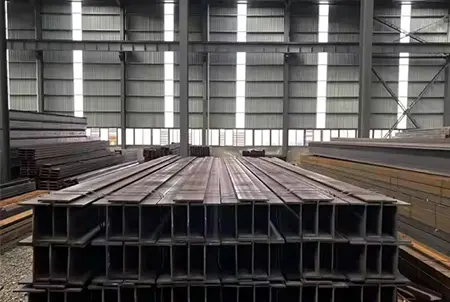
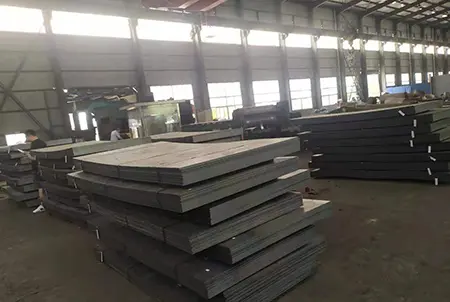
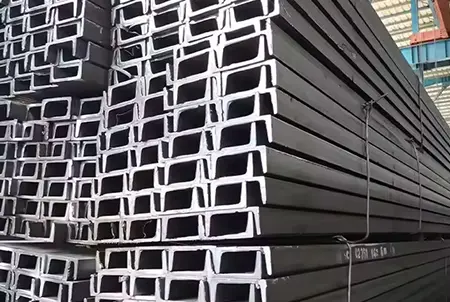
Explore our complete range of high-performance steel products and industrial solutions.
 Hanshen