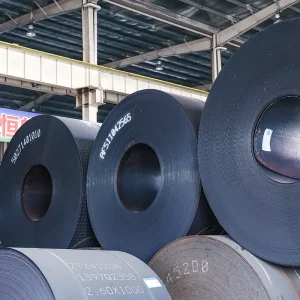
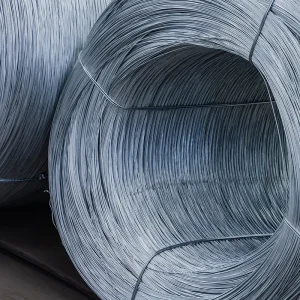
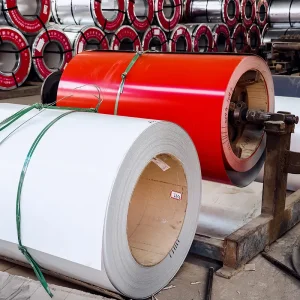
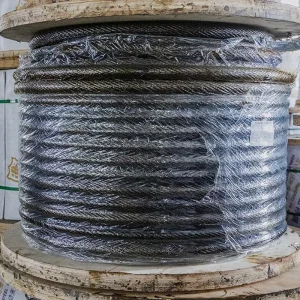
Examine our core structural steel range, from customizable cold-rolled shapes to proprietary zinc-aluminum-magnesium profiles.
Deep dive technical analysis of metallurgical composition, roll forming machinery, and zinc diffusion kinetics.
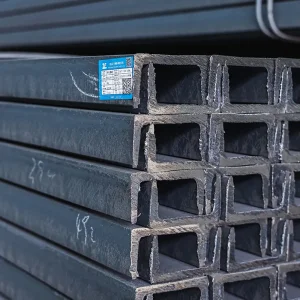
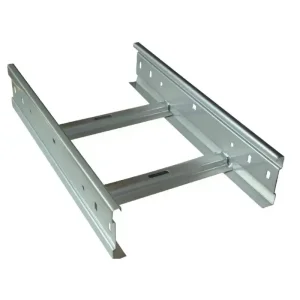
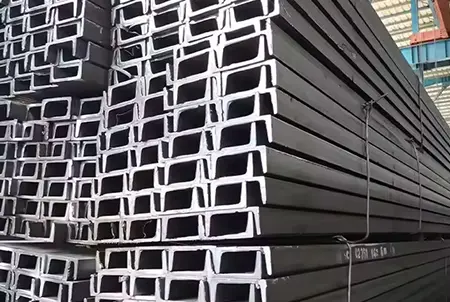
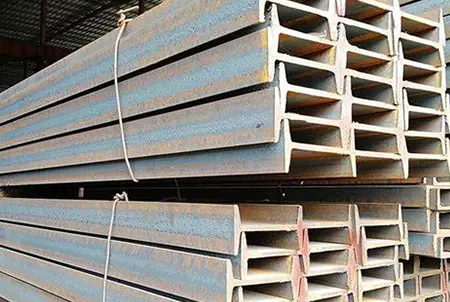
Hot Dip Galvanized C Channels (often referenced by structural engineers as parallel flange channels, lipped channels, or C-sections) are foundational elements in modern structural engineering. The structural performance of a C-channel depends heavily on the initial design of the carbon steel substrate. Hansheng Technology processes steel grades varying from standard structural alloys like ASTM A36, Q235B, and Q345B (S355JR) up to ultra-high-strength variants to support modern heavy-duty applications.
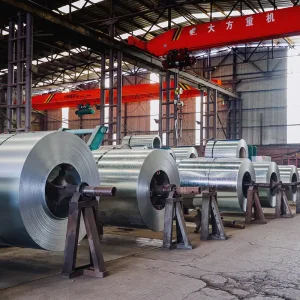
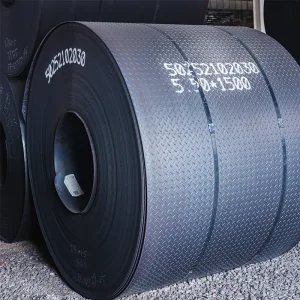
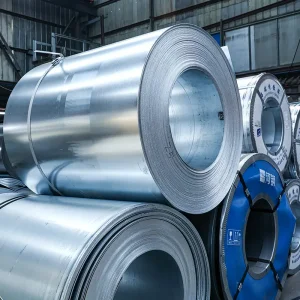
The manufacturing begins with continuous steel coils which are uncoiled, flattened, and passed through series of high-precision roll forming machines. Our automated cold roll-forming process ensures precise control over the web thickness, flange width, and internal corner radii. Precision bending prevents internal structural micro-cracks in the steel lattice, maintaining optimal yield strength (Re) and tensile strength (Rm) characteristics across the structural profile.
“Metallurgical Excellence starts at the chemical layer. Standard hot-dip galvanizing produces an alloyed interface zone consisting of three main intermetallic phases (Gamma, Delta, Zeta) capped by a outer layer of pure zinc (Eta), guaranteeing long-term corrosion prevention in coastal, sub-zero, and industrial conditions.”
Hot Dip Galvanization is a multi-stage chemical reaction where pre-treated steel is fully submerged in a molten zinc bath maintained at approximately 450°C (842°F). This process is not a simple physical paint layer; it is a thermal diffusion process. The metallurgical zinc-iron alloys are formed sequentially:
This alloying layer means that even if the C-channel is scratched or cut during field assembly, the surrounding zinc acts as a sacrificial anode, self-healing via galvanic action to shield exposed carbon steel from oxidation.
Why global Engineering, Procurement, and Construction (EPC) companies choose Hansheng Technology as their strategic steel partner.
Global structural steel sourcing is highly dependent on logistics cost and manufacturing capacity. Hansheng Technology (Hebei) Co., Ltd. operates in Tangshan, Hebei Province—which lies at the absolute epicenter of the Bohai Bay steel hub. Over 60% of the world's primary steel production originates from Hebei region, guaranteeing Hansheng immediate access to high-quality domestic billets, reduced freight overheads for raw materials, and continuous access to specialized steel mill alliances.
Our manufacturing base is perfectly integrated with the global logistics matrix, situated exactly 150 kilometers from Tianjin seaport and 150 kilometers from Beijing. This dual connectivity allows us to manage fast-track land transportation, handle custom inspections quickly, and dispatch containerized or break-bulk shipping vessels efficiently.
We work closely with major metallurgical partners to secure highly stable raw coil stocks. These relationships ensure we have high-grade steel inputs even during market supply volatility.



How C-channels address modern architectural, engineering, and environmental challenges globally.
Utility-scale solar fields require cost-effective, durable mounting structures. Our custom C-channels are pre-punched for rapid field installation, reducing manual labor and matching tracking system requirements. The high-micron hot-dip galvanized finish guarantees 25+ years of active lifespan under direct UV and chemical exposure.
Saltwater coastal environments exhibit extreme corrosivity (C5-M category according to ISO 12944). Standard painted steel fails within months. Hansheng's HDG C-channels feature coating weights exceeding 85 μm (610 g/m²), creating a long-term protective barrier that resists corrosive maritime environments.
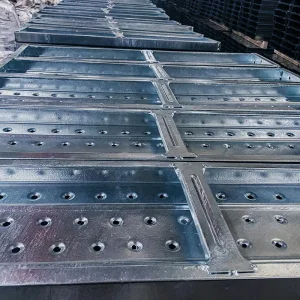
Civil engineering works require reliable load distribution. Our C-channels act as major structural beams and purlins. Engineered with custom punching and matching dimensions, they integrate directly with temporary staging, modular buildings, and scaffolding platforms, maximizing job-site safety.
How we maintain alignment with GB, JIS, ASTM, DIN, EN, and AS/NZS global manufacturing standards.
Compliance in heavy construction is critical. A single dimensional deviation or below-grade coating thickness can stall multi-million dollar global projects. Hansheng Technology maintains dual quality management certificates: ISO 9001:2000 and ISO 14001. Every batch of C-shaped steel channels undergoes strict pre-shipment inspections covering structural geometry, mechanical yield, and coating weight.
To maintain transparency, every batch of galvanized profiles is shipped with an authentic Mill Test Certificate (MTC) containing chemical composition, yield stress (Y.S), tensile stress (T.S), and elongation ratios. Our quality control team tests according to internationally recognized testing standards:
Standard Specification for Zinc (Hot-Dip Galvanized) Coatings on Iron and Steel Products. Ensures minimal coating thickness, appearance, and adhesion thresholds are strictly met.
European standard governing hot-dip galvanized coatings on fabricated iron and steel articles. Regulates bath purity levels and quality tolerances across structural sections.
Australia/New Zealand counterpart defining galvanization specifications. Demanded extensively for structural engineering and solar farm arrays across Oceania.
Real-world performance of Hansheng Technology's structural materials across major industrial projects.
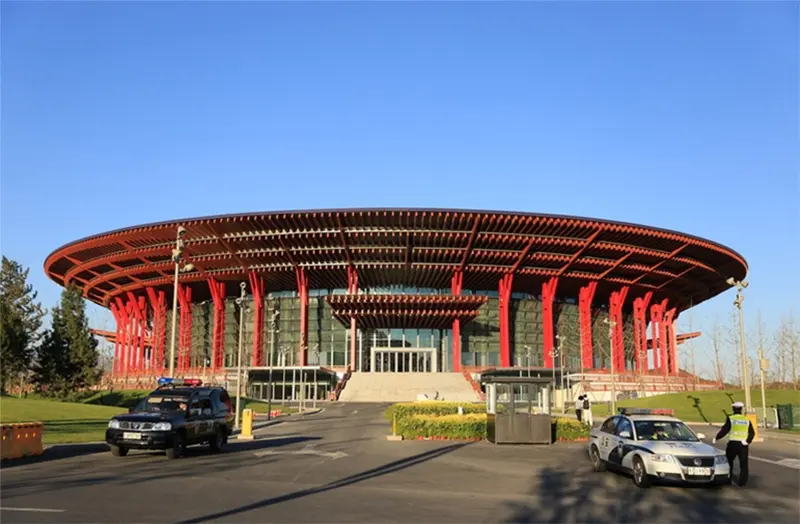
Year: 2013 — Supplied structural framing materials with strict structural tolerance specifications to support the architectural roof trusses.
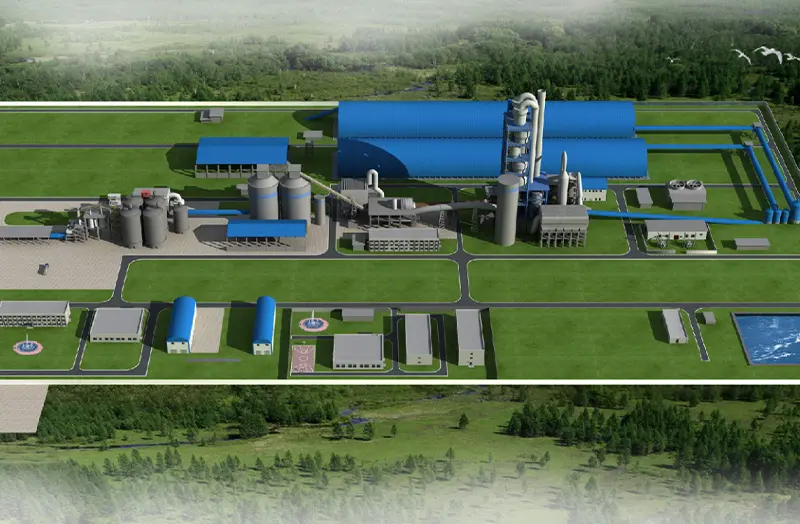
Year: 2014 — Bulk delivery of heavy structural channels and profiles for industrial cement kiln platforms operating under continuous thermal load.
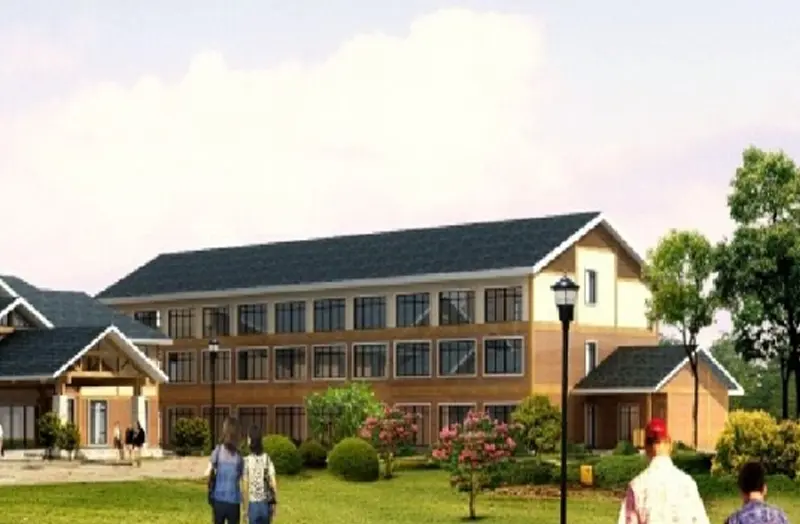
Year: 2020 — Prefabricated lightweight cold-rolled steel structures designed to withstand high sub-zero thermal stresses and extreme winter weather conditions.
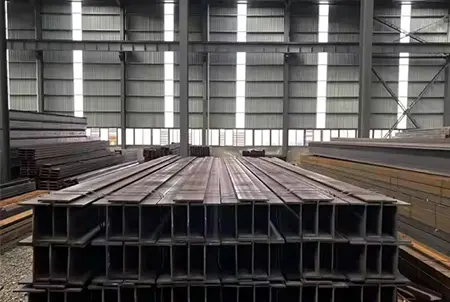
Pioneering advancements in structural coating science and green manufacturing processes.
While conventional hot-dip galvanizing remains an industry standard, the market is shifting toward high-performance alternative coatings. Our R&D department continues to expand production lines specialized in Zinc-Aluminum-Magnesium (ZAM) alloy-coated profiles. By integrating 1.5% to 3% Magnesium and 1.5% to 6% Aluminum into the molten zinc bath, ZAM creates a dense protective layer. This formulation delivers up to four times the corrosion resistance of standard HDG under coastal salt fog conditions, reducing structural weight and cutting maintenance costs over the project lifespan.
Modern corporate compliance guidelines require supply chain carbon tracing. Hansheng Technology is investing in sustainable manufacturing methodologies, refining our pickling stages using advanced acid reclamation systems, and shifting to energy-efficient electric heating for our molten zinc baths. This focus helps EPC partners meet their Scope 3 environmental compliance targets without sacrificing structural strength or corrosion performance.
Addressing technical, logistical, and compliance questions from structural engineers and global procurement heads.
Browse our broader range of structural wire ropes, coated coils, structural framing accessories, and cable containment systems.
 Hanshen