Explore our diverse portfolio of structural and coated steel configurations engineered to meet international industrial standards.
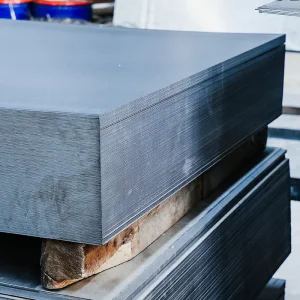
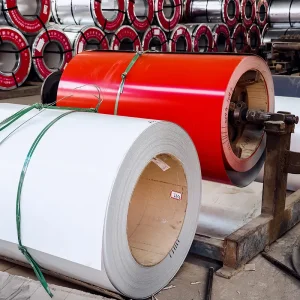
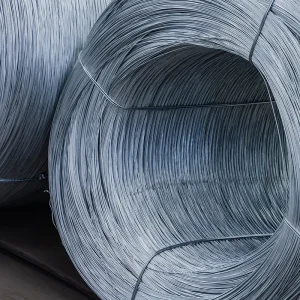
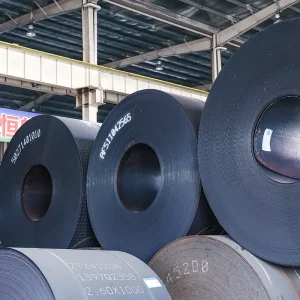
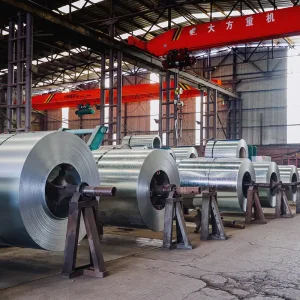
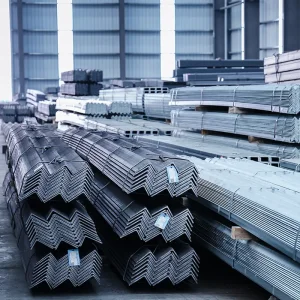
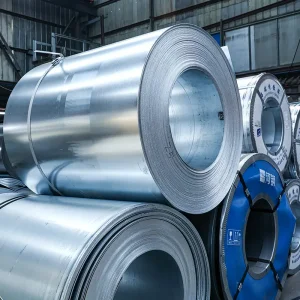
Zinc-Aluminum-Magnesium (ZAM) alloy coatings represent a paradigm shift in thin-film surface metallurgy. The addition of approximately 1.5% to 3.0% Magnesium and 1.5% to 11% Aluminum to the molten zinc bath transforms the coating's crystalline structure. Instead of a uniform zinc phase, ZAM features a complex ternary eutectic matrix characterized by interlaced Zn, Al, and MgZn2 phases.
The core advantage of this ternary structure lies in its unique electro-chemical reaction mechanism when exposed to corrosive media containing chloride ions or ammonia gases. The 275g/㎡ coating weight (ZAM 275, equivalent to ~20-25μm thickness per side) acts as a high-density barrier, ensuring an ultra-slow, controlled sacrifice rate that prolongs structural integrity by up to 5 times compared to standard Hot-Dip Galvanized (HDG) coating layers.
Over time, the magnesium ions ($Mg^{2+}$) migrate to form Simonkolleite ($Zn_5(OH)_8Cl_2 \cdot H_2O$), a highly compact, crystalline protective layer that exhibits exceptional adhesive properties. This layer seals cut edges, shear lines, and surface scratches, preventing atmospheric oxygen and moisture from initiating red rust on the core steel substrate.
| Coating Type | Salt Spray Resistance | Edge Protection | Relative Lifespan |
|---|---|---|---|
| Standard HDG (Z600) | ~500 Hours | Poor (Sacrificial only) | 1.0x (Baseline) |
| Galfan (ZA 275) | ~1200 Hours | Moderate | 2.0x to 2.5x |
| ZAM 275 (Ternary) | Over 2500 Hours | Self-Healing (Excellent) | 4.0x to 5.0x |
Examining the macroscopic market transitions driving ZAM adoption across global infrastructure networks.
Modern ground-mounted solar utility arrays are designed with 25-to-30-year operational lifespans. Traditional galvanized steel components suffer from early atmospheric depletion when installed in high-salinity desert environments, offshore wind farms, or high-humidity regions. Designers specify high-zinc-layer ZAM 275g/㎡ because its corrosion behavior allows structural sections to maintain load-bearing capacities without maintenance over decades.
Coastal logistics hubs, oceanfront warehouses, and deepwater petrochemical complexes face harsh atmospheric conditions. Standard steel structures decay rapidly due to wet-dry salt cycles. By leveraging a continuous hot-dip zinc-aluminum-magnesium alloy line, manufacturers create protective coils that satisfy the ISO 12944 classification for C4 and C5 corrosive environments, offering an alternative to stainless steel or structural aluminum.
Agricultural structures pose severe structural corrosion challenges. High ammonia concentrations ($NH_3$) emitted by livestock accelerate the oxidation of standard zinc-coated roofs and walls. The addition of magnesium to the ZAM coil formulation creates an alkaline barrier layer that shows superior resistance to chemical attack by nitrogenous compounds, extending barn structural integrity by years.
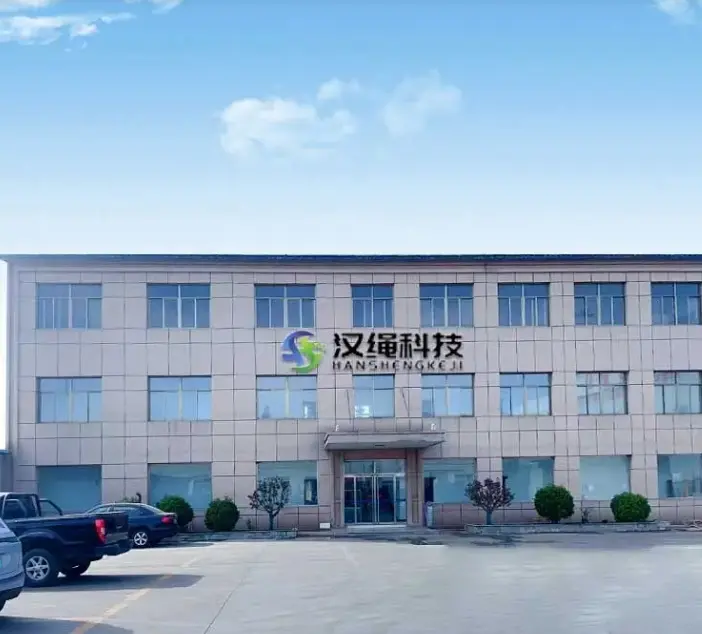
Strategically situated in Tangshan City, Hebei Province—the historical heart of China’s steel industry—Hansheng Technology leverages a regional supply chain and advanced metallurgical manufacturing. Founded in 2006, our facility has grown into an export-oriented enterprise specializing in high-performance steel products.
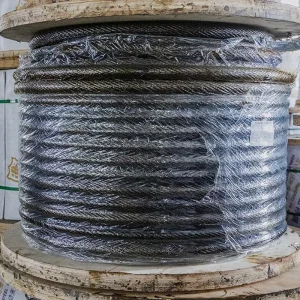
Our logistical positioning is ideal: located 150 kilometers from the Tianjin seaport and 150 kilometers from Beijing, we maintain efficient global logistics. This allows us to dispatch large-tonnage shipments of ZAM coils, hot-rolled sheets, and galvanized wire to major sea lanes without the risk of extended environmental exposure or transit damage.
Operating 8 modern production lines with an annual output capacity ranging up to 650,000 metric tons, we adhere to strict quality control frameworks. Our processes are certified under ISO9001 and ISO14001, and our steel products conform to standards including GB, JIS, ASTM, DIN, EN, and AS/NZS.
How high-performance ZAM steel is utilized across infrastructure projects globally.
Used for structural tubes, C-channels, and mounting posts. In high-chloride coastal areas (such as Saudi Arabian coasts or Chilean salt flats), ZAM 275 provides protection for critical ground mounts without the need for post-galvanization touch-ups, reducing fabrication times and labor costs.
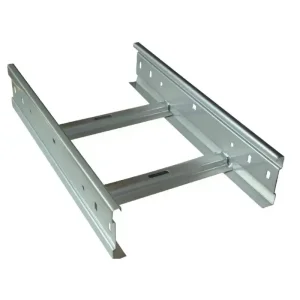
Exposed to indoor condensation and environmental moisture, cable tray systems require robust corrosion defense. ZAM sheets can be formed, sheared, and punched. The cut edges self-heal over time, preventing rust from creeping into cabling pathways.
Used in light gauge steel framing (LGSF) and containerized housing. ZAM 275 coils are cold-rolled into structural channels, providing long-term structural integrity inside framing assemblies where maintenance access is impossible.
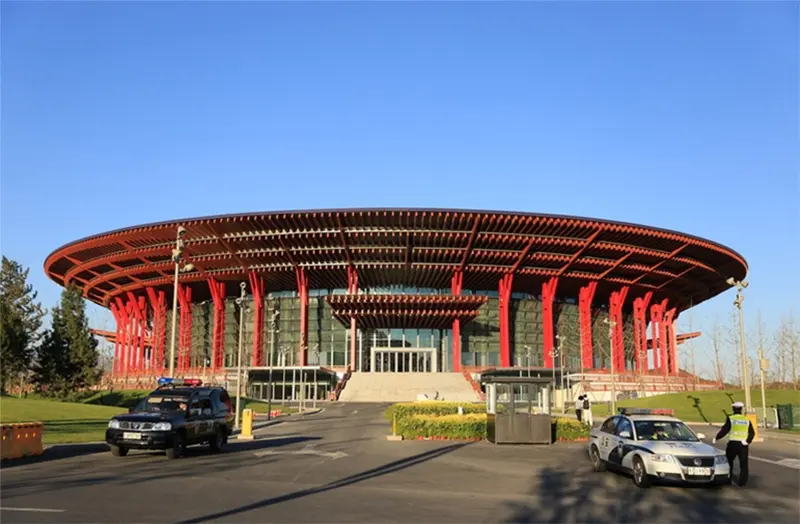
High-strength architectural steel components delivered to meet national structural requirements.
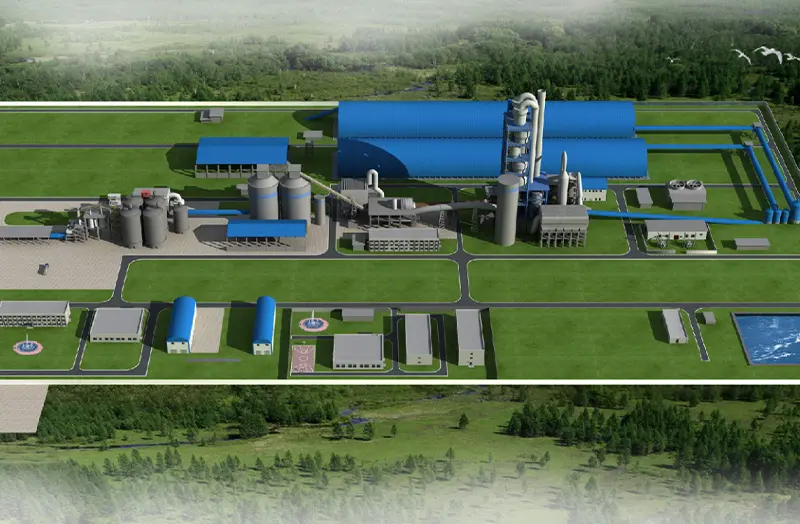
Heavy-duty structural sections and industrial sheets fabricated for high-dust cement complexes.
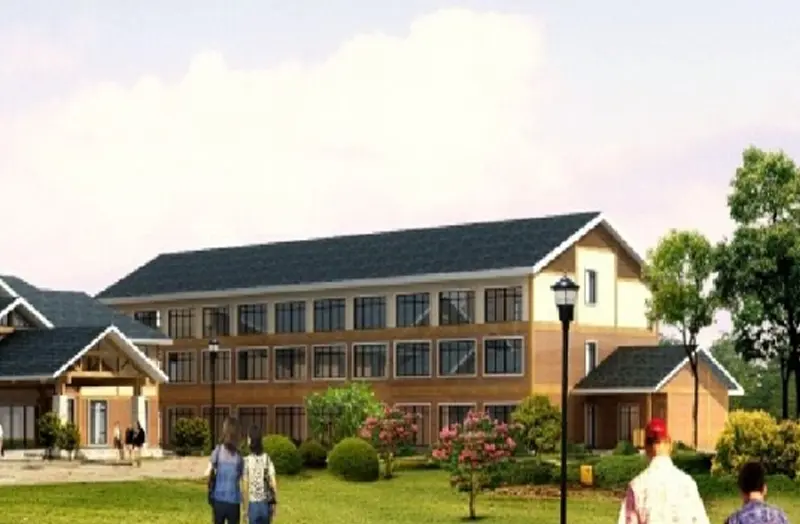
Prefabricated structural light gauge frames, engineered to resist sub-zero thermal cycling.
Key parameters and standards for sourcing Zinc-Aluminum-Magnesium coils globally.
Procuring ZAM coils requires matching the base metal chemistry with the application's forming demands. We supply a range of grades including:
Coating weights must be specified according to atmospheric salinity. While ZAM 120 (120g/㎡) is suitable for standard indoor applications, industrial marine and outdoor solar tracking environments demand ZAM 275g/㎡ or higher to guarantee a 30-year operational life.
Every batch of ZAM coils undergoes systematic testing protocols:
Detailed answers to common technical, metallurgical, and procurement questions.
We partner with leading raw material suppliers and global distribution networks.




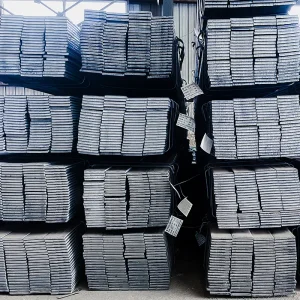
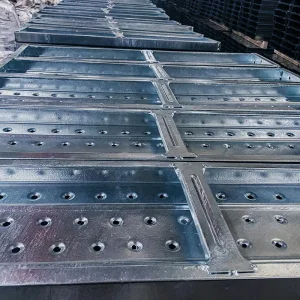
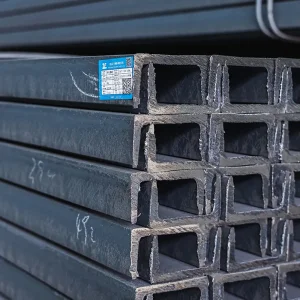
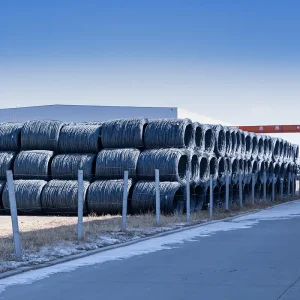
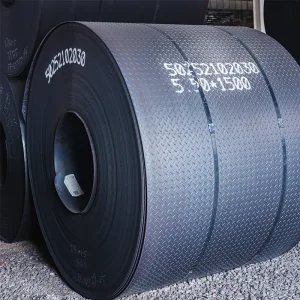
Our structural steel profiles, wires, and sheets meet diverse design and industrial requirements.
 Hanshen