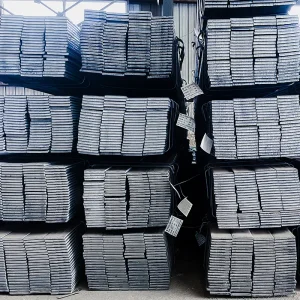
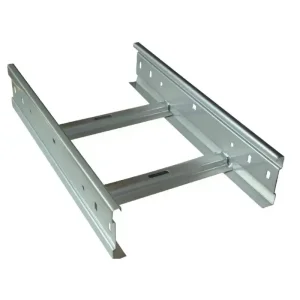
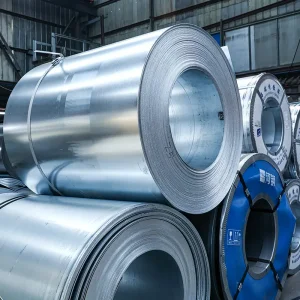
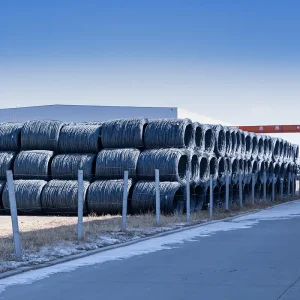
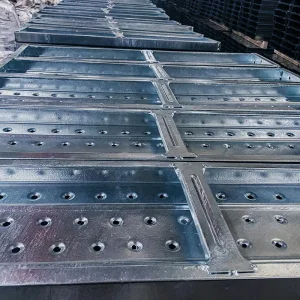
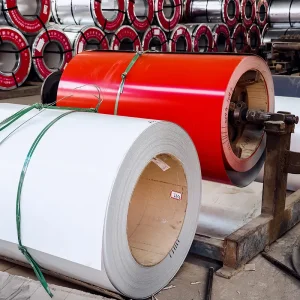
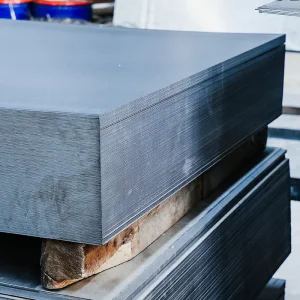
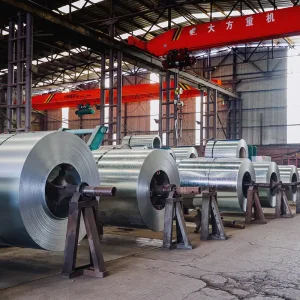
Direct supply line from Tangshan, Hebei, China: High-precision engineering and structural components built for heavy industrial integration.
An engineering-level analysis of structural load factors, material tensile grades, and core mechanics.
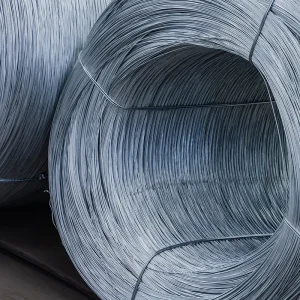
Modern industrial heavy-duty steel wire ropes are complex composite structures, manufactured from high-carbon steel wire rods. In custom factories, carbon content ranges precisely between 0.60% and 0.85% (such as C82B steel grades). Through rigorous cold-drawing and patenting processes, steel wire acquires tensile strengths exceeding 1770 MPa, 1960 MPa, and even 2160 MPa. Structural design involves twisting individual wires into strands and subsequently twisting these strands around a core. The composition configuration (e.g., 6x36 Warrington-Seale or 35x7 multi-strand non-rotating ropes) dictates performance margins under mechanical fatigue and bending stress.
Understanding internal rope physics is critical for procurement. An Independent Wire Rope Core (IWRC) utilizes an entire secondary wire rope as the center, maximizing resistance to crushing on multi-layer drums and offering approximately 7.5% higher breaking strength than fiber alternatives. Conversely, a Fiber Core (FC), composed of natural sisal or synthetic polypropylene, provides superior flexibility and serves as a reservoir for internal lubricating grease. Selecting the core determines how a rope behaves under dynamic shock loads and environmental exposure.
Worldwide hoisting, crane, and elevator safety standards mandate strict Safety Factors (SF) based on application. General crane rigging utilizes a 5:1 SF, while personnel elevator lines require a 10:1 or 12:1 SF. High-tensile manufacturing requires continuous monitoring of Minimum Breaking Force (MBF) and actual breaking testing. Our factory implements digital destructive tension testing to confirm structural compliance with global criteria before shipping.
Why China's steel capital delivers unmatched production efficiency, logistical speed, and cost-to-performance optimization.
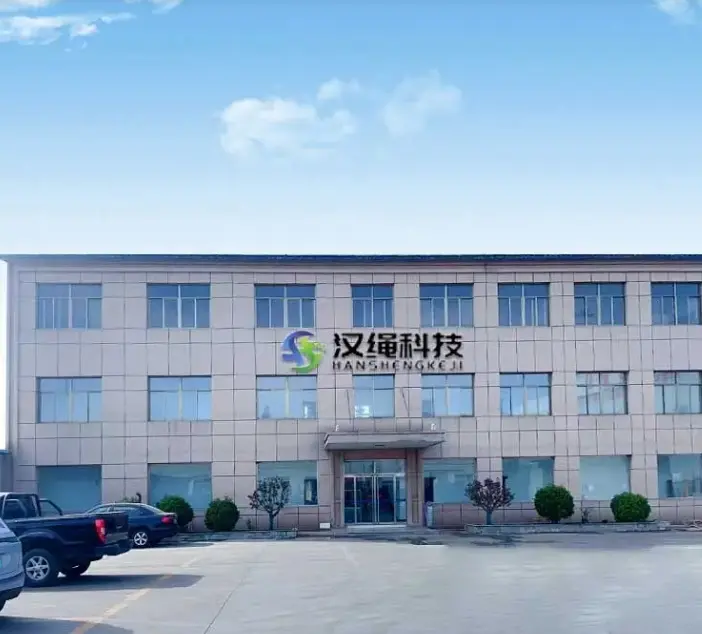
Strategically situated in Tangshan City, Hebei Province—the heart of China's steel industry. Tangshan's localized supply chain ecosystem grants immediate, cost-efficient access to prime raw material billets. This logistics synergy dramatically reduces raw material transportation time and carbon footprint, giving us a unique pricing advantage.
Operating 8 high-performance production lines, we maintain an annual capacity of 300,000 metric tons. Located just 150 kilometers from the Tianjin seaport and 150 kilometers from Beijing, we guarantee short dispatch times for ocean freight.
Certifications: ISO 9001:2000, ISO 14001, adhering to GB, JIS, ASTM, DIN, EN, and AS/NZS global manufacturing standards.
Every batch begins with documented chemical heat analysis, tracking chromium, nickel, and carbon ratios.
Tianjin Seaport provides global containerized shipping lines, cutting transit times to North America and Europe.
Custom coating solutions developed to withstand aggressive saltwater, acid fumes, and heavy abrasives.
ZAM represents a major advancement in steel wire protection. By incorporating magnesium (typically 1.5% to 3%) and aluminum (typically 5% to 11%) into the zinc bath, the coating develops a tight, self-healing oxide layer when exposed to elements. Salt spray test lifespans exceed standard hot-dip galvanization by up to 5 to 10 times, protecting cut wire ends from edge corrosion.
Galfan coatings provide excellent ductility and adhesion. When wires are drawn through the Galfan process, the coating resists cracking during high-speed stranding. The inclusion of aluminum increases heat resistance and helps prevent structural fatigue in marine rigging applications.
Conforming to ASTM A475 and EN 10244, our hot-dip galvanizing lines achieve zinc coating weights of up to 300g/m². This thick barrier layer provides sacrificial protection to the core carbon steel wire under abrasive operational wear.
How specialized wire ropes perform under extreme operating limits across global sectors.
A B2B guide to auditing Chinese wire rope manufacturers, verifying certifications, and conducting pre-shipment tests.
Ensure suppliers provide Mill Test Certificates (MTC) according to EN 10204 3.1, including carbon/alloy chemistry, physical breaking load tests, torsion tests, and wrap test verification.
Heavy-duty wire ropes require strict diameter tolerances (+2% to +4%). Ovality deviations must not exceed 2% under load, ensuring smooth drum spooling and sheave travel.
Procuring smart-enabled ropes incorporates built-in magnetic flux leakage (MFL) sensors or copper trace strands, allowing real-time digital monitoring of internal wire fractures.
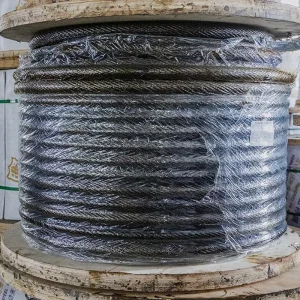
B2B transport requires seaworthy packaging: steel-ribbed wooden reels wrapped with moisture-barrier film, preventing surface corrosion during high-humidity ocean transit.
A history of engineering reliability, featuring landmark projects and cooperative mills.
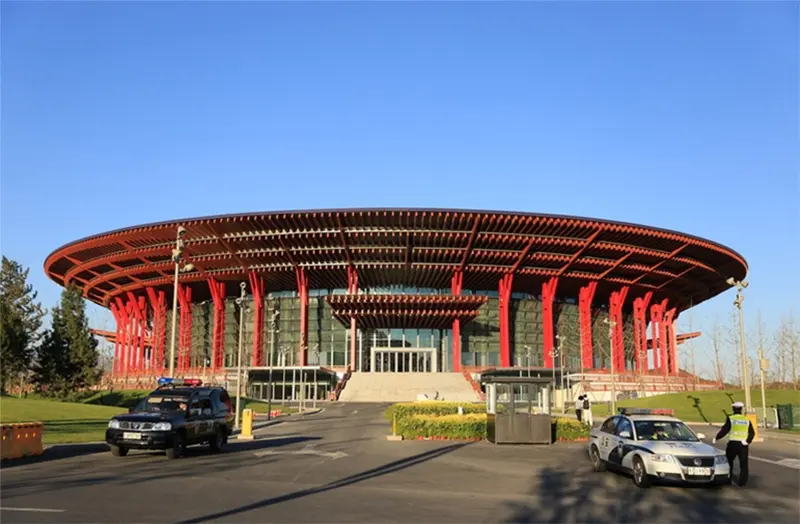
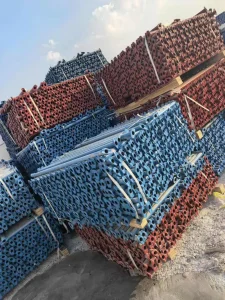
Supplied structural support steel and scaffolding materials for the convention halls, meeting load-bearing requirements under high safety factors.
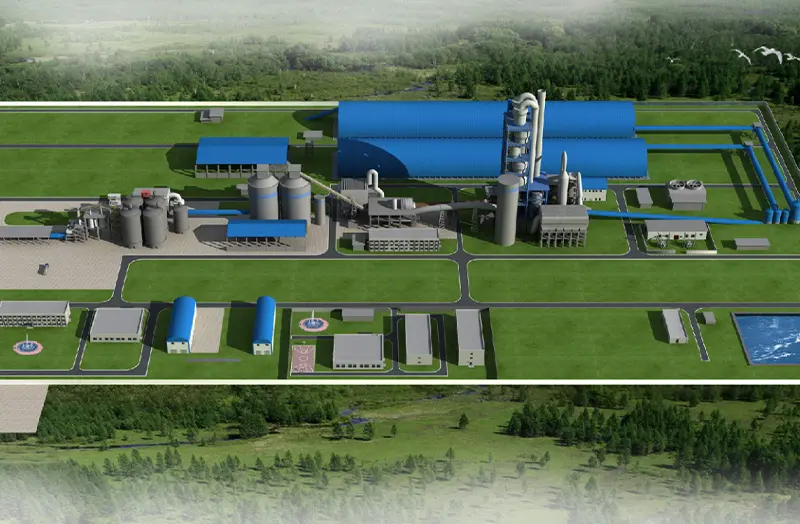
Delivered structural section steel and wire ropes for industrial conveyor networks, operating under dry, high-abrasion environmental conditions.
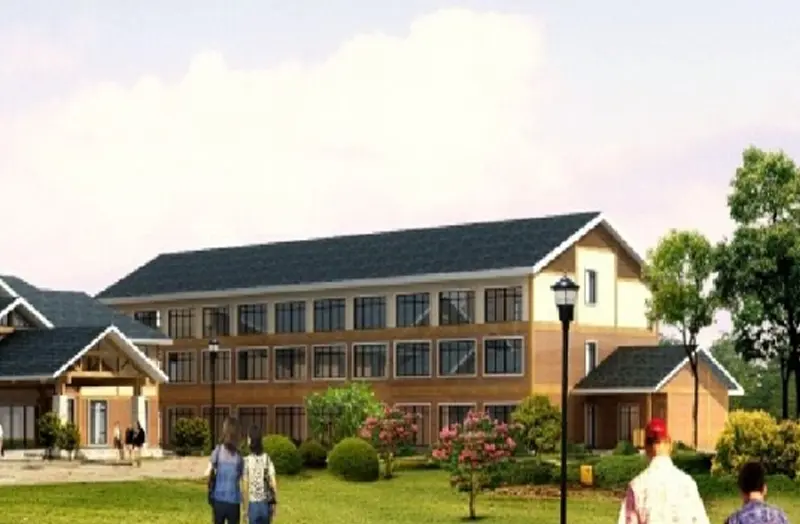
Custom structural components designed to withstand low-temperature wind shear, meeting Canadian building standards.

Innovation in wire rope safety, sensor systems, and carbon-reduction metallurgy.
Magnetic flux technology integrated directly into the guiding machinery allows real-time scanning of structural integrity, detecting internal broken wires before they breach the surface layers.
Environmentally Acceptable Lubricants (EAL) are increasingly utilized, allowing offshore and maritime rigging systems to comply with international marine safety regulations (EPA VGP).
By utilizing electric arc furnace (EAF) technologies and scrap metal integration, wire manufacturers are lowering the carbon footprint of structural steel components.
Expert engineering and sourcing answers for global procurement teams.
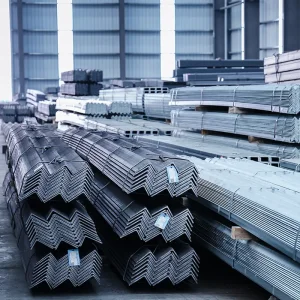
High-tensile wire rods, galvanized sheet coils, and section steel configurations engineered for global logistics dispatch.
 Hanshen