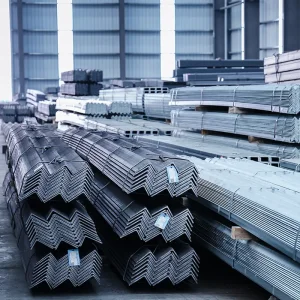
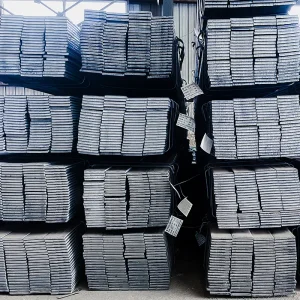
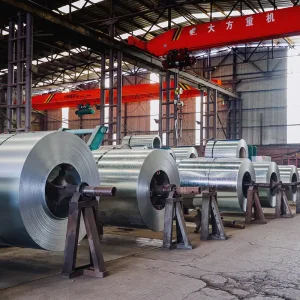
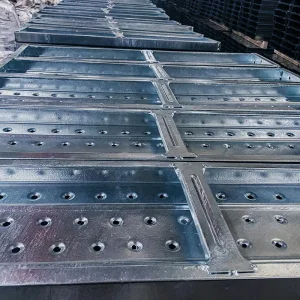
Explore our core industrial products engineered to withstand aggressive environments, manufactured under rigorous international specifications.
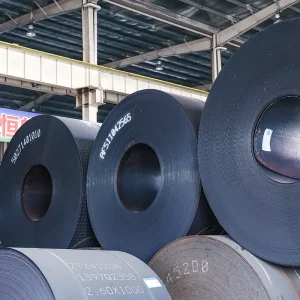
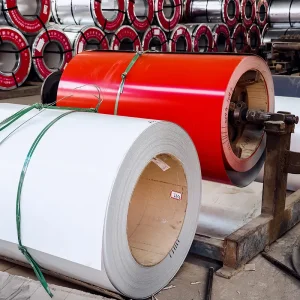
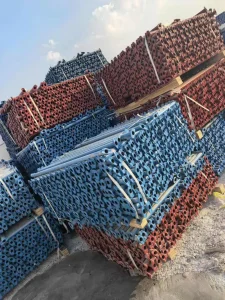
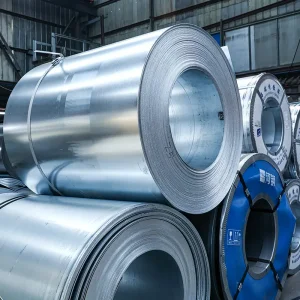
In the search for sustainable industrial materials, Zinc-Aluminum-Magnesium (ZAM) alloy coating represents the most significant paradigm shift in steel metallurgy of the 21st century. By integrating aluminum and magnesium into a hot-dip zinc bath, this advanced surface layer delivers unprecedented corrosion protection, self-healing edges, and unmatched resource conservation.
The chemical composition of a standard Eco-Friendly ZAM Coil typically consists of a zinc base alloyed with approximately 1.5% to 3.0% Magnesium (Mg) and 5.0% to 11.0% Aluminum (Al). This combination alters the atomic lattice structure of the coating. During the solidification process of hot-dip coating, a fine, highly stable ternary eutectic structure forms. This specialized layer slows the dissolution rate of the protective layer under exposure to chloride, ammonia, and acidic environments.
A key ecological benefit of ZAM is the reduction of coating weight. Traditionally, structural components exposed to marine or industrial environments required heavy zinc coatings (such as HDG Z600) to meet target lifespans. This consumes vast amounts of refined zinc. ZAM achieves comparable or superior corrosion resistance at a fraction of the thickness (e.g., ZM120 to ZM275). This saves natural resources and reduces structural weight, directly lowering transportation-related fuel consumption and emissions.
Standard galvanized steels rust quickly at cut edges, drill holes, and shear lines because the zinc sacrificial protection is rapidly consumed. Eco-Friendly ZAM Coils exhibit a unique self-healing behavior. When exposed to rain and moisture, magnesium and aluminum ions dissolve slightly and migrate across the exposed steel edge. They form a dense, highly adherent protective film known as Simonkolleite (Zn5(OH)8Cl2·H2O) mixed with magnesium-based compounds. This film adheres to the exposed steel, sealing the cut edge and halting oxidation.
A specialized molecular matrix that restricts galvanic corrosion channels, outperforming traditional pure zinc coatings.
Continuous chemical migration covers cuts and micro-fractures, preventing red rust from creeping inward.
Reduced raw material consumption and elimination of heavy post-galvanizing paint or passivation treatments.
Rapid infrastructure expansion and the transition to renewable energy have driven global demand for high-durability, corrosion-resistant metals. Historically, industrial facilities relied on post-fabrication hot-dip galvanizing, which is logistically complex, energy-intensive, and produces chemical waste. Today, the market is shifting toward pre-coated ZAM sheets that can be cut, stamped, and profiled directly.
In solar energy, ZAM coils are now the industry standard for ground-mounted tracker structures and mounting rails. Utility-scale solar installations are often built in arid deserts, coastal flats, or agricultural areas with high ammonia levels from fertilizer. These environments degrade standard zinc coatings within 10 to 15 years. ZAM coatings provide a 25-to-30-year operational lifespan, matching the warranty of modern PV modules.
In the automotive and HVAC industries, ZAM is replacing stainless steel and aluminum in specific applications. It provides high surface hardness and scratch resistance during forming, allowing manufacturers to reduce raw material costs while maintaining high-tier product quality.
| Property Parameter | Standard Hot-Dip Galvanized (GI) | Galvalume (GL) | Zinc-Aluminum-Magnesium (ZAM) |
|---|---|---|---|
| Coating Microstructure | 99% Pure Zinc (Zn) | 55% Al, 43.4% Zn, 1.6% Si | Zn + 1.5-3% Mg + 5-11% Al |
| Corrosion Resistance (Neutral Salt Spray) | Standard Base (1x) | Moderate-High (2x - 3x) | Extreme Protection (5x - 8x) |
| Cut-Edge Self-Healing Capability | Poor (Rapid Red Rust) | Minimal (Galvanic mismatch) | Outstanding (Simonkolleite shielding) |
| Alkaline & Ammonia Resistance | Poor | Very Poor (Al reacts with alkali) | Excellent (Ideal for animal husbandry) |
| Formability & Tool Wear | Moderate Flaking risk | Brittle coating layer | Low friction, high adhesion |
Established in 2006, Hansheng Technology (Hebei) Co., Ltd. is located in Tangshan City, Hebei Province—the center of China’s steel manufacturing industry. We operate 8 high-efficiency production lines with an annual output capacity of 300,000 metric tons, specializing in structural steel, coated coils, and custom wire products.
Our factory is situated 150 kilometers from both the Tianjin seaport and the capital city, Beijing. This strategic location offers exceptional logistics efficiency. It allows us to deliver high-volume orders quickly to international logistics hubs, minimizing transit costs and lead times for our global partners.
Our products comply with strict international standards, including GB, JIS, ASTM, DIN, EN, and AS/NZS. We maintain ISO9001:2000 and ISO14001 certifications. This ensures our materials meet structural and environmental requirements from the Middle East to Europe and the Americas.
We source hot-rolled substrate steel from leading state-owned steel mills to ensure stable mechanical properties and consistent coating adhesion.
Our quality control system uses online spectrographic monitoring to maintain optimal ratios of Zinc, Aluminum, and Magnesium during coating.
Every batch undergoes mechanical, salt-spray, and thickness testing. We provide mill test certificates (MTC) to verify compliance with EN 10346 and ASTM A1046.
Atmospheric conditions vary by region, requiring tailored coating specifications to ensure long-term durability. Below are the primary application scenarios for Eco-Friendly ZAM Coils:
Utility-scale solar farms in regions like the Middle East or Western United States face high UV exposure, dry winds, and abrasive sand. Traditional galvanized coatings can erode quickly under these conditions. ZAM's hard surface layer resisting sand abrasion, combined with its high temperature stability, makes it a durable choice for solar tracker torque tubes, C-channels, and mounting purlins.
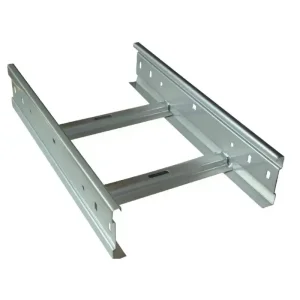
Salt spray in coastal regions accelerates galvanic corrosion. ZAM's protective chemistry performs well in marine environments (C4 and C5 corrosion categories). It is used for offshore electrical enclosures, seaport warehouse cladding, and cable trays.
Livestock environments contain high levels of ammonia, carbon dioxide, and moisture. Traditional galvanized and galvalume steel can degrade rapidly in these conditions. ZAM is highly resistant to alkaline and acidic chemicals, making it suitable for animal feed silos, ventilation ducts, and internal structural framing in modern agricultural facilities.
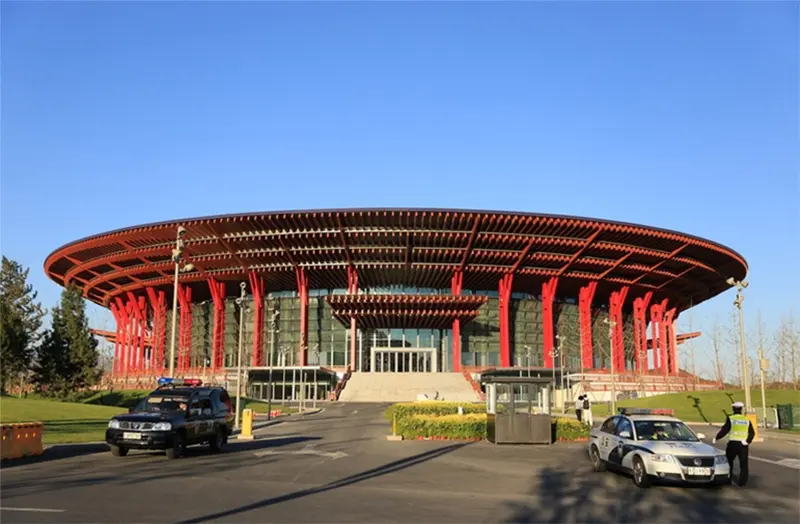
Project Year: 2013 | High-specification structural steel supply for key national infrastructure projects.
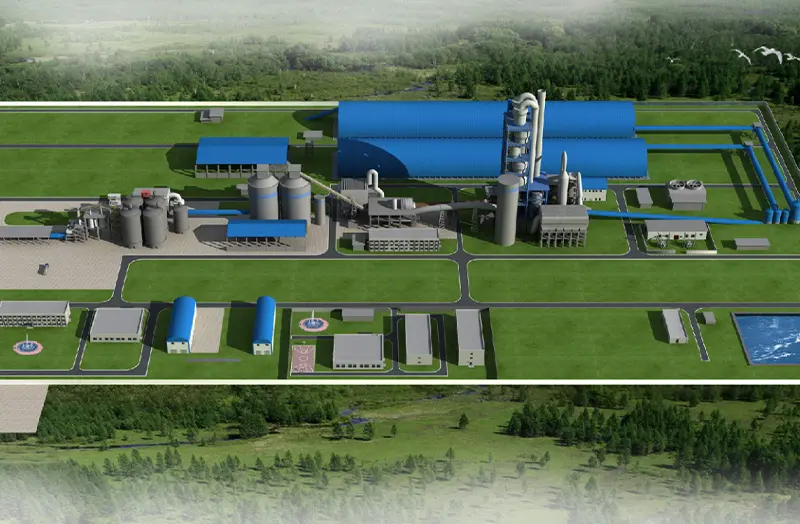
Project Year: 2014 | Supplying durable structural elements for cement plant construction under harsh industrial conditions.
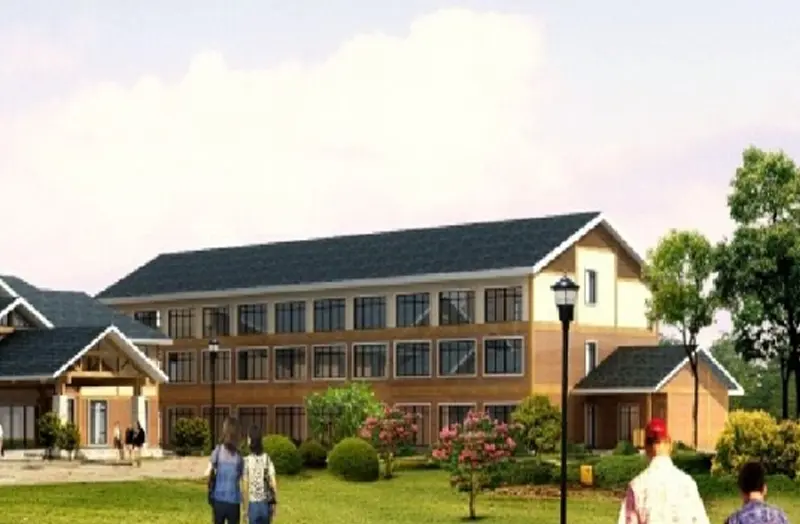
Project Year: 2020 | High-end, weather-resistant light-gauge steel framing for residential construction.
As carbon-reduction regulations tighten globally, Hansheng Technology is refining its manufacturing processes. Our development roadmap focuses on reducing carbon footprint throughout the steel life cycle:
1. Green Hydrogen Substrate Integration: We are partnering with primary steelmakers that use hydrogen-direct reduced iron (DRI) processes to supply low-carbon steel substrates. This helps reduce Scope 3 emissions for our customers.
2. Chrome-Free Chemical Passivation: We offer 100% chromate-free passivated ZAM coils that comply with the EU’s RoHS and REACH directives, ensuring safe recycling and handling.
3. Advanced Coating Control: We are implementing automated air-knife systems and electromagnetic coating control. This reduces coating weight variation across the width of the strip, ensuring consistent performance.
Select the appropriate material specification for your project from our certified product line.
 Hanshen