Engineered to withstand the most demanding atmospheric corrosion categories while delivering unparalleled load capacities.
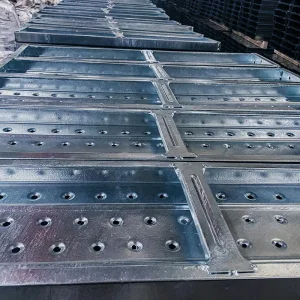
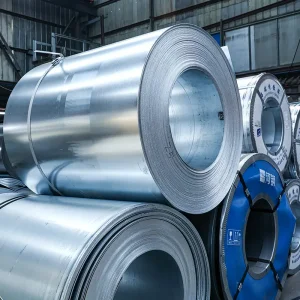
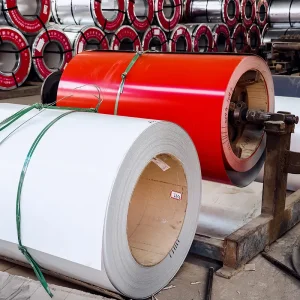
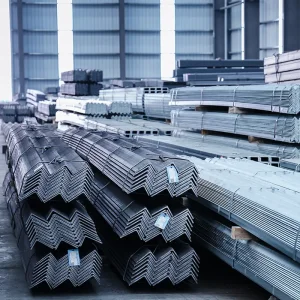
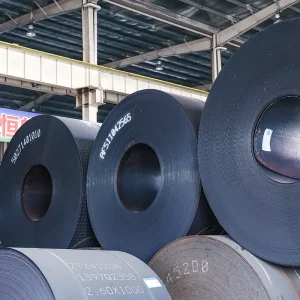
In modern industrial safety and engineering, the structural platform or springboard is no longer treated as simple scaffolding components. Marine construction, offshore energy generation, offshore petrochemical plants, and infrastructure maintenance require high-performance, load-bearing walkways that can survive extreme corrosive environments. Atmospheric exposure classification C4 (high) and C5 (very high / marine) demand engineering-grade materials that mitigate risk, eliminate mechanical fatigue, and provide decades-long integrity without maintenance failure.
Historically, typical construction platforms utilized timber, aluminum, or standard cold-rolled structural carbon steels. However, the paradigm shifted with the integration of advanced metallurgy. Hot-dip galvanization (HDG) technology emerged as the baseline standard, but it had limitations regarding thickness uniformity and structural micro-cracks under dynamic structural loads. The latest development trends are governed by Zinc-Aluminum-Magnesium (ZAM) alloy technologies, providing a self-healing micro-barrier that performs up to 10 times better than traditional zinc coating in highly saline environments.
Standard zinc coatings protect steel structures using sacrificial galvanic protection. However, once the zinc layer is scratched or cut during scaffolding assembly, the core structural steel begins to oxidize rapidly. ZAM alloys introduce a complex microstructure: when exposed to air and moisture, aluminum and magnesium form a protective, highly dense corrosion-inhibiting layer of basic zinc chloride and zinc carbonate. This layer flows across exposed cuts and holes, sealing them dynamically. This self-healing characteristic dramatically reduces field maintenance overheads and enhances structural reliability.
Engineering procurement managers face the dual challenge of balancing cost optimization with rigorous safety and liability protocols. A custom springboard must meet specific international safety, dimensional tolerance, and testing specifications. A typical specification sheet for globally compliant springboards includes:
| Material Variant | Typical Coating Comp. | Corrosion Rate (C5 Environment) | Life Expectancy (Years) | Key Applications |
|---|---|---|---|---|
| Standard Carbon Steel + HDG | 99.5% Pure Zinc | 1.5 - 2.1 μm/year | 15 - 25 Years | Standard Building Scaffolding, Inland Infrastructure |
| Zinc-Aluminum-Magnesium (ZAM) | 91% Zn, 6% Al, 3% Mg | 0.15 - 0.35 μm/year | 50+ Years | Offshore Wind Platforms, Coastal Docks, Marine Facilities |
| Aisi 316L Stainless Steel | N/A (Alloy Steel) | Negligible | 100+ Years | High-Acid Chemical Processing, Cryogenic Terminals |
A powerhouse of steel fabrication, structural manufacturing, and international supply chain logistics since 2006.
Strategically situated in Tangshan City, Hebei Province—the heart of China's steel manufacturing cluster—Hansheng Technology leverages a structural and logistic infrastructure that enables efficient global distribution. By maintaining production facilities adjacent to the Bohai Bay and Tianjin seaport, we eliminate continental transport delays, offering our global clients highly optimized FOB/CIF delivery cycles.
Our operations comply with international quality protocols. Our steel products are engineered to conform to strict GB, JIS, ASTM, DIN, EN, and AS/NZS specifications. Driven by a core philosophy of contract adherence, transparent communication, and strict QC testing, our distribution network encompasses the Middle East, Southeast Asia, North Asia, Africa, the Americas, and Europe.
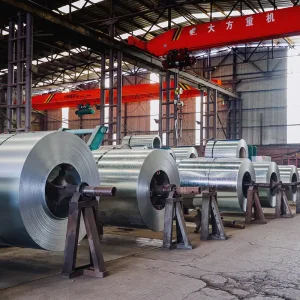
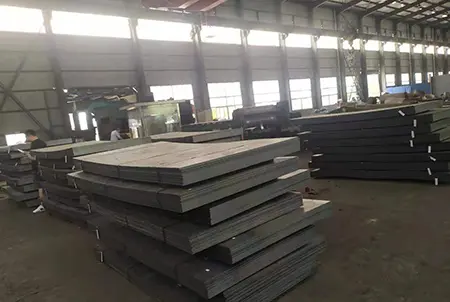
In a volatile global economic landscape, raw material price fluctuations, energy policy adjustments, and freight capacity limits threaten industrial schedules. As a leading manufacturer, we navigate these realities through our advanced Industry 4.0 Manufacturing Ecosystem in Tangshan. Our vertical integration strategy ensures that we control the process from raw steel smelting, billet design, roll-forming, punching, hot-dip galvanization to final quality checks, reducing dependency on external processing channels.
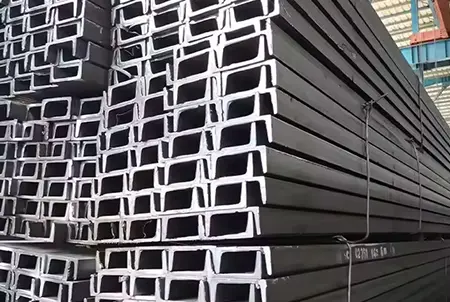
Our facilities utilize automated stamping and roll-forming systems. This ensures that every single springboard has consistent physical properties, precise anti-slip perforation layouts, and consistent weld zones. By using robotic welding machinery, we eliminate human fatigue variables, ensuring the side channels, end plates, and structural support bridges are fused to withstand rigorous tensile and shear loads.
Custom corrosion-resistant steel springboards are critical components in demanding marine, civil, and process engineering scenarios:
Daily exposure to tides, splash zones, and high wind-loaded salt spray. ZAM and HDG springboards provide structural integrity, preventing structural corrosion and minimizing maintenance downtime on offshore shipping piers.
Refinery settings involve acid-base atmospheric corrosion. Our custom-designed springboards utilize chemical-resistant coatings and anti-slip patterns to ensure secure work platforms for maintenance crews.
Ensures maximum safety and load capacity for workers. Our light-weight, high-strength structural springboards allow safe handling while reducing the overall dead weight of large-scale scaffolding systems.
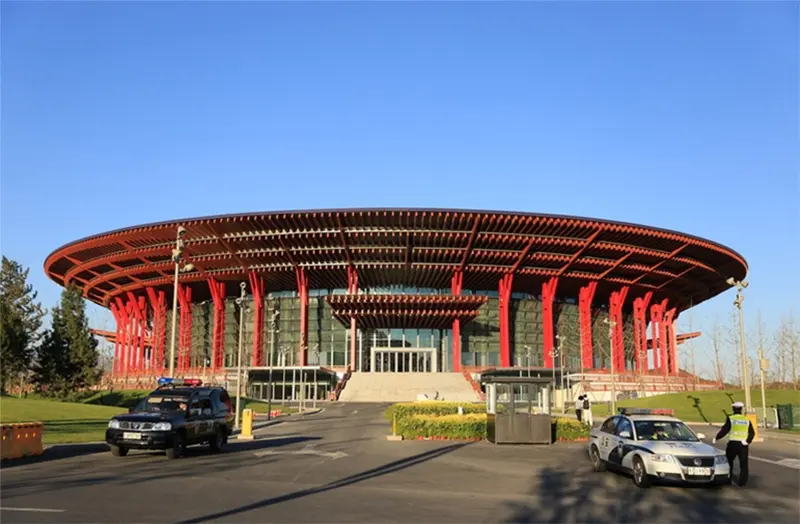
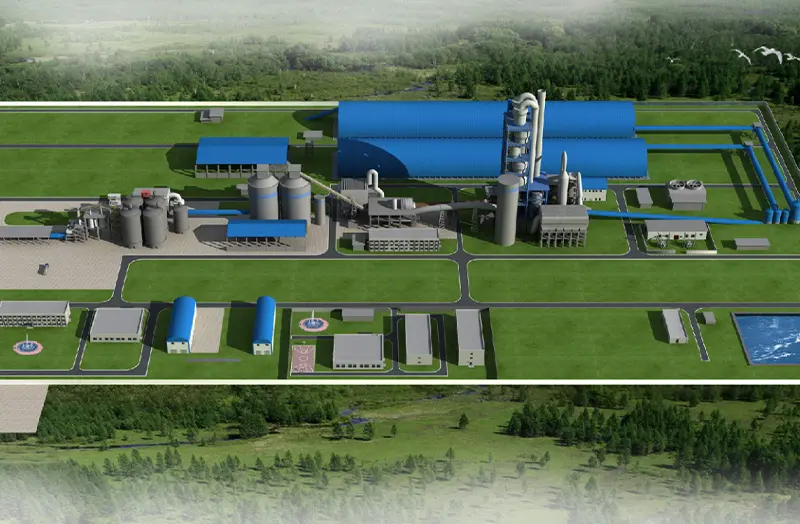
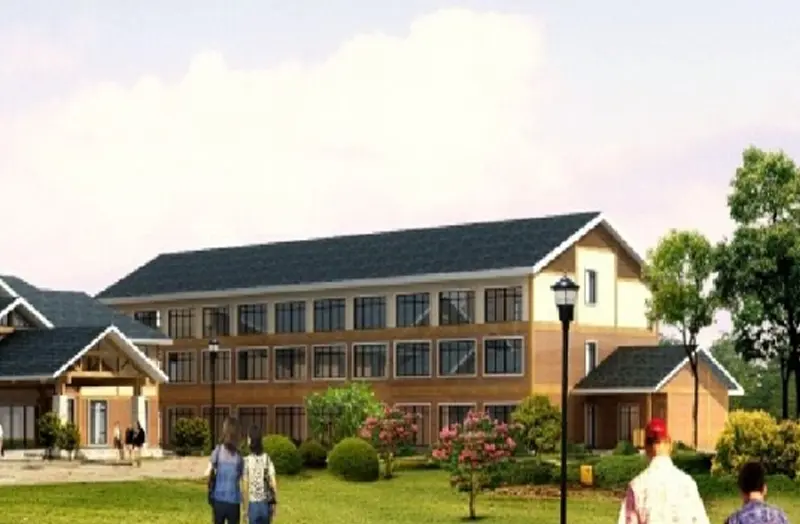
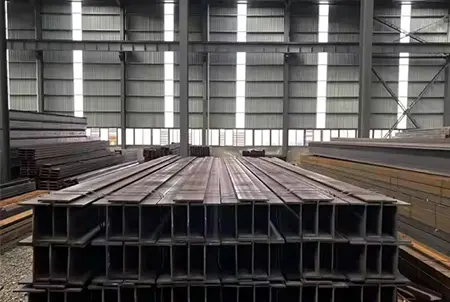
Our commitment to excellence is reflected in our project history, supplying materials to critical construction and industrial developments globally:

Get answers to critical engineering, safety, and logistical questions directly from our technical team.
Ensuring complete raw material integration and scaffolding solutions for complex global operations.
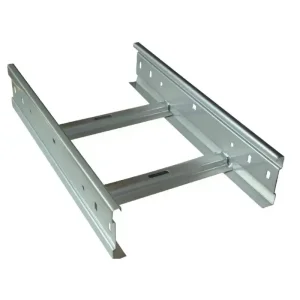
Our engineering office designs solutions based on your structural specifications.
 Hanshen