High-performance engineered industrial steel components designed to withstand intense loads and severe environmental degradation.
Why Modern EPCs Require High-Performance Corrosion-Resistant Scaffolding Solutions.
In modern industrial civil engineering, structural safety under extreme conditions is non-negotiable. Traditional mild steel scaffolding systems are highly vulnerable to atmospheric oxidation, chemical attack, and moisture. In harsh chemical processing environments, offshore marine facilities, and humid coastal construction zones, corrosion acts as a silent structural hazard. This degradation slowly compromises the yield strength and carrying capacity of the steel, increasing structural failure risks and threatening human lives.
Strategic procurement directors focus on reducing the Total Cost of Ownership (TCO) rather than purchasing cheap raw materials. Ordinary steel scaffolding tubes require frequent replacements, continuous safety inspections, and protective recoatings. By investing in custom engineered, corrosion-resistant steel scaffolding systems (specifically Hot-Dip Galvanized or Zinc-Aluminum-Magnesium alloy coated structures), contractors secure up to 25 years of maintenance-free service. This structural longevity ensures compliance with stringent safety regulations (such as EN 12811-1, OSHA 1926, and AS/NZS 1576) while keeping field operations moving efficiently without interruptions.
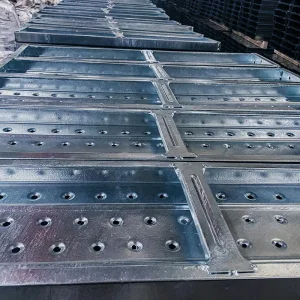
High salinity and constant humidity rapidly degrade low-grade carbon steel scaffolding. Our advanced hot-dip galvanized and zinc-magnesium profiles withstand coastal corrosion forces and continuous salt spray exposure.
Scaffolding deployed near refining and sulfur-rich processes faces severe chemical degradation. Our acid-resistant, heavy-duty alloyed structures ensure chemical plants maintain access platforms without risk of fast oxidation.
Wind stresses and seismic hazards demand steel tubing with absolute mechanical consistency. Custom carbon-alloy formulations guarantee elasticity, high load capacity, and safe load distribution across structures.
Technical comparison and chemical composition analysis of anti-corrosion methods.
The anti-corrosive performance of structural steel scaffolding is determined by chemical barrier layers and sacrificial galvanic protection. The process begins with structural carbon steel (like Q345B or Q235B) which is cold-formed or hot-rolled into tubes. To prevent corrosion, we use a zinc-iron alloy structure. During the hot-dip galvanizing process, molten zinc and raw steel undergo diffusion reactions, forming four main intermetallic alloy layers: Eta, Zeta, Delta, and Gamma. These layers create an extremely hard barrier against physical abrasions, while providing sacrificial cathodic protection to any exposed raw steel.
To meet the needs of harsh chemical and offshore environments, our technical roadmap introduces Zinc-Aluminum-Magnesium (ZAM) alloy coatings. ZAM coatings integrate aluminum and magnesium into the molten zinc bath, forming a tight, dense barrier. As corrosion begins, this alloy layer creates a self-healing film of simonkolleite on cut edges, protecting scaffolding parts that are frequently cut, welded, or clamped during site assembly.
| Coating / Alloy Class | Standard Reference | Corrosion Resistance (Salt Spray Hours) | Self-Healing Properties | Main Use Scenarios |
|---|---|---|---|---|
| Hot-Dip Galvanized (HDG) | ISO 1461 / ASTM A123 | 500 - 800 Hours | Moderate (Sacrificial protection only) | Standard urban infrastructure, outdoor building framing |
| Zinc-Aluminum-Magnesium (ZAM) | EN 10346 | 1,500 - 2,500 Hours | Excellent (Active oxide barrier on edges) | Heavy marine environments, coastal chemical plants, agriculture |
| Electro-Galvanized (EG) | ASTM B633 | 100 - 150 Hours | Low | Indoor conduit systems, light temporary bracing |
| Weather-Resistant Alloy (Corten) | ASTM A588 | Variable (Forms patina) | N/A (Forms static oxide patina) | Exposed architectural structures, railway and electrical gantries |
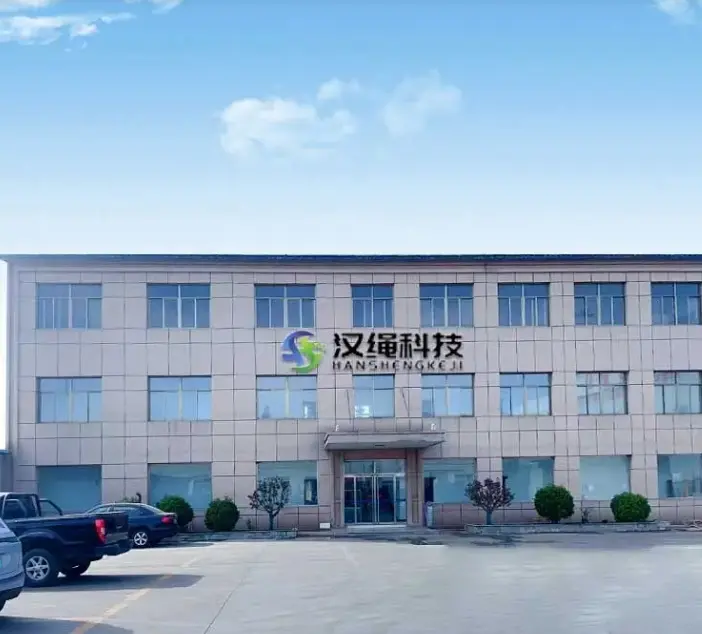
Strategically situated in Tangshan City, Hebei Province—the heart of China’s steel industry. With a prime location just 150 kilometers from the Tianjin seaport and 150 kilometers from the capital, Beijing, we benefit from an exceptional logistics network that ensures efficient global shipping. Since our inception in 2006, we have evolved into a comprehensive, export-oriented enterprise specializing in the manufacturing of premium-quality steel products.
We operate 8 high-efficiency production lines with a total annual production capacity of 300,000 metric tons. Our extensive product portfolio includes Galvanized Steel Wire, Hot/Cold Rolled Steel Coils and Sheets, GI/PPGI, GL/PPGL, and various Section Steels, all meticulously manufactured to adhere to rigorous international standards such as GB, JIS, ASTM, DIN, EN, and AS/NZS.
Driven by a commitment to supply chain excellence, competitive pricing, and professional service, our products have earned unanimous recognition across markets in the Middle East, Southeast Asia, North Asia, Africa, the Americas, and Europe. We operate under the firm philosophy of "honoring contracts and keeping promises." We view our clients not just as customers, but as valued friends, and we pride ourselves on our impeccable track record of contract fulfillment. We believe that a strong, transparent bond between our company and our clients is the ultimate cornerstone of our enduring success.
Decades of industrial experience combined with high-volume production output.
Years of Metallurgy Expertise
Established in 2006, providing stability and structural engineering experience across global markets.
Annual Capacity (Metric Tons)
Supported by 8 automated, high-precision lines for high-volume structural demands.
Proximity to Key Seaports
Located near Tianjin deepwater port to ensure fast, cost-effective global logistics routing.
Certified Quality Management
Full compliance with GB, JIS, ASTM, DIN, EN, and AS/NZS product standards.
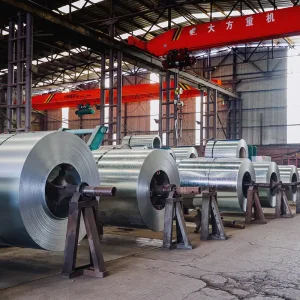
A glance inside our state-of-the-art production floors and raw material processing setups.
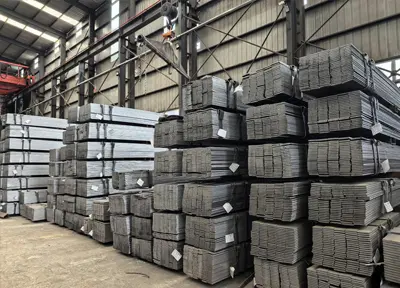
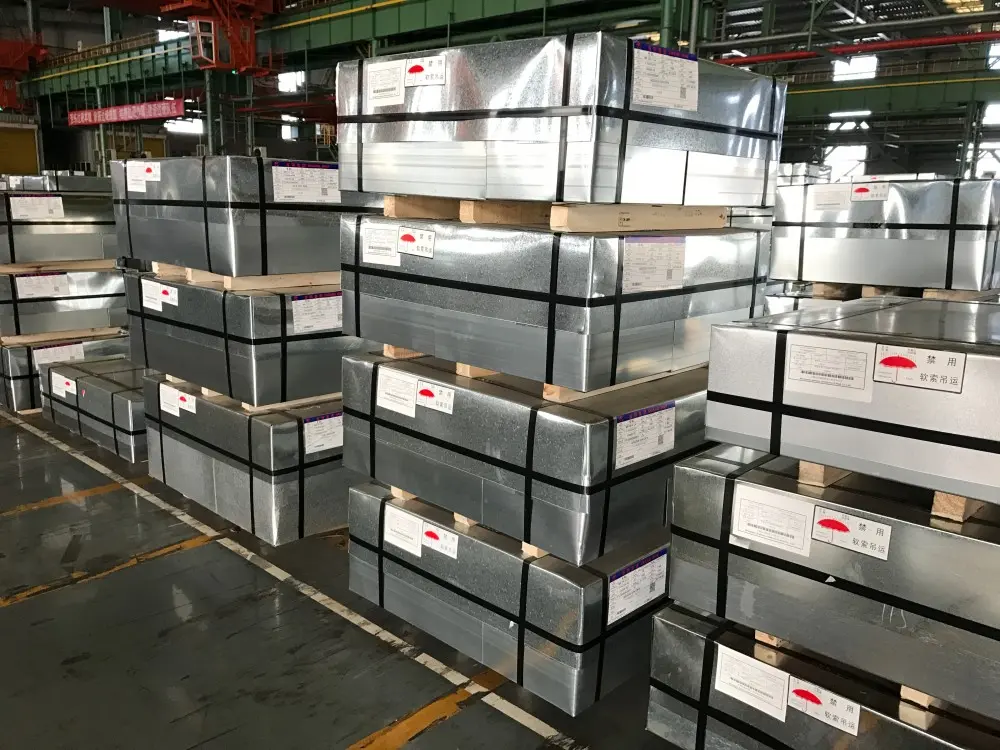
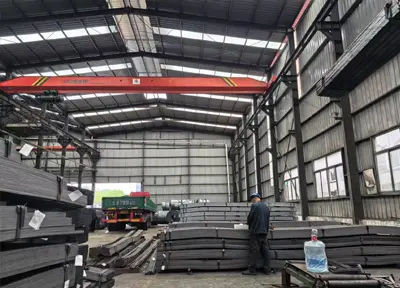
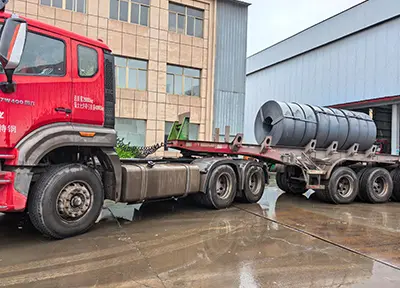
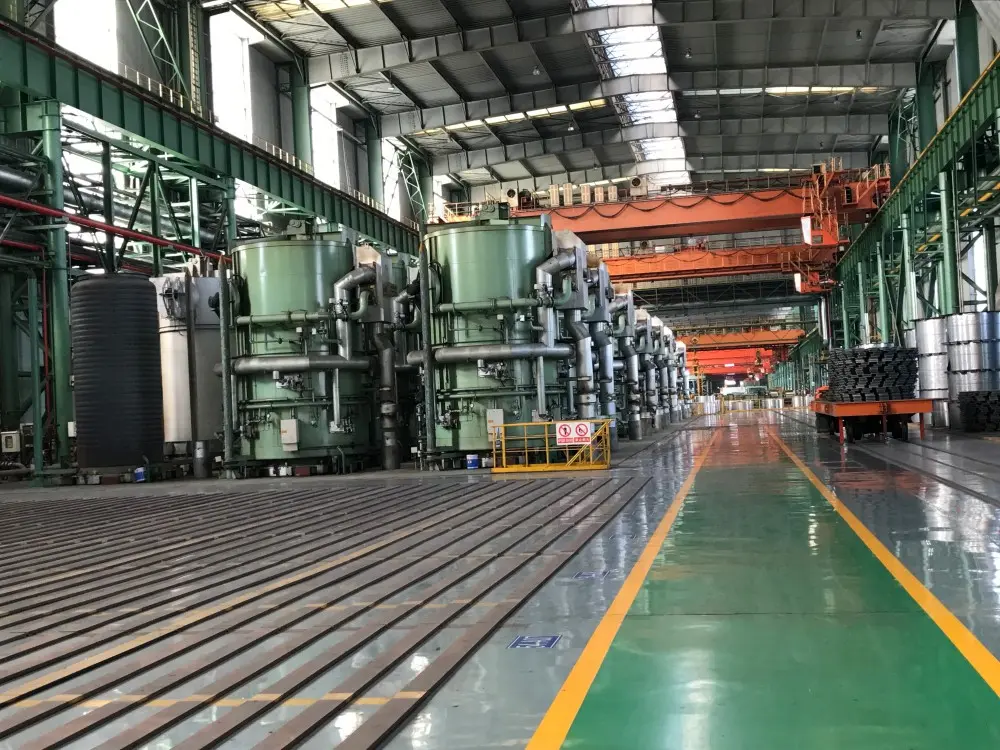
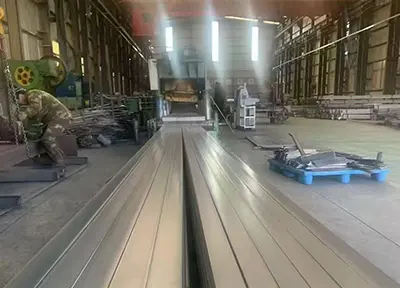
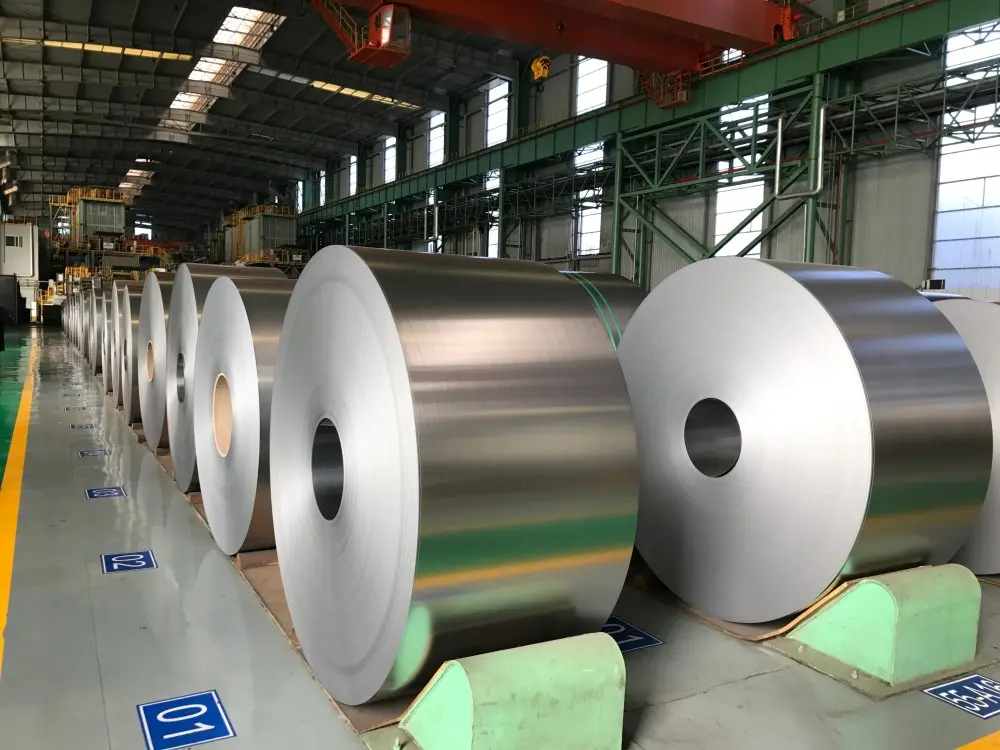
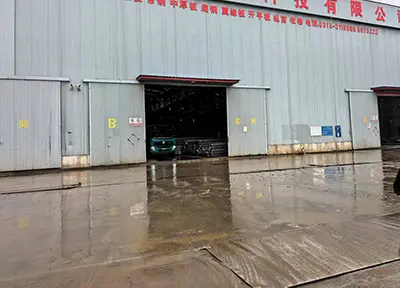
Case studies showcasing our global supply capabilities and custom engineering solutions.
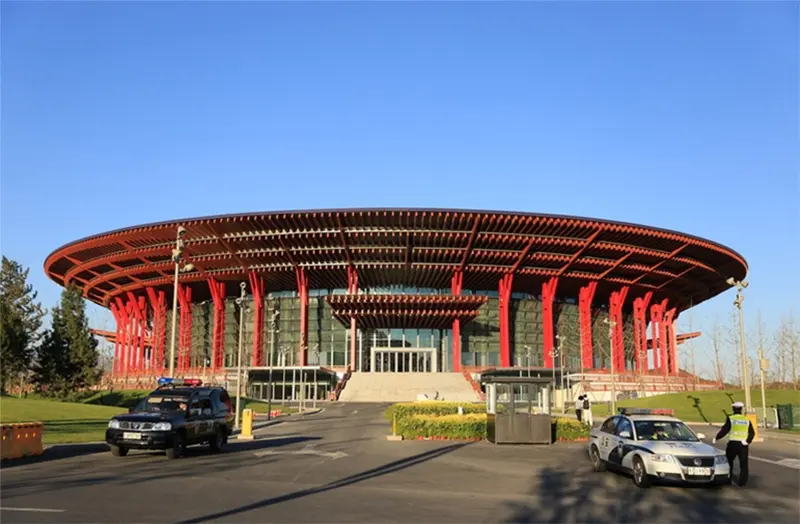
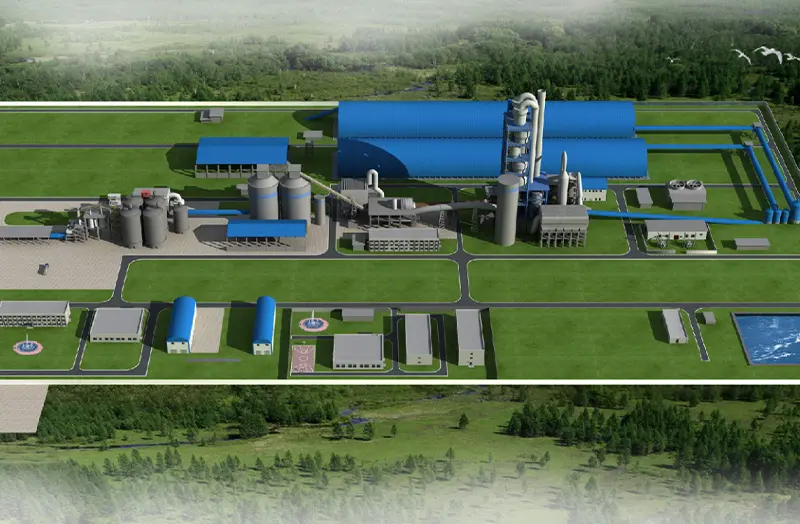
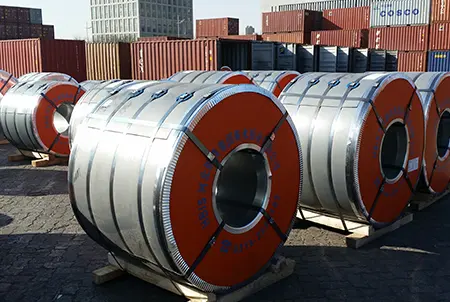
A summary of structural profiles, wire products, and sheets shipped to global destinations.
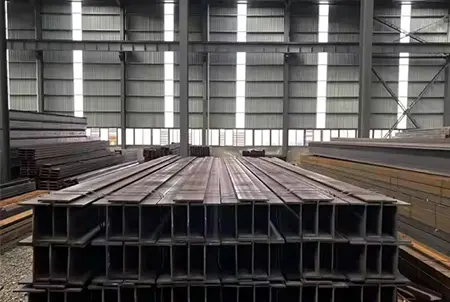
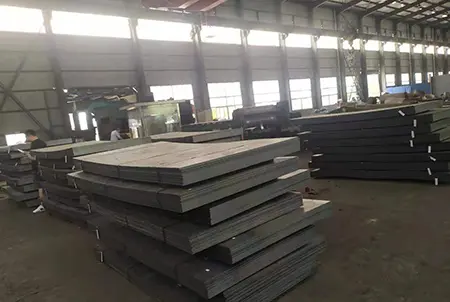
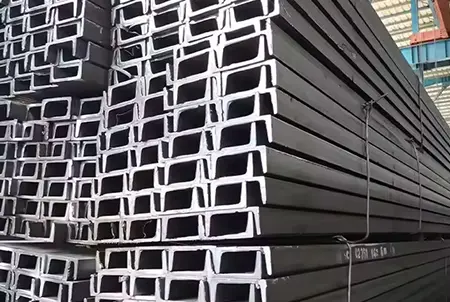
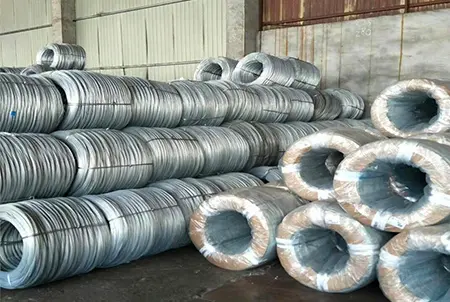
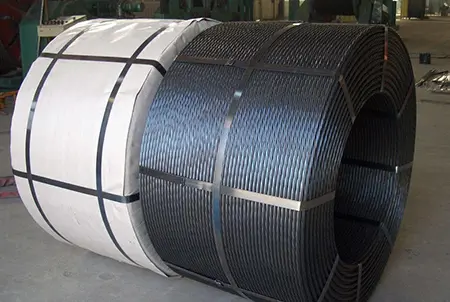
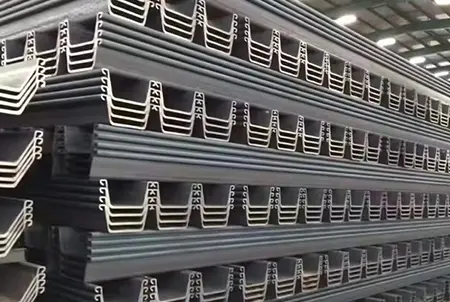
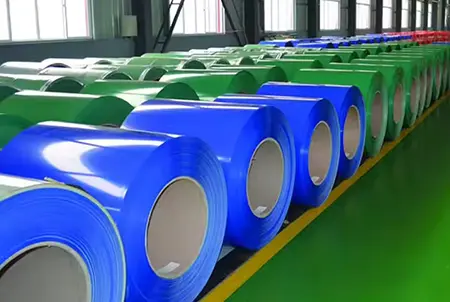
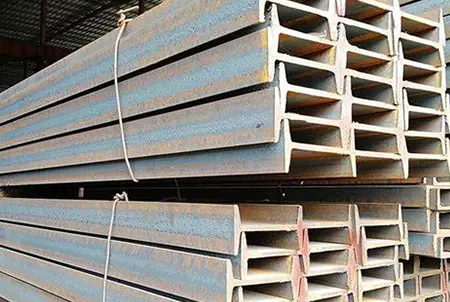
Working alongside leading steel producers to guarantee reliable raw material supply chains.

Detailed responses to common technical questions from structural engineers and procurement managers.
To help you select the right materials, our engineering team has compiled answers to frequently asked technical and logistics questions. If you require further calculations, stress analysis, or specific material grade confirmations, please contact our support desk.
Hot-dip galvanizing immerses structural steel into molten zinc at approximately 450°C. This thermal reaction creates thick, metallurgically bonded layers of iron-zinc alloys, covered by a pure zinc outer layer. These layers are harder than the base steel and protect against physical damage during assembly. In contrast, electro-galvanization applies a thin, purely physical coating (usually less than 15 microns) that lacks intermetallic alloy layers and is easily scratched during field handling, exposing raw carbon steel to fast oxidation.
We perform physical and chemical test audits on every production run. Tubing dimensions are measured with digital calipers to verify wall thickness, outside diameter, and straightness. Mechanical tests verify yield strength (R_e), ultimate tensile strength (R_m), and elongation percentages. Additionally, random batch samples undergo flattening and bending tests to ensure high structural safety under heavy loads.
We control the carbon equivalent values (CEV) of our raw structural steel. In high-tensile scaffolding profiles (like Q345D/E), we reduce phosphorus (P) and sulfur (S) to under 0.025% to prevent low-temperature brittleness. We also add small amounts of manganese (Mn), silicon (Si), and micro-alloys like niobium (Nb) or vanadium (V) to refine the grain structure, maintaining toughness and impact resistance in freezing climates.
For standard conditions, we offer hot-dip galvanizing with a coating density of Z350 to Z600 (conforming to EN ISO 1461). For marine, offshore, and petrochemical facilities, we provide Zinc-Aluminum-Magnesium (ZAM) alloy coatings. ZAM coatings offer up to ten times the corrosion resistance of standard galvanization and feature self-healing edges that prevent rust creep along cuts and scratches.
Every shipment is accompanied by a Material Test Certificate (MTC) conforming to EN 10204 Type 3.1. This certificate details the chemical composition and mechanical properties of the batch. We also accommodate third-party pre-shipment inspections (such as SGS, Bureau Veritas, or TÜV) to verify dimensions, coating weights, and quantities before loading.
Service life depends on atmospheric corrosion categories (ISO 9223):
Our facility is located in Tangshan City, Hebei Province, close to China's main steel production center. We are 150 km from the deepwater port of Tianjin and 150 km from Beijing. This proximity allows us to rapidly secure raw materials, coordinate heavy road transport, and load cargo onto container ships or bulk vessels, reducing transit times and logistics costs.
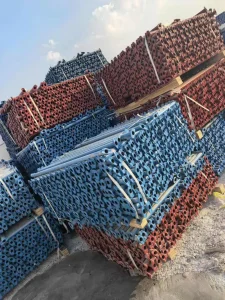
Yes. We customize external diameters, wall thicknesses (ranging from 2.0 mm to 4.5 mm), and lengths. We also manufacture standard scaffolding systems—including Ringlock, Cuplock, and traditional tube-and-clamp setups—featuring welded rosettes or ledger ends that meet local project specifications.
Our 8 high-performance production lines deliver an annual capacity of 300,000 metric tons. For standard scaffolding components, production lead times average 20 to 30 days from order confirmation and deposit receipt, depending on seasonal demand and factory schedules.
We support various delivery terms, including FOB (Free on Board), CFR (Cost and Freight), and CIF (Cost, Insurance, and Freight). Our payment options include irrevocable Letters of Credit (L/C) at sight and Telegraphic Transfers (T/T) with a partial advance deposit, ensuring safe transactions for all parties.
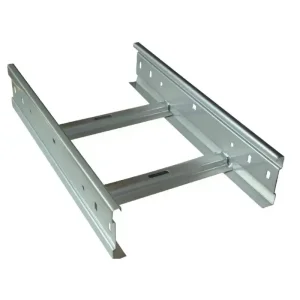
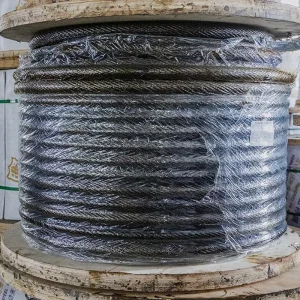
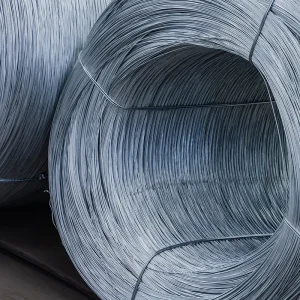
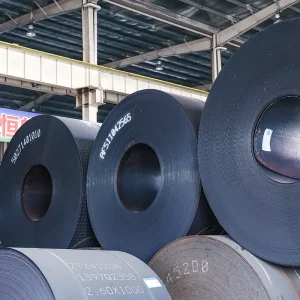
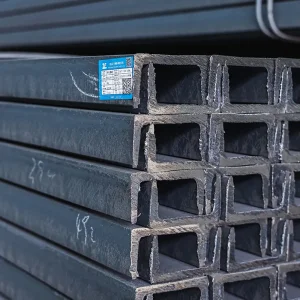
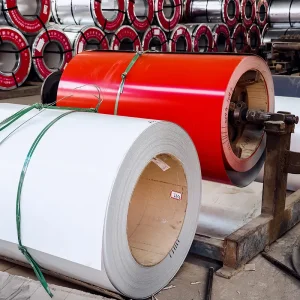
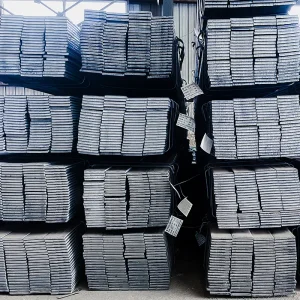
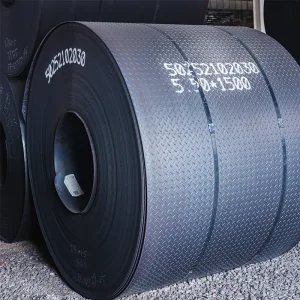
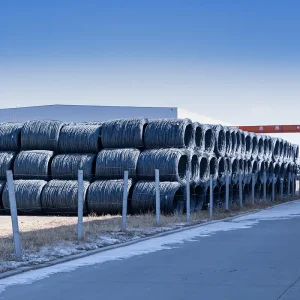
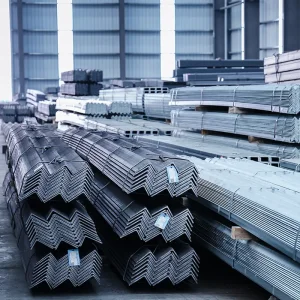
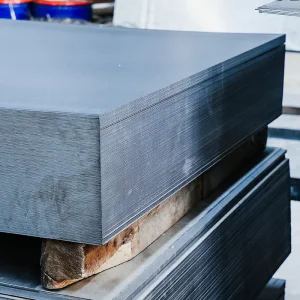
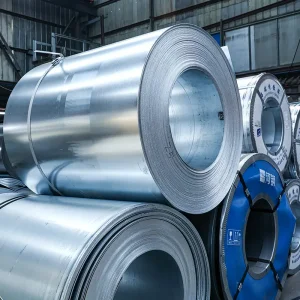
A comprehensive selection of structural plates, wire profiles, and coated coils for global engineering applications.
 Hanshen