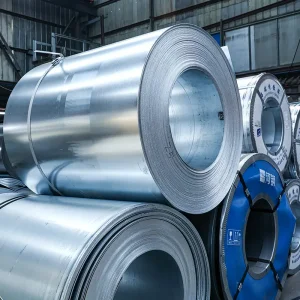
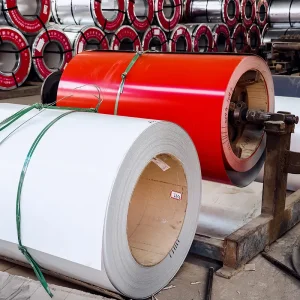
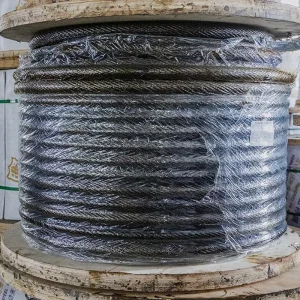
Explore our premium metal manufacturing range, produced under strict international quality frameworks.
Understanding alloy designations, deformation mechanisms, and slip-resistant engineering.
Aluminium Chequer Tread Plates (commonly referred to as aluminum checker plates, tread plates, 5-bar plates, or diamond plates) represent a vital material class in modern engineering. By combining the natural lightweight properties of aluminum with mechanical relief pattern deformation, manufacturers produce a material optimized for high-friction safety and structural endurance. Unlike steel options, which require heavy anti-corrosive coatings, aluminum naturally forms a protective self-healing oxide layer, rendering it highly resistant to atmospheric degradation, chemical exposure, and maritime salinity.
From a technical standpoint, the mechanical embossed patterns (most commonly the five-bar configuration) provide multi-directional traction, which increases the friction coefficient dramatically. This makes the plate an ideal choice for hazardous pathways, industrial flooring, public transport stairs, and custom vehicle assemblies. Under the E-E-A-T (Experience, Expertise, Authoritativeness, Trustworthiness) framework, selecting the proper alloy grade and temper is the single most critical factor for engineering success.
An alloyed combination featuring manganese. Offers exceptional workability and moderate strength coupled with high corrosion resistance. Ideally suited for fuel tanks, trailer interior linings, and general decorative paneling.
A magnesium-hardened marine-grade alloy. Characterized by outstanding fatigue strength and robust resistance to saltwater corrosion. Heavily utilized in shipbuilding, offshore structural pathways, and heavy commercial vehicles.
Silicon and magnesium-alloyed structural grade. Offers high mechanical yield strength and excellent weldability. This plate grade is the industry benchmark for load-bearing applications like bridge ramps, structural decks, and access platforms.
| Alloy Series | Common Temper | Tensile Strength (MPa) | Yield Strength (MPa) | Salt-Spray Resistance | Primary Industrial Applications |
|---|---|---|---|---|---|
| 1000 Series (e.g. 1050 / 1100) | H14, O | 70 - 105 | 25 - 75 | Excellent | Decorative paneling, cosmetics, light-duty kickplates |
| 3000 Series (e.g. 3003) | H22, H24 | 110 - 150 | 85 - 120 | Very High | Vehicle toolbox casings, commercial trailer flooring, structural trim |
| 5000 Series (e.g. 5052 / 5083) | H32, H112 | 190 - 280 | 90 - 200 | Outstanding (Marine Grade) | Ship building, oil rig runways, high-salt chemical plants, vehicle steps |
| 6000 Series (e.g. 6061) | T6, T651 | 260 - 310 | 240 - 275 | High | Load-bearing heavy structural platforms, aircraft hangers, dock levelers |
Why sourcing custom Aluminium Chequer Plates from Hebei-based hubs ensures cost-efficiency, premium scale, and logistics speed.
Chinese manufacturers operate within highly dense raw material clusters. From local bauxite extraction to smelting and continuous casting, this geographic proximity eliminates middle-tier transport markups. For global procurers, this translates directly to a lower Cost-Insurance-Freight (CIF) basis.
Equipped with high-precision hot-rolling mills, laser flatness detectors, and continuous tension-leveling installations. This technological foundation enables factories to control pattern depth, plate flatness, and sheet tolerances with high precision, meeting international ASTM and EN standards.
Unlike standard stockist entities, Chinese production lines facilitate raw customization. Customers specify exact alloys, non-standard panel sizes (e.g., up to 2200mm width), bespoke surface anodization colors, and complex processing steps like integrated drainage holes or CNC precision routing.
Analyzing the shift from carbon steel to lightweight alloys across automotive, logistics, and marine ecosystems.
In the wake of worldwide decarbonization initiatives, industrial designers are actively replacing heavy steel materials with lightweight aluminum alternatives to enhance operational efficiency. In the transportation sector, reducing the tare weight of dry vans, tankers, and bulk-commodity trailers directly yields fuel savings and maximizes cargo capacity limits. Incorporating 5-bar aluminium chequer plate configurations into truck platforms and tooling storage assemblies meets these light-weight standards while retaining the structural integrity needed to withstand heavy daily use.
Similarly, the modern maritime sector relies on marine-grade 5083 and 5052 tread plates for building ferry decks, offshore oil drilling access platforms, and commercial fishing vessels. Marine environments are highly corrosive, yet these alloys exhibit long-term resistance to salt corrosion. This reduces maintenance cycles and lowers overall vessel operation costs over decades of service.
Bespoke engineering responses addressing demanding load conditions, severe weather, and dynamic safety requirements.
Aluminum tread plates are widely utilized for vehicle running boards, rear-door utility steps, ramp transitions, and cabin flooring. By deploying 3003-H22 plates, fleets achieve weight reductions that increase payload capacity and improve fuel efficiency, without sacrificing safety or floor traction.
Naval architects mandate 5052-H32 or 5083-H112 plates for ship walkways, helideck surfaces, engine room floors, and cargo holds. These alloys resist marine corrosion, minimizing maintenance down-time and protecting crews on wet decks.
For chemical plants, food processing facilities, and manufacturing spaces, our 6061-T6 structured chequer plates provide key safety solutions. They resist corrosion from chemical washes while supporting heavy equipment and foot traffic.
Strategic manufacturer located in the center of China's steel industry.
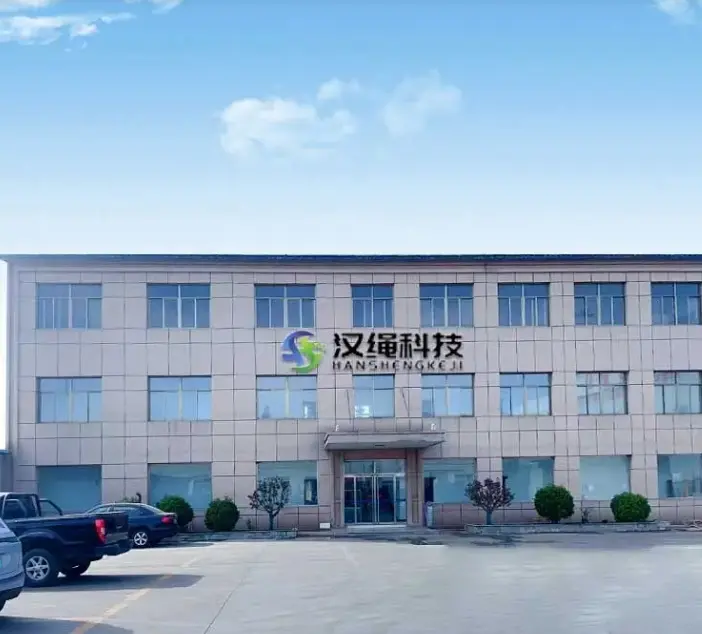
Hansheng Technology (Hebei) Co., Ltd. is strategically situated in Tangshan City, Hebei Province—the heart of China’s steel industry. With a prime location just 150 kilometers from the Tianjin seaport and 150 kilometers from the capital, Beijing, we benefit from an exceptional logistics network that ensures efficient global shipping. Since our inception in 2006, we have evolved into a comprehensive, export-oriented enterprise specializing in the manufacturing of premium-quality steel products.
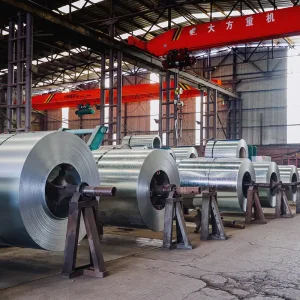
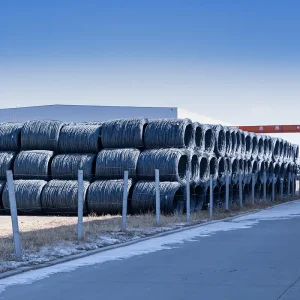
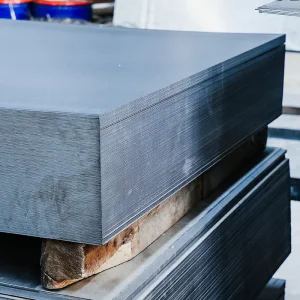
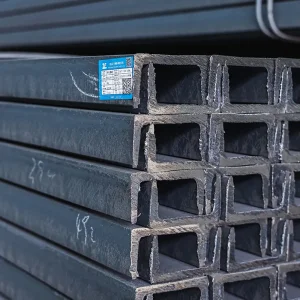
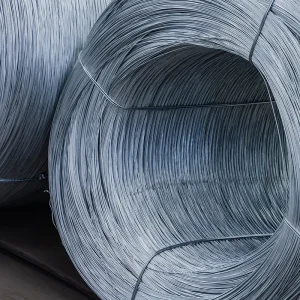
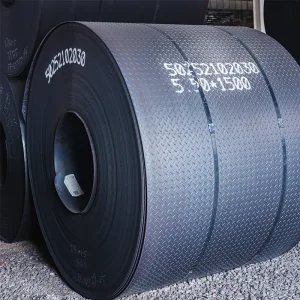
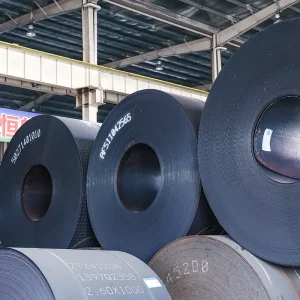
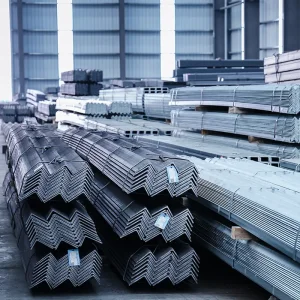
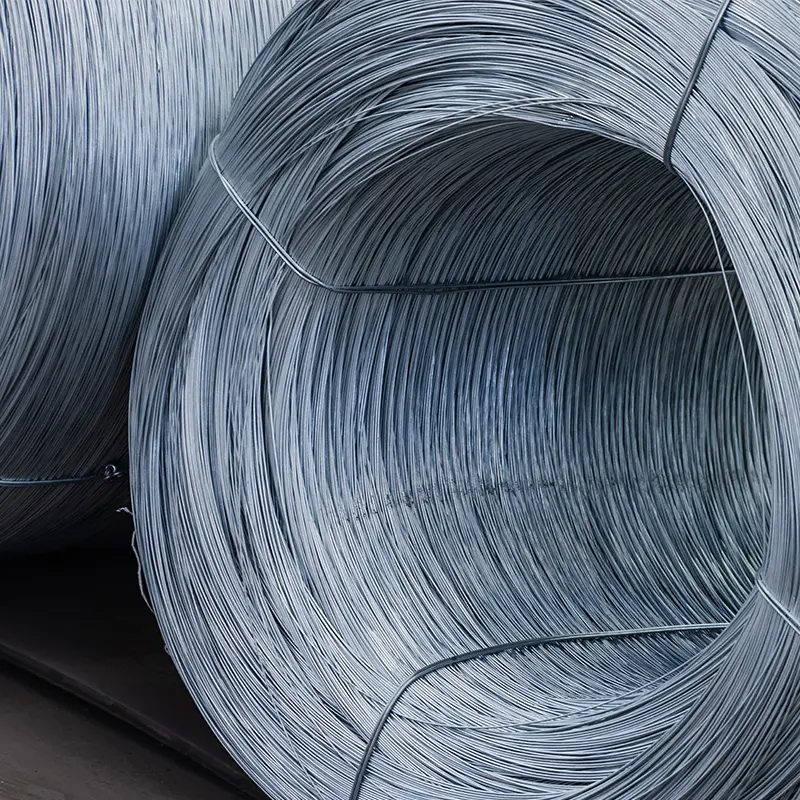
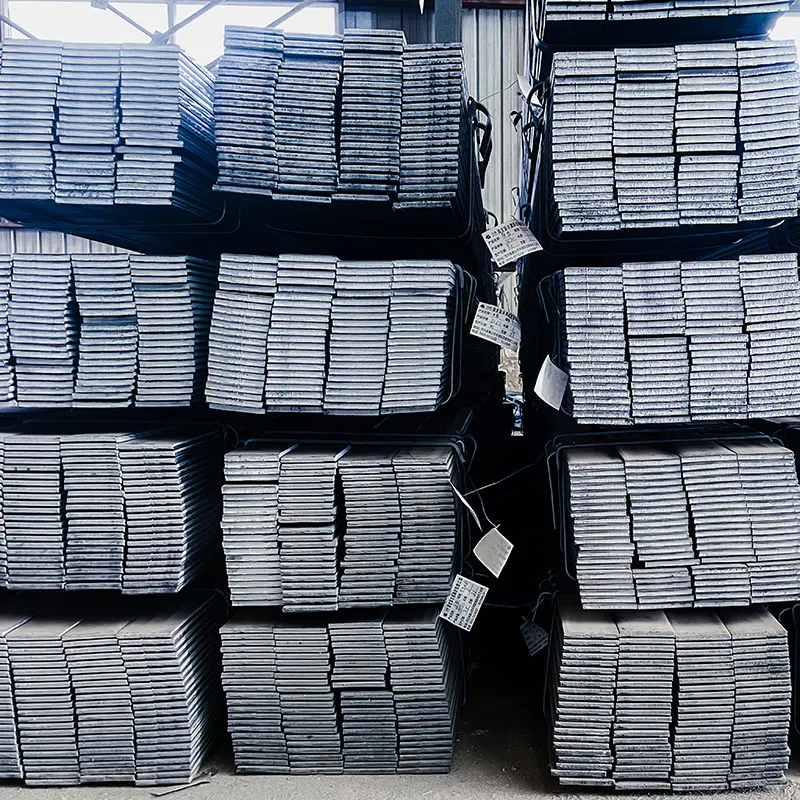
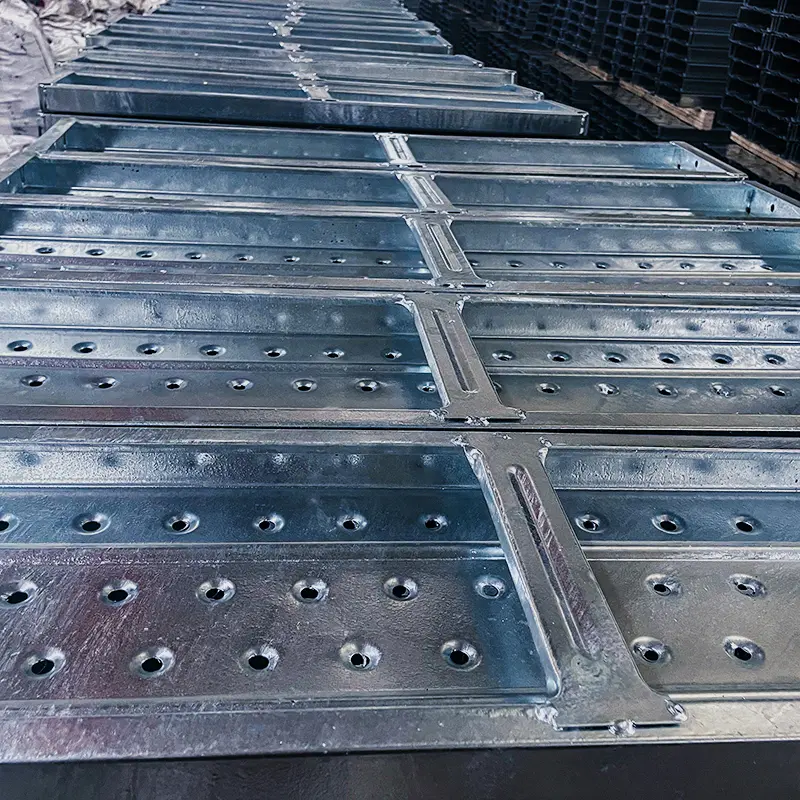
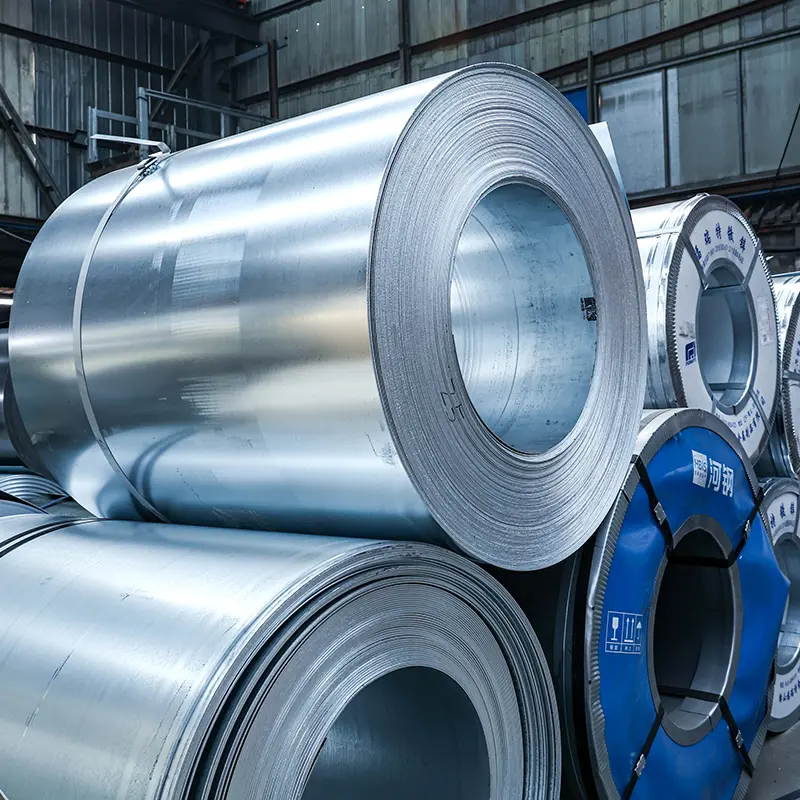
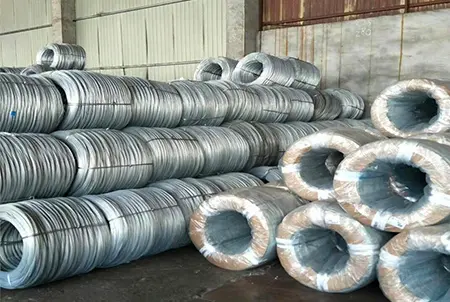
We operate 8 high-efficiency production lines with a total annual production capacity of 300,000 metric tons (with potential scaling capacity to 650,000 tons). Our extensive product portfolio includes Galvanized Steel Wire, Hot/Cold Rolled Steel Coils and Sheets, GI/PPGI, GL/PPGL, and various Section Steels, all meticulously manufactured to adhere to rigorous international standards such as GB, JIS, ASTM, DIN, EN, and AS/NZS.
Driven by a commitment to supply chain excellence, competitive pricing, and professional service, our products have earned recognition across markets in the Middle East, Southeast Asia, North Asia, Africa, the Americas, and Europe. We operate under the firm philosophy of "honoring contracts and keeping promises." We view our clients not just as customers, but as valued friends, and we pride ourselves on our track record of contract fulfillment. We believe that a strong, transparent bond between our company and our clients is the ultimate cornerstone of our enduring success.
Established in 2006, we have nearly two decades of deep industry experience, providing us with the stability and expertise to navigate complex global markets.
With 8 state-of-the-art production lines, we maintain a robust annual output of 300,000 metric tons, ensuring we can meet the high-volume demands of our partners reliably and on time.
Our facility is perfectly positioned just 150 kilometers from both the major logistics hub of Tianjin seaport and the capital city of Beijing, granting us speed and efficiency in domestic and international distribution.
We strictly follow international standards—including GB, JIS, ASTM, DIN, EN, and AS/NZS—guaranteeing that every product we deliver meets the highest level of global industrial precision.
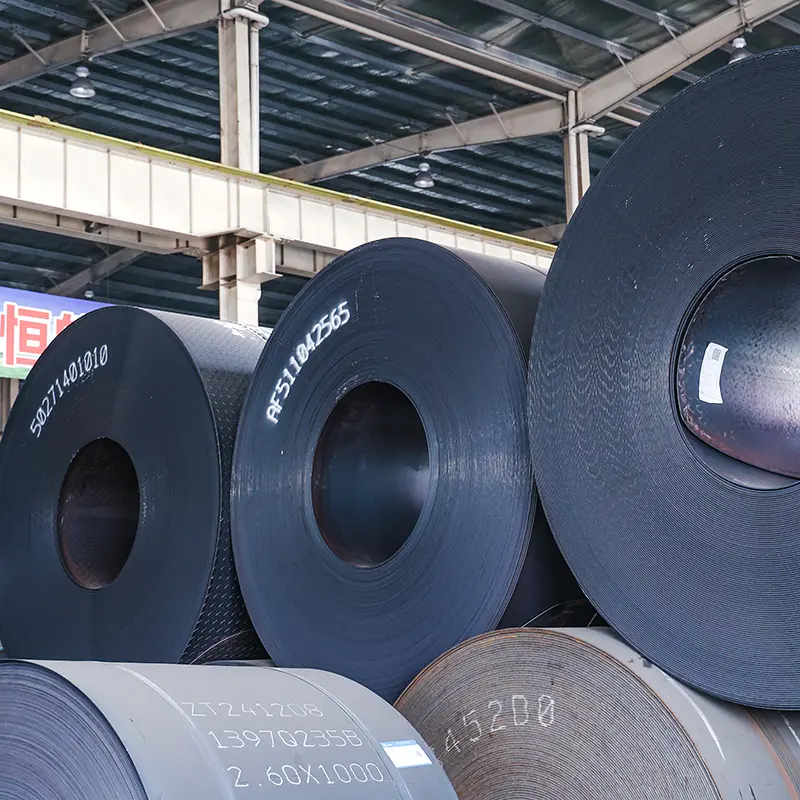
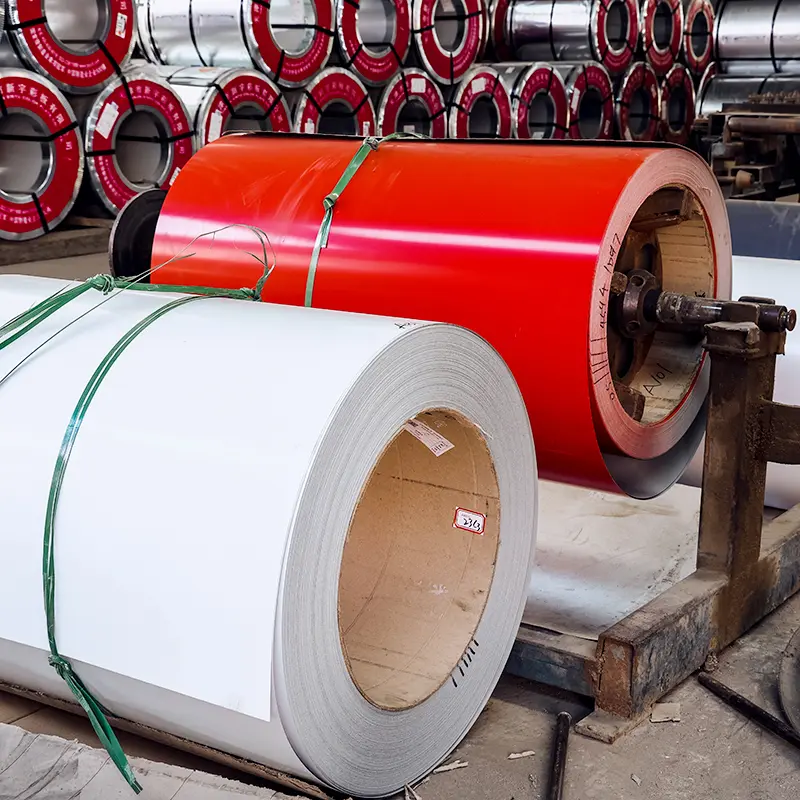
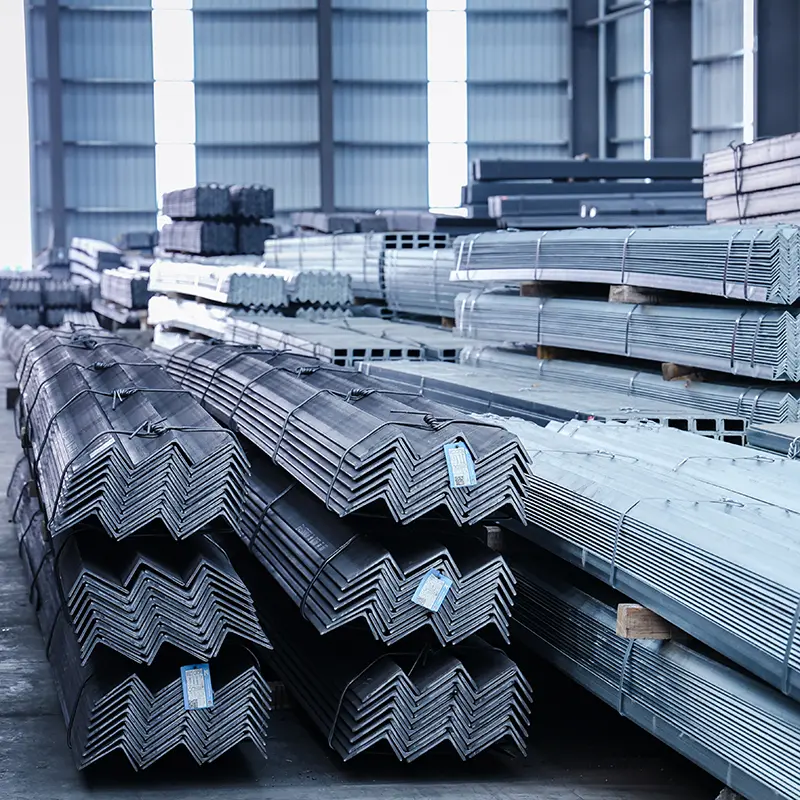
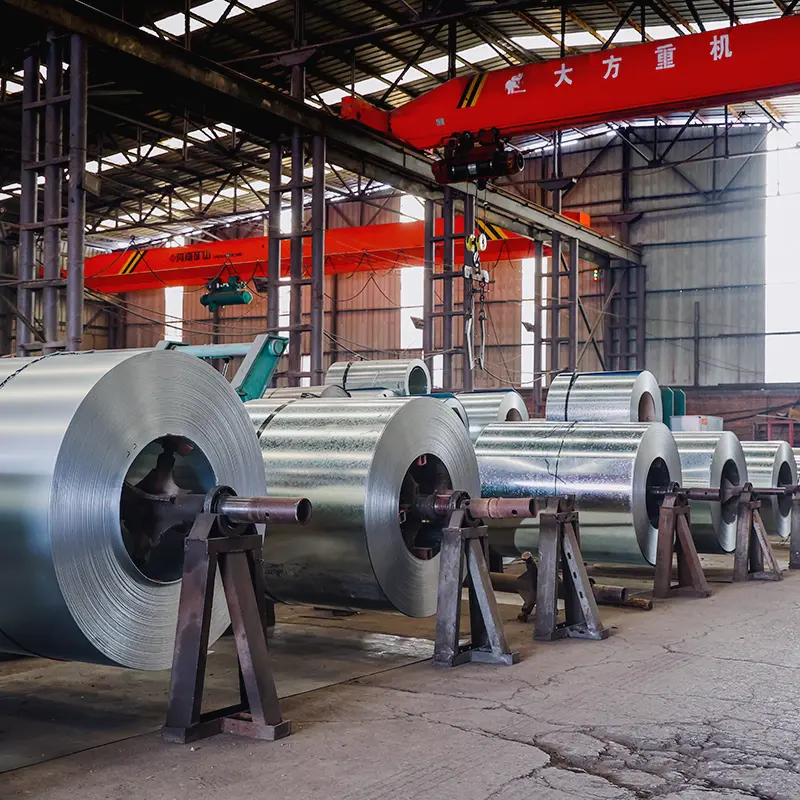
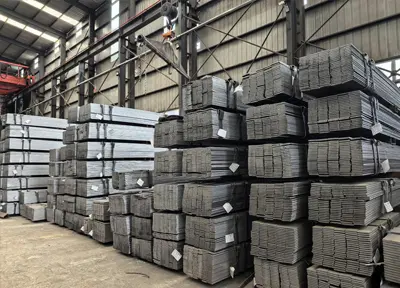
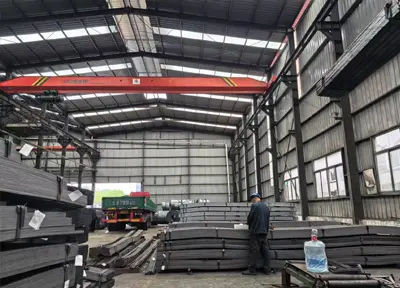
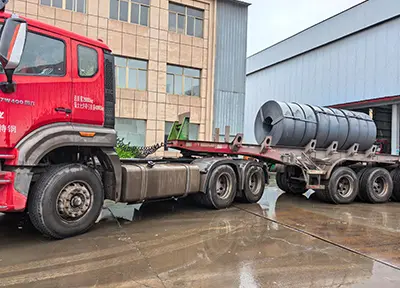
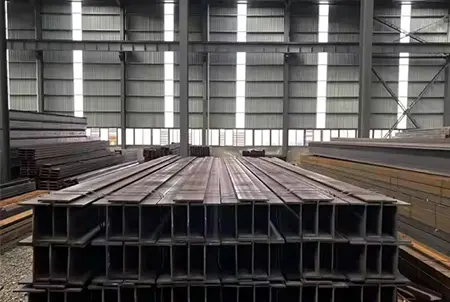
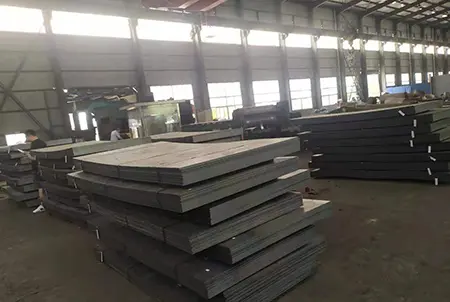
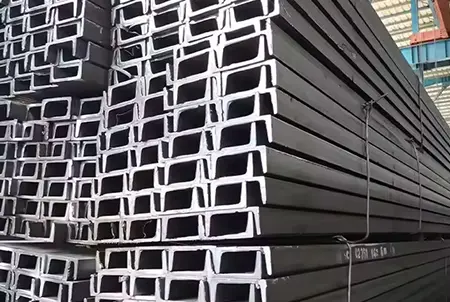
Visualizing the high precision manufacturing capabilities of Hansheng Technology.
Key quality control practices and compliance regulations for international procurement teams.
Purchasing agents overseeing projects in high-risk zones, such as chemical facilities, railway bridges, or offshore structures, must mandate strict quality assurance documentation. Standard commercial invoice agreements are insufficient for these applications. Suppliers must supply certified Mill Test Reports (MTRs) tracing material chemical content and physical properties back to the original furnace batch, in accordance with ASTM B209 or EN 485 standards.
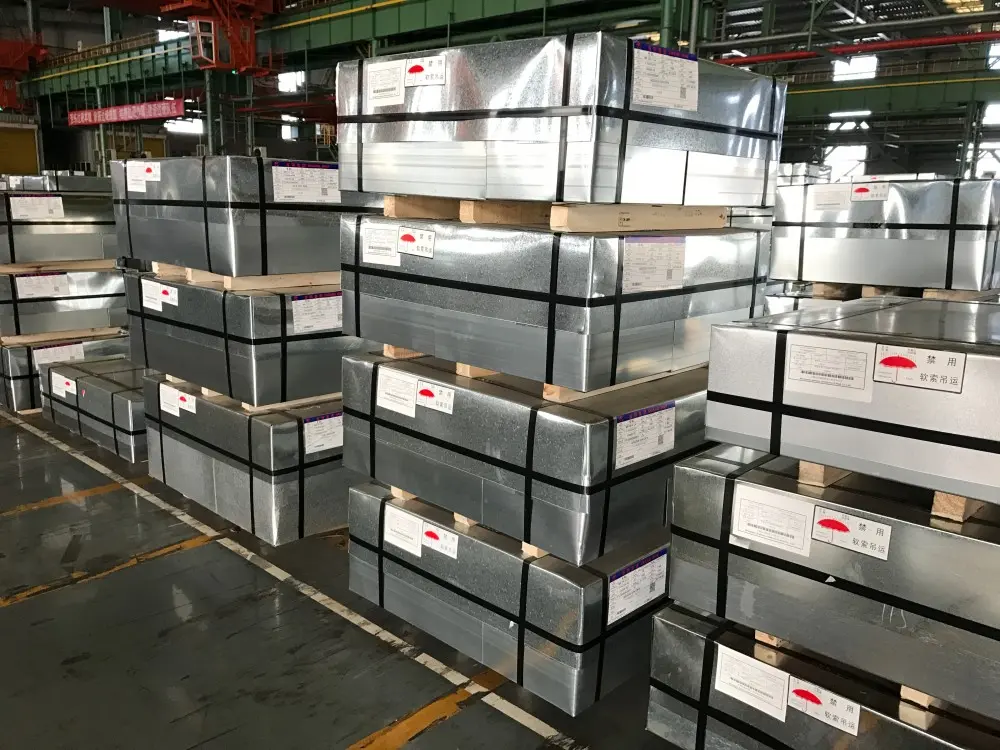
Additionally, packaging standards are critical in preventing marine oxidation during transit. High-quality aluminum checker plate shipments should utilize waterproof paper wrap, steel banding, dynamic desiccants, and structurally sound wooden pallets, preventing moisture penetration during long sea voyages.
MTRs verify exact alloy chemical element breakdowns (such as percent Mg, Mn, Cr, and Fe) alongside mechanical testing results for tensile and yield strength, guaranteeing structural compliance.
In-factory thickness audits should be conducted using high-precision digital micrometers across nine different points per plate. This ensures consistency and prevents structural weak points.
Finished plates must be wrapped in moisture-resistant vapor barrier paper, bound with heavy steel bands, and mounted on heat-treated ISPM-15 compliant wooden pallets to ensure clean, rust-free delivery.
A proven track record of supplying materials to tier-one industrial projects worldwide.


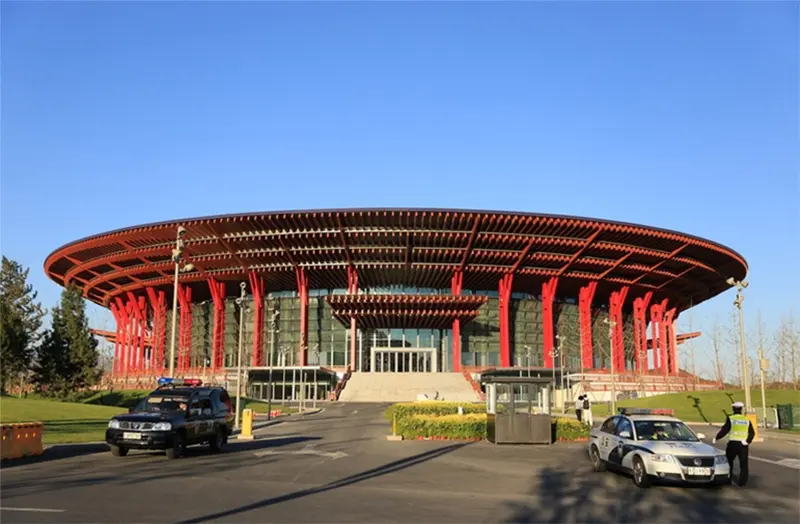
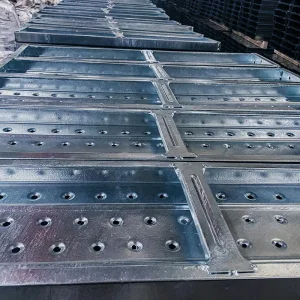
Supplied structural metal framing and precision walkway components for major national construction projects.
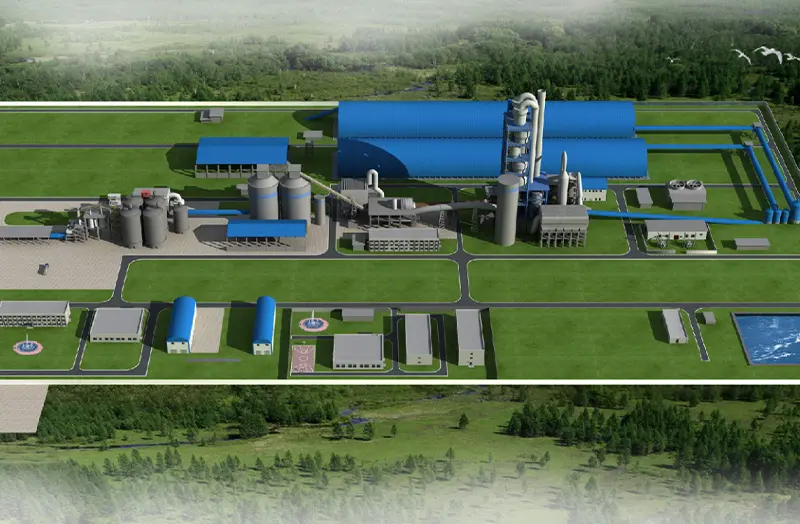
Supplied industrial section steels and custom flooring materials for key processing installations in South Africa.
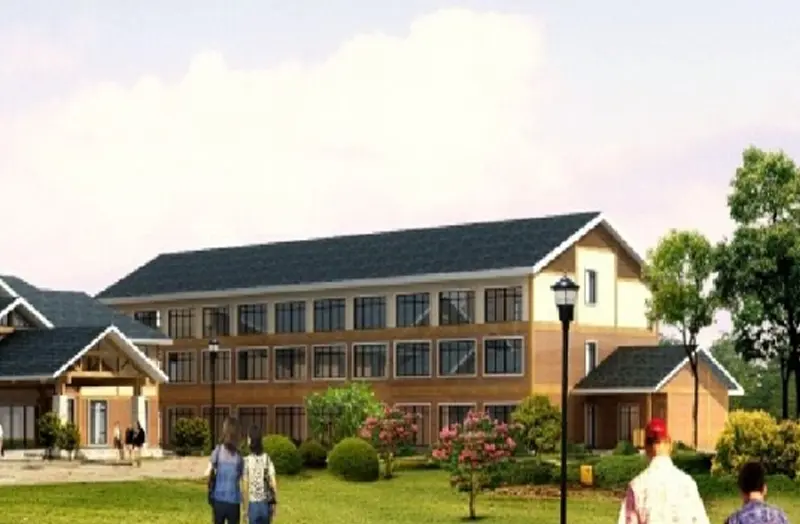
Supplied highly aesthetic structural alloys and weather-resistant roofing coils to Canada.
Expert answers to common engineering, alloy classification, and international procurement questions.
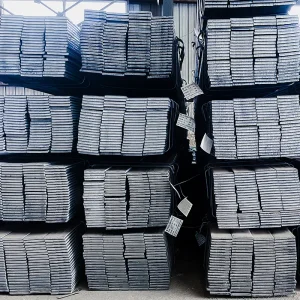
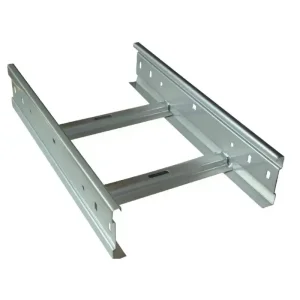
Complete selection of structural flat steels, specialized bars, and cable routing solutions.
 Hanshen