In today's manufacturing landscape, the significance of Steel Wire Rod cannot be overstated. John Smith, a renowned expert in metallurgy, emphasizes its critical role by stating, "Steel Wire Rod is the backbone of modern production." This versatile material is essential for various applications, from automotive to construction.
Steel Wire Rod is valued for its strength and flexibility. Manufacturers utilize it in making springs, cables, and reinforcement bars. Efficient production relies on high-quality wire rod, as it directly affects the durability of finished products. The industry faces challenges, such as fluctuating material costs and quality inconsistencies. These issues prompt manufacturers to reconsider their sourcing strategies.
Leveraging expertise in the Steel Wire Rod industry is vital for sustainable growth. Staying informed about advancements helps manufacturers optimize their processes. As competition intensifies, prioritizing reliable sources of Steel Wire Rod is crucial. Understanding the intricacies of this material will contribute to overall manufacturing success.
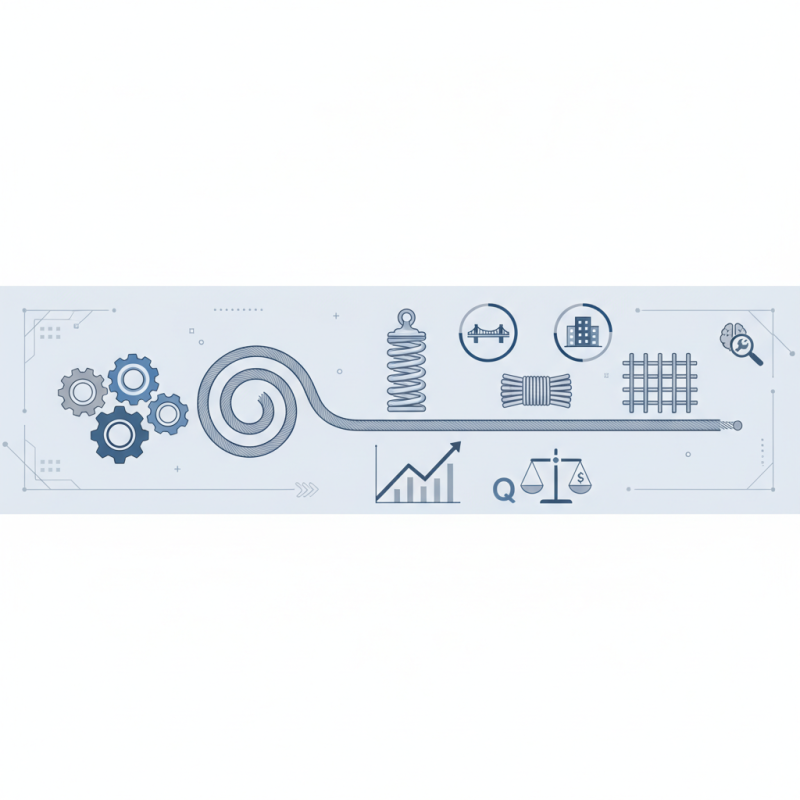
The Role of Steel Wire Rod in Modern Manufacturing Processes
Steel wire rod plays a crucial role in modern manufacturing processes. It serves as a fundamental material for producing various products, including cables, springs, and fasteners. The strength and flexibility of steel wire make it ideal for these applications. Manufacturers rely on its durability and resistance to wear. This reliability ensures that products meet industry standards.
When incorporating steel wire rod, consider its diameter and tensile strength. Different applications require specific specifications. Matching the wire rod to your project is vital. Test samples before full production to assess performance.
Additionally, evaluate the sourcing of your steel wire rod. Sustainable practices are becoming increasingly important. Working with suppliers who prioritize sustainability can enhance your brand’s reputation. Quality control is essential. Poor-quality wire can lead to failures, affecting end products. Always prioritize transparency in your supply chain.
Key Industries Utilizing Steel Wire Rod: Applications and Demand
Steel wire rod plays a critical role in various industries. Its strength and versatility make it a preferred choice in construction. This material is used for
reinforcing concrete and manufacturing cables. These applications showcase its importance in ensuring structural integrity.
Another key industry utilizing steel wire rod is automotive manufacturing. In this sector, steel wire is essential for producing essential components like
springs and cables. These parts require high durability and resistance to fatigue. The demand from the automotive sector drives steel wire rod production.
Moreover, the construction industry relies heavily on steel wire rod for fencing materials. Fencing must withstand environmental stress and provide security. The consistent demand reflects the need for
reliable materials in various applications. Steel wire rod meets these challenges with its robust properties. However, sourcing quality wire rod can sometimes
be an issue. Manufacturers need to ensure they are getting the right specifications for their projects. This challenge highlights the complexity of the supply chain in these essential industries.
Understanding the Composition and Quality Standards of Steel Wire Rod
Steel wire rod is a critical component in various manufacturing applications. Its composition directly affects the final product's quality. Generally, steel wire rod consists of carbon, manganese, and other alloying elements. The right balance of these elements is vital. Higher carbon content offers strength, while manganese improves ductility. Understanding these factors is essential for manufacturers seeking reliability.
Quality standards are equally important. They ensure that the steel wire rod meets specific criteria for performance and safety. Organizations set these standards, often based on rigorous testing methods. Parameters such as tensile strength, elongation, and surface quality are evaluated. However, not all products will meet expectations. Inconsistencies can arise, leading to potential issues in production. Thus, manufacturers must prioritize sourcing from reputable suppliers.
Being aware of the composition and adherence to quality standards can significantly impact production efficiency. For instance, using high-quality steel wire rod can minimize defects. Conversely, subpar materials can lead to failures in the end product. Therefore, understanding the specifics can guide manufacturers in making informed decisions, potentially saving them time and costs in the long run.
Why is Steel Wire Rod Essential for Your Manufacturing Needs? - Understanding the Composition and Quality Standards of Steel Wire Rod
| Dimension |
Description |
Standard |
Applications |
| Diameter |
Typical diameters range from 5.5 mm to 16 mm |
ASTM A510 |
Automotive components, construction |
| Tensile Strength |
Minimum 400 MPa |
ISO 6935-2 |
Manufacturing of wire and cables |
| Elongation |
Minimum 12% |
ASTM A370 |
Spring manufacturing, industrial applications |
| Chemical Composition |
Typically includes Carbon, Manganese, and Silicon |
EN 10016-2 |
General manufacturing, wire products |
| Surface Quality |
Clean and free from defects
(scale, cracks) |
ISO 16120 |
Electrical components, precision parts |
Market Trends: Global Production and Consumption Rates for Wire Rod
The wire rod market is experiencing significant changes. According to the World Steel Association, global production reached 1.8 billion tons in 2022. Asia remains the leading producer, with countries like China dominating the output. The demand for wire rods in construction and automotive sectors drives this growth, showing a robust 5% annual increase.
Consumption rates are also on the rise. In 2023, the market for wire rods is anticipated to grow by 4% globally. Europe is seeing a surge in construction projects, contributing to higher wire rod demand. The infrastructure boom is reshaping steel requirements, yet variability in raw material costs raises concerns. Manufacturers face challenges in adapting to these dynamic shifts.
Data from industry reports highlight a trend toward sustainability. Increasing regulation around carbon emissions impacts production methods. Many manufacturers are investing in green technologies. The goal is to balance production efficiency with environmental responsibility. However, the transition is not without hurdles, and much remains to be addressed in terms of cost and implementation.
Economic Impact: Cost-Effectiveness and Efficiency of Steel Wire Rod Usage
Steel wire rod plays a crucial role in modern manufacturing. Its versatility and adaptability make it a preferred choice for various applications, from automotive parts to construction materials. The economic impact of steel wire rod usage is significant. Manufacturers often find that its cost-effectiveness aids in maintaining budgets.
Using steel wire rods can improve production efficiency. These rods are easy to process and can be manipulated into different shapes. This flexibility reduces waste and saves time during manufacturing. Furthermore, their durability contributes to lower replacement costs, which is a critical factor in financial planning. It's important to note that while steel wire rods can be initially more expensive, the long-term savings often outweigh this upfront cost.
However, some manufacturers may overlook potential pitfalls. Not all steel wire rods meet the required specifications. Quality control must be taken seriously, or else projects could face delays. Investing in high-quality steel wire rods can enhance the overall efficiency of production lines. It’s a balance, and making mistakes can lead to increased costs. Manufacturers must weigh options carefully.
Conclusion
Steel Wire Rod plays a crucial role in modern manufacturing processes, serving as a foundational material for various industries including automotive, construction, and electrical sectors. Its versatility and strength make it ideal for producing components such as wires, cables, and fasteners, thereby driving demand across key applications. Understanding the composition and quality standards of Steel Wire Rod is essential for manufacturers to ensure the durability and performance of their products.
Current market trends indicate robust global production and consumption rates for wire rod, reflecting its continued importance in industrial applications. The economic impact of Steel Wire Rod usage cannot be overlooked, as its cost-effectiveness and efficiency contribute significantly to overall manufacturing productivity. As industries evolve, the persistent demand for high-quality Steel Wire Rod highlights its essential role in meeting the manufacturing needs of today and the future.

 Hanshen